
When you go camping, the ground is often wet, muddy, or uneven. This can make sleeping inside a tent uncomfortable and messy. That’s why tents waterproof flooring is so important for campers. The right flooring not only keeps water out, but also protects against dirt, cold, and insects. Many people focus on the tent walls and roof, but the floor is just as vital. Understanding waterproof flooring will help you choose the best tent and enjoy a dry, safe trip.
What Is Waterproof Tent Flooring?
Waterproof tent flooring means the tent’s bottom layer is made from materials that block water from entering. Most tents use polyethylene (PE), polyester, or nylon with waterproof coatings. These materials are tested for their ability to resist water, often rated in millimeters (mm). For example, a floor with 3000mm waterproof rating can handle heavy rain without leaking.
Some tents have a “bathtub floor. ” This design lifts the floor edges above the ground so water cannot seep in through the sides. Bathtub floors are common in high-quality tents and protect against puddles and splashes.
Why Waterproof Flooring Matters
A wet tent floor can ruin your camping experience. Here’s why waterproof flooring is essential:
- Keeps you dry: Even light rain can seep into tents without proper flooring.
- Protects gear: Water damages sleeping bags and electronics.
- Adds comfort: Dry floors feel warmer and cleaner.
- Blocks insects: Many bugs come up from the ground.
Most campers do not realize that tent floors face more water pressure than tent walls. When you sit or sleep, your body weight presses water up from beneath. This means floors need a higher waterproof rating than walls.
Types Of Waterproof Tent Flooring
Choosing the right flooring depends on your camping needs. Here are the main types:
Polyethylene (pe)
PE is strong, cheap, and used in most budget tents. It’s naturally waterproof and resistant to tears. However, it can be heavy and less flexible.
Nylon With Pu Coating
Nylon is lightweight and often used in backpacking tents. A polyurethane (PU) coating makes it waterproof. It’s easy to pack and carry, but may wear out faster than PE.
Polyester With Tpu Coating
Polyester is more UV resistant than nylon. It’s coated with thermoplastic polyurethane (TPU) for waterproofing. This material is common in premium tents.
Bathtub Floors
Bathtub floors are made by sewing the floor material up the tent sides. This prevents water from entering at ground level. Most high-end tents offer this design.
Groundsheet
Some tents use a separate groundsheet. This is a removable waterproof layer that sits under the tent. It adds extra protection and can be replaced if damaged.
Comparing Waterproof Flooring Materials
Here’s a simple table comparing the most popular flooring materials:
| Material | Waterproof Rating (mm) | Weight | Durability |
|---|---|---|---|
| Polyethylene (PE) | 2000–10000 | Heavy | High |
| Nylon + PU | 1500–5000 | Light | Medium |
| Polyester + TPU | 3000–7000 | Medium | High |
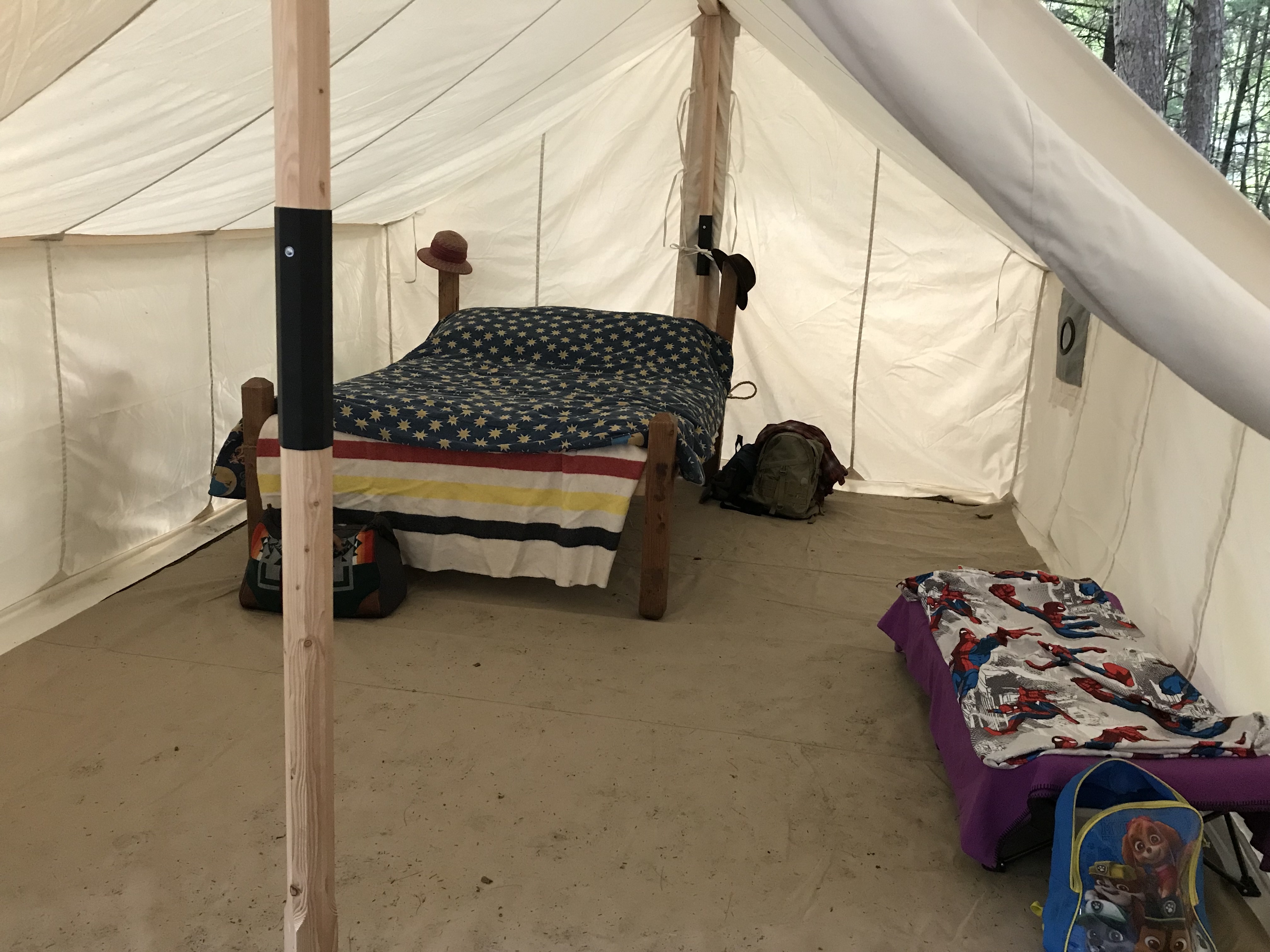
Credit: www.tentsmiths.com
How To Test Waterproof Flooring
If you want to check the waterproof quality of your tent floor, try these steps:
- Visual inspection: Look for cracks, holes, or thin spots.
- Water test: Pour water on the floor and check for leaks after 10–15 minutes.
- Touch test: Press down with your hand. If you feel dampness, the floor may not be fully waterproof.
Many campers overlook the importance of seams. Seams are where the floor meets the wall. If seams are not sealed, water can leak through. Always check that seams are taped or welded.
Practical Tips For Using Waterproof Flooring
Even the best waterproof floors need care. Here’s how to get the most from your tent:
- Use a footprint or extra groundsheet under the tent. This protects from sharp rocks and doubles waterproofing.
- Avoid setting up on low ground or near water. Choose higher, dry spots.
- Sweep away leaves and debris before pitching the tent.
- Patch any holes quickly with repair tape.
A common mistake is thinking all tent floors are equal. Cheaper tents may look good but use thin materials that tear easily. Investing in a tent with a strong floor saves money and trouble in the long run.

Credit: aquacosmetics.com
Waterproof Flooring Vs. Non-waterproof Flooring
Some tents have floors that are not fully waterproof. Here’s a comparison:
| Feature | Waterproof Floor | Non-Waterproof Floor |
|---|---|---|
| Rain Resistance | Excellent | Poor |
| Comfort | High | Low |
| Gear Protection | Yes | No |
| Maintenance | Easy | Requires extra care |
How To Choose The Best Tent Floor
When picking a tent, focus on these key points:
- Waterproof rating: Look for floors rated at least 3000mm for heavy rain.
- Material: PE and polyester are strong and long-lasting.
- Seams: Sealed seams prevent leaks.
- Bathtub design: Choose tents with raised floors for extra protection.
- Removable groundsheet: Useful for cleaning and repairs.
If you camp in areas with heavy rain or mud, a high waterproof rating and bathtub floor are must-haves. For dry climates, lighter materials may be enough.
Credit: www.alibaba.com
Real-world Examples
Many popular tents, like the MSR Hubba Hubba and Coleman Dome, use high-quality waterproof floors. These tents are trusted by experienced campers for their durability and dryness. For comparison, basic festival tents often use thin flooring and leak during storms. Investing in a better tent pays off in comfort and safety.
Some advanced tents now use eco-friendly materials for waterproofing. For example, certain brands use recycled polyester with TPU coatings. These offer good protection and help the environment.
Common Mistakes With Tent Flooring
Beginners often make these errors:
- Ignoring the floor when buying a tent.
- Not checking seam sealing.
- Using tents without a footprint on rough ground.
- Believing all tent floors are waterproof.
Remember, the floor is your barrier against wet, cold, and bugs. Check all details before your trip.
Frequently Asked Questions
What Does “bathtub Floor” Mean In A Tent?
A bathtub floor is when the tent floor material goes up the sides several inches, forming a “bathtub” shape. This stops water from getting in through the edges.
How Can I Improve My Tent’s Waterproof Floor?
You can use a footprint or extra groundsheet under your tent. Also, seal any gaps with repair tape, and avoid camping on wet ground.
What Waterproof Rating Is Best For Tent Flooring?
For most campers, a rating of 3000mm or higher is best. This protects against heavy rain and ground moisture.
Can I Repair A Torn Waterproof Tent Floor?
Yes, use tent repair tape or patches designed for waterproof materials. Make sure the area is clean and dry before applying.
Are All Tent Floors Waterproof?
No, some budget tents have floors that are only water-resistant. Always check the waterproof rating and seam sealing before buying.
Choosing the right tents waterproof flooring will keep you dry, comfortable, and safe on every adventure. Spend time checking materials, ratings, and designs before your trip. If you want to learn more about waterproof tent materials, visit Wikipedia for detailed information. With good flooring, you can relax and enjoy camping no matter the weather.
