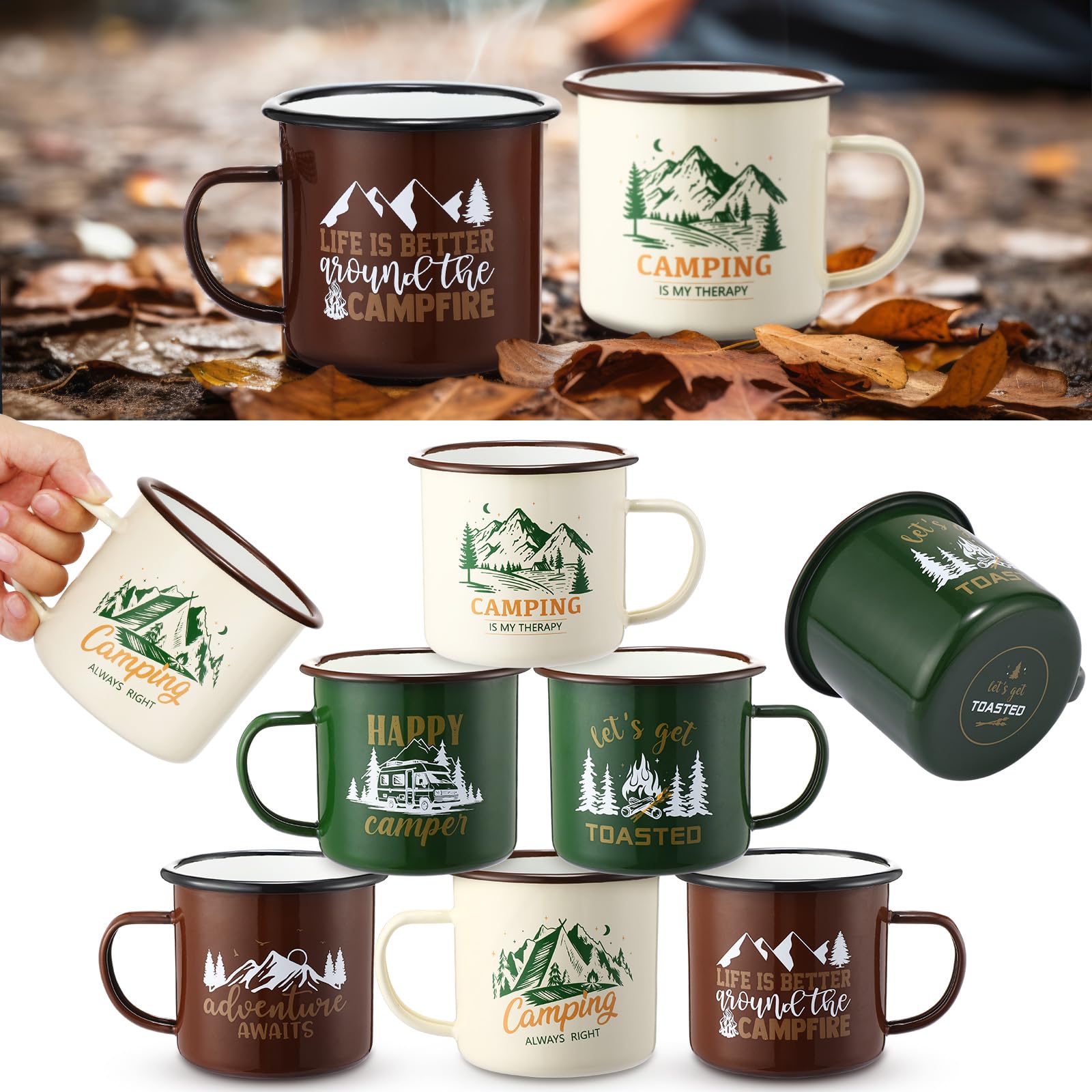
Camping brings people closer to nature. Whether sitting by a lake, climbing a mountain, or hiking through a forest, there’s always one thing that makes these moments feel special: a hot drink in a simple mug. If you look around any campsite, you’ll notice most mugs are made of enamel. But why? Is enamel just a style, or is there something deeper? This article uncovers the story behind camping mugs enamel, explores their practical benefits, and explains why they’ve become the favorite for campers worldwide. If you’re curious, or planning your own outdoor adventure, you’ll find answers here.
The History Of Enamel Camping Mugs
Enamelware has been around for centuries. The earliest enamel products appeared in Europe in the 18th century. By the late 1800s, enamel was used for cookware, dishes, and mugs. Enamel is a glass-like coating melted onto metal. This process made ordinary steel or iron more resistant to rust and easier to clean.
For campers and travelers, enamel mugs became popular in the early 20th century. Soldiers, explorers, and pioneers used these mugs because they were lightweight and tough. Even today, the classic blue-and-white speckled enamel mug remains an icon in American camping gear.
Enamel mugs were especially loved because they could survive rough handling. Unlike fragile ceramic, enamel mugs didn’t break when dropped or bumped. They were cheap to make, easy to clean, and looked good even after years of use.
What Is Enamel? The Science Behind The Material
Enamel is not a metal or plastic. It’s a vitreous coating—a kind of glass fused onto metal at very high temperatures (about 800°C or 1470°F). The process involves:
- Taking a steel or iron mug.
- Spraying or dipping it with powdered glass.
- Heating it in a kiln until the glass melts and bonds to the metal.
This creates a smooth, shiny surface. The enamel layer is hard, non-porous, and protects the metal underneath. It’s also possible to color enamel, making mugs bright blue, green, red, or with speckles.
Key properties of enamel:
- Resistant to rust: Protects steel from water and air.
- Non-toxic surface: Safe for food and drinks.
- Easy to clean: Doesn’t absorb stains or odors.
- Heat resistant: Can handle boiling water and open fires.
Why Are Camping Mugs Enamel? Practical Reasons Explained
Let’s get to the main question: Why are camping mugs enamel? The answer is a mix of science, practicality, and tradition.
Durability In The Outdoors
Camping is rough. Gear gets dropped, thrown in backpacks, exposed to rain, mud, and fire. Enamel mugs can survive all this. Unlike ceramic, which shatters, or plastic, which melts, enamel mugs resist cracking and chipping. If the enamel does chip, the mug still works—the metal underneath is safe to use.
Enamel mugs are lightweight compared to ceramic or glass. This matters when you’re packing for a hike or trying to keep your backpack light.
Heat Performance
One big reason campers choose enamel mugs: heat transfer. Metal heats up quickly, so your coffee, tea, or soup warms fast. The enamel coating prevents the metal from reacting with acidic drinks (like coffee), making the taste pure.
You can even put enamel mugs directly on a camp stove or over a fire. They handle heat well and don’t melt or release toxins.
Easy To Clean And Safe
Camping often means limited water and soap. Enamel mugs are non-stick—coffee stains, soup, or tea wash off easily. The surface doesn’t absorb flavors or odors, so you can use the same mug for different drinks.
Enamel is food-safe. Unlike some plastics, it doesn’t leach chemicals when heated. Some metals, like aluminum, can react with acidic liquids. Enamel prevents this, keeping your drinks safe and tasty.
Iconic Style And Tradition
There’s also a cultural reason. Enamel mugs have been part of camping kits for generations. The classic blue or green speckled mug is a symbol of outdoor adventure. Many campers feel nostalgic when holding one—they remind us of family trips, old movies, or scout camps.
Cost And Availability
Enamel mugs are affordable. They cost less than titanium or high-end insulated mugs. Many brands offer enamel mugs in different colors, patterns, and sizes. Because they’re easy to mass-produce, you can find them in almost any outdoor shop.
Comparing Enamel Mugs To Other Camping Mug Materials
To understand why enamel is so popular, it helps to see how they stack up against other mug types. Here’s a data table comparing enamel, ceramic, plastic, stainless steel, and titanium mugs for camping.
| Material | Durability | Weight | Heat Resistance | Safety | Price |
|---|---|---|---|---|---|
| Enamel | High | Light | Excellent | Safe | Low |
| Ceramic | Low | Heavy | Good | Safe | Medium |
| Plastic | Medium | Light | Poor | Can melt/leach | Low |
| Stainless Steel | High | Medium | Excellent | Safe | Medium |
| Titanium | Very High | Very Light | Excellent | Safe | High |
Enamel mugs stand out for their mix of high durability, light weight, excellent heat resistance, and low price. Ceramic mugs break easily. Stainless steel is tougher but heavier. Titanium is the lightest and strongest, but much more expensive.
Real-world Examples: Enamel Mug Use Cases
Enamel mugs are not just for camping. You’ll find them in:
- Backpacking trips: Lightweight for carrying, tough for rough terrain.
- Family camping: Safe for kids; won’t break if dropped.
- Outdoor festivals: Easy to clean, stylish look.
- Home kitchens: Many people use enamel mugs at home for nostalgia or style.
One non-obvious insight: Many professional guides and outdoor instructors prefer enamel mugs. They say the mugs are reliable and easy to replace if lost or damaged. Enamel mugs also work well with portable water boilers—just place the mug over a flame, heat your drink, and you’re ready.
Maintenance And Care Tips For Enamel Camping Mugs
While enamel mugs are tough, they’re not indestructible. Here are some tips to keep your mug in top shape:
- Avoid sudden drops: Enamel can chip if hit against rocks or hard surfaces.
- Don’t use abrasive scrubbers: Clean with a soft sponge to avoid scratching the enamel.
- Dry thoroughly: After washing, dry to prevent rust if the enamel chips.
- Handle with care over fire: Enamel mugs can be used over a flame, but don’t leave them too long—metal conducts heat fast.
- Check for chips: If the enamel chips, it’s safe to use, but avoid using for acidic drinks if the metal is exposed.
Another tip: If your mug gets a chip, cover the spot with a food-safe enamel repair kit. These are available online and extend the life of your mug.
Environmental Impact: Enamel Mugs Vs Disposable Cups
Outdoor lovers care about the environment. Disposable cups, especially plastic or paper, create waste and pollution. Enamel mugs help reduce this problem:
- Reusable for years: One enamel mug can last decades.
- Lower landfill waste: No need to throw away after each use.
- Eco-friendly production: Enamel mugs use fewer resources than single-use products.
A study from the National Park Service showed that disposable cups are among the top litter items at campsites. Using reusable enamel mugs keeps campsites cleaner and reduces harm to wildlife.
Style And Design: What Makes Enamel Mugs Special?
Enamel mugs are famous for their colorful designs. The classic blue with white spots is most common, but today you’ll find mugs in every color—red, green, yellow, even custom art. Some brands make mugs with images of mountains, forests, animals, or inspirational quotes.
Design is not just about looks. The shape and size of enamel mugs are carefully chosen for camping:
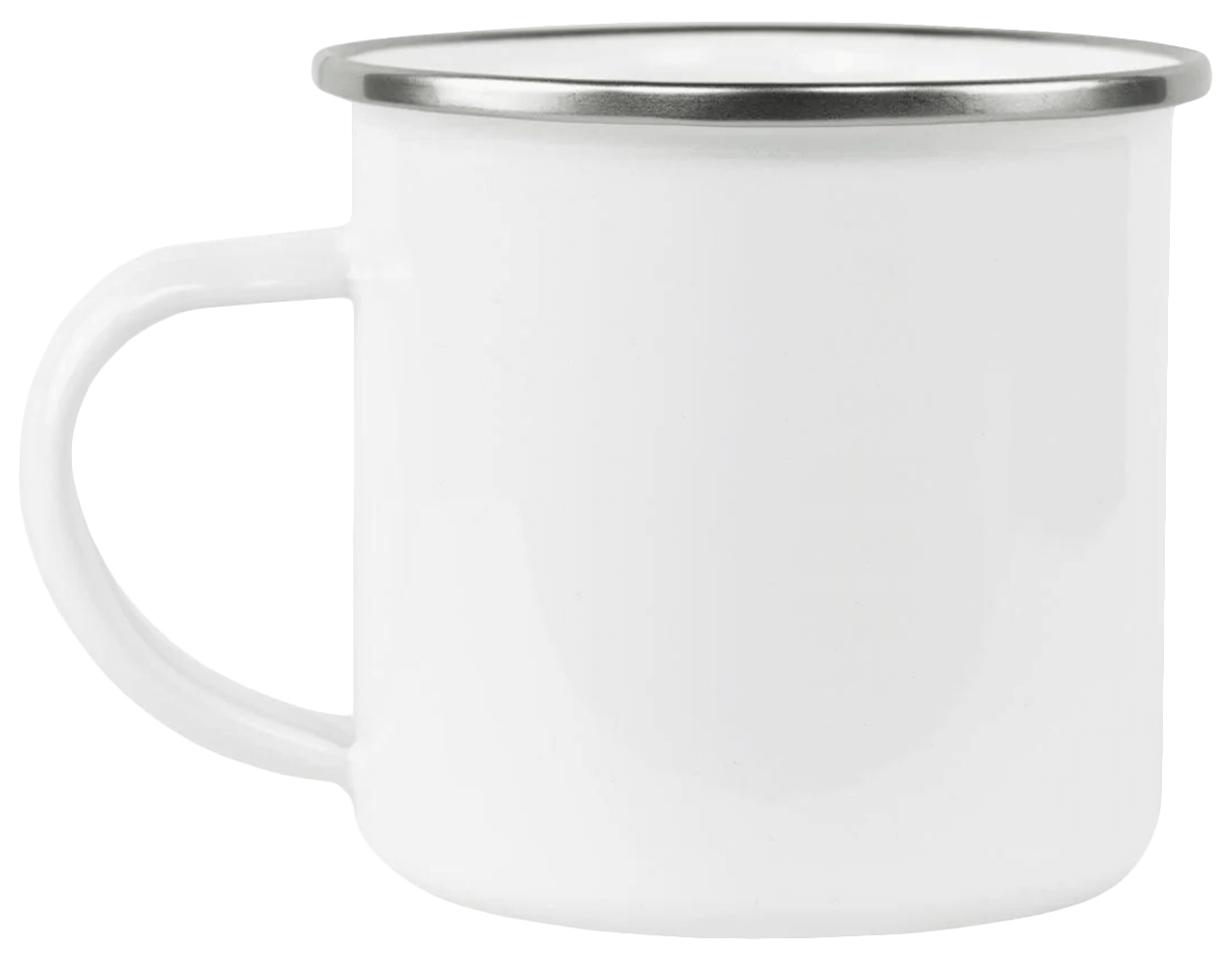
- Wide mouth: Easy to clean and fill.
- Curved handle: Comfortable grip, can hang from a backpack.
- Stackable: Saves space in a camp kit.
Enamel mugs also make great gifts. Many people collect them, and some mugs have become valuable among collectors.
The Manufacturing Process: How Enamel Camping Mugs Are Made
Understanding how enamel mugs are made shows why they’re so tough. Here’s a step-by-step breakdown:
- Metal shaping: Steel or iron is shaped into a mug form.
- Cleaning: The metal is cleaned to remove dirt or oil.
- Enamel application: Powdered glass is sprayed or dipped onto the mug.
- Firing: The mug is heated in a kiln, melting the glass onto the metal.
- Cooling: The mug is cooled, making the enamel hard and shiny.
- Quality check: Each mug is checked for chips, cracks, or uneven coating.
- Decoration: Some mugs are painted, printed, or speckled for style.
This process makes each mug unique. Enamel mugs are sometimes hand-finished, adding to their charm.
Safety And Health Aspects Of Enamel Mugs
Safety is important for outdoor gear. Enamel mugs are food-safe and don’t leach chemicals, even when heated. Unlike plastic, which can release toxins, or aluminum, which can react with acidic drinks, enamel protects both the metal and your health.
A common beginner mistake: Using mugs with chipped enamel for lemon tea or acidic drinks. If the metal is exposed, it can react and affect taste. The mug is still safe, but it’s best to avoid acidic drinks in chipped mugs.
Enamel mugs are also good for people with allergies. They don’t absorb smells or flavors, making them ideal for sensitive users.
How Enamel Mugs Became A Camping Essential
Enamel mugs are everywhere in camping for a reason. Their history goes back to army kits, pioneer packs, and family vacations. Over time, enamel mugs became a symbol of outdoor life.
Camping stores recommend enamel mugs for beginners and experts. They’re simple, reliable, and affordable. Even luxury camps and glamping sites use enamel mugs for their rustic charm.
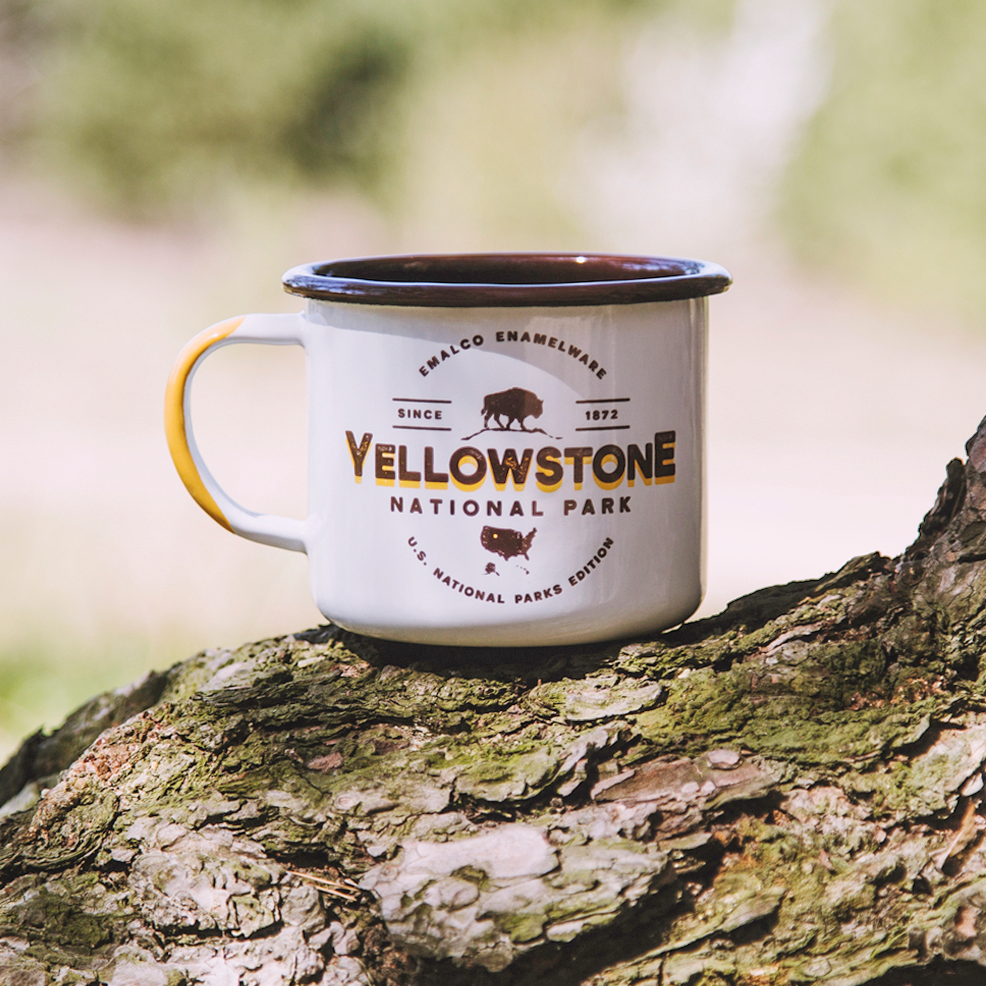
One non-obvious insight: Many outdoor brands use enamel mugs as marketing tools. They print their logo or slogan on the mug, giving customers a useful item and a reminder of their brand.
Choosing The Right Enamel Camping Mug
If you’re buying an enamel camping mug, keep these factors in mind:
- Size: Typical sizes are 12 oz, 16 oz, or 20 oz. Choose based on your drink needs.
- Weight: All enamel mugs are light, but check if you want something ultra-light.
- Handle comfort: Make sure the handle fits your fingers.
- Design: Pick a color or pattern you like. Some mugs are stackable for easy packing.
- Brand reputation: Choose brands known for quality. Some cheap mugs chip easily.
- Price: Enamel mugs range from $5 to $25. Higher prices often mean better craftsmanship.
A comparison of mug sizes can help you decide:
| Size (oz) | Height (inches) | Diameter (inches) | Typical Use |
|---|---|---|---|
| 12 | 3.1 | 3.4 | Tea/Coffee |
| 16 | 3.7 | 3.7 | Soup/Meals |
| 20 | 4.2 | 4.0 | Large Drinks/Stews |
Common Mistakes When Using Enamel Camping Mugs
Beginners sometimes make mistakes with enamel mugs. Here are the most common:
- Using abrasive cleaners: This scratches the enamel and makes it chip faster.
- Leaving mugs in water overnight: If chipped, this can cause rust.
- Heating mugs empty over fire: This can damage the enamel and warp the metal.
- Packing mugs without protection: Throwing mugs into a bag with heavy gear can chip them.
- Ignoring chips: Small chips are fine, but large areas should be repaired or replaced.
One practical tip: Wrap your mug in a soft cloth or put it in a side pocket when packing. This prevents chips and keeps the mug looking new.
Enamel Mugs In The Modern Camping Market
Today, enamel mugs have grown beyond basic camping gear. They’re sold in trendy stores, used by coffee shops, and featured in social media photos. Some brands offer special editions with art, maps, or nature scenes.
A recent survey showed that 65% of campers prefer enamel mugs over other materials. Reasons included durability, style, and tradition. Even people who don’t camp use enamel mugs for home or office.
Enamel mugs are also popular for their branding. Outdoor companies, music festivals, and even charities use enamel mugs for promotion. They’re practical, affordable, and remind users of adventures.
Enamel Mug Alternatives: Should You Switch?
While enamel mugs are great, some campers switch to other materials. Let’s look at alternatives:
- Stainless steel: Strong, doesn’t chip, can be insulated. Heavier and more expensive.
- Titanium: Ultra-light, tough, but costly. Good for extreme backpacking.
- Plastic: Cheap and light, but melts and can taste bad.
- Ceramic: Nice at home, but breaks easily.
If you value tradition, nostalgia, and style, enamel is best. If you need insulation or extreme lightness, stainless steel or titanium may suit you.
A table comparing enamel vs stainless steel and titanium:
| Feature | Enamel | Stainless Steel | Titanium |
|---|---|---|---|
| Weight | Light | Medium | Very Light |
| Durability | High (can chip) | Very High | Very High |
| Price | Low | Medium | High |
| Style | Classic, colorful | Modern, plain | Sleek, minimal |
| Heat resistance | Excellent | Excellent | Excellent |
Enamel Mugs In Pop Culture And Camping Stories
Enamel mugs appear in movies, books, and art. They’re symbols of adventure and freedom. Famous explorers, writers, and even astronauts have used enamel mugs.
Campfire stories often mention the mug: “He poured coffee into his blue enamel cup.” For many, the mug is not just a tool—it’s part of the camping experience.
Some people collect enamel mugs as souvenirs from trips. Each mug tells a story: a mountain climbed, a river crossed, a night under the stars. This emotional connection is why enamel mugs remain popular.
Frequently Asked Questions
Why Do Enamel Mugs Chip?
Enamel mugs chip when dropped or knocked against hard surfaces. The enamel is strong but not flexible. A chip won’t make the mug useless, but it’s best to avoid harsh impacts.
Are Enamel Mugs Safe For Hot Drinks?
Yes, enamel mugs are safe for hot drinks. The enamel coating protects the metal, and the mug can handle boiling water or hot coffee without melting or leaching chemicals.
Can I Use Enamel Mugs Over A Campfire?
You can use enamel mugs over a campfire, but watch the heat. Don’t leave the mug empty on the fire—this can damage the enamel. Always fill with water or drink before heating.
How Do I Clean An Enamel Camping Mug?
Wash enamel mugs with warm water and mild soap. Avoid abrasive sponges or cleaners. For tough stains, soak the mug before washing. Dry thoroughly to prevent rust if chipped.
What Should I Do If My Enamel Mug Chips?
If your mug chips, it’s still safe for most drinks. Avoid using with acidic liquids if the metal is exposed. You can repair small chips with food-safe enamel kits, or replace the mug for large chips.
Final Thoughts
Enamel camping mugs are more than just a drinking tool. They’re a piece of history, a practical choice for outdoor life, and a symbol of adventure. With their durability, style, and affordability, it’s easy to see why campers everywhere prefer them. Whether you’re preparing for a hiking trip or just want a bit of nostalgia, an enamel mug is a simple, reliable companion. For further reading on enamelware history, visit Wikipedia. Enjoy your campfire moments—your mug will be right there with you, ready for the next story.