
Rain can quickly turn your fun camping trip into a soggy, uncomfortable mess. But don’t let wet weather ruin your outdoor plans.
When you know what to do when tent camping in the rain, you can stay dry, safe, and even enjoy the soothing sounds of raindrops around you. You’ll discover simple, practical tips to keep your gear protected, your tent cozy, and your spirits high—even when the skies open up.
Ready to turn rainy camping into a great adventure? Keep reading!
Credit: thimbleandtwig.com
Preparing For Rainy Camping
Preparing for rainy camping means planning carefully to stay dry and comfortable. Rain can spoil your trip if you are not ready. Good preparation helps you enjoy nature without the wet and cold.
Start by choosing the right tent. Bring gear that protects you from rain. Pack clothes that keep you warm and dry.
Choosing The Right Tent
Pick a tent with strong waterproof fabric and sealed seams. Look for a rainfly that covers the whole tent. A tent with a bathtub floor keeps water out. Make sure the tent is easy to set up fast. Ventilation is important to stop inside moisture.
Essential Rain Gear
Bring a sturdy tarp or groundsheet to place under your tent. Carry extra stakes to secure your tent in wind and rain. A rain cover for your backpack keeps your things dry. Pack a small umbrella or rain poncho for quick rain breaks. Waterproof bags help protect electronics and important items.
Packing Waterproof Clothing
Choose a waterproof jacket with a hood. Wear quick-dry pants and shirts. Avoid cotton; it stays wet and cold. Pack extra socks and shoes that dry fast. Bring a warm hat and gloves for cold rain. Layer your clothes to stay warm and dry all day.
Setting Up Camp In Wet Conditions
Setting up camp in wet conditions can be tricky. Rain makes the ground soft and slippery. Wet gear and clothes can make you cold and uncomfortable. Taking the right steps helps keep you dry and warm. It also protects your tent and gear from damage. Here are simple tips to set up camp safely in the rain.
Selecting A Dry Campsite
Find a spot with good drainage. Avoid low areas where water collects. Look for higher ground or a slight slope. Stay away from riverbanks or stream edges. Check for rocks or roots that can block water flow. Clear leaves and debris to create a flat surface. Choose a place with natural wind protection like trees or bushes.
Pitching The Tent Properly
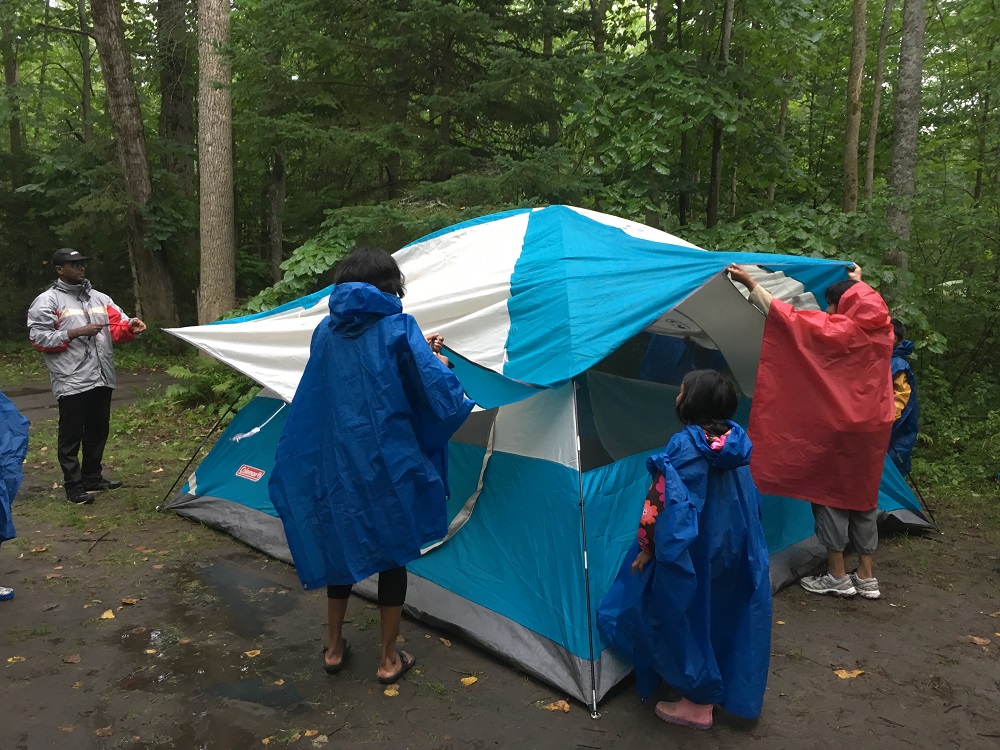
Stretch the tent tight to avoid sagging. Use all the stakes and guylines to secure it. Point the tent door away from the wind. Make sure the rainfly covers the tent fully. Keep the tent floor clean and dry. Lay a ground tarp under the tent but keep it inside the edges. This stops water from pooling under the tent.
Creating A Rainproof Shelter
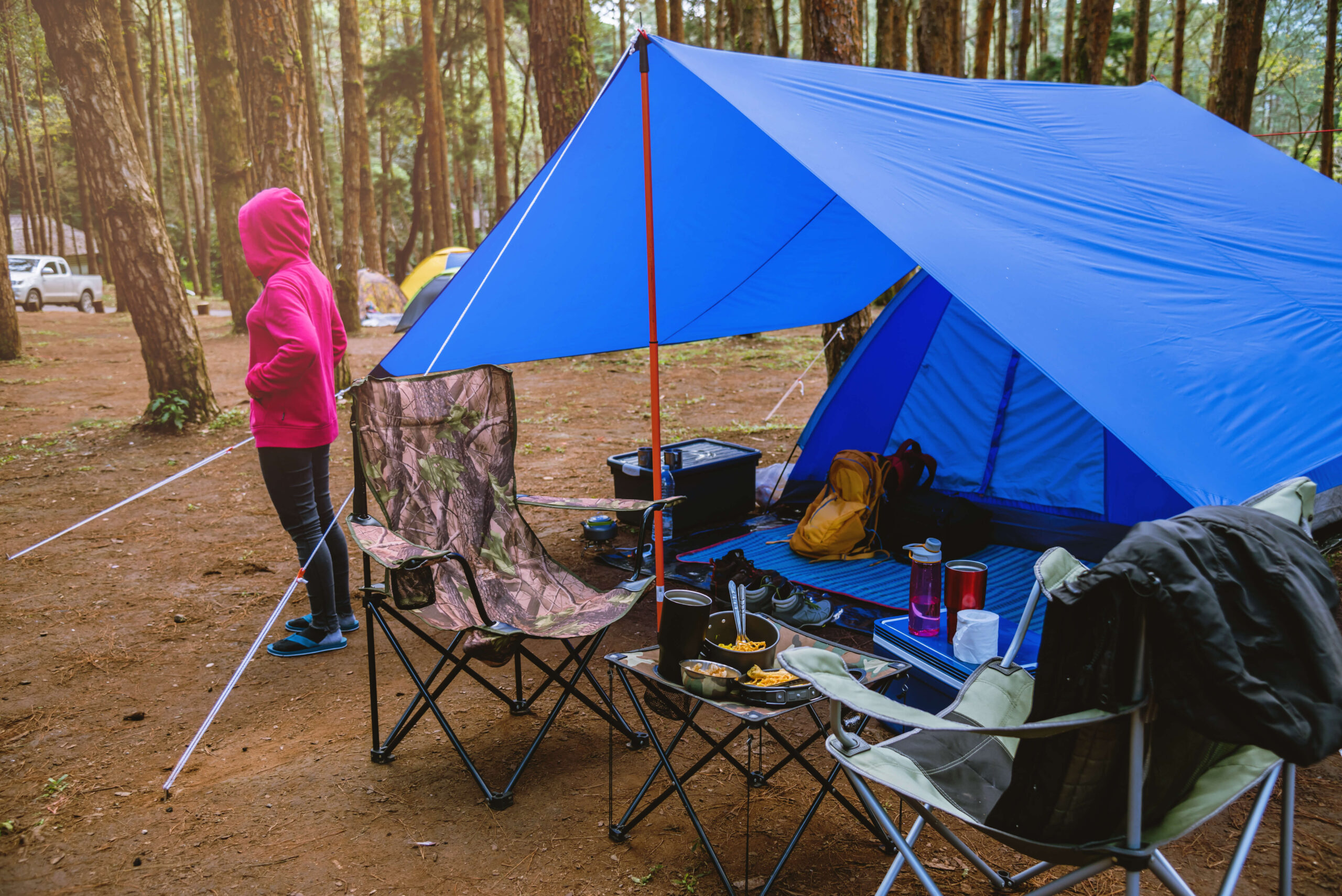
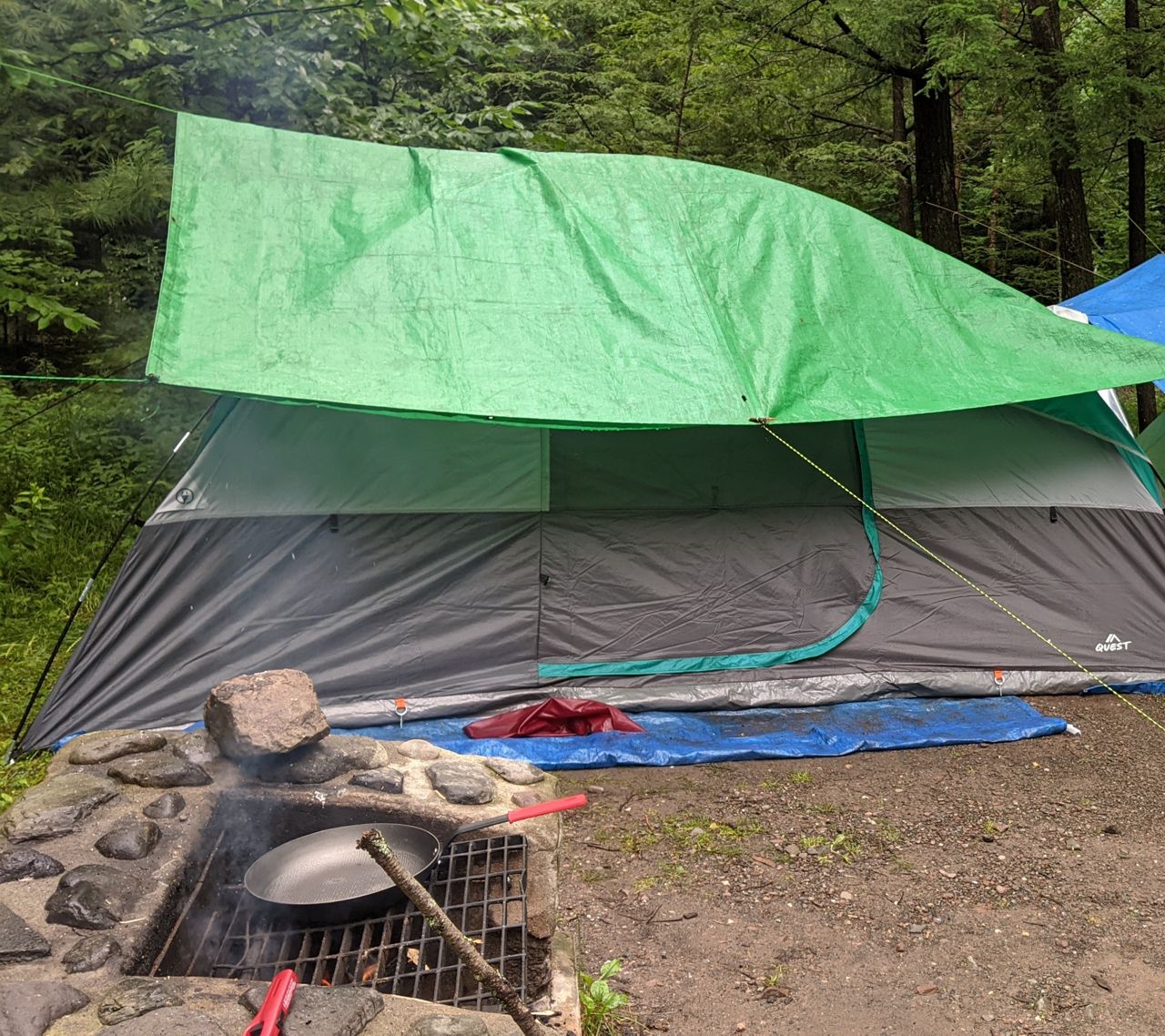
Set up a tarp above your tent or cooking area. Angle it so water runs off quickly. Use strong ropes and secure the tarp well. Leave space between the tarp and tent for airflow. This reduces condensation inside the tent. Build a small trench around your tent to guide water away. Keep gear in waterproof bags or under the shelter.
Staying Dry Inside The Tent
Staying dry inside the tent is crucial during rainy camping trips. A wet tent can make the entire experience uncomfortable and cold. Simple steps help keep moisture out and create a cozy shelter. Focus on organizing gear, managing condensation, and using ground tarps well. These methods reduce dampness and protect your belongings.
Organizing Gear To Avoid Moisture
Keep wet and dry items separate inside the tent. Store wet clothes in waterproof bags or containers. Place dry gear on a raised platform or in mesh pockets. Avoid clutter to improve air flow. Pack only essentials to reduce space for moisture. This organization helps stop water from spreading inside.
Managing Condensation
Condensation forms when warm air meets cold tent walls. Open vents or windows slightly to allow air circulation. Avoid cooking or breathing too close to tent walls. Use a small towel to wipe down wet spots. Keep sleeping bags and clothes dry by airing them out each day. Good ventilation lowers moisture build-up inside.
Using Ground Tarps Effectively
Place a ground tarp under the tent floor for extra protection. Make sure the tarp is smaller than the tent footprint. This prevents water from pooling under the tent edges. Check that the tarp lays flat and does not block drainage. A well-placed tarp stops water from seeping up. It also adds an extra dry layer beneath your tent.
Cooking And Eating In The Rain
Cooking and eating while tent camping in the rain can be a challenge. Rain makes fire tricky and keeps food wet. Staying dry and warm helps keep spirits high. Planning simple meals and safe cooking methods makes a big difference. Here are some tips to help with cooking and eating in wet weather.
Safe Cooking Options
Use a camping stove with a windscreen to shield flames. Avoid open fires during heavy rain. A gas or propane stove works well in wet conditions. Place the stove under a tarp or rainfly for extra cover. Never cook inside the tent; it is dangerous. Keep a safe distance from tents and gear. Always have water or a fire extinguisher nearby.
Keeping Food Dry
Store food in sealed containers or plastic bags. Use waterproof bags for bread, snacks, and dry goods. Keep all food inside the tent or a dry bag when not cooking. Prepare meals on a covered table or under a canopy. Avoid placing food directly on wet ground. Dry your hands before handling food to prevent sogginess.
Managing Fire And Heat
Build small fires with dry kindling if allowed. Collect wood from under trees or covered areas. Use fire starters to help light damp wood. Shield the fire with rocks or a tarp frame. Keep the fire small to control smoke and heat. Always fully extinguish the fire before sleeping or leaving camp.
Activities During Rainy Weather
Rainy weather does not mean your camping trip has to be boring. There are many fun activities to enjoy while staying dry. These activities keep your spirits high and make the time pass quickly. You can relax, play, or explore safely without getting soaked.
Indoor And Tent Games
Playing games inside the tent brings everyone together. Card games and board games fit well in small spaces. Try word games or quizzes to challenge each other. These games create laughter and good memories. Keep a small bag of travel games ready for rainy days.
Short Rain-friendly Hikes
Some hikes stay safe during light rain. Choose trails with good drainage and solid paths. Wear waterproof boots and rain jackets to stay dry. Walking in the rain feels fresh and peaceful. Always check the weather and avoid slippery or steep trails.
Reading And Relaxing
Rain sounds make a perfect backdrop for reading. Bring a favorite book or a new magazine. Use this time to relax and enjoy quiet moments. A cozy blanket and a warm drink help create comfort. Resting in the tent recharges your energy for outdoor fun later.
Credit: blog.ontarioparks.ca
Handling Safety And Health
Camping in the rain requires extra care for safety and health. Wet and cold conditions can lead to serious problems. Staying dry and warm protects your body. Knowing how to handle common issues helps you enjoy your trip safely.
Preventing Hypothermia
Hypothermia happens when your body loses heat too fast. It can be dangerous in rainy weather. Dress in layers to keep warm. Use waterproof jackets and pants. Stay dry by changing out of wet clothes quickly. Keep moving to generate body heat. Avoid sitting on cold, wet ground. Drink warm fluids to maintain your temperature.
Dealing With Wet Clothing
Wet clothes cause discomfort and raise cold risks. Carry extra clothing in waterproof bags. Change into dry clothes at the first sign of wetness. Use towels or cloths to dry skin and clothes. Avoid tight clothes that trap moisture. If drying outside is hard, use body heat or a campfire. Keep your feet dry to prevent blisters and infections.
First Aid Tips
Rainy camping increases the chance of cuts and slips. Clean wounds immediately with clean water. Use antiseptic wipes or solutions if available. Cover wounds with waterproof bandages to keep dirt out. Watch for signs of infection like redness or swelling. Carry a basic first aid kit on every trip. Know how to treat cold-related issues such as frostbite or hypothermia.
Packing Up After Rain
Packing up after a rainy camping trip needs care and attention. Wet gear can cause problems if stored without drying. Taking time to prepare your equipment helps keep it in good shape for future trips.
Start by handling wet tents, clothes, and sleeping bags with care. Mud and water can damage fabric and cause bad smells. Proper cleaning and drying prevent damage and save money on replacements.
Drying Gear Before Storage
Always dry your tent and camping gear before packing. Spread the tent out in the sun or a dry place. Air dry sleeping bags and clothes. Use a towel to remove extra water quickly. Avoid folding wet items, which trap moisture and cause mold.
Cleaning Muddy Equipment
Remove mud from boots, backpacks, and tools before storage. Use a brush or cloth to wipe off dirt. Clean sticky mud with water if needed. Let everything dry fully after cleaning. Dirty gear left wet can wear out faster.
Preventing Mold And Mildew
Store gear in a dry, cool place to stop mold growth. Use moisture absorbers or silica packs in storage bags. Open bags occasionally to let air circulate. Check stored items regularly for any signs of mildew. Proper care keeps gear fresh and ready.
Credit: spectrumlocalnews.com
Frequently Asked Questions
How Do I Keep My Tent Dry During Rain Camping?
Use a waterproof tent with a rainfly. Set up on high, dry ground. Seal seams and use a ground tarp. Avoid water pooling near your tent. Ventilate to reduce condensation inside.
What Gear Is Essential For Rainy Tent Camping?
Bring a rain jacket, waterproof boots, and quick-dry clothes. Use a waterproof backpack cover. Carry extra dry bags for electronics and food. Pack absorbent towels and a compact tarp for shelter.
How Can I Prevent Water From Entering My Tent?
Choose a site above water flow paths. Use a footprint or tarp under the tent. Secure rainfly tightly and angle it for runoff. Seal zippers and close all vents during heavy rain.
What Activities Are Safe During Rain Tent Camping?
Enjoy board games, reading, or storytelling inside the tent. Explore nearby shelters or covered areas. Use waterproof gear for short hikes. Avoid lightning or flooded trails for safety.
Conclusion
Rainy tent camping can be fun with the right steps. Keep your tent dry and your gear safe. Stay calm and enjoy nature’s sounds. Wear waterproof clothes to stay warm and dry. Plan activities that work in the rain. Remember, rain won’t ruin your trip if you are prepared.
Being ready helps you relax and enjoy camping. Rainy days bring a different kind of adventure. Embrace the weather and make good memories outdoors.
