
Are you planning an outdoor event or a camping trip and wondering whether to choose a tent or a canopy? Knowing the difference between these two can make a big impact on your comfort, protection, and overall experience.
You might think they’re quite similar, but each serves a unique purpose and offers different benefits. You’ll discover exactly what sets a tent apart from a canopy, so you can make the best choice for your next adventure or gathering.
Keep reading to find out which one suits your needs perfectly!

Credit: kittrichcanopy.com
Key Features Of Tents
Tents are popular outdoor shelters. They protect people from weather and insects. Understanding their key features helps choose the right one.
Tents come in many shapes and sizes. Each design serves a different purpose. Knowing the basics of tents helps users pick the best fit for their needs.
Structure And Design
Tents usually have a frame made of poles. These poles hold the fabric tight. The shape can be dome, A-frame, or cabin style.
They have walls and a roof made of fabric. Some tents include mesh windows for air flow. Doors often zip open and closed.
Materials Used
Most tents use polyester or nylon fabric. These materials dry quickly and resist tears. Poles are often made from aluminum or fiberglass.
The floor is thicker to stop water from entering. Some tents have waterproof coatings. This keeps users dry during rain.
Common Uses
Tents are great for camping trips. They offer shelter in forests, mountains, and parks. Some tents work well for festivals and backyard fun.
People use tents for hiking or long stays outdoors. They provide privacy and protection from bugs. Tents are easy to carry and set up.
Key Features Of Canopies
Canopies offer simple shelter and shade. They differ from tents in many ways. Understanding their key features helps you choose the right option for your needs.
Structure And Design
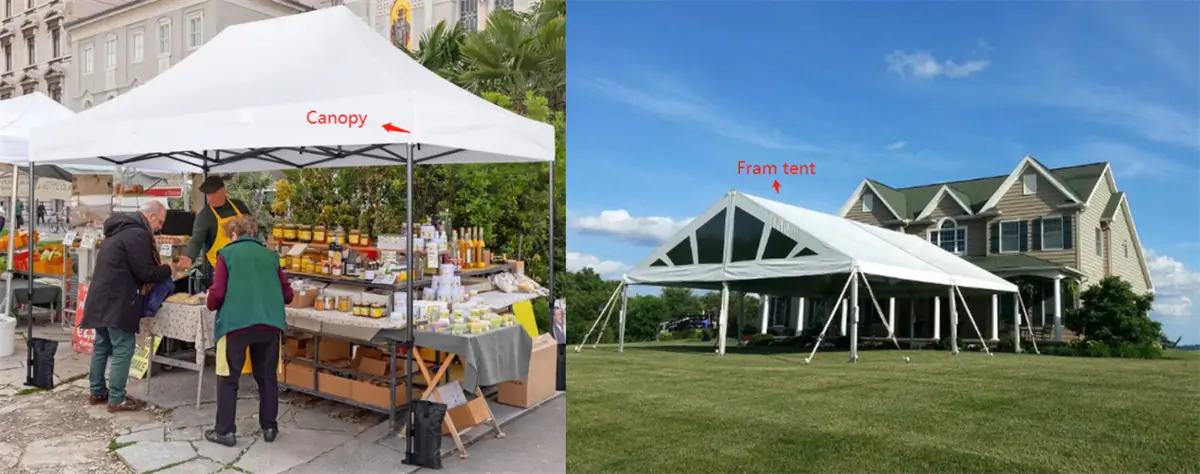
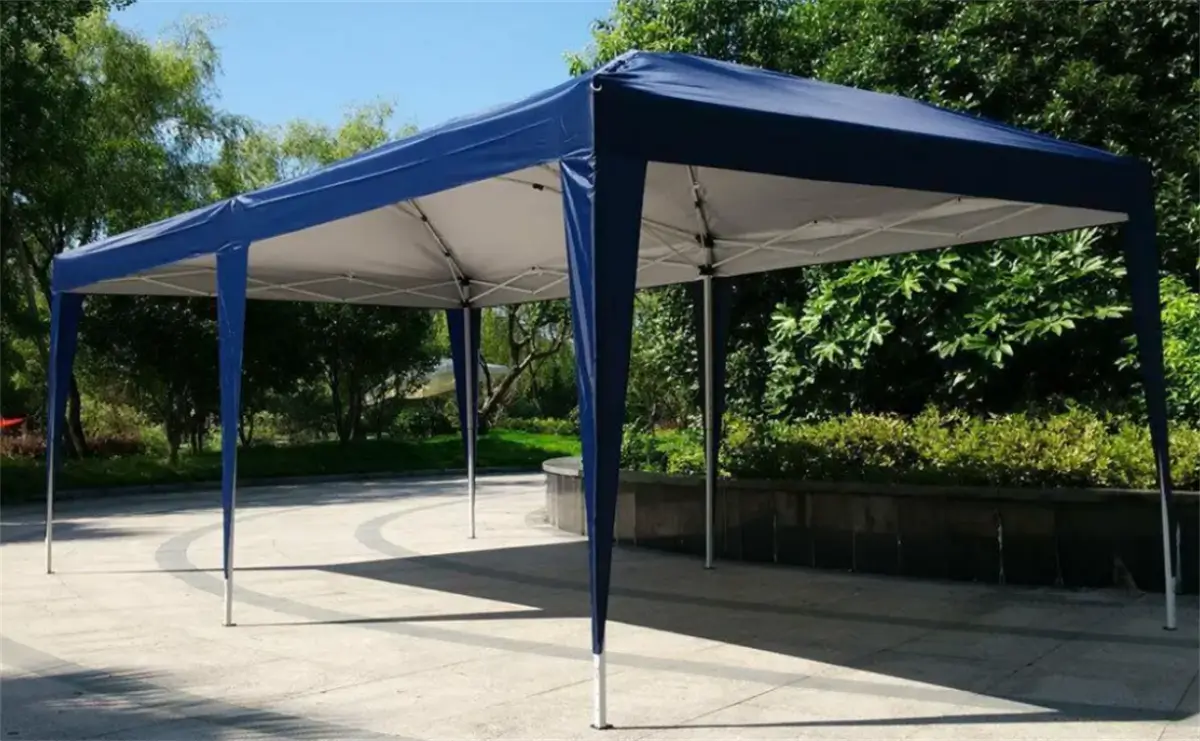
Canopies usually have an open design with no walls. They use a frame to hold up a roof or cover. The frame is often made of metal or plastic. This design lets air flow freely underneath. Easy to set up and take down. Portable and lightweight, ideal for quick shelter.
Materials Used
Canopy covers are often made from polyester or nylon fabric. These materials resist water and sun damage. The frame is typically steel or aluminum for strength. Fabric often has a coating to improve durability. Materials focus on weather protection and lightweight use.
Common Uses
Canopies are perfect for outdoor events and parties. They provide shade at picnics or beach trips. Also used at markets and fairs for vendor stalls. Popular for backyard gatherings and sports events. Great for short-term shelter in many settings.
Comparing Functionality
Understanding the functionality of tents and canopies helps you choose the right shelter. Both offer protection and space but serve different purposes. Their design and features affect how well they work for your needs.
Weather Protection
Tents provide full coverage from wind, rain, and insects. They have walls and a floor to keep you dry and safe. Canopies mainly offer shade and some rain protection. They do not protect against wind or bugs well. Tents are better for harsh weather conditions.
Portability And Setup
Tents usually need more time and effort to set up. They have poles, stakes, and sometimes extra parts. Canopies are easier to set up quickly. Most canopies fold up into a small package for easy transport. If you want fast setup, canopies are more convenient.
Capacity And Space
Tents enclose space fully and fit fewer people comfortably. They are good for sleeping or private use. Canopies provide open space underneath for many people. They work well for gatherings, picnics, or outdoor events. Choose tents for privacy and canopies for open area.
Credit: www.shelter-structures.com
Choosing Between Tent And Canopy
Choosing between a tent and a canopy depends on your specific needs. Both provide shelter but serve different purposes. Understanding these differences helps you pick the right option for your event or activity.
Event Type
Tents are best for events needing full coverage. They protect from rain, wind, and sun. Canopies offer open sides and shade. They suit casual gatherings or short outdoor use. Think about how much protection your event requires.
Budget Considerations
Canopies usually cost less than tents. They are simpler to set up and take down. Tents often need more materials and time. Your budget can guide your choice between the two. Choose what fits your financial plan without sacrificing quality.
Durability Needs
Tents provide strong protection against weather. They use heavier materials and sturdy frames. Canopies offer lighter shelter and less wind resistance. For long-term or rough weather use, tents last longer. Consider how often and where you will use the shelter.
Maintenance Tips
Proper care keeps your tent or canopy in good shape longer. Maintenance helps avoid damage and costly repairs. Simple steps can protect your investment and improve safety.
Cleaning And Storage
Clean your tent or canopy after every use. Remove dirt, leaves, and any stains with mild soap and water. Avoid harsh chemicals that can damage fabric or coatings. Let it dry completely before folding to stop mold growth. Store in a cool, dry place away from sunlight. Use a bag or container that allows air circulation. Proper storage prevents tears and fabric weakening.
Repair And Longevity
Check your tent or canopy for holes or tears regularly. Small rips can be fixed with patch kits or fabric glue. Tighten loose seams and replace broken poles or parts quickly. Fixing problems early stops them from getting worse. Use seam sealer to protect stitches from water leaks. Regular maintenance extends the life of your gear and keeps it reliable.
Credit: www.shelter-structures.com
Frequently Asked Questions
What Is The Main Difference Between A Tent And A Canopy?
A tent is fully enclosed with walls and a roof, offering privacy and weather protection. A canopy has an open design with only a roof, providing shade but less shelter from wind or rain.
Are Tents Better For Camping Than Canopies?
Yes, tents are better for camping because they offer full protection from weather and insects. Canopies are mainly for shade during outdoor events, not overnight stays.
Can Canopies Be Used In Rainy Weather?
Canopies provide limited rain protection since they have no walls. They can shield from light rain but are less effective in heavy rain or wind compared to tents.
Which Is Easier To Set Up, A Tent Or A Canopy?
Canopies are generally easier and quicker to set up due to their simpler design. Tents require more time and effort because of poles, stakes, and enclosed walls.
Conclusion
Tents and canopies serve different needs outdoors. Tents offer full shelter and privacy. Canopies provide shade and open space. Choosing depends on your activity and weather. Both have unique benefits to enjoy outside. Understanding their differences helps you prepare better.
Use this knowledge to pick what fits best. Stay comfortable and protected on every trip. Simple choices make outdoor time more fun.
