
Are you thinking about renting a house but unsure when the best time is to start your search? Timing can make a big difference in finding the perfect home at the right price.
Knowing when to rent can save you money, reduce stress, and give you more options to choose from. You’ll discover the key times to look for a rental, what to watch out for, and how to make your move smooth and affordable.
Keep reading—you’re about to learn how to get the most out of your next rental experience.
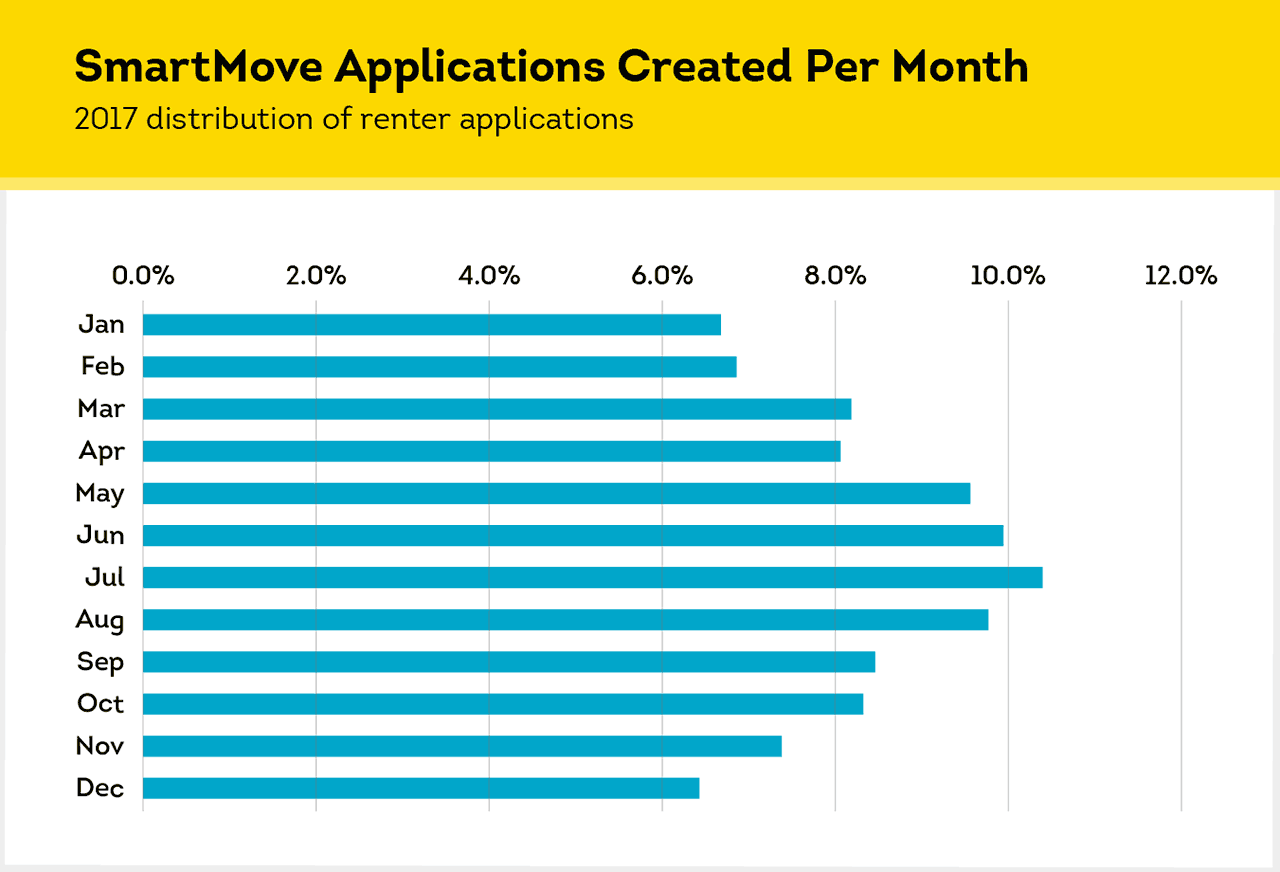
Credit: www.mysmartmove.com
Factors Influencing Rental Prices
Rental prices change due to many factors. Understanding these helps renters find the best deals. Prices depend on time, place, and the economy. Knowing what affects costs can save money and stress.
Seasonal Demand Fluctuations
Rental prices rise in busy seasons. Summer often sees more renters moving. Many families prefer to move during school breaks. Demand goes down in winter, lowering prices. Landlords may reduce rent to attract tenants then.
Local Market Trends
Each city or neighborhood has its own rental trends. Some areas grow quickly, raising rent prices. Others may have many homes, causing lower prices. New developments or jobs nearby affect demand. Checking local trends helps find fair prices.
Economic Conditions
The economy impacts rental costs. When jobs are many, more people rent homes. This increases rental prices. During a recession, fewer people rent. Landlords often lower rent to fill homes. Interest rates and inflation also influence rent.
Credit: www.truedoorpm.com
Ideal Months To Rent
Choosing the right time to rent a house can save money and stress. Different months bring different benefits. Seasons affect prices, availability, and competition. Knowing the ideal months helps renters find better deals and options. Below are the main advantages of renting during different seasons.
Advantages Of Renting In Winter
Winter is the slow season for rentals. Fewer people search for homes, so competition is low. Landlords may lower rent to fill empty houses. You can take time to visit many places. Moving in cold weather can be tough but prices are often cheaper. Deals are easier to find during winter months.
Benefits Of Spring And Fall Rentals
Spring and fall offer a balance between supply and demand. More homes become available in spring as people move for work or school. Fall renters face less competition than summer. Weather is mild, making moving easier. These seasons give more choices and moderate prices. It is a good time for families and students.
Summer Rental Considerations
Summer is the busiest rental season. Many families move when school is out. More houses are on the market but prices rise. Competition can be tough and homes rent quickly. If you want a specific neighborhood, summer may be best. Plan early and be ready to act fast. Summer offers variety but can cost more.
Timing Based On Location
Knowing the best time to rent a house depends a lot on the location. Different places have different rental patterns. Understanding these patterns helps find a good deal and avoid high prices. Rental markets change with seasons, events, and local demand. This section explains how timing varies by location type.
Urban Vs. Suburban Markets
Urban areas often have more renters and faster turnover. Demand peaks in spring and summer. Many people move for jobs or school during these months. Prices tend to rise then. In contrast, suburban markets are slower. Fewer people move in winter. Rent prices drop slightly in colder months. Renting in fall or winter may save money in the suburbs.
College Town Rental Cycles
College towns have very clear rental cycles. Most leases start in late summer before classes begin. Demand and prices spike in July and August. Renting early in the year or after classes start can lower costs. Many students leave after exams, so late spring offers more choices. Plan around the academic calendar for best deals.
Vacation Destination Patterns
Vacation spots see rental demand change with seasons. Summer and holidays bring the most renters. Prices are highest during these peak times. Off-season months like fall and winter have fewer renters. Landlords may offer discounts then. Renters willing to avoid peak times find better prices and more options.
Strategies To Secure The Best Deal
Finding the best deal on a rental house takes smart strategies. Timing matters, but so does how you approach the process. Small steps can save you a lot of money and stress. Here are key ways to help you secure the best rental offer.
Negotiating Rent And Lease Terms
Always ask if the rent is flexible. Landlords may lower rent for longer leases or early payments. Discuss the lease length and conditions clearly. You can ask for repairs or upgrades before signing. Polite negotiation shows you are serious and respectful. This can lead to better offers or perks.
Using Online Tools And Alerts
Use rental websites to track prices and availability. Set alerts for new listings that match your needs. Compare different neighborhoods and rent rates easily. These tools help you act fast on good deals. Checking regularly keeps you ahead of other renters.
Working With Real Estate Agents
Agents know the rental market well. They can find hidden listings not online. Agents help with paperwork and explaining lease details. They may negotiate better rent or terms for you. Their experience saves time and effort during your search.
Impact Of Lease Duration On Timing
The length of your lease affects the best time to rent a house. Different lease durations create different timing needs. Choosing the right lease helps you save money and avoid stress.
Lease duration impacts availability and rent prices. Some landlords prefer long-term tenants. Others offer short-term options for flexibility. Understanding these choices helps you plan your move well.
Short-term Vs. Long-term Rentals
Short-term rentals last less than a year, often month-to-month. These are good for temporary stays or uncertain plans. Prices can be higher because of the flexibility.
Long-term rentals usually mean a one-year lease or more. These often have lower monthly rent. Landlords like long-term tenants for stable income. Best time to rent long-term may match common move seasons like summer.
Flexible Lease Options
Some landlords offer flexible lease terms. These include options like 3, 6, or 9 months leases. Flexible leases suit renters who need short stays but want lower prices than month-to-month.
Flexible leases often require early planning to find deals. Timing your search around lease end dates helps secure these options. Flexibility means more choices but also more attention to timing.

Credit: www.stessa.com
Frequently Asked Questions
When Is The Cheapest Month To Rent A House?
The cheapest months to rent are typically winter, especially December and January. Demand drops, leading to lower prices and better deals.
How Does Season Affect House Rental Prices?
Rental prices rise in spring and summer due to higher demand. Fall and winter usually offer more affordable options with less competition.
Is It Better To Rent A House In Winter?
Yes, winter rentals often have lower prices and more negotiation power. Fewer renters compete, making it easier to find deals.
When Do Landlords Usually List Rental Houses?
Landlords commonly list houses in spring and early summer to attract families before school starts. This period sees the highest rental activity.
Conclusion
Renting a house depends on many factors like season and budget. Prices tend to drop during winter months. More homes are available in spring and summer. Plan your move ahead to find better deals. Always watch for local market trends and offers.
Choose a time that fits your needs best. This approach helps you save money and stress. Remember, patience often leads to better rental options. Keep these tips in mind when you start your search.
