
Have you ever wondered why some people choose to live in tents instead of a regular home? Whether it’s for adventure, necessity, or lifestyle, tents become more than just temporary shelters.
You might think tents are only for camping, but many use them for longer stays, sometimes even as their main living space. You’ll discover the surprising reasons behind tent living and what drives people to make this choice. Keep reading to find out if living in a tent could ever be an option for you—or someone you know.

Credit: zempirecamping.com
Reasons For Living In Tents
People use tents to live in for many reasons. Sometimes, tents provide a quick and easy place to stay. Other times, tents offer safety or comfort in tough situations. Living in a tent can be a choice or a necessity. Understanding these reasons helps us see why tents remain important.
Temporary Shelter During Travel
Travelers use tents as a simple shelter on trips. Tents protect from rain, wind, and sun. They are easy to carry and set up. Tents give a private space to rest outdoors. Many people enjoy camping during vacations this way.
Emergency And Disaster Relief
After disasters, tents provide quick shelter for many people. They protect from harsh weather when homes are unsafe. Aid groups often bring tents to help survivors. Tents give a safe place until permanent housing returns.
Outdoor Enthusiasts And Campers
Campers use tents to stay close to nature. Tents allow them to sleep under stars and near trails. They offer comfort without needing a building. Outdoor lovers enjoy the freedom tents provide. Tents make long hikes and adventures possible.
Homelessness And Housing Instability
Some people live in tents due to lack of homes. Tents become a shelter when no other options exist. They protect against weather and give some privacy. Living in tents shows the struggle many face daily. It highlights the need for support and change.

Credit: zempirecamping.com
Situations Prompting Tent Living
Tent living happens in many different situations. People use tents as temporary homes for safety, cost, culture, or work reasons. Understanding these situations helps explain why tents remain important worldwide.
In some cases, tents offer quick shelter. In others, they provide a low-cost place to stay. Some people live in tents to keep old traditions alive. Workers may also use tents during long outdoor jobs.
Natural Disasters And Evacuations
Natural disasters like floods, earthquakes, and hurricanes force many people to leave their homes. Tents act as emergency shelters during these times. They are easy to set up and move. Relief groups often supply tents to help displaced families. These shelters give people a safe place to rest and recover.
Economic Hardship And Unaffordable Housing
High rent and housing shortages push some people to live in tents. Tents cost less than apartments or houses. For many, tents are the only option. They offer a roof and some privacy. Tent communities often form in cities where housing is expensive. People live this way while trying to improve their situation.
Cultural And Traditional Practices
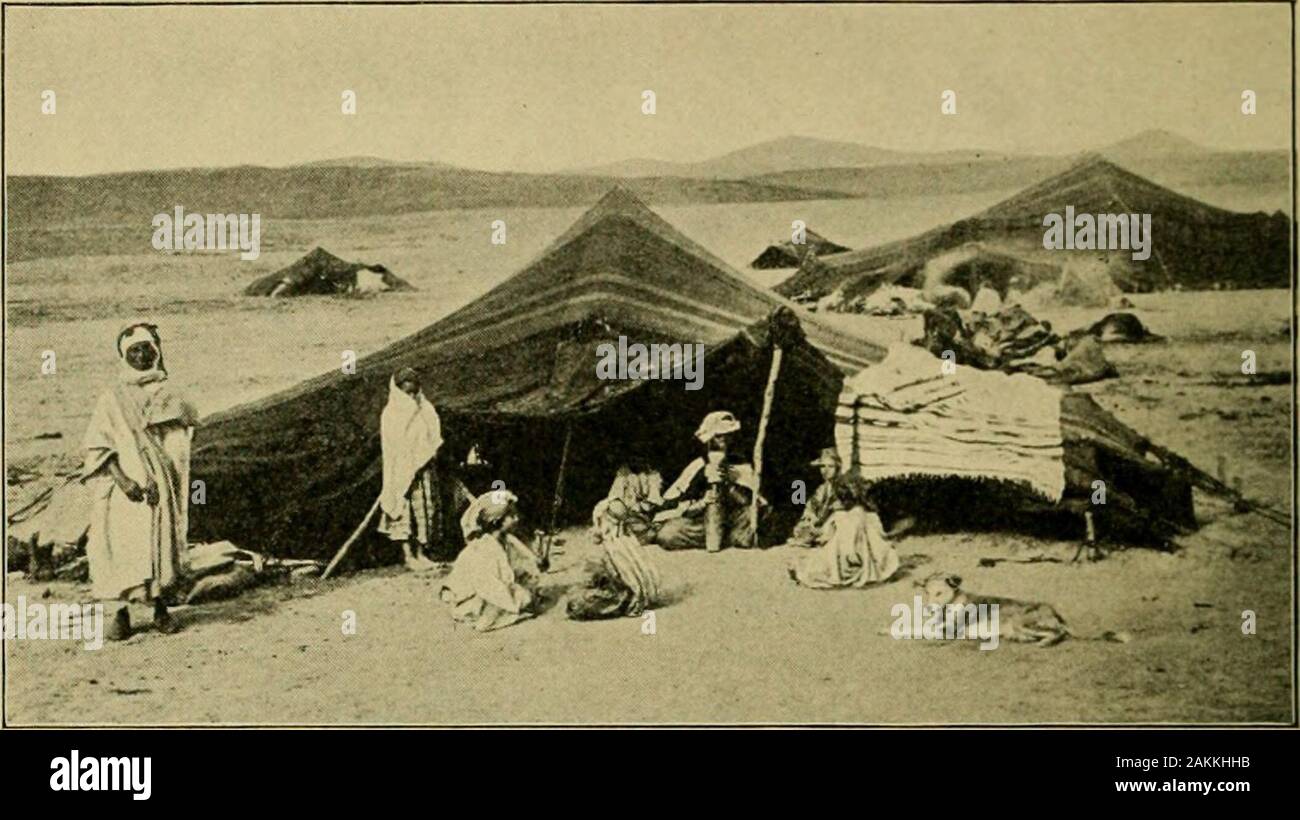
Some groups use tents as part of their culture. Nomads and tribes often live in tents as they travel. Tents help keep their lifestyle flexible and connected to nature. These tents are made to be strong and comfortable. They reflect a way of life passed down for generations.
Prolonged Outdoor Work Assignments
Workers in remote areas sometimes live in tents for long periods. Jobs like forestry, mining, or construction may require this. Tents provide a place to sleep close to the work site. This saves travel time and costs. The tents are often basic but enough to rest well.
Types Of Tents Used For Living
Tents come in many shapes and sizes for living purposes. Each type serves a different need. Some are simple, while others offer strong protection. People choose tents based on comfort, weather, and how long they plan to stay.
Below are common types of tents used for living. Understanding each helps in picking the right one.
Basic Camping Tents
Basic camping tents are light and easy to carry. They work well for short stays outdoors. These tents usually fit two to four people. They protect from rain and bugs but may not hold up in strong wind or cold. People use them for weekend trips or emergencies.
Canvas Wall Tents
Canvas wall tents are sturdy and spacious. Made from thick fabric, they handle rain and wind better. They often have straight walls, giving more room inside. These tents suit longer stays and rough weather. Hunters, campers, and outdoor workers often use them.
Military-grade Tents
Military-grade tents are built for tough conditions. They use heavy-duty materials to resist rain, wind, and cold. These tents have strong frames and extra features like insulation. Designed for soldiers, they are also popular for long-term camping or disaster relief. Durability and protection are key.
Innovative And Sustainable Tent Designs
New tents focus on being eco-friendly and smart. They use recycled materials and solar panels for power. Some tents have better ventilation and water resistance. These designs aim to reduce waste and energy use. People choosing green living or tech lovers prefer these tents.
Challenges Of Living In Tents
Living in tents presents many challenges. It is not as simple as it seems. People face issues that affect comfort and safety. These problems can make daily life hard.
Understanding these challenges helps us see the reality of tent living. It is important to know what people endure in these conditions.
Weather And Environmental Exposure
Tents offer little protection from the weather. Rain, wind, and cold can easily get inside. Heat during the day can become unbearable. Strong storms may damage or destroy tents. Exposure to insects and animals is common. These factors make tent living tough.
Limited Privacy And Security
Privacy is hard to find in a tent. Thin walls allow sounds to travel easily. Personal space is very small or shared. Security risks increase without solid doors or locks. Theft and intrusion worries are frequent. This creates stress and discomfort for residents.
Access To Amenities And Sanitation
Tent dwellers often lack basic amenities. Running water and electricity are usually missing. Bathing and toilet facilities may be far or dirty. Food storage and cooking become difficult tasks. Lack of proper sanitation leads to hygiene problems. These conditions affect health and well-being.
Health And Safety Concerns
Living in tents can harm health. Cold and damp conditions cause illnesses. Poor sanitation spreads germs and infections. Injuries are harder to treat without quick help. Mental health suffers from constant stress and fear. These risks make tent living dangerous.
Support Systems And Resources
Living in tents is often a difficult choice. Support systems and resources help people manage this life better. These supports provide safety, food, shelter, and hope. Many groups work hard to give aid and improve tent living conditions.
Government And Ngo Assistance
Governments offer shelters and emergency housing programs. They provide food, medical care, and counseling services. NGOs fill gaps by giving tents, blankets, and hygiene kits. Some NGOs run outreach programs to connect people with jobs. Both work to protect the rights of tent dwellers.
Community And Volunteer Efforts
Local communities often organize food drives and clothing donations. Volunteers help by building temporary shelters or distributing supplies. They also offer companionship and emotional support. Community gardens and free meals bring people together. Small acts can make life easier for those in tents.
Innovations In Tent Living Solutions
New tent designs improve comfort and safety. Some tents have better insulation and weather resistance. Solar panels provide light and charge phones. Portable toilets and clean water stations reduce health risks. These tools help people live more safely in tents.
Legal Considerations And Rights
Laws protect basic human rights of tent dwellers. Knowing legal rights can prevent unfair eviction. Some cities have rules about where tents can be placed. Legal aid groups offer free advice and support. Awareness of rights helps people live with dignity and safety.
Credit: www.alamy.com
Frequently Asked Questions
When Do People Choose Tents For Long-term Living?
People use tents for long-term living during outdoor expeditions, disaster recovery, and temporary housing needs. Tents offer quick shelter and flexibility in remote or emergency situations. They provide protection from weather while being portable and affordable for those without permanent homes.
Why Do Some People Live In Tents Permanently?
Some individuals live in tents permanently due to homelessness, economic hardship, or lifestyle choices. Tents provide minimal shelter and privacy when no other housing options exist. They are often used in encampments where affordable housing is scarce or unavailable.
How Do Tents Help During Natural Disasters?
Tents serve as emergency shelters after natural disasters destroy homes. They provide immediate, temporary housing for displaced families. Tents are easy to transport and set up, making them essential for relief efforts and disaster response teams.
What Are Common Places For Tent Living?
Common places for tent living include campsites, refugee camps, festival grounds, and homeless encampments. Each location uses tents differently—from recreational use to emergency shelter. The setting impacts the duration and conditions of tent living.
Conclusion
People use tents to live in for many reasons. Some need shelter during emergencies or natural disasters. Others choose tents for camping or outdoor adventures. Tents offer a simple, quick way to stay protected. They provide privacy and a sense of home in tough situations.
Living in a tent can be temporary or longer-term. Understanding why people live in tents helps us see their needs clearly. Tents remain a practical choice when no other housing is available. Simple, flexible, and useful.
