
Are you thinking about renting an apartment but not sure when the best time is to make your move? Timing can save you a lot of money and stress, but many people miss out because they don’t know when to act.
Imagine finding a great place at a lower price, with more options to choose from, and less competition. Sounds good, right? You’ll discover exactly when you should start searching and how to spot the perfect moment to sign that lease.
Keep reading—your ideal apartment might be just around the corner.
Factors Affecting Apartment Rental Timing
Choosing the best time to rent an apartment depends on many factors. These influence prices, availability, and your options. Understanding these can help you find a better deal and a place that fits your needs.
Timing your apartment search right can save money and reduce stress. The rental market changes based on seasons, local trends, and personal finances. Each factor plays a role in when you should start looking.
Seasonal Demand Variations
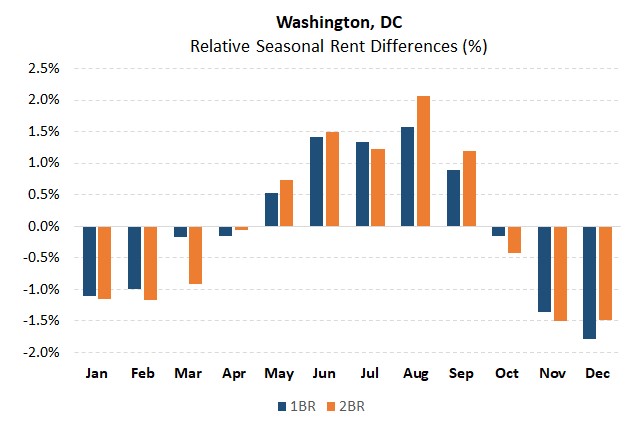
Rental demand changes with the seasons. Summer months often have more listings but higher prices. Many people move during summer because of school breaks and job changes. Winter usually sees less demand, leading to lower rents and more negotiation power. Choosing a season with less competition can help find affordable apartments.
Local Market Trends
Every city and neighborhood has its rental patterns. Some places have high demand year-round. Others have slow months when landlords offer discounts. Watch local news and rental websites for trends. Knowing the market helps you rent at the right time and avoid bidding wars.
Personal Financial Situation
Your budget affects when to rent. Rent prices may rise or fall, but your income and savings matter most. Plan your move when you have enough money saved for deposits and rent. Stable income gives you more options and less stress during your search.
Advantages Of Renting In Off-peak Months
Renting an apartment during off-peak months brings several benefits. Many renters do not consider these times. This means less competition and better deals. The rental market is quieter, giving you more control. Here are some key advantages of renting in off-peak months.
Lower Rent Prices
Rent prices drop during off-peak months. Fewer people move, so landlords lower costs. This helps renters save money each month. Discounts and special offers become common. You can find affordable apartments without much searching.
More Apartment Options
More apartments are available in off-peak months. Many units stay empty longer. This means you can choose better locations and layouts. You won’t have to settle for less. More options give you a chance to find your ideal home.
Flexible Lease Terms
Landlords offer flexible lease terms during slow months. Shorter leases or move-in dates are easier to negotiate. This suits people with uncertain plans. You can get terms that match your schedule. Flexibility makes renting less stressful and more convenient.
Benefits Of Renting During Peak Seasons
Renting during peak seasons has several key advantages. Many people move during spring and summer. This creates a busy rental market. More landlords list their apartments. Renters get more options to choose from. Finding the right place becomes easier.
Peak seasons also bring other benefits. Neighborhoods fill with fresh listings. The rental process speeds up. These perks help renters make quick and smart decisions.
Greater Availability Of New Listings
More apartments come on the market in peak seasons. Landlords want to fill vacancies fast. This means renters see many new options every day. You can compare different apartments and prices. More choices help find a home that fits your needs.
Better Neighborhood Choices
Popular areas get more listings during busy months. Renters can explore many neighborhoods. This allows finding a place close to work or school. It also lets you pick a safe and quiet area. You get to choose where you want to live.
Faster Application Process
Landlords move quickly during peak seasons. They want to rent out apartments soon. Applications get reviewed faster than usual. This helps renters secure a spot quickly. Moving plans become easier to arrange without long waits.
:max_bytes(150000):strip_icc()/when-best-time-rent-apartment.asp-FINAL-93af3a97cac34e84b334826db62e219c-c9a027d506e64bfb9289a116c14859c4.png)
Credit: www.investopedia.com
Timing Based On Lease Renewal Cycles
Timing your apartment rental based on lease renewal cycles can save money and stress. Many leases end around the same time each year. This creates chances to find better deals or negotiate terms. Knowing how these cycles work helps plan your move.
Landlords often set lease end dates in common months. This leads to more available units at certain times. Renting during these periods can offer more choices. Understanding these patterns gives you an advantage in the rental market.
Understanding Lease Expiration Patterns
Most leases last one year and end in spring or summer. These months are popular for moving. Many tenants leave at the same time. This causes a rise in available apartments. Rent prices may be higher due to demand.
Some leases end in winter or fall. These months have fewer movers. Apartments may be cheaper and easier to rent. Less competition means better chances to find a good deal. Watch for these seasonal patterns in your area.
Negotiating Renewal And Move-in Dates
Landlords want to keep good tenants. They may offer flexible renewal dates. You can ask to adjust your lease end date. This helps avoid peak moving seasons.
Moving in during off-peak months can lower rent. Landlords may reduce prices to fill vacancies quickly. Negotiate your move-in date to get better terms. Small changes in timing can save money and hassle.
Impact Of Economic And Market Conditions
Economic and market conditions play a key role in deciding the best time to rent an apartment. These factors influence rental prices and availability. Knowing how the economy affects the market helps renters find better deals. Timing your apartment hunt based on these conditions can save money and stress.
Effect Of Interest Rates And Inflation
Interest rates impact the cost of borrowing money for landlords. When rates rise, landlords face higher mortgage payments. They may increase rents to cover these costs. Inflation raises prices for goods and services. Landlords pass some of these costs to tenants. High inflation often leads to higher rents. Lower interest rates and low inflation usually mean cheaper rent.
Job Market Influence On Rental Demand
The job market affects how many people need apartments. When jobs are easy to find, more people move to cities. This increases demand for rental units. Higher demand drives up rent prices. When jobs are scarce, fewer people rent apartments. Rental demand drops, and prices may fall. Strong job markets usually mean tougher competition for apartments.
Credit: www.renthop.com
Tips For Finding The Best Rental Deals
Finding the best rental deals takes patience and smart planning. You need to know where to search and how to act quickly. Small steps can save money and stress. Using the right tools and choosing the right time helps a lot. Here are some tips to guide you through the process.
Using Technology And Apps
Apps and websites show many apartment listings fast. Set alerts for new rentals that fit your budget. Compare prices and features in one place. Use filters to avoid wasting time on wrong options. Some apps also offer virtual tours. This helps see the apartment without visiting.
Working With Real Estate Agents
Agents know the market well. They find deals you might miss. They can negotiate rent and terms for you. Agents save time by filtering bad options. Some rentals are only available through agents. Build a good relationship with them. They can alert you to new offers early.
Timing Your Search Strategically
Rental prices change by season. Many landlords lower rent in winter months. Search a few months before you need to move. Avoid peak moving times like summer. Mid-week visits might get better attention. Early morning or late afternoon visits work well. Being flexible with move-in dates helps too.

Credit: www.nomad-data.com
Frequently Asked Questions
When Is The Cheapest Month To Rent An Apartment?
The cheapest months to rent are typically winter, especially December and January. Demand drops, leading to lower rent prices and more landlord incentives.
How Does Season Affect Apartment Rental Prices?
Rental prices tend to rise in spring and summer due to higher demand. Winter months usually offer better deals and more negotiating power.
Is It Better To Rent An Apartment Mid-month Or Start?
Renting mid-month can be cheaper as landlords want to fill vacancies quickly. However, most leases begin at the start of a month for convenience.
Should I Avoid Renting During Peak Moving Seasons?
Peak seasons like summer have more competition and higher rent. Renting off-season reduces competition and can secure better pricing and lease terms.
Conclusion
Finding the best time to rent an apartment can save you money and stress. Rent prices often drop in winter months when fewer people move. Spring and summer bring more choices but higher costs. Planning your move during off-peak times helps you get better deals.
Keep an eye on local market trends and act fast. Being flexible with your move date can open more options. A smart timing choice makes renting easier and cheaper. Think about your needs and budget before deciding when to rent.
