
Termites can silently damage your home, eating away at the wood and causing costly repairs. You might wonder, how often should you tent your house for termites to keep your property safe?
Knowing the right timing can save you money and stress down the line. You’ll discover the key signs that show when it’s time to take action, how often tenting is recommended, and what you can expect during the process. Keep reading to protect your home before termites take over.
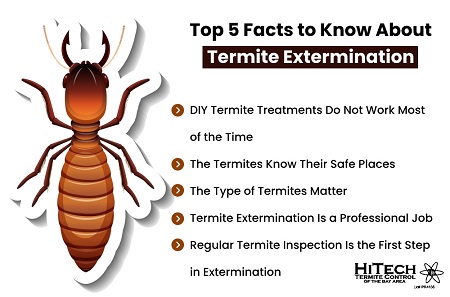
Credit: www.hitechtermite.com
Signs Of Termite Infestation
Termites can damage your home quietly. They hide inside walls and wood. Spotting signs early can save your house from serious harm. Watch for small clues that tell you termites might be present.
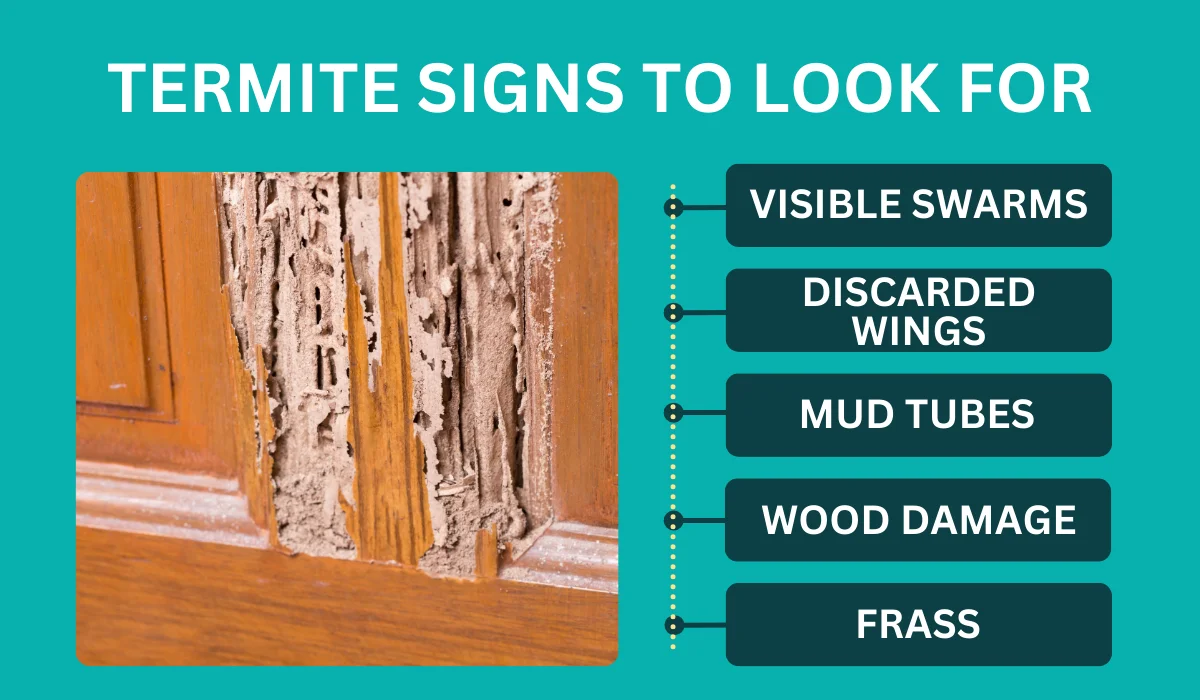
Visible Damage To Wood
Termites eat wood from the inside out. The surface may look fine but feel weak or hollow. Wood may crack or bubble. Doors and windows might stick or jam. Look for small holes or wood that sounds hollow when tapped.
Mud Tubes Around Foundation
Termites build mud tubes for travel and protection. These tubes are thin, dirt-like tunnels on walls or foundation. They connect the ground to your home. Seeing these tubes means termites are active nearby. Breaking the tubes often makes them rebuild quickly.
Swarmers And Discarded Wings
Swarmers are winged termites that leave the colony to start new ones. You might see them inside your home near windows or lights. After flying, they drop their wings. Piles of tiny wings around doors or windows hint at termite presence. This is a sign of a mature infestation.
Frequency Of Tent Treatment
Tent treatment is a common method to kill termites in a home. Knowing how often to tent your house is important to keep termites away. The frequency depends on several factors like termite activity and previous treatments. Proper timing helps protect your home effectively.
Typical Tent Duration
Tent treatments usually last from 3 to 5 days. The house is covered with a large tent to trap the chemicals inside. This time allows the treatment to reach all termite areas. After tenting, the home must be aired out before people return.
Recommended Tent Intervals
Most homes need tenting every 3 to 5 years. This schedule helps stop new termite colonies. Some areas with high termite risk may need treatment more often. Regular inspections help decide when to tent again.
Factors Affecting Treatment Frequency
Termite type affects how often you tent your house. Subterranean termites may need more frequent treatment. The climate also plays a role; warm, humid areas have more termites. The age and condition of your home matter too. Older homes with wood damage may require faster repeat treatments.
Benefits Of Regular Tent Treatments
Regular tent treatments help protect your home from termite damage. Termites can cause serious harm to the wood and structure of your house. Treating your home often keeps these pests away. This stops small problems from turning into big repairs. It also helps keep your home safe and strong for years.
Scheduling tent treatments on a regular basis makes termite control easier. You catch infestations early before they spread. This saves time, money, and stress for homeowners. Here are some key benefits of regular tent treatments.
Prevention Of Structural Damage
Termites eat wood and weaken your home’s structure. Regular tent treatments kill termites and stop them from coming back. This protects your walls, floors, and roof. Your home stays solid and safe. Repairing termite damage can be costly and difficult. Preventing it is the best choice for your house.
Long-term Cost Savings
Early termite detection and treatment reduce repair costs. Fixing termite damage can be very expensive. Regular tent treatments lower the risk of large infestations. This saves money on repairs and replacements. You also avoid losing the value of your home. Spending on prevention is cheaper than fixing damage later.
Peace Of Mind For Homeowners
Knowing your home is protected brings peace of mind. Termites can cause hidden damage that is hard to see. Regular tent treatments give you confidence your home is safe. You can relax without worrying about costly repairs. This helps you enjoy your home more fully and stress less.
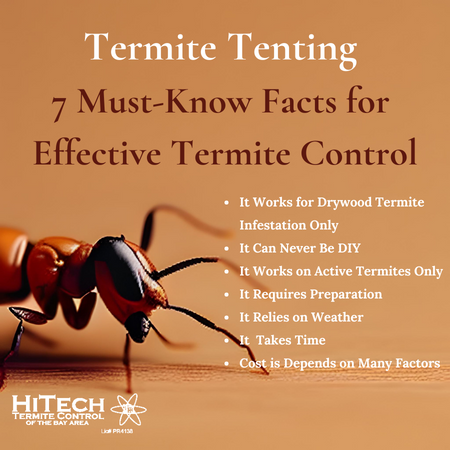
Credit: www.hitechtermite.com
Alternatives To Tent Fumigation
Tent fumigation is a strong way to fight termites. It kills many pests at once. Still, it is not the only option. Some people want other ways that do not need tents or gas. These methods can work well for smaller problems or as a part of regular care. They also cause less disturbance to your home and family.
Liquid Termiticides
Liquid termiticides are chemicals placed in the soil around your house. They create a barrier that stops termites from entering. These liquids can kill termites on contact or keep them from coming close. The treatment lasts for years if applied correctly. It is less disruptive than tenting and works quietly underground.
Baiting Systems
Baiting systems use small stations with termite food and poison. Termites eat the bait and carry poison back to the colony. This method can reduce or remove the whole termite group over time. It needs regular checks by pest experts. Baiting is safe for people and pets and does not require leaving your home.
Physical Barriers
Physical barriers are strong materials placed during building or renovation. They stop termites from reaching wooden parts of your house. Barriers include metal meshes or sand layers. These materials block termite entry without chemicals. This method works best for new homes or major repairs and lasts a long time.
Preparing For Tent Fumigation
Preparing your home for tent fumigation is important. It helps the treatment work well and keeps your family safe. The process needs careful steps before the tent goes up. Each step makes sure the fumigation kills termites effectively.
Follow these tips to get ready for your termite tenting service. It will help you avoid problems and speed up the process. Proper preparation protects your belongings and your health.
Clearing The Home
Remove all clutter from floors and shelves. This allows the gas to reach all areas. Move furniture away from walls. Open cabinets and drawers. Take out small items that can absorb gas. Protect valuables by placing them outside or in sealed containers.
Removing Food And Pets
Food must be removed or sealed tightly. Use airtight containers to keep food safe. Take all pets and plants out of the house. Fish tanks need special care or removal. Do not leave any animals inside during fumigation. This step is critical for their safety.
Post-treatment Precautions
After fumigation, wait until the house airs out. Follow the pest control expert’s instructions carefully. Do not enter the home too soon. Check that the gas has cleared fully. Clean surfaces before using them again. These steps keep your family safe after treatment.
Credit: www.nativepestmanagement.com
Hiring Professional Pest Control
Hiring professional pest control is important for termite treatment. Experts have the right tools and knowledge. They ensure the job is done safely and effectively. Tent fumigation involves chemicals that need careful handling. Trusting a skilled team reduces risks for your family and property.
Choosing A Certified Exterminator
Pick a pest control company with proper certification. Certified exterminators follow safety rules and use approved methods. Check their license and ask about their experience. A good exterminator will explain the process clearly. This helps you feel confident in their work.
Cost Considerations
Termite tenting costs vary by home size and damage level. Some companies offer free inspections. Compare prices but don’t choose only by the lowest cost. Quality service and safety matter more than saving a little money. Ask for a detailed estimate before agreeing to treatment.
Questions To Ask Before Treatment
Ask what chemicals will be used and if they are safe. Find out how long the tenting will last and when you can return home. Check if pets and plants need special care. Request information on follow-up visits and guarantees. Clear answers help you prepare and feel secure.
Frequently Asked Questions
How Often Should You Tent Your House For Termites?
You should tent your house every 3 to 5 years for termite prevention. Regular inspections help determine the exact timing.
What Signs Indicate You Need Termite Tenting?
Visible termite damage, mud tubes, and discarded wings suggest an infestation. Immediate tenting can prevent costly repairs.
Is Termite Tenting Safe For My Family And Pets?
Yes, professional tenting uses EPA-approved chemicals and ensures proper ventilation. Families and pets should vacate during treatment for safety.
How Long Does Termite Tenting Treatment Last?
Tenting treatment typically lasts 6 to 12 months in effectiveness. Follow-up inspections ensure termites are fully eliminated.
Conclusion
Termite tenting helps protect your home from serious damage. Experts usually recommend tenting every few years. The exact timing depends on your location and termite risk. Watch for signs like mud tubes or wood damage. Regular checks can help catch termites early.
Keep your home dry and clean to reduce risk. Taking action on time saves money and stress. Stay aware and act fast to keep termites away. Protect your home with smart termite control habits.
