
Looking for a fun and creative project that brings joy to your kids right at home? Making a tent for your kids is easier than you think, and it can turn any room or backyard into a magical play space.
Imagine the excitement on your child’s face when they have their own cozy hideaway to read, play, or just relax. In this guide, you’ll find simple steps and tips to create a safe, comfortable, and charming tent using materials you probably already have.
Ready to make memories and spark your child’s imagination? Let’s get started!
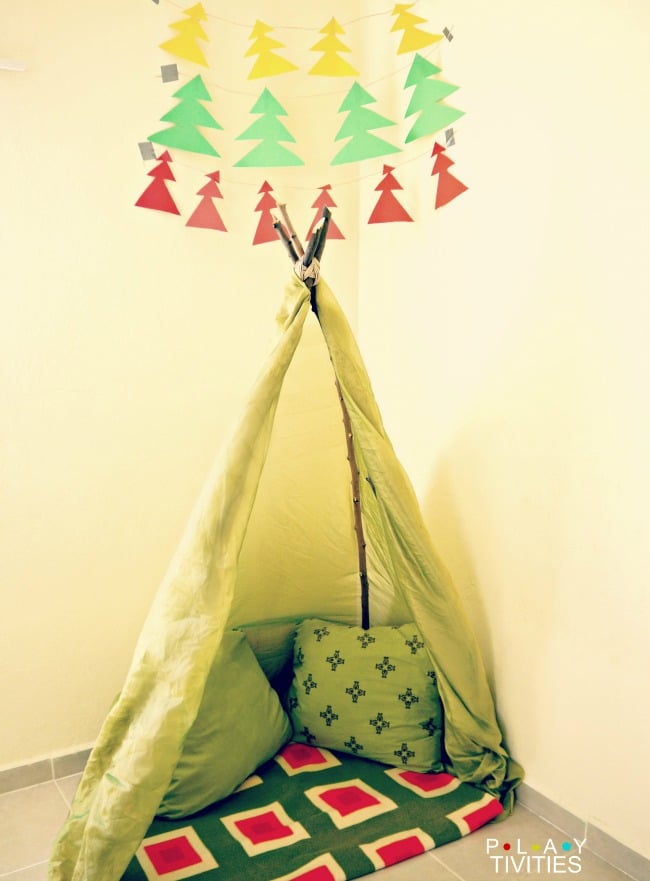
Credit: playtivities.com
Choosing Materials
Choosing the right materials is key to making a fun and safe tent for kids at home. Good materials keep the tent sturdy and comfy. They also make the tent last longer and easy to clean. Pick materials that suit your space and budget. Think about how the tent will be used and who will play inside it.
Fabric Options
Choose fabric that is light but strong. Cotton and polyester work well. Cotton feels soft and natural. Polyester is water-resistant and dries fast. Avoid thin or see-through fabrics. Bright colors or fun patterns make the tent more exciting. Look for fabric that is easy to wash. This keeps the tent fresh after playtime.
Frame Materials
Use materials that hold the tent’s shape. Wooden dowels are safe and sturdy. They also are easy to cut and smooth. PVC pipes are lightweight and flexible. They snap together for easy assembly. Avoid sharp edges or heavy metal. These can hurt kids or damage floors. Make sure the frame fits the size of your fabric.
Additional Supplies
Grab some clips or clothespins to fasten the fabric. Use rope or strong string to tie parts together. Soft padding or blankets inside make the tent cozy. Scissors, tape, and a measuring tape help with cutting and fitting. Make sure all supplies are safe for kids. Keep small parts away to avoid choking hazards.
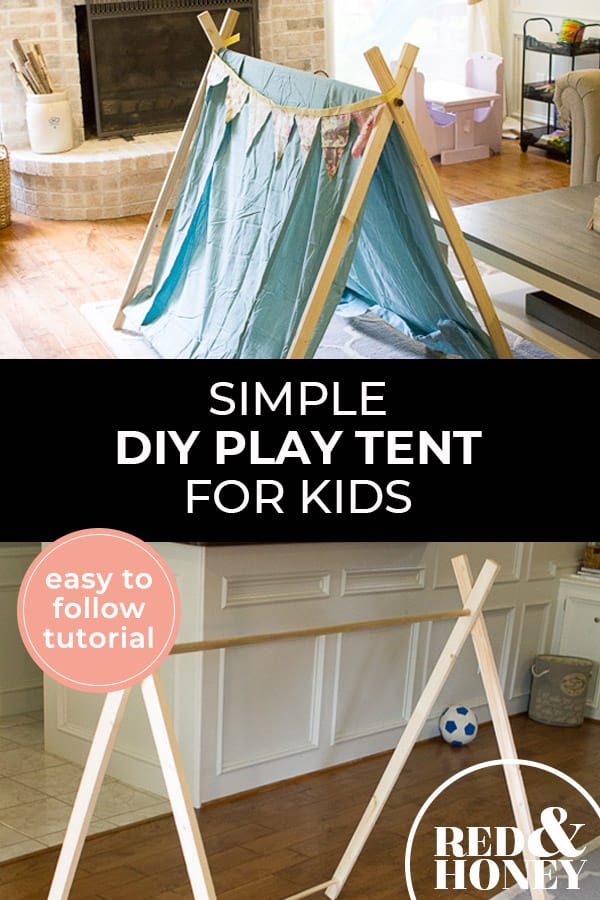
Credit: redandhoney.com
Designing The Tent
Designing a tent for kids at home is a fun and creative task. It helps make the tent cozy and safe. Careful design makes the tent more enjoyable and easy to build.
Start by choosing the style. Then measure the space and finally sketch the plan. These steps guide you through making a perfect tent.
Selecting Tent Style
Pick a tent style that fits your space and your child’s needs. Simple styles like a teepee or a box tent work well. Choose a style that is easy to build and stable. The design should allow enough room to play inside comfortably.
Measuring Dimensions
Measure the area where the tent will stand. Use a tape measure for accuracy. Decide the height and width based on the child’s size. Leave extra space for movement and toys. Accurate measurements ensure the tent fits the space and is safe.
Sketching The Layout
Draw the tent layout on paper before building. Include all parts like poles, fabric, and openings. Use simple shapes and lines to show each piece. This sketch helps visualize the final tent. It also guides you during the building process.
Building The Frame
Building the frame is the first important step to make a tent for kids. A strong frame holds the tent up and keeps it safe. Use simple materials like wooden sticks or PVC pipes. Measure carefully and plan the shape before cutting pieces. The frame gives the tent its shape and support.
Cutting Frame Pieces
Start by measuring the length of each side of the tent. Use a ruler or tape measure for accuracy. Cut wooden sticks or pipes to the right size with a saw or pipe cutter. Make sure all pieces are smooth and even. This helps the frame fit together well. Cut extra pieces for support if needed.
Assembling The Structure
Lay all cut pieces on the floor in the shape of the tent. Connect the sticks or pipes at corners to form the base. Add vertical pieces to create height. Use a simple shape like a triangle or rectangle. Check if the frame stands on its own. Adjust pieces if the frame looks uneven or weak.
Securing Joints
Use strong tape, rope, or zip ties to fasten joints tightly. Wrap tape around the joints several times for strength. Rope can be tied with knots to hold pieces firmly. Zip ties are quick and easy to use. Make sure all connections are tight and safe. This keeps the frame stable during play.
Sewing The Fabric
Sewing the fabric is the heart of making a tent for kids at home. It brings the design to life and ensures the tent is strong and neat. Careful sewing helps the tent last longer and look great. Let’s break down the sewing process into easy steps.
Cutting Fabric Panels
Start by cutting the fabric panels. Measure the size of your tent carefully. Use a ruler and fabric chalk for straight lines. Cut each panel with sharp scissors to avoid frayed edges. Make sure all panels are the same size for a perfect fit. Label each piece to keep track of them.
Sewing Seams
Place two fabric panels together with the right sides facing. Sew along the edges using a straight stitch. Keep stitches close to the edge, about a quarter inch. Backstitch at the start and end to secure the seam. Press the seams open with an iron for a flat finish. This helps the tent hold its shape.
Adding Openings And Flaps
Create openings for doors or windows by cutting gaps in the fabric. Sew hems around the edges to stop fraying. Add fabric flaps over openings for privacy and protection. Attach flaps with Velcro or snaps for easy use. Make sure all edges are neat and strong for safety.
Decorating The Tent
Decorating the tent makes it a fun and cozy space for kids. It turns a simple tent into a special hideout. Kids feel happy and excited in a colorful, comfy tent. Use easy ideas to make the tent bright and inviting. Soft textures and gentle lights add warmth and charm. Let creativity guide the decoration process.
Painting And Patterns
Use safe, washable paints to add color and fun shapes. Paint stars, hearts, or animals on the tent fabric. Simple patterns like stripes or polka dots work well too. Choose bright colors to catch your child’s eye. Allow the paint to dry completely before use. This makes the tent look lively and playful.
Adding Cushions And Rugs
Place soft cushions inside the tent for comfort. Use small rugs to create a warm floor space. Pick cushions in different colors and sizes. Rugs add a cozy feeling and protect from cold floors. These soft items make the tent inviting for reading or resting. Kids will love having a comfy spot to relax.
Incorporating Lights
String lights create a magical glow inside the tent. Use battery-operated fairy lights for safety. Avoid any lights that get hot or need plugs. Soft, warm lights help kids feel calm and safe. Lights also make the tent look special at night. This simple touch makes playtime last longer.
Safety Tips
Making a tent for kids at home is fun and creative. Safety is very important during this activity. It keeps children safe and lets them enjoy their playtime without worries.
Follow these safety tips to build a safe and sturdy tent. Use the right materials and keep an eye on your kids while they play.
Choosing Non-toxic Materials
Select fabrics and paints that are safe and free from harmful chemicals. Avoid sharp objects or small parts that children can swallow. Use soft, breathable cloth to keep the tent comfortable.
Ensuring Stable Structure
Build the tent so it will not fall easily. Use strong poles or sticks and secure them firmly. Test the tent’s stability before letting kids enter. Make sure it does not tip or collapse.
Supervision Guidelines
Always watch children while they play in the tent. Check the tent regularly for wear or damage. Teach kids to play gently and avoid rough movements inside the tent.
Maintenance And Storage
Keeping your kids’ tent clean and safe helps it last longer. Proper care makes sure the tent stays fun to use. Storing it well saves space and keeps it ready for playtime.
Cleaning Fabric
Use a soft brush to remove dust and dirt. Spot clean with mild soap and water. Avoid harsh chemicals that can damage the fabric. Let the fabric air dry completely before folding.
Disassembling Frame
Take apart the tent frame gently. Follow the order you used to build it. Check for any broken or bent parts. Fix or replace damaged pieces before storing.
Storing The Tent
Fold the tent fabric loosely to prevent wrinkles. Store the fabric and frame in a dry bag or box. Keep the storage place cool and dry. Avoid placing heavy items on top of the tent.

Credit: www.wikihow.com
Frequently Asked Questions
How Do I Make A Simple Kids’ Tent At Home?
Use a few wooden sticks or broom handles for the frame. Drape a large sheet or blanket over the frame. Secure the edges with clips or heavy objects. Add pillows or cushions inside for comfort. This creates a cozy, easy tent for kids indoors.
What Materials Are Best For A Homemade Kids’ Tent?
Lightweight fabric like cotton or polyester works best. Use flexible poles or sticks for the frame. Avoid heavy or sharp materials. Soft blankets or sheets provide good coverage. Choose breathable fabrics to keep the tent comfortable and safe.
How Long Does It Take To Build A Kids’ Tent?
Building a simple kids’ tent takes about 15 to 30 minutes. More complex designs may take longer. Preparation of materials beforehand speeds up the process. It’s a quick, fun activity you can do with your children.
Can I Make A Kids’ Tent Without Sewing?
Yes, you can make a tent without sewing. Use fabric clips, safety pins, or strong tape. Drape sheets over a frame and secure edges with weights. This method is quick and easy for temporary tents. No sewing skills are required.
Conclusion
Making a tent for kids at home is fun and simple. You only need a few materials and a little time. Kids enjoy playing inside their own cozy space. This activity also helps build creativity and teamwork. Try different shapes and decorations to make it special.
The tent becomes a perfect spot for stories and games. Enjoy the smiles and laughter that follow. Start your project today and create happy memories together.
