
Have you ever wondered what sets the Tent of Meeting apart from the Tabernacle? If these terms confuse you or seem similar, you’re not alone.
Understanding their differences can change how you see important stories and symbols in history. By the end of this article, you’ll clearly know what makes each one unique—and why it matters to your knowledge of faith and tradition. Keep reading, and let’s clear up the mystery together.
Tent Of Meeting
The Tent of Meeting is a sacred place used by the Israelites during their journey in the wilderness. It served as a special spot for communication between God and Moses. This tent was central to their worship and community life.
It was not just a simple tent. It had a clear purpose and specific design. The Tent of Meeting helped the people feel close to God in a time of travel and uncertainty.
Purpose And Function
The Tent of Meeting was a place for God to meet with Moses. It was where Moses received instructions and guidance. The people also came here to offer sacrifices and prayers. This tent was the center of worship and law for the Israelites.
It helped keep their faith strong during their long journey. The tent symbolized God’s presence among the people.
Design And Structure
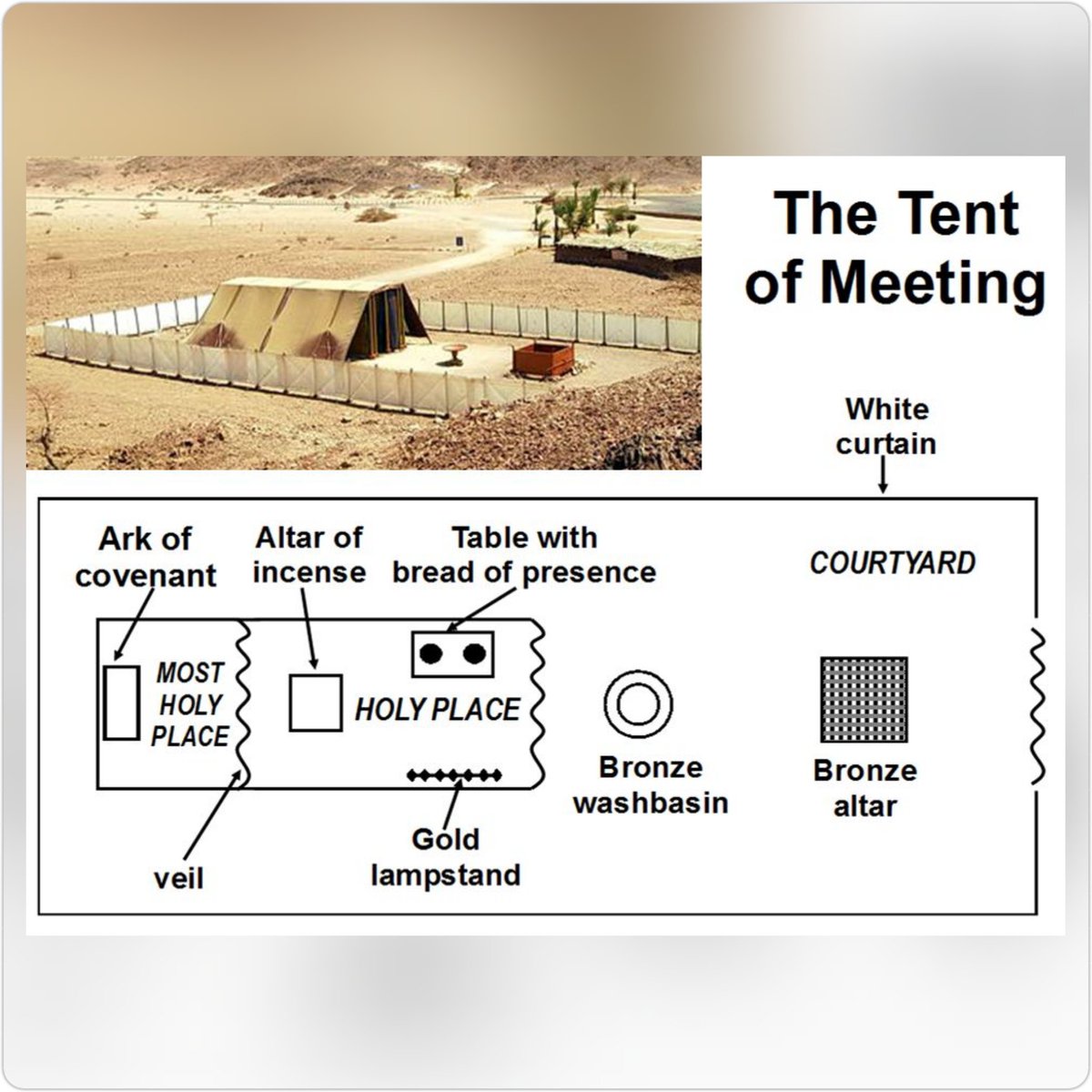
The Tent of Meeting was made of fine cloth and animal skins. It had a wooden frame covered with layers of fabric. Inside, there was a special altar and the Ark of the Covenant.
The design was simple but sacred. It allowed the priests to perform rituals and keep the holy items safe. The tent could be packed up and moved easily as the Israelites traveled.
Historical Context
The Tent of Meeting was used during the Exodus, when the Israelites left Egypt. It lasted until the time of King Solomon. Then, the temple was built in Jerusalem to replace the tent.
This tent shows how the Israelites worshipped God before having a permanent place. It is an important part of their history and faith tradition.
Credit: x.com
Tabernacle
The Tabernacle was a sacred place for the Israelites during their journey in the desert. It served as a central location for worship and communication with God. This portable sanctuary was more than just a tent; it held deep religious meaning and was carefully designed to follow God’s instructions.
Purpose And Function
The Tabernacle functioned as a holy dwelling for God among His people. It was the place where priests offered sacrifices and prayers. The Israelites gathered there to worship and seek guidance. It symbolized God’s presence and protection during their travels.
Design And Structure
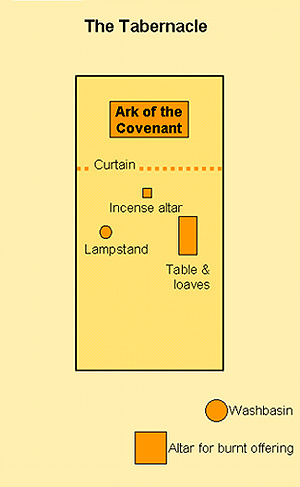
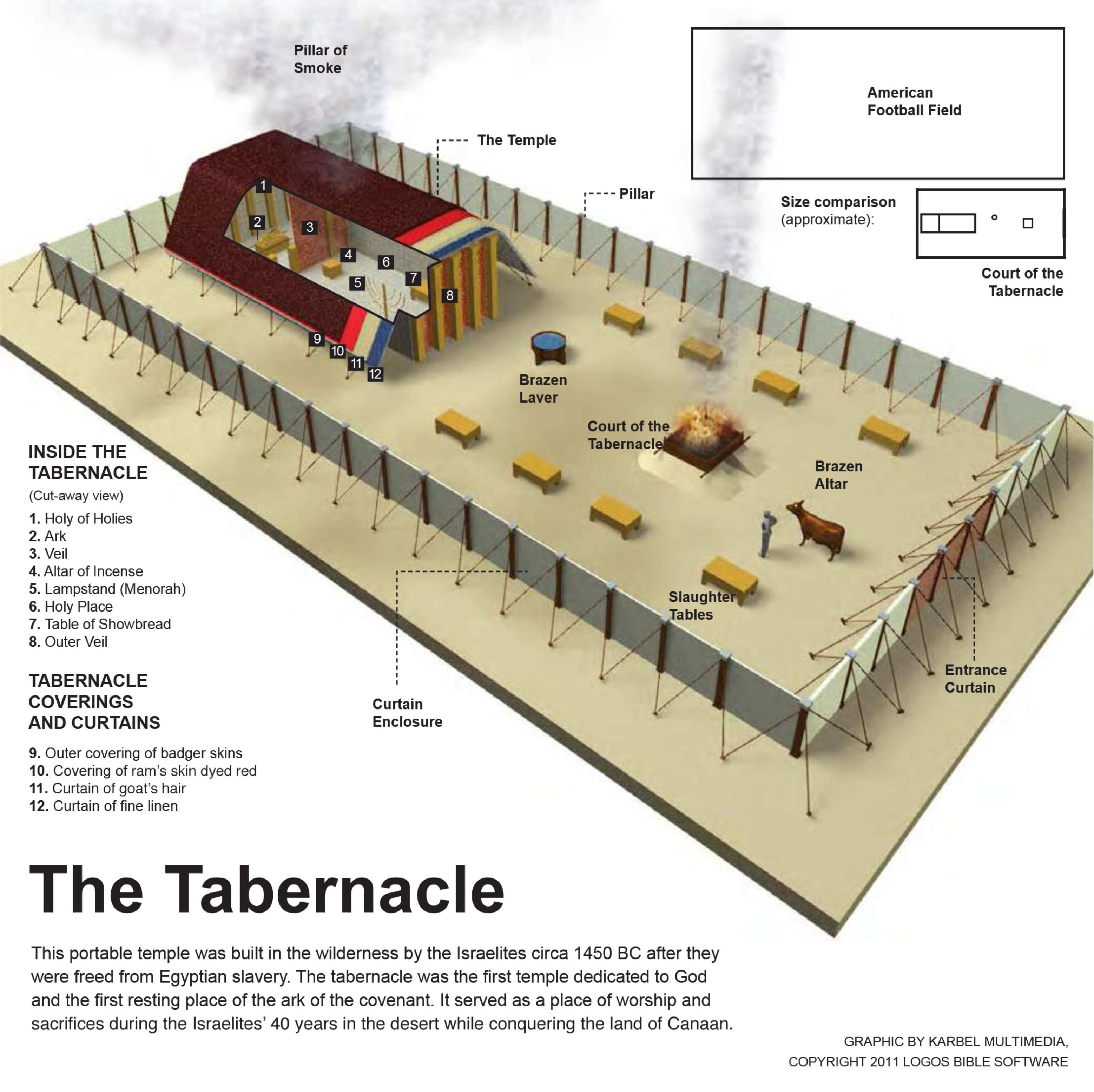
The Tabernacle had a rectangular shape with outer curtains made from fine linen. Inside, it had two main areas: the Holy Place and the Most Holy Place. The Most Holy Place housed the Ark of the Covenant, the most sacred object. The structure was supported by wooden frames and covered with animal skins.
Historical Context
The Tabernacle was built after the Exodus from Egypt. God gave Moses detailed instructions on how to make it. It stayed with the Israelites for about 400 years until the temple was built in Jerusalem. The Tabernacle helped unite the people around their faith and laws.
Key Differences
The Tent of Meeting and the Tabernacle are often mentioned together. Both hold important places in biblical history. Yet, they have clear differences. Understanding these differences helps to see their unique roles and meanings.
Location And Usage
The Tent of Meeting was a small, portable structure. It stood outside the Israelite camp. People used it as a meeting place with God. Moses often entered the tent to speak with God directly.
The Tabernacle was larger and more detailed. It served as the central place of worship for the Israelites. It stayed within the camp and housed the Ark of the Covenant. Priests used it for regular sacrifices and rituals.
Symbolism And Significance
The Tent of Meeting symbolized direct communication between God and Moses. It showed God’s presence among His people in a simple way. The Tabernacle represented God’s dwelling with the entire nation. It symbolized holiness, worship, and the covenant with Israel.
The Tabernacle had more sacred items. These included the altar, lampstand, and the Holy of Holies. Each part showed different aspects of God’s nature and His relationship with the people.
Duration And Mobility
The Tent of Meeting was temporary and moved as the Israelites traveled. It was easy to pack and set up. This reflected the nomadic life of the Israelites during their desert journey.
The Tabernacle, while still movable, was more permanent. It required careful assembly and more time to set up. It stayed in one place longer, especially when the Israelites camped for extended periods.
Credit: www.bibletutor.com
Similarities Between Both
The Tent of Meeting and the Tabernacle share many important features. Both served as special places where people could connect with God. They were central to worship and held deep spiritual meaning.
Both structures were portable. This allowed the Israelites to carry them during their travels in the wilderness. They provided a sacred space no matter where the people camped.
The Role As A Sacred Meeting Place
Both the Tent of Meeting and the Tabernacle were places where God met with His people. Leaders and priests used them for prayer and sacrifices. These places symbolized God’s presence among the Israelites.
Use Of Similar Materials And Design Elements
Both used rich fabrics, wood, and metal in their construction. The designs included curtains, coverings, and poles for easy movement. The colors and patterns held symbolic meaning in worship.
Function As Centers For Worship And Sacrifice
Both served as the main locations for offerings and sacrifices. Priests performed rituals to seek forgiveness and blessings. These acts helped maintain a strong bond between God and the community.
Guidance By Divine Instructions
God gave clear instructions on how to build and use both. Moses received detailed plans to ensure everything was done correctly. This showed the importance of obedience and reverence.
Credit: thescripturesays.org
Frequently Asked Questions
What Is The Tent Of Meeting In The Bible?
The Tent of Meeting was a portable sanctuary where Moses met God. It symbolized God’s presence during Israel’s desert journey. It included the Ark of the Covenant and was central for worship and communication with God.
How Does The Tabernacle Differ From The Tent Of Meeting?
The Tabernacle is a larger, more detailed structure than the Tent of Meeting. It served as a permanent dwelling place for God among Israelites, with specific sections like the Holy Place and Holy of Holies, designed for ritual worship.
Were The Tent Of Meeting And Tabernacle Used At The Same Time?
No, the Tent of Meeting was used earlier during the wilderness period. The Tabernacle replaced it as a more formal and structured place of worship after Moses received God’s instructions on Mount Sinai.
What Was The Main Purpose Of The Tent Of Meeting?
The Tent of Meeting’s main purpose was to facilitate communication between God and Moses. It acted as a sacred space for divine guidance and worship during Israel’s travels before entering the Promised Land.
Conclusion
The Tent of Meeting and the Tabernacle served different purposes in ancient times. The Tent of Meeting was a simple place for Moses to meet God. The Tabernacle was larger and more detailed, where Israelites worshiped. Both show how people connected with God.
Understanding their differences helps us learn about faith and history. Each holds a special meaning in the Bible story. Remembering these places gives us insight into old traditions and beliefs. They teach us about worship and God’s presence among His people.
