
Imagine you’re deep in the woods, your tent pitched and ready for a night under the stars. Suddenly, dark clouds roll in, and thunder rumbles nearby.
What do you do next? When you’re tent camping and a thunderstorm hits, knowing the right steps can keep you safe and calm. This guide will walk you through exactly what to do to protect yourself and your gear, so you can handle the storm with confidence.
Keep reading—your safety depends on it.
Preparing Before The Storm
Preparing before a thunderstorm hits while tent camping is very important. It helps keep you safe and comfortable. Taking steps early can prevent stress and danger during the storm. Here are key ways to get ready.
Choosing The Right Campsite
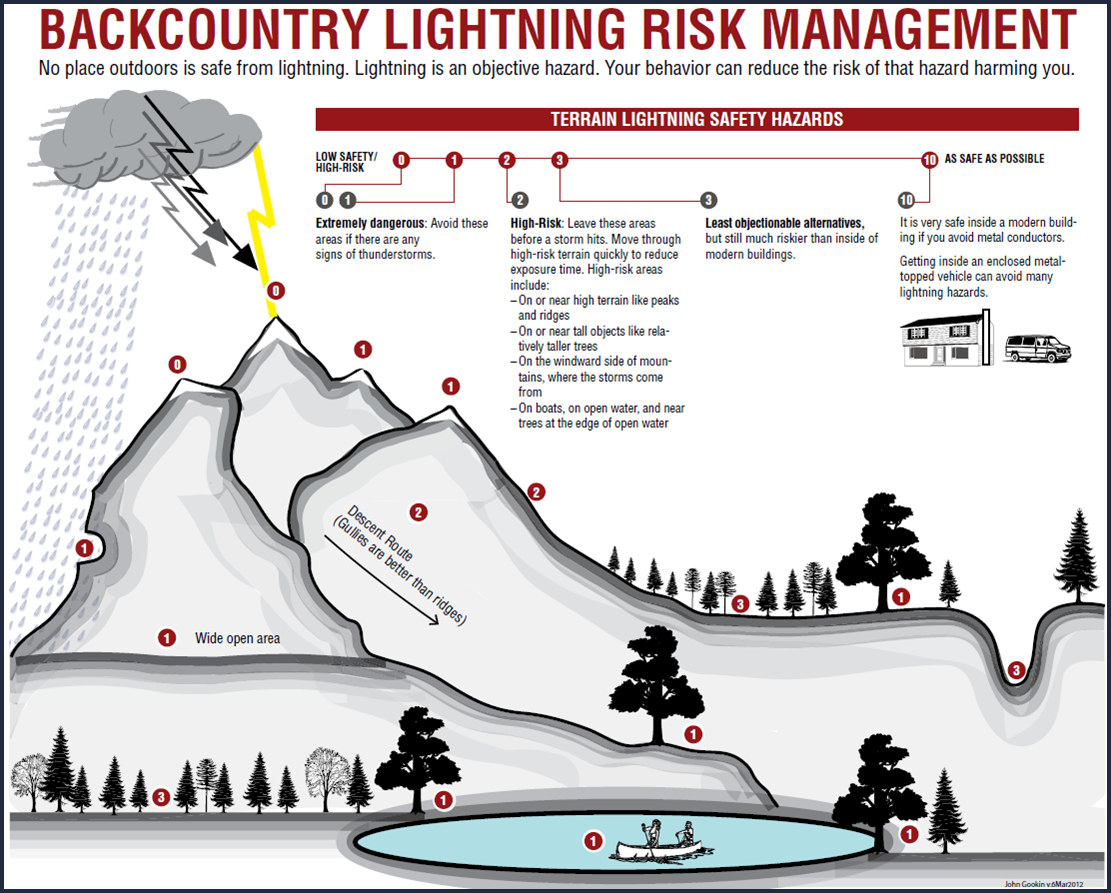
Pick a flat area away from tall trees and water. Avoid camping near cliffs or open fields. Look for a site with natural shelter like bushes or rocks. Set your tent on high ground to avoid flooding. Clear the area of sharp sticks or stones.
Checking Weather Forecasts
Check the weather forecast before and during your trip. Use reliable apps or local news for updates. Watch for signs of storms like dark clouds or wind changes. Plan your activities around the weather. Be ready to change plans if a storm approaches.
Packing Essential Gear
Bring rainproof gear such as a waterproof tent cover and poncho. Pack extra ropes and stakes to secure your tent. Carry a flashlight with fresh batteries and a whistle. Include warm clothes and a first aid kit. Keep all gear in waterproof bags to stay dry.
Credit: www.nps.gov
Recognizing Thunderstorm Signs
Recognizing the signs of a thunderstorm is key to staying safe while tent camping. Thunderstorms can come fast and without much warning. Knowing what to watch for helps you act quickly. Pay attention to the sky, the air, and sounds around you. These clues tell you when bad weather is near.
Identifying Dark Clouds
Dark clouds often mean a storm is coming. Look for thick, heavy clouds that cover the sky. They usually appear low and move fast. These clouds may turn gray or black. If the sky suddenly darkens during the day, take it seriously. Dark clouds can bring rain, wind, and lightning.
Noticing Sudden Temperature Drops
The air feels cooler when a storm approaches. A quick drop in temperature can signal strong winds and rain. You might feel a chill even if it was warm before. This change happens because cold air moves in ahead of the storm. Watch for this fast temperature shift to prepare your camp.
Listening For Distant Thunder
Thunder sounds can warn of a nearby storm. Listen carefully for low rumbles or sharp cracks in the distance. Thunder grows louder as the storm gets closer. If you hear thunder, the storm is within striking distance. This sound means lightning could hit soon, so find shelter fast.
Safety Measures During The Storm
Thunderstorms can be dangerous during tent camping. Knowing how to stay safe protects you and your group. Follow these safety measures to reduce risks and stay calm.
Seeking Shelter Safely
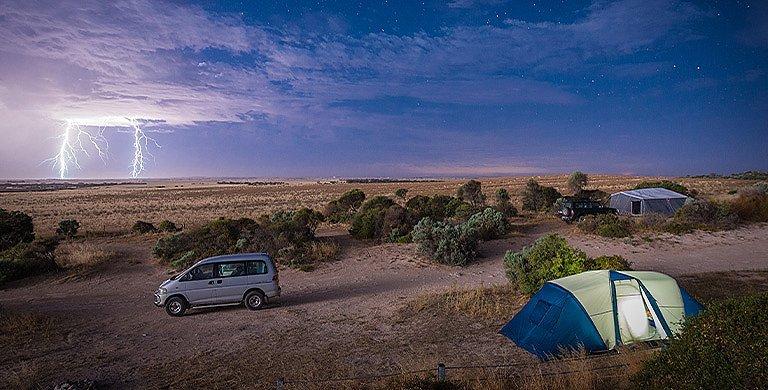
Leave the tent immediately. Find a sturdy building or a vehicle nearby. Avoid small shelters like tents or open sheds. Stay inside until the storm passes completely.
Avoiding Tall Objects And Water
Stay away from tall trees, poles, and metal objects. Lightning strikes tall points first. Do not stand near water, such as lakes or rivers. Water conducts electricity and increases danger.
Staying Low And Dry
Find a low spot away from hills or ridges. Squat down with your feet together and your head low. Keep your body dry by staying under a waterproof cover or tarp. Dryness helps reduce shock risks from lightning.
Credit: www.columbia.com
Handling Emergency Situations
Handling emergency situations during a thunderstorm is vital when tent camping. Storms can change quickly. Staying calm and knowing what to do can protect your life. Prepare yourself to act fast and smart. Your safety depends on your actions.
Responding To Lightning Strikes
Lightning can strike nearby without warning. If someone is hit, call for help immediately. Move the person to a safe area away from water and metal. Check if they are breathing and have a pulse. Perform CPR if needed until medical help arrives. Avoid touching the person if they are still in contact with the ground strike area.
Dealing With Flooding
Heavy rain can cause sudden flooding near your campsite. Move to higher ground as soon as you notice rising water. Do not try to cross flooded paths or rivers. Wet conditions make roads and trails slippery and dangerous. Secure your belongings and stay inside your tent if safe. Listen for emergency alerts about flooding in your area.
Using Emergency Communication
Always carry a charged mobile phone or emergency radio. Use these devices to call for help or check weather updates. If you lose signal, try moving to open spaces or higher ground. Keep emergency numbers written down for quick access. Let someone know your location and situation as soon as possible.
Post-storm Actions
After a thunderstorm passes, taking the right steps helps keep you safe and your gear in good shape. The time after the storm is important for checking what happened and getting ready for the rest of your trip.
Checking For Damage
Start by looking around your campsite for any damage. Check the tent for holes, tears, or broken poles. Look for fallen branches or debris near your area. Make sure no water is pooling inside the tent. Check your belongings for wetness or dirt. Safety is key, so watch for slippery or unstable ground.
Drying And Storing Gear
Take wet clothes, sleeping bags, and blankets out to dry in the sun. Hang them on a line or spread them on clean surfaces. Open the tent fully to air it out and help it dry faster. Pack gear only after it is mostly dry. Wet gear can cause mold and bad smells. Store items in waterproof bags or containers to keep them dry.
Planning The Next Steps
Think about your plans for the rest of your camping trip. Decide if you need to move to a safer spot. Check the weather forecast for more storms. Make sure your phone or radio works to get updates. Share your plan with someone outside the campsite. Stay calm and ready for any changes.

Credit: www.youtube.com
Frequently Asked Questions
What Is The Safest Spot To Pitch A Tent During A Thunderstorm?
Pitch your tent away from tall trees, open fields, and hilltops. Choose low ground but avoid waterlogged areas to prevent flooding. Stay clear of isolated objects that can attract lightning strikes for safer camping during thunderstorms.
How Should I Protect Myself Inside A Tent During Lightning?
Stay inside the tent and avoid touching metal parts. Keep electronic devices unplugged and away from you. Use a sleeping pad or insulated groundsheet to reduce electric shock risk during lightning storms while tent camping.
Can I Use A Tent During Heavy Rain And Thunder?
Yes, but ensure your tent is waterproof and well-ventilated. Secure all zippers and rain flies to keep water out. Avoid standing water near the tent to prevent flooding and maintain safety in storms.
What Emergency Items Should I Have For Thunderstorm Camping?
Carry a weather radio, flashlight, and extra batteries. Pack a first aid kit and waterproof matches. Having emergency gear ensures you stay informed and prepared if a thunderstorm occurs while camping.
Conclusion
Camping in a thunderstorm can be scary but staying calm helps a lot. Find safe spots, avoid tall trees, and keep away from water. Keep your tent low and use a flashlight to see. Listen to weather updates if you can.
Stay inside your tent until the storm ends. Preparing well makes your trip safer and more fun. Remember, safety comes first in bad weather. Enjoy nature, but respect its power. Stay alert and ready for sudden changes. Your careful actions protect you and your camping friends.
