
Looking to rent an apartment in New York City? Timing can make a huge difference in how much you pay and what kind of place you find.
You want to avoid high prices and fierce competition, right? Knowing the best time to rent in NYC can save you money and stress. You’ll discover exactly when to start your search so you can get the best deal and the perfect home.
Keep reading—your ideal NYC apartment is closer than you think.

Credit: www.skybriz.com
Seasonal Trends In Nyc Rentals
Renting an apartment in New York City changes with the seasons. The rental market has clear patterns throughout the year. Knowing these can help renters find better deals and avoid stress.
Seasonal trends affect prices, availability, and competition. Some months have many apartments to choose from. Others offer lower prices but fewer options.
Peak Moving Months
Summer is the busiest time for renting in NYC. Many people move between June and September. Schools are out, and families prefer to relocate then. Demand rises, and prices go up. Apartments rent fast. Renters must act quickly or miss out.
Winter Advantages
Winter is the slowest season for rentals. Fewer people want to move in cold weather. This lowers demand and often drops prices. Landlords may offer deals to fill empty units. Renters find better bargains and less competition. Moving in winter can save money.
Spring And Summer Rush
Spring starts the rental market’s busy period. More apartments become available. Many renters begin searching for summer moves. Competition grows, and prices climb steadily. Apartments spend less time on the market. Acting fast is key during this rush.
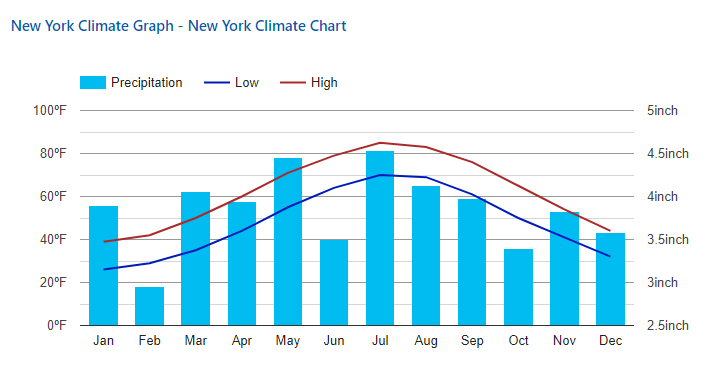
Credit: www.flatrate.com
Monthly Rent Fluctuations
Monthly rent prices in New York City change throughout the year. These shifts affect when renting becomes more affordable or expensive. Knowing these patterns helps renters plan better and save money.
Price Drops In Winter
Rent prices usually fall during winter months. Fewer people search for apartments then. Landlords lower rents to attract tenants. This season offers good deals and less competition.
Higher Costs In Summer
Summer is the busiest rental season in NYC. Many people move during this time. Demand for apartments grows. As a result, rents rise. Expect to pay more if you rent in summer.
Negotiation Opportunities
Landlords may accept lower offers during slow months. Winter and late fall are best for negotiation. Showing flexibility can lead to discounts. Always ask if rent can be lowered.
Neighborhood Variations
Renting in New York City varies greatly by neighborhood. Each area has its own rhythm and price shifts. Understanding these differences can help renters find the best deals. Timing your move depends on local market trends and demand. Let’s explore how Manhattan, Brooklyn, and Queens differ in rental patterns.
Manhattan Market Patterns
Manhattan has a fast and competitive rental market. Prices tend to drop slightly in winter months. December through February sees fewer renters hunting for apartments. Landlords may offer small discounts or incentives then. Spring and summer bring high demand and higher prices. Most new leases start in May and June. This period is best for quick rentals but not the best for deals.
Brooklyn Rental Cycles
Brooklyn’s market is more varied by neighborhood. Popular areas like Williamsburg stay busy all year. Less crowded neighborhoods may see price dips in winter. Autumn offers good chances to rent at lower prices. Many leases end in August or September. This creates a surge in available apartments. Watch for deals after this peak rental season.
Queens And Beyond
Queens has a slower rental market than Manhattan and Brooklyn. Neighborhoods like Astoria and Long Island City attract steady renters. Prices drop slightly in late fall and winter. Spring brings more choices but higher costs. Outside Queens, rental cycles are less predictable. Smaller towns may not follow city-wide trends. Check local listings often to catch good offers.
Factors Affecting Rental Prices
Rental prices in New York City change for many reasons. Understanding these reasons helps renters choose the best time to move. Prices depend on how many apartments are available and how many people want them. Other factors include the economy and special events in the city. These affect how much landlords charge.
Supply And Demand
The number of apartments and the number of renters affect prices. When many people want apartments but few are free, prices rise. When more apartments are empty, prices drop. Seasons also change demand. Summer has more renters, so prices go up. Winter is slower, so landlords lower prices.
Economic Influences
The economy impacts rental prices a lot. When jobs are easy to find, more people move to the city. This raises demand and rent prices. If the economy is bad, fewer people move in. Landlords may lower rents to fill apartments. Interest rates and inflation also affect rental costs.
Local Events And Trends
Big events in NYC can change rental prices. Events like holidays or festivals attract visitors and workers. This can make apartments more expensive temporarily. Trends, such as new businesses or schools opening, also change demand. Neighborhood popularity shifts prices up or down.
Tips For Timing Your Search
Timing your search for an apartment in NYC can save you money and stress. Knowing when to start and how to stay flexible helps find better deals. Market data gives clues about the best periods to rent. Planning your search with these tips makes the process easier and faster.
When To Start Looking
Start your apartment search about 30 to 60 days before moving. This period shows the most options available. Too early means fewer listings. Too late means higher prices and less choice. Keep checking listings daily to catch new apartments fast.
Flexibility Benefits
Being flexible with move-in dates can lower rent costs. Landlords offer discounts during slower months. Weekdays also have fewer applicants than weekends. Flexibility in location or apartment size opens more choices. Small changes can lead to big savings.
Using Market Data
Look at rental trends to pick the best time to rent. Winter months often have lower rents and fewer renters. Summer shows more listings but higher prices. Use websites and reports that track NYC rental prices monthly. Data helps plan your search smartly and avoid high costs.
Credit: streeteasy.com
Frequently Asked Questions
When Is The Cheapest Month To Rent In Nyc?
January and February are typically the cheapest months to rent in NYC. Demand drops after the holidays, leading to lower prices. Landlords often offer deals to fill vacancies during this slow season. Renting in winter can save you money and give more negotiation power.
How Does Season Affect Nyc Rental Prices?
Rental prices in NYC generally rise in spring and summer. This is when demand peaks due to job relocations and college graduations. Winter months see less competition, causing prices to drop. Understanding seasonal trends helps renters time their search for better deals.
Is Renting In Nyc Better During Winter Or Summer?
Renting in winter offers lower prices and less competition. Summer has more inventory but higher prices due to demand. Choosing depends on your budget and urgency. Winter is best for savings; summer suits those wanting more options.
What Is The Best Time To Find Nyc Rental Deals?
Late fall to early winter is ideal for finding NYC rental deals. Landlords aim to fill units before year-end, often reducing rent or fees. This period offers fewer renters and more bargaining power, making it optimal for budget-conscious tenants.
Conclusion
Finding the best time to rent in NYC can save you money and stress. Rent prices often drop in winter, offering better deals. Spring and summer bring more choices but higher costs. Planning ahead helps you act fast when good apartments appear.
Keep track of market trends and neighborhood changes. Remember, your needs matter most when choosing the right moment. Patience and research lead to smarter renting decisions in New York City. Start early, stay flexible, and find the home that fits you best.
