
Have you ever wondered what a tantrum really means in English? Maybe you’ve seen a child suddenly burst into loud crying or angry shouting, and someone called it a tantrum.
But what does that word actually describe? Understanding the true meaning of tantrum can help you recognize emotions, control reactions, and even improve your communication with others. Keep reading, and you’ll discover exactly what a tantrum is—and why it matters to you.

Credit: www.iamfy.co
Definition Of Tantrum
The word “tantrum” is common in everyday English. It describes a strong emotional outburst. Usually, it shows anger or frustration. People use it to talk about children. They often have tantrums when upset or tired. Adults can have tantrums too, but less often.
Understanding the exact meaning helps in using the word correctly. It also helps in recognizing behavior in others.
What Does Tantrum Mean?
A tantrum is an uncontrolled display of anger or frustration. It happens suddenly and is often loud. People may shout, cry, or throw things. Tantrums can last a few seconds or several minutes. They are common in young children but can occur in adults.
Why Do People Have Tantrums?
Tantrums happen when someone feels upset and cannot express it calmly. Children especially use tantrums to get attention or show needs. Adults may have tantrums due to stress or strong emotions. It is a way to release built-up feelings quickly.
Examples Of Tantrum Behavior
Common actions during a tantrum include screaming, crying loudly, and kicking. Some may hold their breath or throw themselves on the ground. These behaviors show strong feelings that need to be understood. Recognizing these signs helps in handling the situation better.
Common Causes Of Tantrums
Tantrums are strong emotional outbursts. They happen often in children but can occur at any age. Understanding what causes tantrums helps us handle them better. Many factors can trigger these intense reactions.
Here are some common causes of tantrums to know about.
Frustration And Lack Of Control
People, especially children, throw tantrums when they feel frustrated. They want to do or have something but cannot. This feeling of helplessness leads to loud crying or yelling.
Need For Attention
Tantrums can happen because someone wants attention. They may feel ignored or left out. Acting out is a way to get noticed quickly.
Physical Discomfort
Hunger, tiredness, or illness can cause tantrums. The body feels uncomfortable and reacts with anger or sadness. These feelings are hard to express in words.
Difficulty Expressing Emotions
Some people struggle to say how they feel. They use tantrums to show anger, sadness, or fear. This happens a lot in young children still learning to talk.
Testing Limits
Children often test boundaries to see what they can do. Tantrums may arise when they face a “no” or rule. It is a way to challenge authority or seek control.
Typical Tantrum Behaviors
Typical tantrum behaviors show how a person, often a child, reacts to strong emotions. These actions happen when someone feels upset or frustrated. Tantrums are common and part of growing up.
Understanding these behaviors helps recognize when someone is having a tantrum. It also helps to respond calmly and kindly.
Shouting And Crying
Shouting loud is a common tantrum behavior. Crying hard often happens at the same time. Both show strong feelings inside. It can be hard to stop once it starts.
Stomping And Throwing Things
Stomping feet or hitting objects shows anger. Throwing toys or items happens to express frustration. These actions catch attention quickly.
Refusing To Listen
During a tantrum, a person may ignore others. Saying “no” repeatedly is usual. They do not want to follow instructions at this moment.
Lying On The Floor Or Holding Breath
Some lie down on the floor to show upset. Holding breath or gasping can happen too. These acts show strong feelings without words.
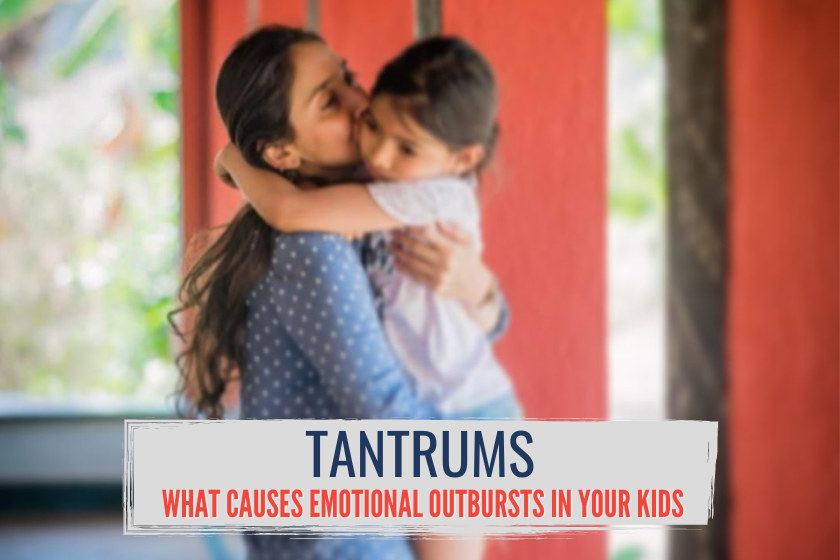
Credit: kidsstoppress.com
Tantrums In Children Vs Adults
Tantrums happen in both children and adults. They show strong feelings like anger or frustration. Understanding the differences helps us respond better. Children and adults express tantrums in different ways. Their reasons and reactions vary too.
Tantrums In Children
Children often throw tantrums when they cannot speak well. They feel upset or want something they cannot get. Tantrums may include crying, shouting, or stomping feet. Young kids use tantrums to show feelings. They need help to calm down and learn control.
Tantrums In Adults
Adult tantrums are less obvious but still happen. Adults may yell, slam doors, or withdraw. Their tantrums come from stress or unmet needs. Adults often hide feelings until they burst out. These outbursts can hurt relationships and work life.
Key Differences Between Child And Adult Tantrums
Children lack skills to manage emotions. Adults know better but may lose control. Kids want attention or comfort. Adults want respect or fairness. Adult tantrums last shorter but feel more intense. Children’s tantrums happen often and seem random.
Cultural Views On Tantrums
Tantrums are seen differently across the world. Culture shapes how people view and react to them. Some cultures see tantrums as normal in children. Others think tantrums show bad behavior or lack of control. Understanding these views helps us learn about social rules and parenting styles.
Cultural Acceptance Of Tantrums
In some cultures, tantrums are a natural part of childhood. Adults may respond with patience and calm. They believe children need to express feelings openly. This approach helps children learn to manage emotions over time.
Tantrums As A Sign Of Disrespect
Other cultures see tantrums as rude or disrespectful. Children are expected to control emotions in public. Tantrums might bring shame to the family. Parents may quickly stop this behavior with strict rules.
Parenting Styles And Tantrums
Parenting styles affect how tantrums are handled. Some parents use gentle discipline and talk through feelings. Others use firm discipline to stop tantrums fast. These styles reflect cultural beliefs about authority and respect.
Public Reaction To Tantrums
Public views on tantrums vary widely. In some places, people ignore tantrums in public. In others, bystanders may judge parents or scold the child. Social pressure can influence how parents react in these moments.
Managing And Preventing Tantrums
Tantrums are common in young children. They show strong feelings like anger or frustration. Managing and preventing tantrums helps keep calm and peace. It also teaches children how to handle emotions better.
Parents and caregivers play a key role in this. They can use simple steps to reduce tantrums. The goal is to understand the child’s needs and guide their behavior.
Recognize Early Signs Of A Tantrum
Look for changes in the child’s mood. They may become restless or quiet. Sometimes, they may frown or cry softly. Spotting these signs early helps stop a tantrum.
Act quickly by distracting the child. Offer a toy or start a new activity. This shifts their focus from upset feelings.
Stay Calm And Use A Soft Voice
Children copy adult behavior. Staying calm shows them how to handle stress. Speak softly and clearly. This reduces tension and helps the child feel safe.
A calm voice can stop a tantrum from growing. It makes the child listen and think better.
Set Clear And Simple Rules
Children need clear limits to feel secure. Use simple words to explain rules. Repeat them often to help the child remember.
Consistent rules reduce confusion and frustration. This lowers the chance of tantrums.
Offer Choices To Empower The Child
Giving small choices helps children feel in control. Ask if they want juice or water. Let them pick a toy or book.
Choices reduce power struggles. Children learn to express their wants calmly.
Use Positive Reinforcement
Praise good behavior to encourage it. Say “Well done” or “Thank you” often. Positive words help children want to behave well.
This approach builds confidence and reduces tantrums over time.
Psychological Perspectives On Tantrums
Tantrums are more than just loud cries and angry outbursts. Psychologists study tantrums to understand what triggers them and what they mean about a person’s feelings and needs. Tantrums often show up in young children but can occur at any age. They reveal how someone handles frustration, stress, or lack of control.
Understanding tantrums helps caregivers and teachers respond better. It also guides ways to help children learn to express emotions calmly. Psychology views tantrums as signals, not just bad behavior.
Emotional Expression Through Tantrums
Tantrums are a way to express strong feelings. Young children may not know how to use words for their anger or sadness. They use tantrums to show what they feel inside. This expression helps release built-up tension and stress.
Tantrums And Emotional Development
Children learn to control emotions as they grow. Tantrums happen when this skill is still developing. They show where a child struggles with patience and self-control. Over time, children replace tantrums with better ways to express feelings.
Triggers Behind Tantrums
Tantrums often start from frustration or unmet needs. Hunger, tiredness, or feeling ignored can lead to outbursts. Sometimes, changes in routine or environment cause stress. Recognizing these triggers helps reduce tantrums.
Strategies To Manage Tantrums
Calm responses help children feel safe. Ignoring minor tantrums can teach limits. Giving attention to positive behavior encourages self-control. Clear rules and routines also reduce tantrum frequency.
Credit: www.youtube.com
Frequently Asked Questions
What Does Tantrum Mean In Simple English?
A tantrum is an emotional outburst of anger or frustration. It often involves crying, shouting, or stubborn behavior. Tantrums are common in young children but can happen at any age when someone feels overwhelmed or upset.
Why Do Children Throw Tantrums Frequently?
Children throw tantrums to express feelings they cannot yet verbalize. It helps them release frustration or seek attention. Tantrums happen during moments of stress, tiredness, or when children don’t get what they want.
How Can Adults Handle A Child’s Tantrum Effectively?
Stay calm and patient during a tantrum. Avoid giving in to unreasonable demands. Offer comfort and distraction once the child calms down. Consistent boundaries help reduce tantrum frequency over time.
Is Having A Tantrum Normal For Adults Too?
Yes, adults can have tantrums, though less common. Adult tantrums involve intense anger or frustration outbursts. Managing emotions and stress reduces the chance of adult tantrums.
Conclusion
A tantrum means a sudden, strong outburst of anger or frustration. People often see it in children but adults can have tantrums too. Understanding the word helps you recognize emotions better. It shows how feelings sometimes burst out quickly. Knowing this can improve how you talk about emotions in English.
Use the word when describing strong, sudden anger or upset. It makes your language clearer and more natural. Remember, everyone feels upset sometimes. A tantrum is just one way to show it.
