
Looking to rent an apartment in New York City? Timing can make a huge difference in how much you pay and what kind of place you get.
You want to find the perfect home without breaking the bank or missing out on the best options. But when exactly is the best time to rent in NYC? Keep reading, and you’ll discover insider tips that can save you money and stress.
Your ideal apartment might be just a few smart moves away.

Credit: www.skybriz.com
Seasonal Rental Trends
Seasonal rental trends in NYC affect prices and availability. Understanding these trends helps renters find better deals. The city sees clear patterns each year that impact the rental market.
Demand rises and falls with the seasons. This creates times that are busier and others that are calmer for renting apartments. Knowing these times helps you plan your move smartly.
Peak Moving Months
Summer months, especially June to August, are the busiest for moving in NYC. Many people finish school and start new jobs during this time. Apartments get rented quickly and prices often rise.
High demand means fewer choices and more competition. Landlords raise rents because they know many renters want apartments. Moving in summer can be stressful and costly.
Off-peak Advantages
Winter months, from December to February, are slower for rental activity. Fewer people move during cold weather and holidays. This means more options and lower rents.
Landlords may offer discounts or flexible lease terms to fill apartments. Renters can negotiate better deals and face less competition. Off-peak times provide a good chance to save money and find hidden gems.
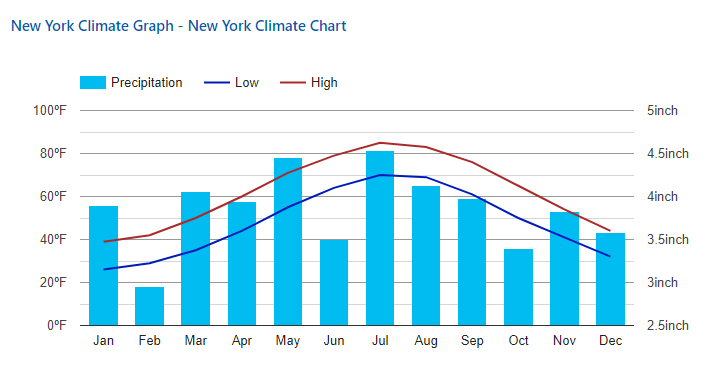
Credit: www.flatrate.com
Monthly Rent Fluctuations
Monthly rent prices in New York City change a lot. These changes depend on the time of year and special events. Understanding these shifts helps renters choose the best moment to find a good deal. Rent can be higher or lower depending on the season or holidays. Knowing these patterns saves money and stress.
Price Variations By Season
Rent prices usually go up in spring and summer. Many people move during these months. Demand for apartments rises, so landlords charge more. Fall and winter are quieter times. Fewer renters mean lower prices. Apartments often cost less between November and February. This period can be the best time to rent cheaply.
Impact Of Holidays
Holidays affect rent prices too. Around Christmas and New Year, fewer people move. Landlords might lower prices to attract tenants. Rent can drop slightly during these times. In contrast, prices may rise after big holidays. Landlords expect more demand, so they increase rent. Planning your move around holidays can save money.
Neighborhood Considerations
Choosing the right neighborhood is key when renting in NYC. Each area has its own vibe, price range, and perks. Understanding these differences helps find a spot that fits your lifestyle and budget. Some neighborhoods are well-known and always in demand. Others are growing and offer better deals. Knowing where to look can save money and stress.
Popular Areas And Pricing
Popular neighborhoods like Manhattan, Brooklyn, and Queens attract many renters. These areas have easy access to work, schools, and entertainment. Prices tend to be higher due to demand. Manhattan apartments usually cost the most, especially in Midtown and Downtown. Brooklyn offers diverse options but still leans pricey in areas like Williamsburg and DUMBO. Queens has more affordable spots but prices rise near subway lines. Renting here means paying a premium for convenience and community.
Emerging Neighborhood Deals
Newer neighborhoods gain attention for affordable rents and fresh developments. Places like Bushwick, Harlem, and parts of the Bronx offer lower prices. These areas are improving with new shops, parks, and transit options. Renters find bigger spaces and modern buildings at better rates. Choosing an emerging neighborhood can mean more value for money. It also offers a chance to join a growing community before prices increase.
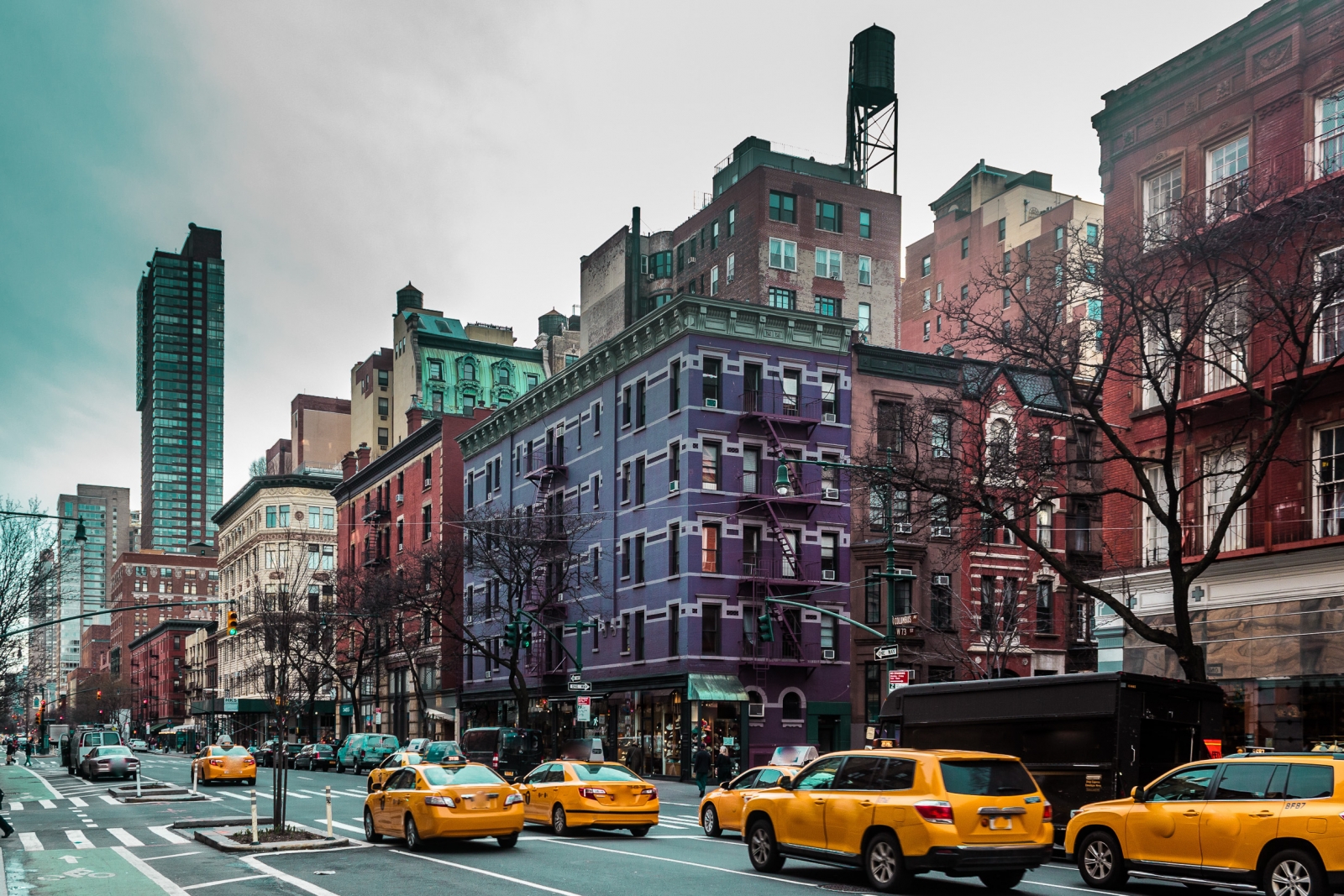
Credit: streeteasy.com
Market Factors Influencing Rent
Rent prices in New York City change due to several market factors. Understanding these helps renters find the best time to lease an apartment. The market shifts based on many influences. Each factor affects supply, demand, and price.
Supply And Demand Dynamics
Rent levels rise when many people want apartments but few are available. NYC often faces high demand because many want to live here. Supply depends on new buildings and vacancies. More apartments mean more choices and lower prices.
During certain months, fewer people move, so demand drops. Landlords may lower rent to fill empty units. This creates good opportunities for renters. Knowing when supply is higher helps save money.
Economic Indicators
The economy strongly impacts rent prices. Jobs and income levels affect how much people can pay. When the economy is strong, more people move to NYC. This pushes rent prices up.
During economic slowdowns, fewer people move or can afford rent. Landlords might lower prices to attract tenants. Watching job reports and income trends can guide renters.
Tips For Timing Your Rental Search
Timing your rental search in NYC can save money and reduce stress. Knowing when to start and how to negotiate helps find better deals. Small changes in timing can lead to lower rent and more choices.
This section shares simple tips to plan your search well. Follow these ideas to improve your chances of getting a good apartment.
When To Start Looking
Begin your search one to two months before moving. Landlords often list apartments about 30 to 60 days ahead. Searching too early means fewer options. Searching too late limits your choices and raises prices.
Winter months offer fewer renters and lower prices. Summer has more choices but also more competition. Aim for late winter or early spring for balance. Check listings often to catch new apartments fast.
Negotiation Strategies
Try asking for a lower rent politely. Landlords may agree during slow months or if apartments stay empty. Offer to sign a longer lease for a discount. Mention if you have a strong credit score or steady income.
Be ready to move quickly to show you are serious. Use market knowledge to support your offer. Small savings add up over a year. Always be respectful and clear in communication.
Frequently Asked Questions
When Is Nyc Rent Typically Lowest?
NYC rents are typically lowest during winter months, especially January and February. Demand drops, leading to better deals and more negotiation power.
Which Months Offer The Best Rental Deals In Nyc?
January through March generally offer the best rental deals in NYC. Landlords reduce prices due to lower demand and fewer renters searching.
Is Summer A Good Time To Rent In Nyc?
Summer is the busiest rental season in NYC. Prices are higher, and competition increases, making it less ideal for bargain hunters.
How Does Lease Timing Affect Nyc Rent Prices?
Signing a lease during off-peak seasons can lower rent costs. Timing your rental search strategically can save you money in NYC.
Conclusion
Renting in NYC changes with each season. Winter often brings lower prices and less competition. Summer has more options but higher costs. Spring and fall fall in between, balancing price and availability. Plan your search based on your needs and budget.
Watch for deals and act fast when you find one. Timing can save you money and stress. Choose wisely and enjoy your new home in the city.
