
Are you wondering what sets hiking apart from mountaineering? You might think they’re the same, but there’s more to these activities than just walking in nature.
Understanding the difference can help you choose the right adventure for your skills and goals. Whether you want a relaxing day outdoors or a challenging climb, knowing what to expect will keep you safe and make your experience more enjoyable.
Keep reading to discover how hiking and mountaineering really differ—and find out which one is the perfect fit for you.

Credit: www.broamer.com
Hiking Basics
Hiking is a popular outdoor activity. It involves walking on trails or paths in nature. People hike to enjoy fresh air, exercise, and beautiful views. Hiking can be easy or challenging, depending on the trail. Knowing the basics helps you prepare well for your hike.
Typical Terrain
Hiking trails usually have dirt, gravel, or rocky surfaces. Trails can go through forests, hills, or fields. Some trails are flat and easy to walk. Others have small hills or uneven ground. Most trails do not require climbing steep rocks or ice.
Equipment Needed
Hiking gear is simple and light. A good pair of hiking shoes or boots is important. Carry water, snacks, and a small backpack. Dress in layers to stay comfortable. A map or GPS device helps you stay on the trail. Walking sticks can help on rough paths.
Skill Levels
Hiking suits all skill levels. Beginners can choose short, flat trails. Experienced hikers try longer or steeper routes. Basic skills include reading maps and pacing yourself. No special training is needed for most hikes. Hiking improves fitness and confidence over time.
Credit: www.revolutionrace.com
Mountaineering Essentials
Mountaineering is a tough and exciting activity. It is more than just walking on trails. It demands careful planning and special tools. Understanding the essentials helps prepare for the climb safely and confidently.
Every mountaineer faces harsh weather and rough paths. The right gear protects from cold, wind, and snow. Skills to use this gear keep climbers safe and steady.
Challenging Conditions
Mountaineers face strong winds, ice, and steep slopes. Weather can change very fast. Snow and cold temperatures add to the risk. These conditions need constant attention and care.
Specialized Gear
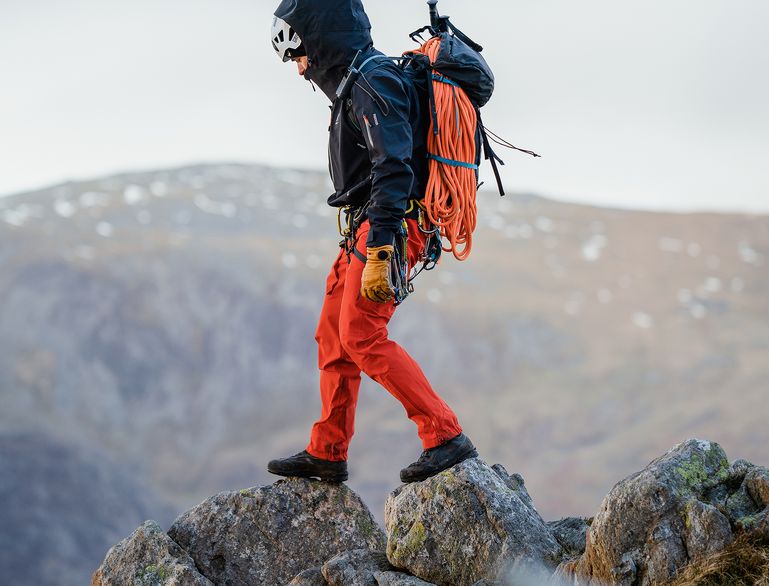
Mountaineering requires boots with good grip and warmth. Ice axes and crampons help climb icy surfaces. Helmets protect from falling rocks and ice. Layers of warm, waterproof clothing keep the body safe.
Technical Skills Required
Knowing how to use ropes is vital. Skills in climbing and self-arrest save lives. Reading weather and terrain helps avoid danger. Training in these skills is a must before climbing.
Physical Demands Compared
Hiking and mountaineering both test your body, but in very different ways. Understanding their physical demands helps you prepare better. Each activity challenges your strength, stamina, and skills uniquely. Knowing these differences can keep you safe and make your experience more enjoyable.
Endurance And Fitness
Hiking requires steady endurance over varied trails. You walk long distances, often on uneven ground. Your legs and lungs work hard but steadily. Mountaineering demands higher fitness levels. It involves climbing steep slopes and sometimes using your hands. Your body needs more strength and stamina. The air can be thinner at high altitudes, making breathing harder.
Risk Factors
Hiking risks are usually mild, like slips or sprains. Trails are often marked and easier to follow. Mountaineering carries greater risks. Falling, avalanches, and sudden weather changes are common dangers. The terrain is more dangerous and less predictable. Proper gear and caution are critical to avoid accidents.
Preparation And Training
Hiking preparation is simpler. Basic fitness and good shoes are often enough. Mountaineering needs serious training and planning. You must learn climbing techniques and survival skills. Strength training and altitude practice help a lot. Preparing well reduces risks and boosts confidence.
Safety Measures
Safety is a top priority in both hiking and mountaineering. Each activity carries risks that need preparation and care. Understanding safety measures helps prevent accidents and keeps adventures enjoyable.
Common Hazards
Hiking usually involves risks like slipping, uneven paths, and sudden weather changes. Animals and insects can also pose threats. Mountaineering adds dangers such as falling rocks, avalanches, and extreme cold. Altitude sickness affects mountaineers at high elevations. Knowing these hazards helps in planning and staying alert.
Emergency Protocols
Both activities require a plan for emergencies. Carry a first aid kit and know basic treatment steps. Always share your route and expected return time. Use a whistle or signaling device for help. In mountaineering, carry extra gear like ropes and emergency shelters. Quick action saves lives in critical situations.
Guided Vs Solo Adventures
Guided trips offer expert knowledge and extra safety. Guides know the terrain and emergency steps. Solo hiking or mountaineering requires thorough preparation and experience. Solo adventurers must rely on their skills and gear. Choosing guided or solo depends on confidence, skill, and risk level.
Choosing Your Adventure
Choosing your adventure means deciding between hiking and mountaineering. Each offers a different experience. Both can be fun, but you must think about what fits you best. This choice depends on your goals, skills, and respect for nature.
Personal Goals
Think about what you want from the trip. Hiking is great for relaxing and enjoying nature. Mountaineering challenges your strength and skills. Some want peace and quiet. Others seek adventure and a sense of achievement.
Experience Levels
Hiking suits beginners and those with little training. Trails are usually safe and marked. Mountaineering needs more skills and training. It involves climbing and using special gear. Start small and build your experience over time.
Environmental Impact
Both activities affect nature, but in different ways. Hiking can cause trail erosion if many people walk the same path. Mountaineering may disturb fragile mountain areas. Respect the environment. Follow rules to keep nature safe for all.
Credit: ascentdescentadventures.com
Frequently Asked Questions
What Is Hiking Compared To Mountaineering?
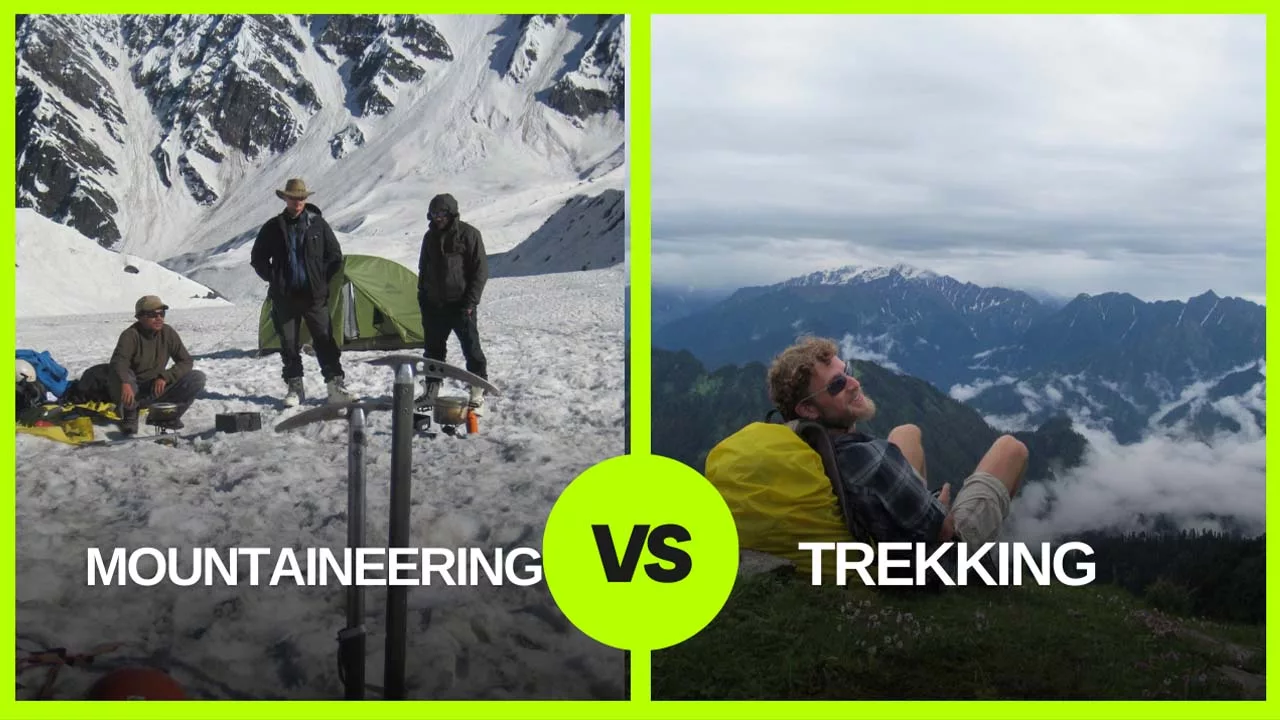
Hiking involves walking on trails or paths, usually at lower elevations. Mountaineering requires climbing steep, rugged terrains and often snow or ice. Hiking is less technical, while mountaineering demands specialized skills and equipment for safety and navigation.
Which Requires More Skills: Hiking Or Mountaineering?
Mountaineering requires more skills than hiking. It involves climbing techniques, navigation in harsh conditions, and use of gear like ropes and crampons. Hiking mainly needs basic fitness and trail navigation skills, making it accessible to most people.
Is Mountaineering More Dangerous Than Hiking?
Yes, mountaineering is generally more dangerous due to extreme weather, altitude, and technical challenges. Hiking risks are lower but can include slips, falls, and wildlife encounters. Proper preparation reduces risks in both activities.
What Equipment Is Needed For Hiking Vs Mountaineering?
Hiking gear includes sturdy shoes, a backpack, water, and weather-appropriate clothing. Mountaineering requires specialized equipment like helmets, ropes, ice axes, crampons, and protective clothing for extreme conditions.
Conclusion
Hiking and mountaineering offer different ways to enjoy nature. Hiking is easier, with clear paths and less gear. Mountaineering needs special skills and strong gear for tough climbs. Both activities help you stay active and explore outdoors. Choose based on your skill and what you enjoy.
Adventure waits in every step, whether on trails or snowy peaks. Try both to find your perfect outdoor challenge. Nature’s beauty is there for everyone to discover.
