
Your hiking boots are your most trusted companion on every trail. But how do you know when they’ve reached the end of their road?
Worn-out boots can cause discomfort, blisters, or even injuries, turning your adventure into a struggle. If you’re not sure whether your boots still have life left in them or if it’s time to replace them, this article will help you spot the signs.
Keep reading to protect your feet and make every hike safer and more enjoyable.

Credit: www.reddit.com
Boot Sole Wear
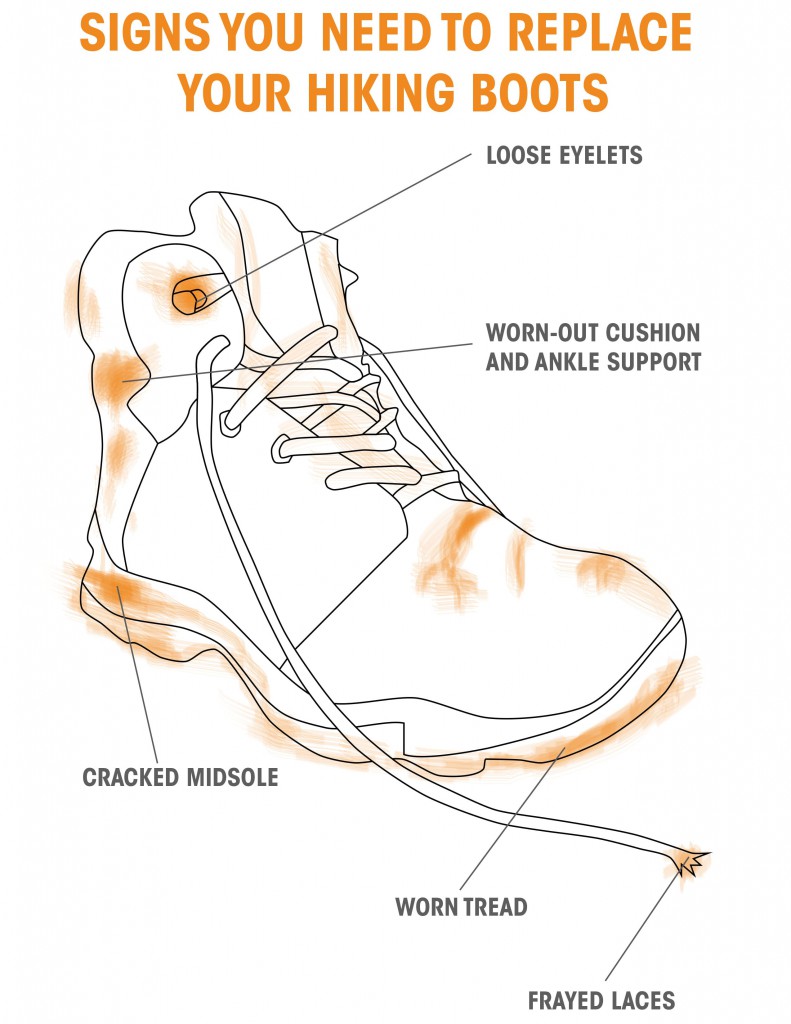
The sole of your hiking boots takes the most impact during every trail walk. Over time, it wears down and loses its grip. Checking the sole’s condition helps you decide if it’s time for new boots. Worn soles can cause slips and reduce comfort. Pay attention to signs of wear to stay safe on hikes.
Tread Depth And Pattern
The tread on hiking boots provides traction on rough and slippery surfaces. Deep and sharp treads grip better. If the tread looks flat or smooth, it means the sole is worn out. Trails become more dangerous with less grip. Uneven tread wear also affects balance and comfort. Compare your boots to new ones to see the difference.
Cracks And Separation
Look closely for cracks in the sole material. Small cracks can grow larger and cause sole failure. Check if the sole is separating from the boot’s upper part. Separation lets water and dirt inside, making hikes uncomfortable. Loose soles reduce stability and increase injury risk. Fixing or replacing boots with these problems is important.
Upper Material Damage
The upper part of hiking boots protects your feet and keeps them dry. It faces rough use on trails. Damage here can make boots less safe and comfy. Watch the upper material closely to know when boots need replacing. Small problems often grow fast.
Tears And Holes
Tears and holes in the upper let water and dirt inside. Wet feet cause blisters and cold. Large tears reduce boot support. Small holes can quickly get bigger. Check boots for cuts or holes after hikes. Replace boots if damage is severe.
Fraying Seams
Seams hold the boot parts together. Fraying seams mean threads are coming loose. This weakens the boot’s structure. Seams may open more on trails. Loose seams let water enter the boots. Fixing frayed seams is hard and often fails. Replace boots if many seams are worn out.
Midsole Compression
The midsole is the heart of hiking boots. It sits between the outsole and the insole. This part absorbs shock and gives your feet comfort. Over time, the midsole can get crushed and lose its shape. This is called midsole compression. It shows that the boots are wearing out and may not protect your feet well anymore.
Loss Of Cushioning
The midsole cushions your steps. It makes hiking easier on your joints. When the midsole compresses, it feels hard and flat. The soft feel disappears. You might notice pain in your feet or legs after hikes. The boots no longer absorb shocks well. This is a clear sign the cushioning is gone.
Reduced Support
Support keeps your foot stable on rough trails. The midsole helps keep your foot steady. With compression, support fades. Your foot may roll or slide inside the boot. This can cause blisters or injuries. The boots feel less secure. Reduced support means it is time to replace them.
Insole Condition
The insole is a key part of hiking boots. It provides comfort and support during long walks. Over time, insoles change and show signs of wear. Checking the insole condition helps know if boots need replacement. Two main signs are flattening and odor.
Flattening And Wear
Insoles lose their shape after many hikes. They become flat and thin. This reduces cushioning under your feet. You may feel more pressure on hard surfaces. Arch support may also weaken. Flat insoles cause discomfort and may lead to foot pain. Removing the insole to check its shape is a good idea. If it looks worn or compressed, it is time to replace it.
Odor And Hygiene
Insoles absorb sweat and dirt. Over time, they can smell bad. Persistent odor means bacteria or fungus growth. This can cause foot infections or blisters. Washing insoles sometimes helps but may not remove deep odor. If bad smell stays after cleaning, consider new insoles or boots. Clean insoles keep feet healthy and fresh on every hike.
Fit And Comfort Changes
Fit and comfort are key to good hiking boots. Over time, boots may change how they feel on your feet. These changes can show that your boots are worn out. Pay attention to how your feet react during hikes. Unusual pain or discomfort can signal trouble. Small issues can grow into big problems if you ignore them.
Increased Blisters
Blisters can form more easily in old boots. Worn-out padding and lining cause friction. Your feet rub against rough or loose areas. This constant rubbing creates painful blisters. New boots usually protect your feet better. More blisters mean your boots may no longer fit well.
Slipping And Instability
Boots lose their grip and support over time. The sole can wear thin, reducing traction. Your foot may slip inside the boot. This causes instability on rough trails. Twisted ankles become more common. Boots that feel loose or unstable need replacing soon.
Waterproofing Breakdown
Waterproofing is a key feature of hiking boots. It keeps your feet dry during wet hikes. Over time, waterproofing can break down. This means water starts to seep inside. Recognizing this breakdown helps you know when to replace your boots. Watch for signs that show your boots no longer keep water out.
Leaks And Wet Feet
Wet feet are the first sign of waterproof failure. Even a small leak can cause discomfort. Water may enter through seams or worn areas. Boots should stay dry in rain and puddles. If you feel dampness inside, waterproofing has weakened. Check for wet spots after hiking in wet conditions. Persistent leaks mean the boots no longer protect well.
Material Stiffness
Waterproof materials lose flexibility over time. Boots may feel stiff or brittle. This stiffness causes cracks in the waterproof membrane. Cracks let water pass through easily. Flex your boots and look for cracks or creases. Stiff, cracked materials signal waterproofing is breaking down. Boots with hard or cracked materials need replacement soon.
Lacing System Issues
The lacing system is vital for hiking boots. It keeps your feet secure and comfortable. Problems here can show your boots are worn out. Watch for damage to eyelets and laces. These parts often face the most stress.
Broken Eyelets
Eyelets hold the laces in place. They are small but strong metal rings. Over time, they can crack or break. Broken eyelets make it hard to tie boots tightly. Loose boots cause blisters and foot pain. Broken eyelets also let dirt and water in. Check your boots for missing or bent eyelets.
Worn Laces
Laces endure constant pulling and rubbing. Old laces become frayed and weak. They may snap during a hike, causing trouble. Worn laces affect how well boots fit. Replace laces if they show signs of wear. Strong laces help keep your feet stable.
Credit: www.sierra.com
When To Replace Hiking Boots
Knowing when to replace hiking boots is key for safe and comfortable hikes. Worn-out boots can cause pain and injuries. They lose support and grip over time. Replacing boots at the right time keeps your feet protected and stable. Watch your boots closely to spot signs of wear.
Mileage Guidelines
Most hiking boots last about 300 to 500 miles. This depends on the boot quality and trail conditions. Rough trails and heavy loads shorten boot life. Check your boots after every long hike. Keep track of total miles to know when to replace.
Performance Decline Indicators
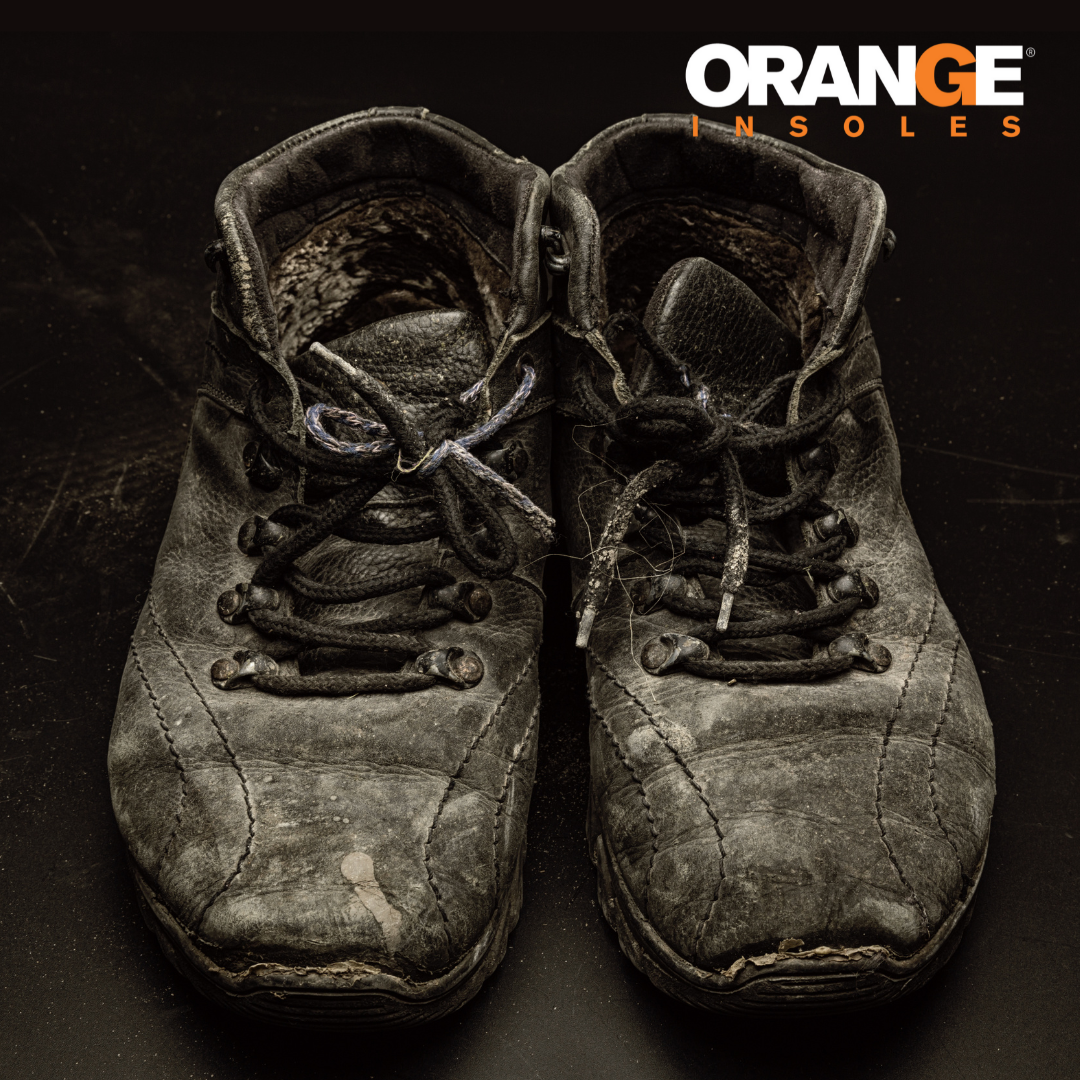
Notice if boots feel less stable or comfy. Worn soles reduce traction and cause slips. Cracked or torn uppers let water in. Loose or broken laces affect fit. If boots cause blisters or foot pain, it may be time to buy new ones. Don’t wait for major damage to replace boots.
Credit: www.orangeinsoles.com
Frequently Asked Questions
How Can I Tell If Hiking Boots Are Worn Out?
Check for sole wear, cracks, and reduced cushioning. Worn-out boots lose grip and support, increasing injury risk. Inspect the upper material for tears and the midsole for stiffness or sagging.
When Should Hiking Boots Be Replaced?
Replace boots after 500-800 miles or if comfort declines. Signs include sole separation, water leaks, or foot pain. Timely replacement ensures proper support and safety on trails.
What Signs Indicate Sole Wear On Hiking Boots?
Look for smooth spots, thinning tread, and cracks. Worn soles reduce traction and stability, making hikes unsafe. Uneven wear may also cause discomfort and foot fatigue.
Can Worn-out Hiking Boots Cause Foot Pain?
Yes, worn boots lose cushioning and support. This leads to blisters, joint pain, and fatigue. Properly maintained boots prevent injuries and improve hiking comfort.
Conclusion
Worn-out hiking boots can cause pain and injury. Check the soles for deep cracks or worn tread. Look for loose stitching or broken eyelets. Notice if the boots feel less supportive or comfortable. These signs mean it’s time to replace your boots.
Good boots keep your feet safe and dry. Don’t wait until your boots fail on the trail. Take care of your feet by choosing the right time to buy new boots. Stay comfortable and enjoy every hike with reliable footwear.
