
Have you ever wondered if hiking in the rain is a good idea? You might think wet trails and soggy clothes mean trouble, but there’s more to it than that.
Hiking in the rain can change your whole experience—sometimes for the better. Before you decide to stay inside or brave the storm, it’s important to know what to expect and how to prepare. Keep reading to discover the surprising benefits, hidden risks, and smart tips that will help you make the best choice for your next outdoor adventure.
Benefits Of Hiking In The Rain
Hiking in the rain offers many benefits for outdoor lovers. The experience feels fresh and different from sunny days. Trails become quieter, and nature shows new sides. Rain adds a unique charm to every step.
Refreshing Atmosphere And Scenery
Rain cools the air and cleans dust from leaves. The forest smells fresh and earthy. Plants look greener and shine with raindrops. Streams and waterfalls flow stronger and louder. This creates a peaceful and fresh hiking atmosphere.
Fewer Crowds On Trails
Many avoid hiking in the rain. Trails stay calm and empty. Quiet paths let you enjoy nature alone. It feels like having the whole forest to yourself. More space means a better, relaxed hike.
Unique Wildlife Encounters
Rain brings out animals not often seen. Birds sing more, and frogs croak loudly. Small creatures like snails and worms appear. Wet conditions reveal hidden wildlife activities. These moments create special memories on the trail.

Credit: www.reddit.com
Risks Of Rainy Hikes
Hiking in the rain can be exciting but comes with clear risks. Rain changes trail conditions and affects your safety. Knowing these risks helps you prepare better for wet weather hikes.
Slippery And Muddy Trails
Rain makes trails wet and slippery. Rocks and roots become slick and hard to walk on. Mud builds up, making paths messy and slow. One wrong step can cause a fall or injury. Extra care is needed to avoid slipping.
Reduced Visibility
Rain clouds and fog reduce how far you can see. Trails and markers become harder to spot. This can lead to getting lost or off track. Rain on glasses or goggles blurs vision more. Staying alert and moving slowly is important.
Increased Hypothermia Risk
Wet clothes cool your body quickly. Cold rain and wind make it worse. Your body loses heat fast in these conditions. Hypothermia can start if you stay cold and wet too long. Proper clothing and quick shelter help prevent this risk.
Gear Essentials For Rainy Hikes
Hiking in the rain needs special gear. Wet weather can make trails slippery and cold. Proper equipment keeps you dry and safe. It helps you enjoy the hike, no matter the weather. Below are the key gear essentials for rainy hikes.
Waterproof Clothing And Footwear
Choose a waterproof jacket with a hood. It stops rain from soaking your clothes. Wear quick-dry pants to avoid staying wet. Waterproof boots keep your feet dry and warm. Good boots also provide grip on slippery paths. Avoid cotton clothes; they hold water and feel cold.
Protecting Your Backpack
Use a rain cover for your backpack. It shields your gear from rain and mud. Pack items in waterproof bags inside the backpack. This extra layer protects electronics and food. Keep the backpack tight and close to your back. This helps balance and keeps rain out better.
Using Trekking Poles
Trekking poles improve stability on wet trails. They help you keep balance on slippery rocks. Adjust the poles to the right height. Use rubber tips for better grip on wet surfaces. Poles reduce stress on knees during steep climbs and descents. They make hiking in rain safer and easier.
Safety Tips On Wet Trails
Hiking on wet trails needs extra care. Slippery rocks and muddy paths can cause falls. Staying safe means planning and paying attention. Follow these safety tips to enjoy a safer hike in the rain.
Choosing The Right Trail
Pick trails with good drainage and solid ground. Avoid steep or rocky paths that get slippery fast. Trails with tree cover help protect from heavy rain. Shorter trails reduce the risk of long exposure to wet conditions.
Pacing And Resting
Walk slower than usual to keep balance. Take more breaks to avoid fatigue. Wet clothes and cold can drain energy quickly. Use rest time to check gear and dry off if possible. Stay calm and steady for a safer hike.
Staying Alert For Weather Changes
Watch the sky for sudden changes in weather. Rain can turn heavy or stop quickly. Carry a rain jacket and extra clothes in a waterproof bag. Know when to turn back if the storm gets worse. Staying alert helps avoid risky situations.
Preparing For Rainy Weather
Preparing for rainy weather is key to a safe and fun hiking trip. Rain can make trails slippery and visibility low. Being ready helps you avoid problems and enjoy the outdoors. Small steps can make a big difference when rain starts.
Proper planning keeps you warm, dry, and safe. It also helps you stay calm if the weather changes fast. Let’s explore how to prepare well for hiking in the rain.
Checking Weather Forecasts
Start by checking the weather forecast before your hike. Look for rain chances and how heavy the rain might be. Check updates often because weather can change quickly. Use reliable weather apps or websites for accurate info. Knowing the forecast helps you dress right and plan your route.
Packing Emergency Supplies
Pack extra clothes that dry fast and keep you warm. Bring a waterproof jacket and rain pants. Carry a small first aid kit for injuries. Include a flashlight or headlamp in case it gets dark early. Pack snacks and water to stay energized and hydrated. Emergency supplies prepare you for unexpected rain or delays.
Informing Someone About Your Plans
Tell a friend or family member where you will hike. Share your route and expected return time. This helps others know where to find you if needed. Keep your phone charged and carry a portable charger. Letting someone know your plans adds an important safety layer.
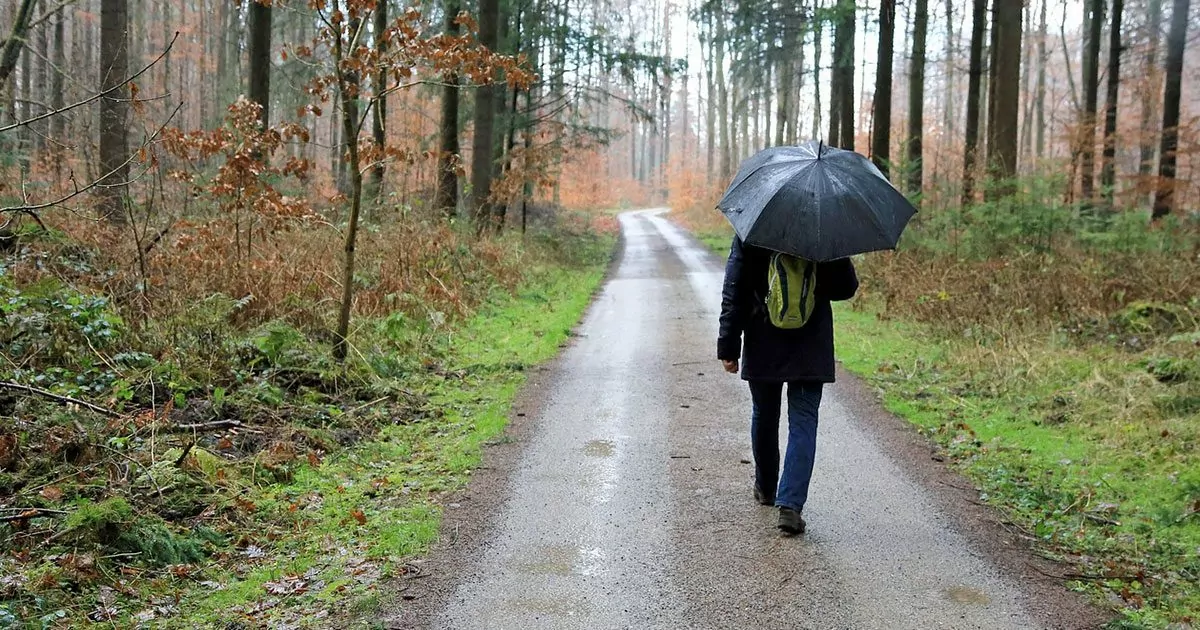
Credit: wildlandtrekking.com
Post-hike Care
After hiking in the rain, proper care is very important. Wet clothes and gear can cause discomfort and health risks. Taking time for good post-hike care helps you stay safe and ready for your next adventure.
Drying And Cleaning Gear
Start by drying your clothes and shoes as soon as possible. Remove wet items from your backpack. Hang them in a dry, airy place. Clean mud and dirt from boots and gear. This prevents damage and bad smells. Use mild soap and water for cleaning. Let everything dry fully before storing.
Preventing Cold And Illness
Change out of wet clothes immediately after the hike. Put on dry, warm layers to avoid chills. Drink warm liquids to help your body heat up. Rest in a warm room. Watch for signs of cold or flu. Staying dry and warm lowers the chance of getting sick.
Reflecting On The Experience
Think about how the rain affected your hike. Did your gear work well? What would you do differently next time? Rainy hikes teach useful lessons. Use these thoughts to plan better trips. Each experience makes you a stronger hiker.

Credit: www.whoatravel.com
Frequently Asked Questions
Is Hiking In The Rain Safe For Beginners?
Hiking in the rain can be safe if you prepare well. Wear waterproof gear and choose easy trails. Avoid slippery or steep paths to reduce risks. Always check weather forecasts before heading out. Beginners should hike with experienced partners for added safety.
What Gear Is Essential For Hiking In The Rain?
Essential rain hiking gear includes a waterproof jacket, pants, and boots. Use a rain cover for your backpack to keep gear dry. Quick-dry clothing helps prevent discomfort. Carry trekking poles for better stability on wet trails. Proper gear improves safety and enjoyment.
How Does Rain Affect Trail Conditions?
Rain makes trails slippery and muddy, increasing the risk of falls. Water can cause erosion, making paths unstable or dangerous. Some trails may flood or become impassable after heavy rain. It’s important to monitor trail conditions and avoid sensitive areas to protect nature.
Can Hiking In The Rain Improve Your Experience?
Yes, hiking in the rain can offer peaceful solitude and vibrant scenery. Rain enhances colors and freshens the air, creating a unique atmosphere. It challenges your skills and builds resilience. However, proper preparation is key to staying comfortable and safe.
Conclusion
Rainy hikes bring both challenges and rewards. Wet trails need careful steps and good gear. The fresh air and quiet nature feel special. Staying safe means checking weather and packing right. Some enjoy the calm, others prefer dry paths. Choose what fits your mood and skill.
Hiking in rain can be fun if you prepare well. Adventure waits, even under cloudy skies.
