
Choosing the right hiking boots can make or break your outdoor adventures. If your boots don’t fit well or aren’t suited for your trail, discomfort and injury could quickly ruin your experience.
You want boots that support your feet, keep you comfortable, and handle the terrain you plan to explore. But with so many options out there, how do you know what to look for? This guide will help you understand the key factors you need to consider before buying hiking boots, so you can make a smart choice that keeps you moving forward with confidence and ease.
Keep reading to find out exactly what matters most for your perfect pair.
Choosing The Right Fit
Choosing the right fit for hiking boots is crucial. Boots that fit well protect your feet and make hiking more comfortable. Poorly fitting boots can cause blisters, pain, and even injury. It is important to focus on size, shape, and comfort before buying.
Measuring Your Feet Accurately
Measure your feet at the end of the day. Feet swell and get larger after walking or standing. Use a ruler or tape to check length and width. Measure both feet because one foot may be bigger. Always choose the size that fits the larger foot.
Trying Boots With Hiking Socks
Wear the socks you plan to use for hiking. Hiking socks are thicker than regular socks. They add cushioning and protect your feet from rubbing. Trying boots with these socks ensures a better fit. It also helps avoid tight spots and discomfort during hikes.
Allowing Room For Swelling
Feet tend to swell on long hikes or in hot weather. Leave about a thumb’s width of space in the toe box. This space prevents toes from hitting the front of the boot. It also reduces the risk of blisters and sore spots. A little extra room keeps feet comfortable all day.

Credit: www.youtube.com
Types Of Hiking Boots
Choosing the right hiking boots depends on the type of hiking you plan to do. Hiking boots come in different styles. Each style fits different needs and terrains. Knowing the types helps you pick boots that match your adventures.
Lightweight Trail Shoes
These shoes are light and flexible. They work well for short hikes on easy trails. They offer good breathability and comfort. They are less bulky and dry quickly. Best for warm weather and smooth paths.
Midweight Hiking Boots
Midweight boots provide more support than trail shoes. They protect your feet on rough or uneven ground. These boots are good for longer hikes. They often have better ankle support. Suitable for mixed terrain and moderate loads.
Heavy-duty Backpacking Boots
Heavy-duty boots are strong and durable. Made for tough trails and heavy loads. They offer excellent ankle protection and stability. These boots are usually waterproof and rugged. Ideal for long trips and harsh weather conditions.
Material Matters
Choosing the right material for hiking boots is very important. It affects comfort, durability, and performance on trails. Different materials suit different hiking conditions and personal needs. Understanding the types of materials helps you pick boots that last longer and feel better on your feet.
Leather Vs. Synthetic
Leather boots are strong and last a long time. They offer great support and protect well against rough terrain. Leather molds to your feet over time, making them more comfortable. But leather boots take longer to dry and can be heavier.
Synthetic boots are lighter and dry faster. They use materials like nylon and polyester. These boots are usually less expensive and more breathable. They may not last as long as leather but work well in warm and wet conditions.
Waterproof Membranes
Waterproof membranes keep your feet dry in wet weather. Common types include Gore-Tex and eVent. These membranes block water but allow sweat to escape. Boots with waterproof membranes work well in rain and snow. Without them, your boots might soak through quickly.
Breathability Factors
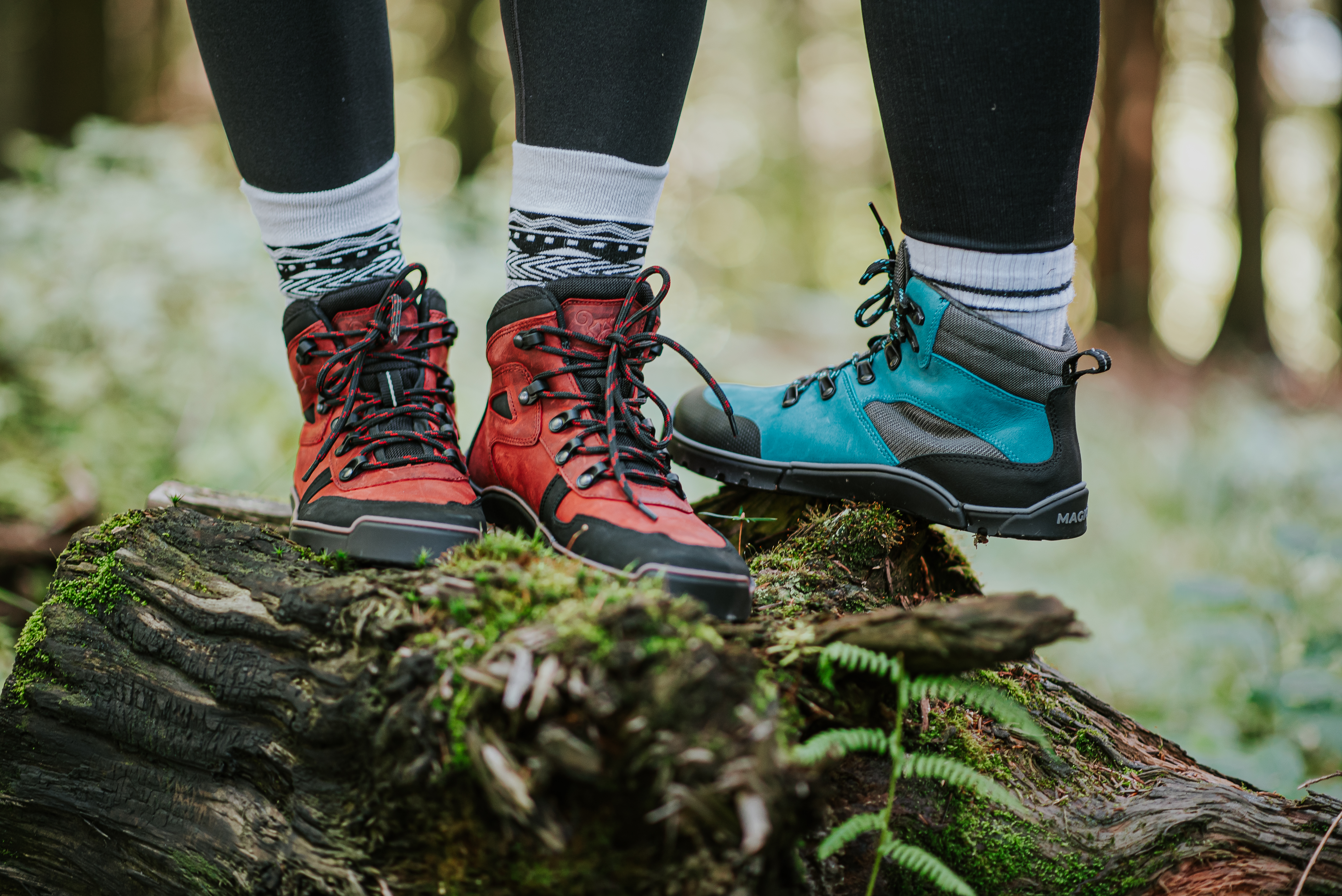
Breathability helps keep your feet cool and dry. Materials with good airflow stop sweat from building up. Synthetic fabrics usually offer better breathability than leather. Some boots have mesh panels to improve air circulation. Breathable boots reduce blisters and discomfort on long hikes.
Credit: magicalshoes24.com
Support And Stability
Support and stability are key for safe and comfortable hiking. Good boots protect your feet and ankles from twists and injuries. They help you keep balance on rough paths. Choosing boots with the right support makes your hike easier and more fun.
Ankle Support Levels
Ankle support helps stop sprains on uneven ground. High-cut boots cover your ankle well. They give strong protection but weigh more. Mid-cut boots offer moderate support and are lighter. Low-cut boots allow more freedom but less ankle safety. Pick the support that fits your hiking style.
Sole Stiffness
Sole stiffness affects how your foot moves. Stiff soles protect your feet from sharp rocks and rough trails. They give stability on steep climbs and descents. Flexible soles feel softer and allow natural foot movement. Hard trails need stiffer soles. Easy paths can work with softer ones.
Arch Support Features
Good arch support helps reduce foot pain. It holds your foot in the right position. Boots with built-in arch support ease long hikes. Some have removable insoles to add custom support. Flat feet or high arches need special attention. Choose boots that fit your foot shape well.
Sole And Traction
The sole and traction of hiking boots play a key role in your comfort and safety. The sole is the part that touches the ground. It must provide good grip and support. Traction means how well the sole sticks to different surfaces. Good traction stops slipping on wet or rocky trails. Choosing the right sole and traction helps you hike longer and avoid injuries.
Types Of Outsoles
Outsoles come in different materials. Rubber is common because it offers good grip and lasts long. Some boots have Vibram soles, known for strong traction on rough paths. Other soles may use EVA foam for light weight but less grip. Choose outsole material based on your hiking needs and trail types.
Grip Patterns For Different Terrains
Grip patterns vary to match trail surfaces. Deep lugs work well on muddy or loose ground. They dig into the soil for extra hold. Shallow lugs fit rocky or hard trails. They provide steady contact and prevent slipping. Smooth soles suit flat, dry paths but lack grip on tricky terrain. Pick a pattern that fits your usual hiking spots.
Durability Considerations
Durability matters for long hikes and tough conditions. Thick rubber soles resist wear and tear better. Check if the sole is glued or stitched to the boot. Stitched soles last longer and handle rough use. Look for soles designed to handle sharp rocks and rough surfaces. A strong sole saves money by lasting many hikes.
Weight And Flexibility
Weight and flexibility are key factors in choosing hiking boots. They affect your comfort and performance on the trail. Boots that are too heavy can tire your legs fast. Boots that lack flexibility may cause discomfort or blisters. Finding the right balance makes hiking easier and more enjoyable.
Balancing Weight And Protection
Light boots reduce fatigue and help you walk longer. They are best for easy trails and warm weather. Heavy boots offer more protection and support. They shield your feet from rocks and rough terrain. Choose boots that protect without feeling too heavy. Think about the type of hiking you will do most.
Flexibility For Comfort
Flexible boots move with your feet naturally. This reduces pressure points and helps prevent blisters. Stiff boots provide stability on uneven ground but can feel tight. Try bending the boots before buying. Make sure they flex where your foot bends. Comfort improves when boots fit well and move easily with you.
Breaking In Your Boots
Breaking in your hiking boots is an important step before hitting the trails. New boots can feel stiff and cause blisters. Taking time to soften them makes your hikes more comfortable. Proper breaking in helps the boots mold to your feet. It reduces pain and prevents injuries. Start slow and be patient for the best results.
Methods To Soften Materials
Wear your boots around the house for short periods. This warms the leather and softens it naturally. Use a leather conditioner to keep the material flexible. Avoid soaking boots in water; it can damage the materials. Gently massage stiff areas to loosen them. Use thick socks to protect your feet during this process. Let the boots dry fully after each use.
Gradual Use Tips
Begin with short walks on flat surfaces. Increase walking time each day by small amounts. Avoid hiking long distances on the first try. Pay attention to any hot spots or discomfort. Adjust lacing to relieve pressure on tight areas. Use blister pads if needed to protect your skin. This slow approach prepares your feet and boots for tough trails.

Credit: www.jeffryanauthor.com
Budget And Brand Choices
Choosing hiking boots means balancing budget and brand. Your money should buy comfort, durability, and style. Some brands offer great quality for less. Others have a strong reputation but cost more. Knowing what to expect from your budget helps you pick better boots.
Finding Value For Money
Good hiking boots do not always cost a lot. Look for shoes with strong soles and good ankle support. Waterproof boots last longer on wet trails. Check customer reviews to see if boots hold up well. Sometimes, mid-range boots offer the best mix of price and quality. Avoid very cheap boots that wear out fast. Spending a bit more can save money over time.
Reliable Brands To Consider
Some brands have built trust over many years. Brands like Merrell, Salomon, and Columbia make durable hiking boots. They often use quality materials and good designs. These brands offer boots for different budgets. You can find both affordable and premium options. Choosing a known brand reduces the risk of poor fit or quick damage. Their boots usually have good customer support and warranties.
Frequently Asked Questions
What Features Make Hiking Boots Durable?
Durability depends on materials like full-grain leather and reinforced stitching. Waterproofing and tough soles also increase lifespan. Choose boots with quality construction for long-term use on rugged trails.
How Do I Choose The Right Hiking Boot Fit?
Fit is crucial for comfort and support. Measure feet in the afternoon when swollen. Ensure enough toe room and a snug heel. Try boots with hiking socks for best results.
Should I Buy Waterproof Hiking Boots?
Waterproof boots protect feet in wet conditions and prevent blisters. They are ideal for rainy or snowy hikes. However, waterproof boots may reduce breathability, so consider your typical hiking environment.
What Sole Type Is Best For Hiking Boots?
Look for soles with deep lugs for traction on slippery terrain. Rubber soles provide good grip and shock absorption. Stiffer soles offer better support on rocky trails.
Conclusion
Choosing the right hiking boots takes time and thought. Comfort and fit matter the most. Think about the terrain and weather you will face. Durable materials help your boots last longer. Good grip keeps you safe on rough paths. Breathable boots stop your feet from sweating.
Don’t forget to break them in before hiking. Your feet will thank you on every step. With the right boots, hiking becomes more fun and less tiring. Take care of your boots, and they will take care of you.
