
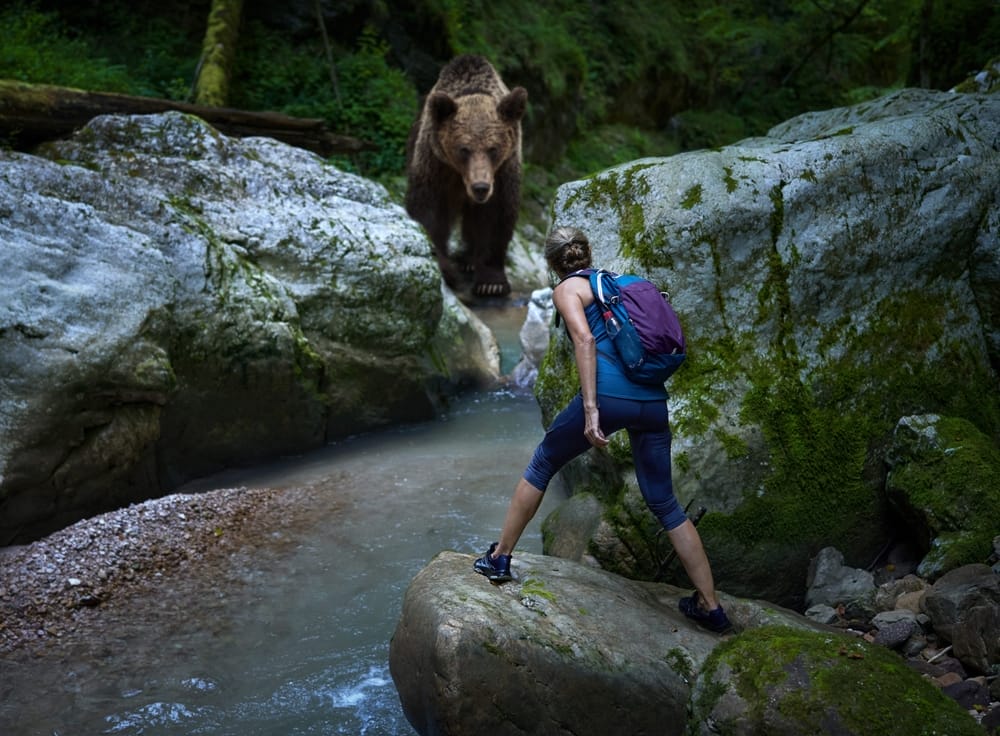
Imagine you’re hiking through beautiful wilderness, surrounded by towering trees and fresh mountain air. Suddenly, you spot a grizzly bear not far from your path.
Your heart races, and your mind floods with questions: What should you do next? How can you stay safe? Knowing how to react if you encounter a grizzly bear could make all the difference between danger and safety. You’ll learn simple, clear steps to protect yourself and keep calm during this intense moment.
Keep reading—your safety might depend on it.
Credit: lionstigersandbears.org
Stay Calm And Assess
Encountering a grizzly bear while hiking can be very scary. Staying calm helps you think clearly and act safely. Take a moment to breathe deeply and look at the situation. Assess the bear’s behavior and your surroundings carefully.
Avoid Sudden Movements
Sudden moves can startle the bear. Move slowly and smoothly. Do not run or turn your back. Quick actions may make the bear feel threatened. Keep your hands visible and avoid making loud noises.
Identify Bear Behavior
Watch the bear’s body language. Is it standing tall or making noises? A calm bear might be curious but not aggressive. If it huffs, growls, or sways side to side, it may feel threatened. Understanding these signs helps you respond better.
Keep Your Distance
Stay as far from the bear as possible. Do not try to get closer for a better look. Give the bear space to move away safely. Back away slowly without turning your back. Keeping distance reduces the chance of an attack.
Make Yourself Known
Making yourself known to a grizzly bear helps reduce surprise. Bears often react to sudden encounters. Showing you are a human and not a threat can calm the situation. Use simple body language and sounds that the bear understands.
Stay calm and slow. Loud noises or fast moves might scare the bear. Gentle signals tell the bear you mean no harm. This step is key to staying safe during a close encounter.
Speak Softly
Talk in a low, calm voice. Use slow, steady words. Avoid shouting or screaming. Soft sounds let the bear hear you without feeling threatened. This helps the bear know you are nearby and not hiding.
Wave Your Arms Slowly
Raise your arms gently above your head. Move them up and down slowly. This shows you are a human, not prey. Quick or wild motions might scare the bear. Slow waves make you look bigger but calm.
Avoid Direct Eye Contact
Look slightly away from the bear’s eyes. Staring can seem like a challenge. Keep your head turned, but watch the bear’s movements. This helps avoid making the bear feel threatened or angry.
Use Bear Spray Effectively
Using bear spray is one of the best ways to protect yourself from a grizzly bear attack. It can stop the bear without causing serious harm. Knowing how to use it correctly is very important. This section explains how to use bear spray effectively in a bear encounter.
When To Deploy
Only use bear spray if the bear comes very close. Aim to spray when the bear is within 20 to 30 feet. Spray too early and the wind may blow it away. Spray too late and you might not stop the bear. Keep calm and watch the bear’s movement closely.
How To Aim
Hold the can with both hands for better control. Aim slightly downward, near the bear’s face. The spray creates a cloud that the bear must pass through. Make sure the wind blows the spray toward the bear. Avoid spraying into the wind or it will blow back at you.
After The Spray
Back away slowly while watching the bear. Do not run or turn your back. Most bears will stop or leave after the spray. Keep the can ready in case the bear returns. Stay calm and move to a safe place as soon as possible.
React Based On Bear Type
Knowing how to react depends on the type of grizzly bear you meet. Different bears show different behaviors. Understanding these can help keep you safe. Always stay calm and think about the bear’s actions before you move.
Defensive Grizzly
A defensive grizzly feels threatened. It may stand tall or huff loudly. Do not run or scream. Speak softly and slowly back away. Avoid eye contact but watch the bear’s moves. Use bear spray if it charges.
Predatory Behavior
A bear with predatory behavior acts quietly and stalks you. This is rare but very dangerous. Do not play dead. Make yourself look bigger. Yell loudly and throw objects to scare it. Slowly move to a safe place.
Mother With Cubs
A mother bear with cubs is very protective. Keep your distance and do not come closer. Move away slowly without turning your back. Stay calm and speak in a low voice. Never get between the mother and her cubs.
Retreat Safely
Retreating safely is the best way to stay calm and avoid danger. Grizzly bears can be very dangerous if they feel threatened. Staying calm helps you think clearly and act wisely. Move slowly and carefully to avoid startling the bear.
Back Away Slowly
Start by moving away from the bear very slowly. Keep your eyes on the bear but do not stare. Turn your body slightly to the side to appear less threatening. Do not make sudden moves or loud noises. This helps the bear feel less threatened and may stop it from coming closer.
Avoid Running
Running can trigger the bear’s chase instinct. Bears can run much faster than humans. Running may make the bear chase you. Walk slowly and steadily instead. Keep facing the bear as you move backward. This shows you are not a threat but still aware.
Find Safe Shelter
Look for a safe place nearby. Trees, large rocks, or a sturdy vehicle can work. Climbing a tree is only good if the bear is far away. Bears can climb trees too. Stay inside your shelter and stay quiet until the bear leaves. This keeps you safe and out of sight.
Credit: www.travel-experience-live.com
Prepare Before Hiking
Preparing before hiking in bear country is very important. It helps keep you safe and reduces the chance of a dangerous encounter. Small steps can make a big difference. Learn how to protect yourself and enjoy your hike with peace of mind.
Carry Bear Spray
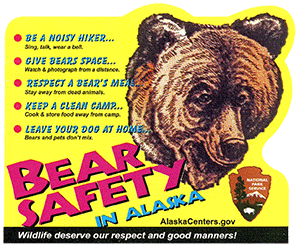
Bear spray is a strong tool for safety. It can stop a bear from getting too close. Keep it easy to reach on your belt or backpack. Know how to use it quickly and practice before you hike.
Make Noise While Hiking
Making noise warns bears about your presence. Talk, sing, or clap hands often. Bears usually avoid humans if they hear them coming. Noise helps prevent surprise encounters, which can be dangerous.
Travel In Groups
Hiking with others is safer than going alone. Bears are less likely to approach groups. Stay close together and watch each other. Group hiking also helps if someone needs help or finds a bear.
Credit: www.nps.gov
Frequently Asked Questions
What Should I Do First If I See A Grizzly Bear?
Stay calm and avoid sudden movements. Slowly back away while keeping the bear in sight. Do not run or scream, as this may provoke an attack.
How Can I Safely Use Bear Spray On A Grizzly?
Hold the spray with both hands and aim slightly downward. Spray when the bear is within 20-30 feet. Use short bursts to create a cloud barrier between you and the bear.
Is It Better To Play Dead Or Fight A Grizzly?
Play dead if the bear makes contact, lying flat on your stomach. Cover your neck and remain still. Fight only if the attack is predatory or defensive.
How Can I Avoid Encountering A Grizzly While Hiking?
Make noise by talking or clapping to alert bears of your presence. Hike in groups and avoid hiking at dawn or dusk when bears are most active.
Conclusion
Encountering a grizzly bear can be scary but staying calm helps. Speak softly and avoid sudden moves. Slowly back away without turning your back on the bear. Carry bear spray and know how to use it. Keep your distance and respect the animal’s space.
Remember, bears usually want to avoid people. Stay alert and prepared on every hike. Safety comes first. Stay safe and enjoy nature with care.
