
If you spend a lot of time walking on concrete, you might wonder if hiking shoes are the right choice for you. You want comfort, support, and durability, but does a shoe made for trails work well on hard city streets?
Choosing the wrong footwear can lead to sore feet, tired legs, or even injuries. You’ll discover how hiking shoes perform on concrete and whether they could be the perfect fit for your daily walks. Keep reading to find out what really matters when picking shoes that keep you comfortable step after step.
Hiking Shoes Vs Walking Shoes
Choosing the right shoe matters for your feet and comfort. Hiking shoes and walking shoes serve different purposes. Each type has features designed for specific activities. Understanding their differences helps you pick the best shoe for walking on concrete.
Key Differences In Design
Hiking shoes are built tough for rough trails. They have stronger materials and often waterproof layers. Walking shoes focus on lightness and breathability. Their design supports smooth, flat surfaces like sidewalks. Hiking shoes look bulkier. Walking shoes appear sleeker and more flexible.
Sole Construction And Cushioning
The soles of hiking shoes are thick and rugged. They provide grip on rocks and dirt. Cushioning is firmer to protect from uneven ground. Walking shoes have softer soles for comfort on hard floors. Their cushioning absorbs shock from repetitive steps. The soles are smoother for easy walking on concrete.
Support And Stability Features
Hiking shoes offer strong ankle support and stability. They prevent twists on rough paths. Walking shoes give moderate support for daily use. They focus on natural foot movement. Hiking shoes have reinforced heels and toes. Walking shoes use flexible materials to enhance comfort.
Impact Of Concrete On Footwear
Concrete is a hard and unforgiving surface for footwear. It does not absorb much impact, which affects how shoes perform. Shoes that work well on trails might behave differently on concrete. Understanding how concrete impacts shoes helps in choosing the right pair for walking.
Effect On Foot Comfort
Concrete puts pressure on your feet with every step. Shoes need good cushioning to protect your feet. Hiking shoes often have firm soles made for rough terrain. This firmness can cause discomfort on hard concrete. Feet may feel tired or sore after walking long on concrete surfaces.
Wear And Tear Considerations
Concrete wears down shoe soles faster than dirt or grass. The rough surface can cause quicker damage. Hiking shoes have durable soles but they may wear unevenly on concrete. This can reduce the shoe’s lifespan. Regular walking on concrete requires more frequent shoe replacement.
Shock Absorption Needs
Walking on concrete demands strong shock absorption. Hiking shoes may lack enough padding for hard surfaces. Without proper shock absorption, joints and feet absorb more force. This can lead to pain or injury over time. Shoes designed for pavement usually have extra cushioning to reduce impact.
Pros Of Using Hiking Shoes On Concrete
Hiking shoes can work well on concrete surfaces. They offer several benefits that make walking more comfortable and safer. These shoes are designed to support your feet during long hikes. This support also helps during daily walks on hard pavement.
Enhanced Support And Protection
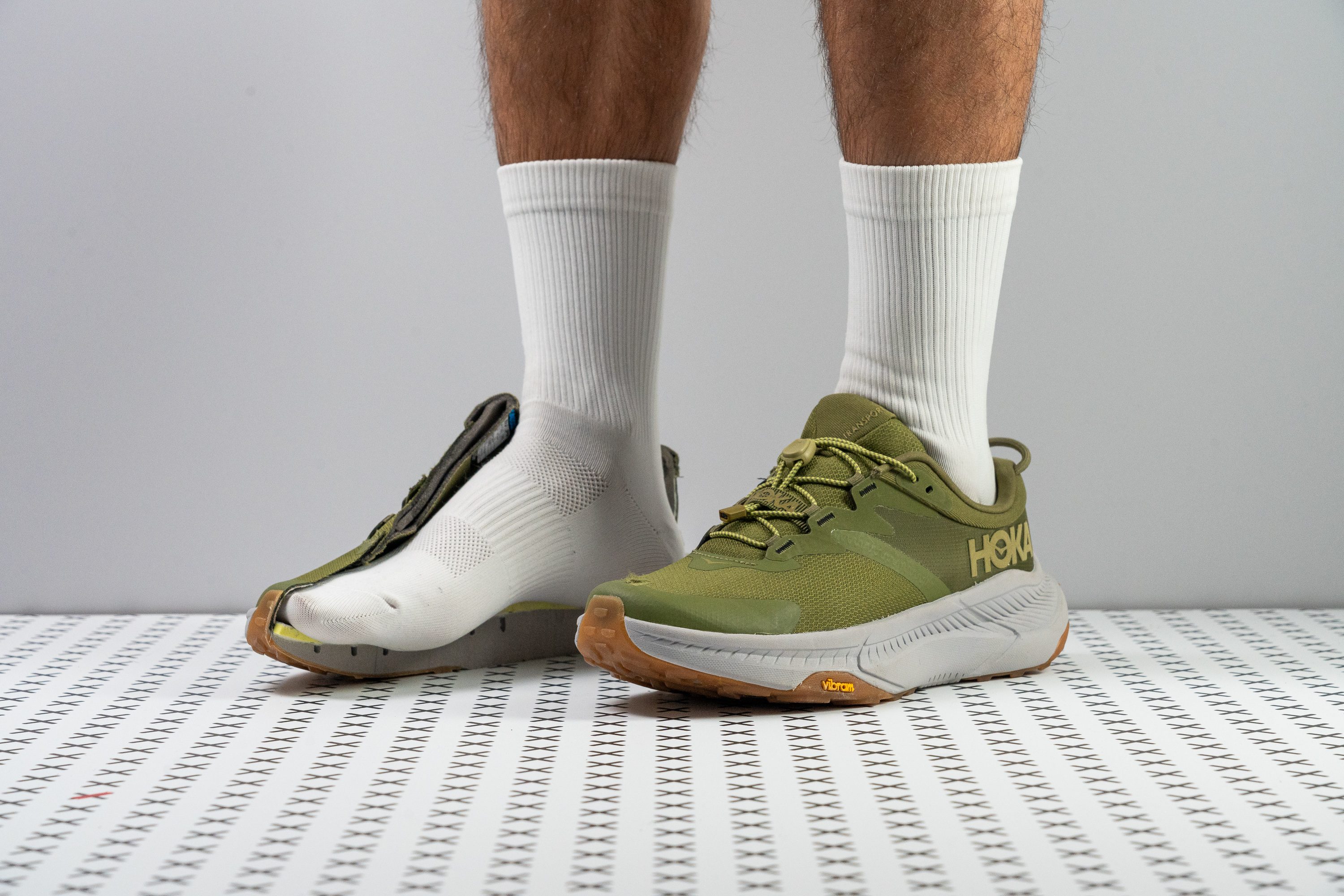
Hiking shoes provide strong support for your feet. They have firm soles and good ankle stability. This reduces foot pain and tiredness. The shoes protect your feet from sharp objects on the ground. They also cushion your steps on hard concrete. This lowers the risk of injuries.
Durability Benefits
These shoes are made to last in tough conditions. Their materials resist wear from rough surfaces. Concrete can wear down regular shoes quickly. Hiking shoes hold up longer, saving money over time. They keep their shape and comfort after many uses.
Traction Advantages
Hiking shoes have strong grip patterns on the soles. This grip helps prevent slipping on smooth concrete. The traction works well in wet or dry conditions. It gives better control and balance while walking. This makes them safer for everyday use.
Credit: runrepeat.com
Cons Of Using Hiking Shoes On Concrete
Hiking shoes offer strong support and grip on rough trails. Yet, using them on concrete has some downsides. Concrete is hard and flat, unlike natural trails. Hiking shoes may not fit this surface well. Let’s explore some cons of wearing hiking shoes on concrete.
Weight And Bulkiness
Hiking shoes often weigh more than regular walking shoes. Extra weight can tire your feet faster on concrete. Their bulkiness makes walking less smooth. Heavy shoes slow your pace and reduce comfort. On hard pavement, light shoes feel easier.
Breathability Issues
Hiking shoes are usually made for rugged use. They often have thicker materials to protect your feet. This can cause poor airflow on concrete walks. Less breathability means your feet get hot and sweaty. Wet feet increase discomfort and risk of blisters.
Potential For Over-cushioning
Hiking shoes have thick soles to absorb shock on rocks. Concrete is a different surface that does not need so much cushioning. Extra padding can make your step unstable. Over-cushioning reduces ground feel and balance. Walking on flat ground needs firmer shoes for better control.
Expert Recommendations
Experts share useful advice about using hiking shoes on concrete. Not all shoes fit every walking surface well. Choosing the right shoe depends on the activity and the ground.
Hiking shoes offer grip and support for rough trails. Concrete is flat and hard. Shoes made for trails may feel stiff or heavy on concrete.
When To Choose Hiking Shoes
Pick hiking shoes for long walks on uneven paths. They protect feet from rocks and dirt. Use them if you change surfaces often. For mixed terrain, hiking shoes work well. They keep feet safe and stable.
On smooth pavement or city streets, hiking shoes can feel bulky. Their soles are thick and designed for rough ground. This may cause discomfort on hard, flat surfaces.
Alternatives For Concrete Walking
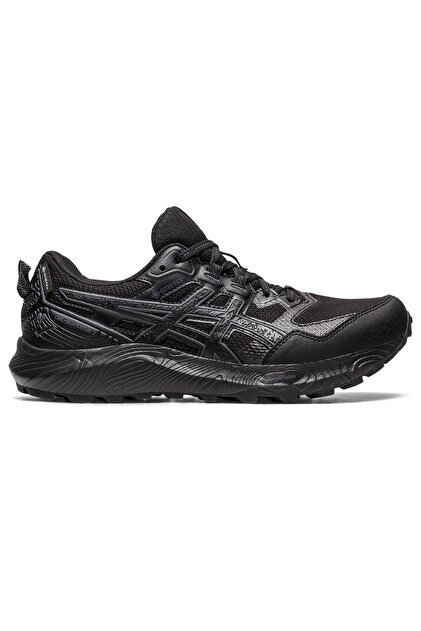
Walking shoes or sneakers suit concrete better. These shoes have lighter soles and softer cushioning. They reduce foot fatigue on hard floors. Look for shoes with good arch support. Flexibility and shock absorption are key for comfort.
Running shoes also work well for concrete. They are made to absorb impact. This helps protect joints during long walks. Choose shoes with breathable materials to keep feet cool.
Customizing Footwear For Comfort
Add insoles to improve shoe comfort. Gel or foam insoles offer extra padding. They absorb shock and reduce pressure points. Custom orthotics help if you have foot problems.
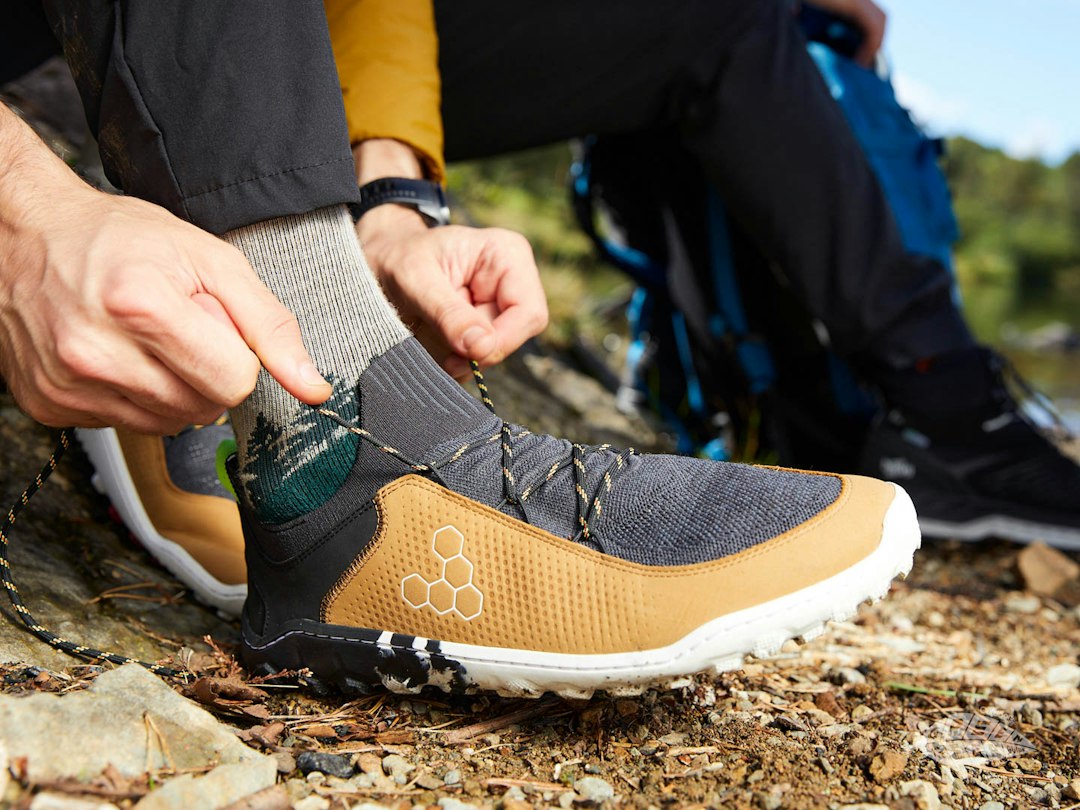
Wear proper socks to prevent blisters. Socks with cushioning add softness. Make sure shoes fit well; too tight or loose causes pain. Break new shoes in slowly before long walks.
Credit: www.nilds.gov.ng
Credit: www.umfg.is
Frequently Asked Questions
Are Hiking Shoes Comfortable For Concrete Walking?
Hiking shoes offer good support but may feel stiff on concrete. Their cushioning protects feet but less flexible soles might reduce comfort during extended walking on hard surfaces.
Can Hiking Shoes Cause Foot Pain On Concrete?
Improper hiking shoes on concrete can cause foot pain. Lack of proper cushioning or support for hard surfaces increases stress on feet and joints, leading to discomfort.
Do Hiking Shoes Wear Out Faster On Concrete?
Yes, hiking shoes tend to wear out faster on concrete. The rough, hard surface causes quicker sole abrasion compared to natural trails, reducing shoe lifespan.
Are Hiking Shoes Better Than Sneakers For Concrete?
Hiking shoes provide more ankle support but less flexibility than sneakers. Sneakers generally offer better comfort and shock absorption for prolonged concrete walking.
Conclusion
Hiking shoes can work on concrete but have limits. They offer good support and grip for short walks. Still, they may feel heavy or stiff after a while. Shoes made for walking usually provide more comfort on hard surfaces. Think about how long you will walk and where.
Choose shoes that match your needs to avoid pain or injury. Comfort matters most for daily walking. Hiking shoes? Good for some concrete use, but not all.
