
Have you ever wondered just how dangerous hiking Angels Landing really is? If you’re thinking about taking on this famous trail, it’s important to know the risks involved.
Angels Landing is stunning, but it has claimed lives over the years. Understanding how many people have died hiking there can help you make smarter choices and stay safe. Keep reading to discover the facts behind the numbers and what you can do to protect yourself on this breathtaking but challenging path.
Credit: www.fox13now.com
Angels Landing Hike Basics
Angels Landing is one of the most famous hikes in the United States. It attracts many adventurers each year. This hike offers breathtaking views and a thrilling experience. Understanding the basics helps you prepare for the challenge. Safety is key on this steep and narrow trail.
Trail Description
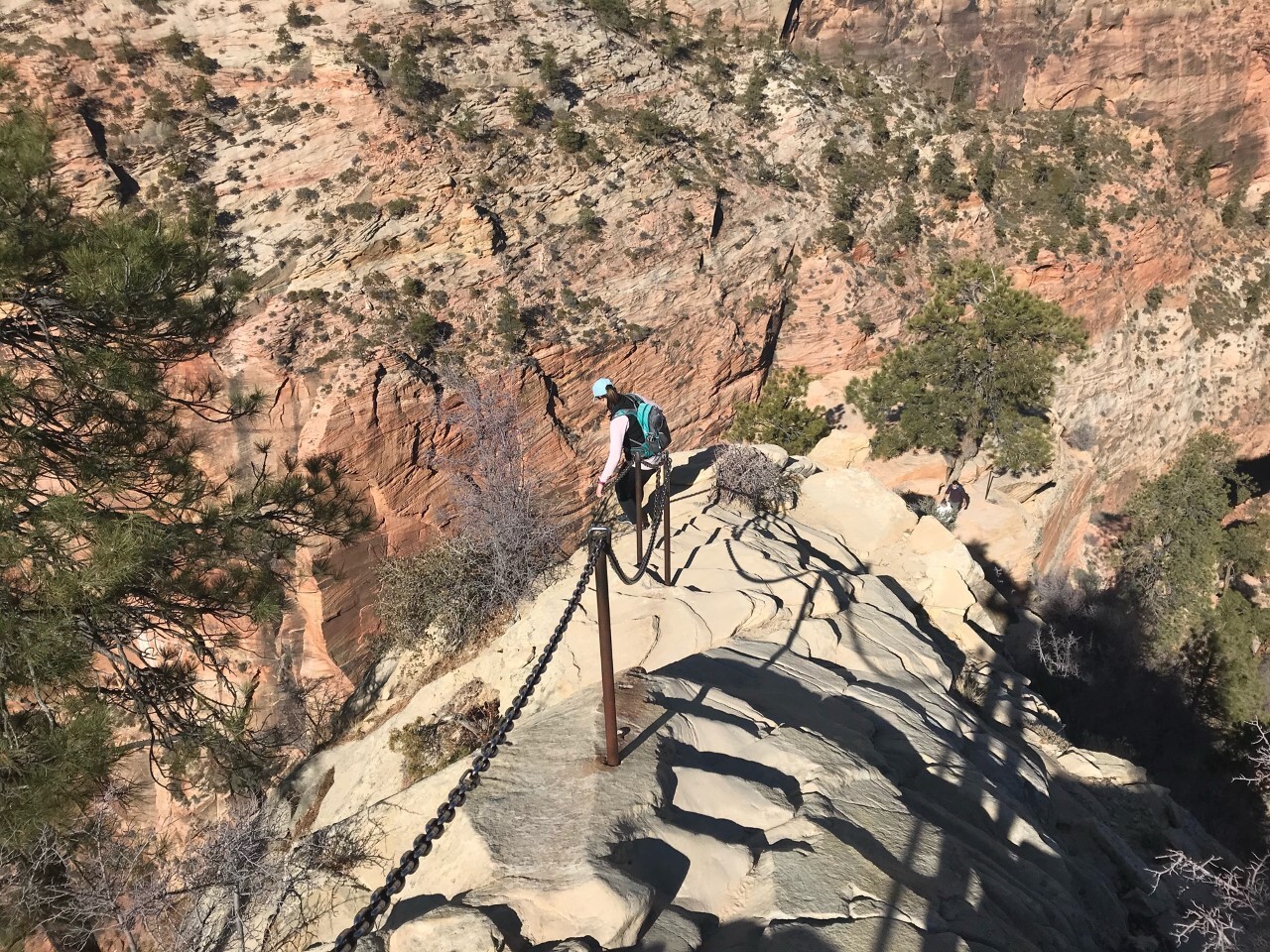
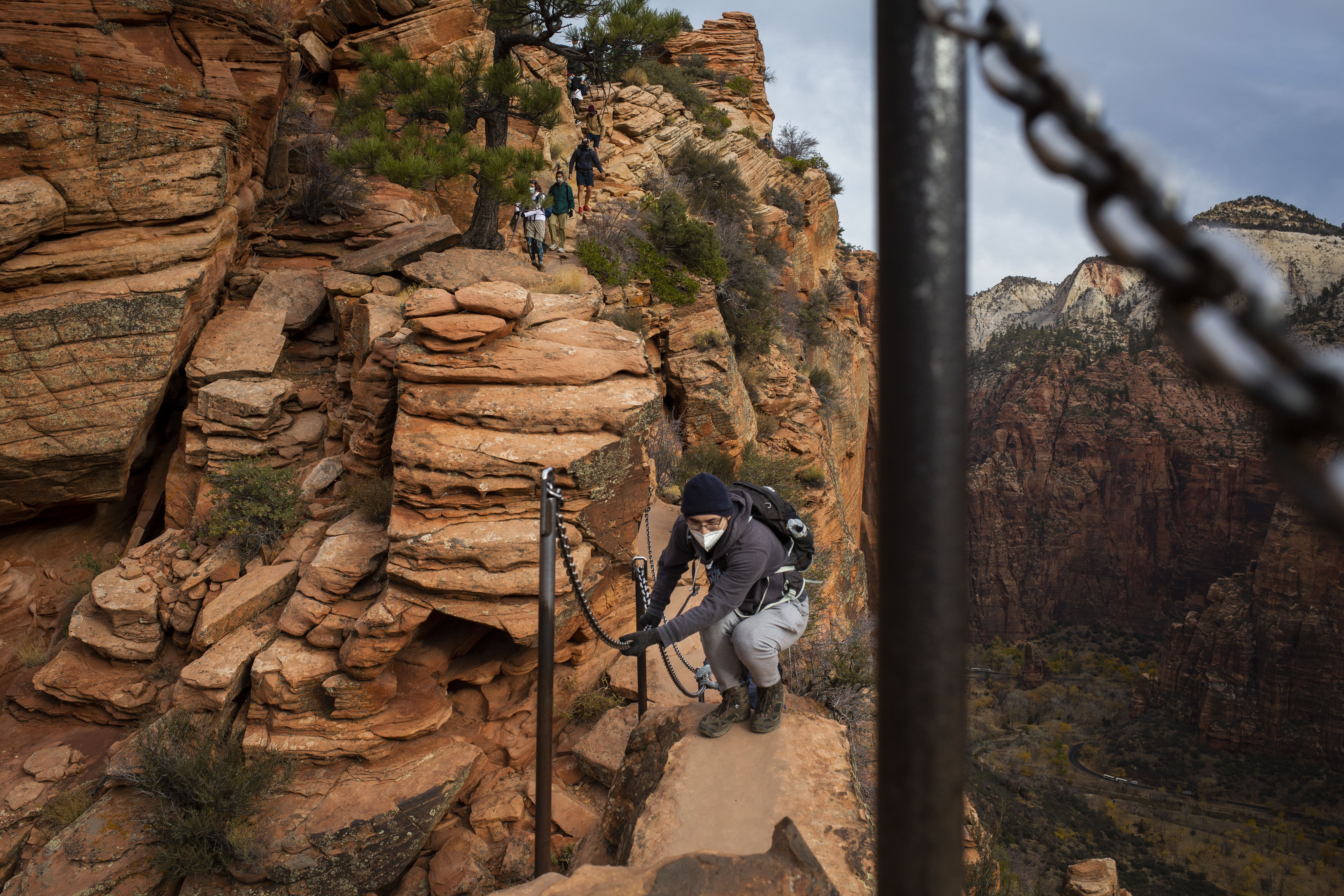
The Angels Landing trail is about 5 miles round trip. It climbs roughly 1,500 feet in elevation. The path starts in Zion National Park’s main canyon. It winds through shaded forests and rocky terrain. The last half mile is the most dangerous part. Narrow ridges and chains help hikers climb steep sections. The trail ends at a stunning viewpoint overlooking Zion Canyon.
Popularity Among Hikers
Thousands of people hike Angels Landing each year. Many come for the unique challenge and views. The trail is famous for its thrilling finish. Hikers range from beginners to experienced adventurers. The popularity sometimes causes crowded conditions on the narrow path. Rangers have added safety measures to protect visitors. Despite risks, Angels Landing remains a top hiking spot in the West.

Credit: www.sltrib.com
Fatalities On Angels Landing
Angels Landing is one of the most famous hikes in the United States. It offers stunning views but also poses serious risks. Many hikers have lost their lives on this trail. Understanding the dangers helps visitors prepare better.
Number Of Deaths Over The Years
Since the trail opened, about 10 to 15 people have died on Angels Landing. Most deaths happened over the last 20 years. The number may seem low, but each loss is tragic. The hike attracts thousands every year, increasing the risk of accidents. Park officials track these incidents closely to improve safety.
Common Causes Of Accidents
Many deaths result from falls on steep, narrow sections of the trail. Slippery rocks and strong winds add to the danger. Some hikers lose balance near the edges. Others become tired or panic in exposed areas. Lack of experience and poor footwear also cause accidents. Staying alert and prepared is key to staying safe.
Risk Factors For Hikers
Hiking Angels Landing is thrilling but risky. Many factors raise the danger for hikers. Knowing these risks helps prepare better. It also lowers chances of accidents and injuries.
Challenging Terrain
The trail has steep, narrow paths with sharp drop-offs. Some parts have loose rocks and uneven ground. One wrong step can cause falls. The last section uses chains to hold on. This adds difficulty and risk, especially for those afraid of heights.
Weather Conditions
Weather changes quickly on Angels Landing. Rain makes rocks slippery and dangerous. Wind can push hikers off balance. Hot sun causes dehydration and heat stroke. Cold weather brings frost and ice. Each condition increases the chance of accidents.
Hiker Experience Levels
Many visitors have little hiking experience. Inexperienced hikers may misjudge the trail’s difficulty. They might not carry enough water or gear. Fear and panic can cause poor decisions. Experienced hikers know how to stay safe and prepared.
Credit: www.sltrib.com
Safety Measures And Regulations
Safety is a top priority at Angels Landing. The trail is steep and narrow. Many hikers face risks from strong winds and sheer drops. The park has rules to keep visitors safe. These rules help reduce accidents and deaths. Understanding these safety measures is vital for every hiker.
Trail Restrictions
The park limits the number of hikers on Angels Landing. This reduces crowding and prevents accidents. Only a set number of permits are given daily. Hikers must get these permits before starting the trail. Some sections of the trail close during bad weather. These rules protect hikers from dangerous conditions.
Safety Equipment Recommendations
Good shoes with strong grip are essential on this trail. Gloves help hikers hold the chains on steep parts. Carrying water and snacks is important to stay strong. Using trekking poles can improve balance on rough paths. Hikers should avoid loose clothing or heavy backpacks.
Park Ranger Interventions
Park rangers watch the trail closely. They guide and help hikers in need. Rangers stop people from starting the trail if conditions are unsafe. They rescue hikers stuck or injured on the trail. Rangers give safety talks and share tips at the visitor center.
Preventing Tragedies
Angels Landing is a stunning yet dangerous hike. Many have lost their lives on this trail. Preventing tragedies is key to staying safe. Careful steps can save lives and ensure a great experience. Understanding how to prepare and act on the trail helps avoid accidents.
Preparation Tips
Start by checking the weather before your hike. Wear sturdy shoes with good grip. Carry enough water and snacks to stay energized. Tell someone your hiking plans and expected return time. Bring a map or use a GPS device. Avoid hiking alone to reduce risks.
Best Practices On The Trail
Stay on marked paths to avoid dangerous spots. Move slowly and watch your footing on narrow sections. Use chains and railings for balance on steep parts. Do not rush or run on the trail. Keep a safe distance from edges and other hikers. Pause to rest if feeling tired or dizzy.
Emergency Response Procedures
Know how to call for help in case of emergency. Carry a whistle or other signaling device. Stay calm and avoid sudden moves if you slip. Use your phone to share your location with rescuers. Follow instructions from park rangers or rescue teams carefully. Act fast but think clearly to get help quickly.
Impact On Community And Tourism
The deaths at Angels Landing have deeply affected both the local community and tourism. This trail is famous but also very dangerous. The accidents have made many people think twice about visiting.
Local residents feel sadness and concern. Many know someone who has been hurt or worse. The community often talks about how to keep hikers safe. They want visitors to enjoy the park but also to be careful.
Tourism has changed because of these incidents. Some visitors avoid Angels Landing now. Others come but are more cautious. The park’s reputation is mixed—beautiful but risky.
Visitor Reactions
Visitors express mixed feelings about Angels Landing. Some feel excited to try the challenge. Others feel scared after hearing about accidents. Many share their stories online to warn others. Safety concerns are common in visitor reviews. Some choose easier trails instead. The fear of falling keeps some away. Visitors now prepare more before hiking.
Changes In Park Policies
The park has updated rules to improve safety. Rangers limit the number of daily hikers. This helps reduce crowding on narrow paths. Warning signs have been added in key spots. Officials provide more safety information before hikes. They patrol the trail more often. The park promotes safe hiking practices. These changes aim to protect visitors and reduce accidents.
Frequently Asked Questions
How Many People Have Died Hiking Angels Landing?
Since the trail opened, about 10 to 15 fatalities have been reported at Angels Landing. Most deaths result from falls due to the trail’s narrow paths and steep drop-offs.
Why Is Angels Landing So Dangerous For Hikers?
Angels Landing is dangerous because of its narrow ridges, steep cliffs, and strong winds. These factors increase the risk of falls and accidents, especially for inexperienced hikers.
What Safety Measures Exist To Prevent Deaths On Angels Landing?
Safety measures include installing chains for support, clear warning signs, and ranger patrols. Hikers are advised to wear proper footwear, stay alert, and avoid hiking in bad weather.
Are Fatalities More Common During Specific Seasons At Angels Landing?
Yes, fatalities tend to increase during summer and holiday weekends due to higher visitor numbers and heat-related fatigue. Early morning hikes are safer and less crowded.
Conclusion
Angels Landing is a beautiful but dangerous hike. Many people have lost their lives there over the years. The trail’s steep cliffs and narrow paths make it risky. Hikers should stay careful and respect the signs. Wearing proper shoes and bringing water helps safety.
Always hike with a friend or group. Knowing the risks can save lives. Enjoy the views, but do not rush. Safety comes first on every adventure. Stay alert, take your time, and hike smart.
