
Planning your hike to Everest Base Camp? One of the biggest questions you probably have is: when is the best time to go?
Picking the right season can make all the difference in your experience—affecting the weather, crowd size, and even your safety. Imagine trekking with clear skies, comfortable temperatures, and breathtaking views instead of battling freezing winds or heavy snowfall. You’ll discover exactly when to set off on your adventure to get the most out of your Everest Base Camp hike.
Keep reading to find the perfect time for your journey.
Best Seasons For Everest Base Camp
Choosing the best time to hike Everest Base Camp affects your experience greatly. Weather and trail conditions change with seasons. Picking the right season helps avoid extreme cold, heavy snow, or overcrowded paths. The main trekking windows offer clear skies and safer trails. Understanding these seasons guides you to plan a better trip.
Spring Trekking Window
Spring runs from March to May. This season has mild temperatures and blooming rhododendron forests. Days are longer and skies are usually clear. Snow on the trail starts melting, making it easier to walk. This season attracts many trekkers, so expect more people on the trail. The views of Everest and surrounding peaks are stunning during spring mornings.
Autumn Trekking Window
Autumn lasts from late September to November. It is the most popular trekking season. Weather is dry, and skies are often bright and clear. Temperatures are cool but comfortable for hiking. The air is clean, providing sharp mountain views. Trails are busy but well-maintained. Autumn offers excellent conditions for photography and camping.
Winter And Summer Challenges
Winter from December to February is very cold. Temperatures drop below freezing, and snow can block trails. Few trekkers go during this time. Summer is from June to August. This season brings heavy rain and frequent landslides. Clouds often cover mountain views. The trail can be slippery and dangerous. Both seasons are less ideal for Everest Base Camp trekking.
Weather Conditions To Expect
Understanding the weather is key to a safe and enjoyable Everest Base Camp hike. Weather changes quickly in the mountains. Prepare for cold, wind, and sometimes snow. Knowing what to expect helps you pick the best time to go.
Temperature Variations
Temperatures vary a lot during the trek. Days can be warm with sunshine. Nights become very cold, often below freezing. At higher altitudes, expect colder weather all day. Dress in layers to stay comfortable.
Precipitation Patterns
Rain and snow affect the trail condition. The monsoon season brings heavy rain from June to September. Trails become muddy and slippery then. The best time has little rain, usually spring and autumn. Snow can fall anytime at high altitudes.
Wind And Visibility Factors
Strong winds are common at higher camps. Wind chill makes it feel colder than the thermometer shows. Clear skies improve views but can change quickly. Clouds or fog reduce visibility, making navigation hard. Early mornings often have the best views and calm winds.
Crowd Levels Throughout The Year
Crowd levels on the Everest Base Camp trek vary greatly throughout the year. This affects your experience, comfort, and pace. Knowing when the paths are busy or quiet helps you plan better. Some months attract many trekkers, while others offer peace and solitude. Both have pros and cons to consider.
Peak Season Crowds
Spring and autumn are the busiest times on the trail. March to May and September to November bring the most trekkers. The weather is clear and mild, perfect for hiking. Trails fill up early in the morning with groups and guides. Lodges and teahouses become crowded quickly. Expect long waits and less privacy during these months.
Off-season Solitude
Winter and monsoon months see fewer visitors. December to February is cold but peaceful. June to August brings rain and slippery trails. Few trekkers brave these conditions. You get quiet paths and empty lodges. The views may be less clear, but the calm is worth it for some. A different kind of adventure awaits in the off-season.
Impact On Accommodation And Services
Busy seasons mean full lodges and higher prices. Booking ahead is essential for spring and autumn. Off-season offers more space and lower costs. Some teahouses close during winter or monsoon. Service quality can vary with fewer staff. Plan carefully to match your comfort needs and budget.

Credit: iantaylortrekking.com
Health And Safety Considerations
Health and safety are the top priorities when hiking Everest Base Camp. The trek reaches high altitudes and tough weather. Understanding risks helps you prepare and stay safe. Proper planning reduces dangers on the trail.
Altitude Sickness Risks
Altitude sickness is a serious risk on this trek. The air gets thinner as you climb higher. Symptoms include headache, nausea, and dizziness. Climbers must ascend slowly to allow the body to adjust. Drinking water and resting often helps prevent sickness. Severe cases need immediate descent and medical help.
Weather-related Hazards
Weather changes fast near Everest. Snow, rain, and cold temperatures can appear suddenly. Trails become slippery and dangerous in bad weather. Frostbite and hypothermia are real threats in cold conditions. Carry warm clothes and waterproof gear for protection. Check weather forecasts regularly to avoid storms.
Emergency Support Availability
Emergency help is limited on the Everest Base Camp route. Medical facilities are basic and far apart. Helicopter evacuations are possible but expensive and weather-dependent. Carry a first-aid kit and know basic care steps. Inform someone about your plans and expected arrival times. Staying connected improves your safety chances.
Permits And Regulations Timing
Planning your Everest Base Camp hike requires careful attention to permits and rules. These are set by the Nepal government to protect the mountain and environment. Knowing the right timing for permits can save you from delays and problems. Follow the rules closely to enjoy a smooth trek.
Permit Application Periods
Permits for Everest Base Camp open several months before the trekking season. The main seasons are spring and autumn. Apply at least two months ahead to avoid last-minute issues. Early applications help officials process your request on time. Late applications may face delays or higher fees.
Regulatory Changes In 2026
New rules will start in 2026. These changes may affect permit fees and application steps. The government aims to reduce overcrowding and protect nature. Trekkers must follow updated guidelines strictly. Check official sources for the latest rules before planning your trip.
Tips For Smooth Approval
Use official websites to apply for permits. Double-check all documents before submission. Include a clear passport copy and recent photo. Pay fees as required to avoid rejection. Keep a copy of your permit during trekking. Early and correct applications lead to faster approvals.
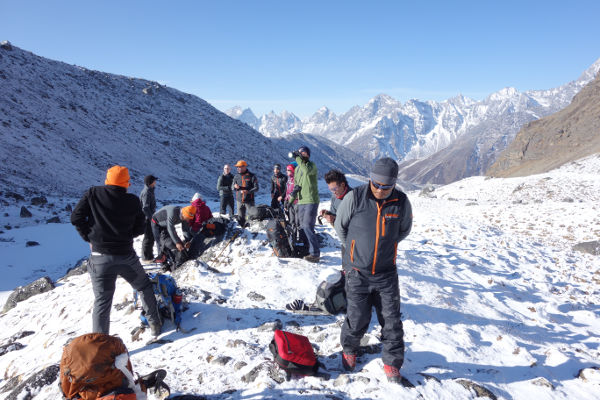
Credit: ebctrekguide.com
Gear And Preparation Tips By Season
Choosing the right gear and preparing well are key to a safe Everest Base Camp hike. Different seasons bring different weather and challenges. Gear must match these changes for comfort and safety.
Spring and autumn are popular for trekking. The weather is mild but still cold at high altitudes. Winter means very cold temperatures and strong winds. Summer brings heavy rains and slippery trails. Each season needs special gear and careful packing.
Clothing Essentials
Layering is crucial. Start with a moisture-wicking base layer to keep dry. Add an insulating layer like fleece for warmth. Use a waterproof shell to block wind and rain. In spring and autumn, carry a warm hat and gloves. Winter demands heavier insulated jackets and thermal wear. Summer requires lighter clothes but still a rain jacket. Good hiking boots with ankle support fit all seasons.
Equipment Adjustments
Spring and autumn trekkers need trekking poles to reduce knee strain. Carry crampons for icy patches in winter. Summer calls for waterproof covers on backpacks and shoes. Sunglasses and sunscreen protect from strong UV rays in all seasons. A good headlamp helps during early starts or late finishes. Keep extra batteries in cold months as they drain faster.
Packing Strategies
Pack light but smart. Focus on versatile items you can use often. Use compression bags to save space and organize layers. Keep important items like maps, snacks, and first aid easy to reach. In winter, bring extra warm gloves and socks. Summer requires quick-dry clothes and insect repellent. Always carry a water bottle and purification tablets for safe drinking.
Local Festivals And Cultural Events
Local festivals and cultural events add unique charm to the Everest Base Camp trek. These celebrations show the rich traditions of the Sherpa people and other local communities. Experiencing these events during your trek makes the journey more memorable. Festivals also offer a chance to see vibrant dances, colorful costumes, and spiritual rituals up close.
Timing Of Major Festivals
Major festivals near Everest Base Camp happen mostly in spring and autumn. One famous event is the Mani Rimdu festival, held in the Tengboche Monastery around October or November. Another key festival is Losar, the Tibetan New Year, usually in February or March. These festivals follow the lunar calendar, so dates change yearly. Planning your trek during these times lets you witness local celebrations.
Cultural Experiences On Trek
Festivals bring villagers together for prayer, dance, and feasting. Trekkers get a chance to meet monks and learn about Buddhist traditions. Many locals invite guests to join their celebrations and share food. These moments offer insight into daily life and local beliefs. Festivals also create a lively, festive atmosphere along the trekking route.
How Festivals Affect Trekking
Trekking during festivals can mean more crowds on the trail. Accommodation may fill up quickly, so booking early is important. Festival days might have special ceremonies that limit access to some areas. Trails can be busier but also more exciting with music and dance. Adjust your schedule to enjoy both trekking and cultural events fully.
Budget Considerations By Time Of Year
Planning your Everest Base Camp trek includes careful budget planning. Costs change a lot depending on the time of year. Knowing these changes helps you save money and plan better. Trekking in peak season or off-season affects your total spending. Travel and stay costs also shift with the seasons. Smart budgeting can make your adventure affordable and enjoyable.
Cost Variations In Peak Vs Off-season
Peak season means more trekkers and higher prices. Permits, guides, and equipment rentals cost more. Lodges and teahouses raise their prices too. Off-season offers lower rates but fewer services. Some places close or offer limited food options. Weather can be harsher, which might add to gear costs. Choose the season that fits your budget and comfort.
Travel And Accommodation Expenses
Flights to Nepal cost more during popular trekking months. Booking early can help lock in better prices. Lukla flights to the base camp start are expensive. Accommodation in Namche Bazaar and other stops rises in peak times. Off-season travelers find cheaper rooms but less availability. Carry cash as many places don’t accept cards. Plan your bookings to avoid last-minute price hikes.
Saving Tips For 2026 Trekkers
Book flights and permits well ahead. Choose off-peak months like late autumn or early spring. Share guides and porters with fellow trekkers to cut costs. Use local teahouses instead of private lodges. Pack light to avoid extra baggage fees. Bring your own gear instead of renting. Plan meals carefully to reduce food expenses. These small steps help you save money on your trek.
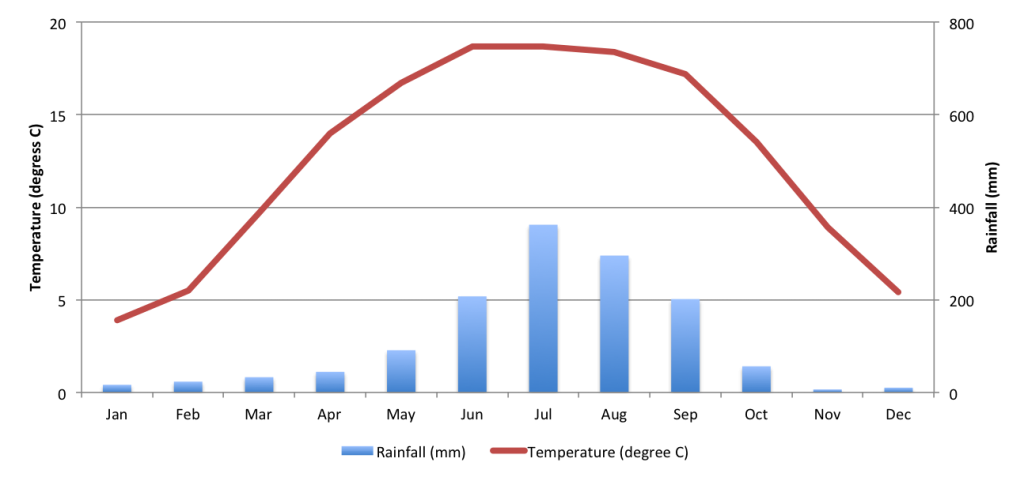
Credit: ebctrekguide.com
Frequently Asked Questions
When Is The Best Season To Hike Everest Base Camp?
The best seasons to hike Everest Base Camp are pre-monsoon (March to May) and post-monsoon (late September to November). These months offer clear skies, moderate temperatures, and safer trail conditions, making the trek more enjoyable and less risky.
How Does Weather Affect Everest Base Camp Trekking?
Weather greatly impacts trekking safety and comfort. Monsoon season brings heavy rain and slippery trails, while winter causes extreme cold and snow. Spring and autumn provide stable weather, better visibility, and ideal trekking conditions.
Can I Trek Everest Base Camp In Winter?
Winter trekking is possible but challenging due to extreme cold and snow. Temperatures can drop below -20°C, and some trails may be closed. Only experienced trekkers with proper gear should attempt Everest Base Camp in winter.
Is Everest Base Camp Crowded During Peak Season?
Yes, Everest Base Camp gets crowded during peak seasons, especially in spring and autumn. Popular trekking months attract many climbers and tourists, which can affect accommodation availability and trail experience.
Conclusion
The best time to hike Everest Base Camp depends on your goals. Spring offers warmer weather and blooming rhododendrons. Autumn brings clear skies and stable conditions. Avoid the monsoon season due to heavy rain and slippery trails. Prepare well for cold nights and high altitude.
Book your permits early to secure your spot. Enjoy the stunning views and unique culture along the way. Choose the season that fits your comfort and adventure level. Start planning now for an unforgettable Everest Base Camp journey.
