
Hiking the Appalachian Trail is a dream for many adventure lovers like you. But have you ever wondered how dangerous it really is?
How many people have actually lost their lives on this long and rugged path? Knowing the risks can help you prepare better and stay safe. You’ll discover the true numbers behind the tragedies on the trail and learn what causes these accidents.
Keep reading to find out what you need to watch out for and how to protect yourself on your next hike.
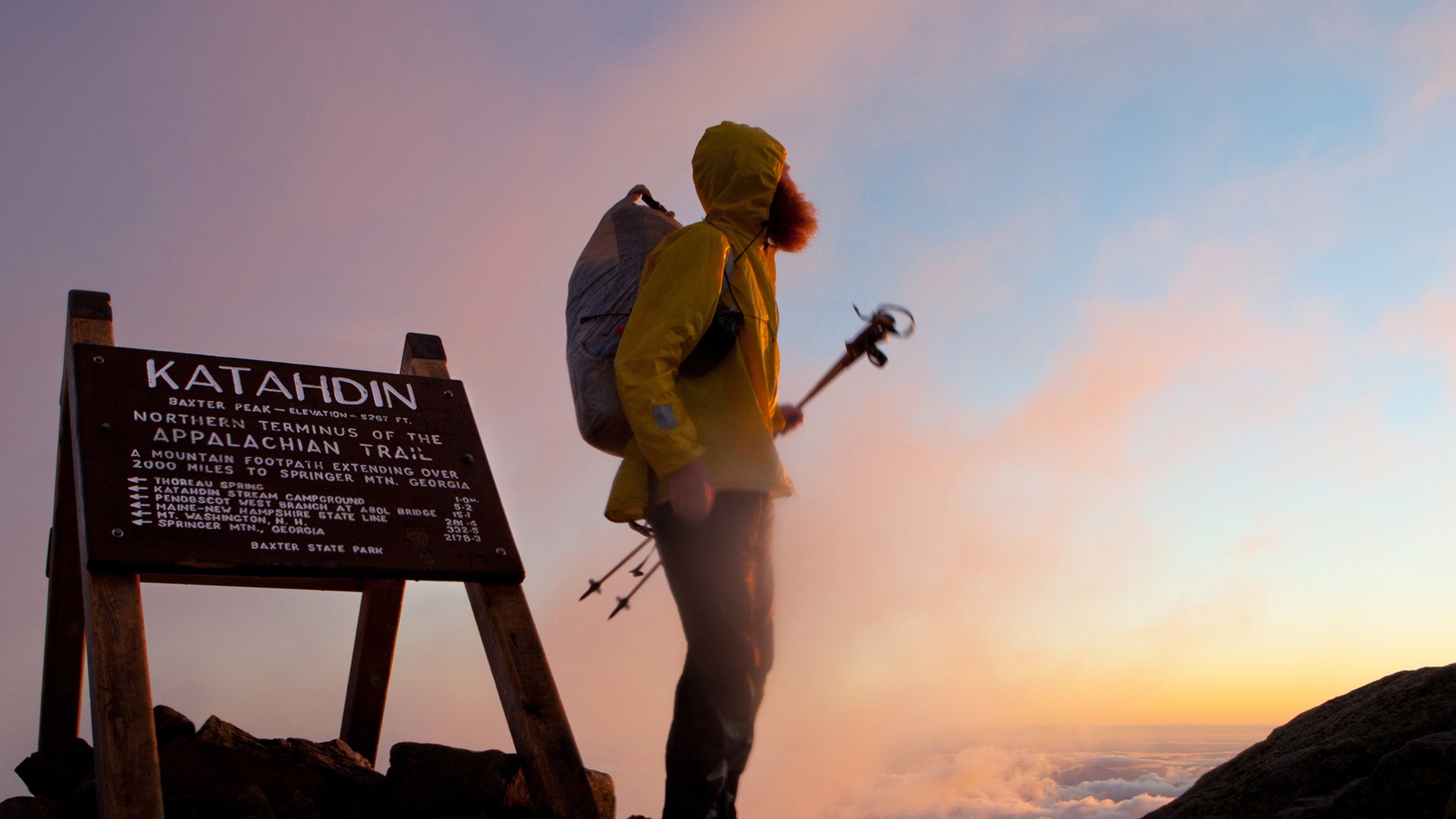
Credit: appalachiantrail.org
Fatalities On The Appalachian Trail
The Appalachian Trail is a popular hiking route stretching over 2,190 miles. Many hikers attempt the journey each year. While the trail offers beauty and adventure, it also poses dangers. Some hikers have lost their lives on this trail. Understanding the causes helps future hikers stay safe.
Fatalities on the Appalachian Trail are rare but real. Knowing the risks prepares hikers better. The trail crosses forests, mountains, and rivers. Weather changes and terrain challenges add to the risks. Let’s explore the main reasons behind these tragic events.
Accidents And Falls
Steep cliffs and rocky paths increase fall risks. Slips and trips cause many serious injuries. Some falls have led to fatal outcomes. Hikers must watch their footing on rough terrain. Using trekking poles can improve balance and safety.
Medical Emergencies
Medical problems like heart attacks or strokes occur unexpectedly. The trail’s remote areas delay medical help. Hikers with health issues should consult doctors before hiking. Carrying a basic first aid kit is essential. Knowing emergency signals can save lives.
Exposure To Weather
Sudden storms bring cold, rain, and wind. Hypothermia is a leading cause of death on the trail. Heatstroke and dehydration also pose serious threats in summer. Proper clothing and hydration are critical to prevent weather-related issues.
Wildlife Encounters
Wild animals like bears and snakes can be dangerous. Attacks are rare but possible. Storing food safely keeps animals away from campsites. Learning how to react during wildlife encounters reduces risks.
Getting Lost
Lost hikers face dehydration, exhaustion, and panic. Poor navigation skills contribute to getting off-trail. Carrying a map, compass, or GPS device helps prevent this. Staying on marked paths is vital for safety.
Common Causes Of Death
Hiking the Appalachian Trail is a dream for many. Sadly, some hikers face fatal dangers along the way. Knowing common causes of death helps hikers prepare better. The trail can be tough and unpredictable.
Accidents And Falls
Many deaths happen from accidents or falls. The trail has steep cliffs and rocky paths. One wrong step can cause serious injury. Loose rocks and slippery ground increase the risk. Hikers must watch their footing and move carefully.
Medical Emergencies
Sudden medical problems can turn deadly. Heart attacks and strokes are common on long hikes. Some hikers have hidden health issues. Lack of quick medical help makes situations worse. Carrying a first aid kit and knowing basic care is vital.
Wildlife Encounters
Wild animals can be dangerous on the trail. Bears, snakes, and insects pose threats. Attacks are rare but possible. Proper food storage and respect for wildlife reduce risks. Staying alert helps avoid unwanted encounters.
Exposure And Weather
Weather changes fast on the Appalachian Trail. Cold, heat, rain, and storms cause serious problems. Hypothermia and heat stroke are life-threatening. Proper clothing and gear protect against the elements. Checking weather forecasts and planning helps hikers stay safe.
High-risk Sections Of The Trail
The Appalachian Trail spans over 2,190 miles through diverse landscapes. Some parts of the trail are more dangerous than others. These high-risk sections have caused several accidents and fatalities. Hikers must prepare carefully before tackling these areas.
Weather changes quickly. Trails can be steep and rocky. Knowing which parts are most risky helps hikers stay safe and alert.
Steep Rock Faces And Cliffs
Steep rock faces on the trail demand careful footwork. A small slip can cause serious injury or death. Cliffs with loose rocks increase the danger. Rain makes these areas slippery and deadly. Hikers should use caution and avoid risky moves.
Mountain Passes With High Elevation
High mountain passes expose hikers to cold and wind. Thin air causes fatigue and dizziness. Storms can come without warning. Hypothermia is a real threat here. Proper clothing and gear are vital for survival.
Narrow Trails Along Steep Drops
Some trail sections run along narrow paths with steep drops. Losing balance means falling far below. Strong winds or loose soil make these spots dangerous. Hikers must focus and move slowly. Avoid hiking these parts in bad weather.
Remote Areas With Limited Help
Some parts of the trail are far from roads or rescue services. Injuries in these areas can take hours to get help. Hikers should carry first aid kits and tell others their route. Being alone in remote zones raises risks significantly.

Credit: www.greenbelly.co
Demographics Of Victims
The Appalachian Trail attracts thousands of hikers each year. Sadly, some lose their lives along the journey. Understanding the demographics of victims helps us learn who faces the most risk. This knowledge can guide safety measures and raise awareness.
Age Groups
Victims come from various age groups. Many fatalities occur among hikers aged 30 to 50. This group hikes more often and covers longer distances. Younger hikers, especially under 20, face risks too, often from inexperience. Older hikers over 60 sometimes struggle with health issues on the trail. Each age group encounters unique dangers during their hike.
Experience Levels
Experience plays a big role in safety. Novice hikers make up a significant portion of victims. Lack of preparation and poor decision-making contribute to accidents. Experienced hikers face risks from overconfidence or harsh weather. Both beginners and veterans must respect the trail’s challenges. Proper planning and caution reduce risks for all experience levels.
Safety Measures And Precautions
Hiking the Appalachian Trail can be a rewarding adventure. It also carries risks that need careful attention. Many hikers have faced dangers, and some have lost their lives. Safety measures help reduce these risks. Taking precautions makes the trail safer for everyone.
Essential Gear
Good gear is the first step to stay safe. A sturdy pair of hiking boots protects your feet. Carry a map and compass for direction. A reliable tent keeps you dry and warm. Pack enough food and water for your journey. A first aid kit helps treat small injuries. Dress in layers for changing weather. Carry a flashlight or headlamp with extra batteries.
Emergency Preparedness
Plan for emergencies before starting your hike. Share your route and schedule with someone you trust. Carry a whistle to signal for help. Know how to use a personal locator beacon or GPS device. Learn basic first aid skills. Be aware of nearby shelters and exit points. Avoid hiking alone on difficult sections of the trail.
Trail Etiquette
Respect the trail and other hikers. Stay on marked paths to protect nature. Yield the right of way to uphill hikers. Keep noise low to avoid disturbing wildlife. Pack out all trash and leave no trace. Camp only in designated areas. Follow fire rules and use a stove if fires are banned.
Impact On The Hiking Community
Hiking the Appalachian Trail has sadly led to some deaths over the years. This reality reminds hikers to stay careful and prepared. The trail community often shares safety tips to protect everyone on their journey.
Strengthening Safety Awareness
The deaths on the Appalachian Trail have pushed the hiking community to focus more on safety. Hikers now prepare better for weather and terrain challenges. Many share tips on gear and first aid before starting their journey. Safety workshops and online forums help new hikers learn important skills. This shared knowledge helps reduce accidents on the trail.
Building Emotional Support Networks
The loss of hikers brings deep sadness to the community. Friends and families come together to support each other. Online groups and local meetups offer spaces to share stories and memories. This support helps people heal and stay connected. It also creates a stronger bond among hikers.
Encouraging Responsible Hiking Practices
Many hikers have become more mindful of their impact on the environment. The community promotes “Leave No Trace” principles to protect nature. People carry out their trash and respect wildlife habitats. This care keeps the trail safe and beautiful for everyone. It also shows respect for those who have passed on the trail.
Inspiring Preparedness And Training
Deaths have inspired many to train before hiking the trail. Physical fitness and mental readiness are now priorities. Hikers join training groups or take guided hikes. They learn to handle emergencies and navigate difficult paths. This preparation improves safety and confidence on the trail.
Resources For Hikers
Hiking the Appalachian Trail is an exciting challenge. It also comes with risks. Knowing where to find help and support is very important. Resources for hikers can save lives and prevent accidents. They offer guidance, training, and community support. These resources help hikers prepare well and stay safe on the trail.
Support Organizations
Several groups focus on helping Appalachian Trail hikers. They provide advice, emergency help, and information. Appalachian Trail Conservancy is one key group. They protect the trail and offer safety tips. Local hiking clubs also support hikers. They share trail updates and organize group hikes. These groups create a network of care and knowledge. Joining one can improve your hiking experience.
Guides And Training
Learning from experienced hikers is very useful. Many guides teach hiking skills and safety. They cover map reading, first aid, and weather awareness. Training helps hikers avoid common mistakes. Some offer online courses for easy access. Others hold workshops near the trail. Practicing before the hike builds confidence. Good preparation lowers the chance of accidents.

Credit: www.nytimes.com
Frequently Asked Questions
How Many People Have Died Hiking The Appalachian Trail?
Since its creation, approximately 25 to 30 hikers have died on the Appalachian Trail. Causes include accidents, medical emergencies, and natural hazards.
What Are Common Causes Of Death On The Appalachian Trail?
Common causes include falls, heart attacks, hypothermia, dehydration, and wildlife encounters. Most deaths result from unpredictable outdoor risks.
Is Hiking The Appalachian Trail Dangerous For Beginners?
While challenging, proper preparation reduces risks. Beginners should train, carry safety gear, and hike with experienced companions to stay safe.
How Can Hikers Stay Safe On The Appalachian Trail?
Hikers should plan carefully, check weather, carry navigation tools, stay hydrated, and inform others of their route to ensure safety.
Conclusion
Hiking the Appalachian Trail is a rewarding adventure but comes with risks. Many people have lost their lives due to accidents, weather, or health problems. Knowing these dangers helps hikers stay safe and prepared. Always plan well, carry the right gear, and listen to your body.
Respect the trail and nature around you. Safety should be every hiker’s top priority. Stay aware, stay cautious, and enjoy the journey.
