
Are you planning your next outdoor adventure but unsure whether to choose hiking shoes or hiking boots? Picking the right footwear can make all the difference in how comfortable and safe your hike will be.
You might think they’re just different names for the same thing, but hiking shoes and hiking boots each have unique features that affect your performance on the trail. Understanding these differences can help you avoid blisters, ankle injuries, and fatigue.
Keep reading to discover which option fits your hiking style and needs perfectly.

Credit: www.reddit.com
Hiking Shoes Basics
Hiking shoes are a popular choice for many outdoor enthusiasts. They provide comfort and protection without the bulk of boots. These shoes suit different walking conditions and environments. Knowing their basics helps you pick the right gear for your adventure.
Design Features
Hiking shoes have low-cut designs for easy movement. They use breathable materials to keep feet cool. Soles are made with tough rubber for grip. Padding around the ankle is minimal. This design supports quick walking on smooth paths.
Weight And Flexibility
Hiking shoes are lighter than hiking boots. Their flexible soles allow natural foot movement. This helps reduce foot fatigue on long walks. They bend easily, making them comfortable on flat trails. The light weight also speeds up your pace.
Best Terrain Types
Hiking shoes work best on well-maintained trails. They handle rocky and dry surfaces well. Avoid using them in deep mud or snow. They offer less ankle support on rough terrains. Perfect for day hikes and easy mountain paths.
Hiking Boots Essentials
Hiking boots offer more than just footwear. They provide support, protection, and comfort for tough trails. Knowing their key features helps you choose the right pair.
These boots are designed to keep your feet safe and steady during long hikes. They handle rough terrain better than regular shoes.
Structure And Support
Hiking boots have a high ankle design. This design supports your ankles and prevents injuries. The sturdy soles give strong grip and stability. Thick midsoles absorb shock from rocky paths. The firm structure helps your feet stay balanced on uneven ground.
Durability And Protection
These boots use tough materials like leather and reinforced fabric. They resist tears, water, and dirt. The toe caps protect against sharp rocks and roots. Waterproof layers keep feet dry in wet conditions. Strong stitching holds the boots together for a long time.
Ideal Conditions
Hiking boots suit rough, rocky, or muddy trails best. They perform well in cold or wet weather. Boots work great for heavy loads and long hikes. They are less flexible but offer more safety and comfort. Perfect for mountainous and uneven areas.
Comparing Comfort Levels
Comfort plays a key role in choosing hiking shoes or boots. Both have unique features that affect how your feet feel on the trail. Understanding these differences helps you pick the right gear for your hike. Comfort depends on fit, cushioning, breathability, and how long it takes to break them in.
Fit And Cushioning
Hiking shoes usually fit snugly and feel lighter. They have softer cushioning, which helps on smooth trails. Hiking boots offer more ankle support but feel heavier. Their cushioning is firmer to protect on rough paths. A good fit prevents blisters and foot pain. Try both types to see which feels better for your foot shape.
Breathability Factors
Shoes often use mesh materials that let air flow well. This keeps feet cooler and dryer. Boots are made with thicker leather or synthetic materials. They protect better from water but can trap heat. Breathability matters if you hike in hot weather. Shoes may feel more comfortable in summer, boots in cold or wet conditions.
Breaking-in Period
Shoes usually need little or no break-in time. They feel comfortable right away. Boots require a longer break-in period. They can feel stiff and cause discomfort at first. Wearing boots on short walks helps soften them. Proper break-in avoids blisters and sore spots during long hikes.
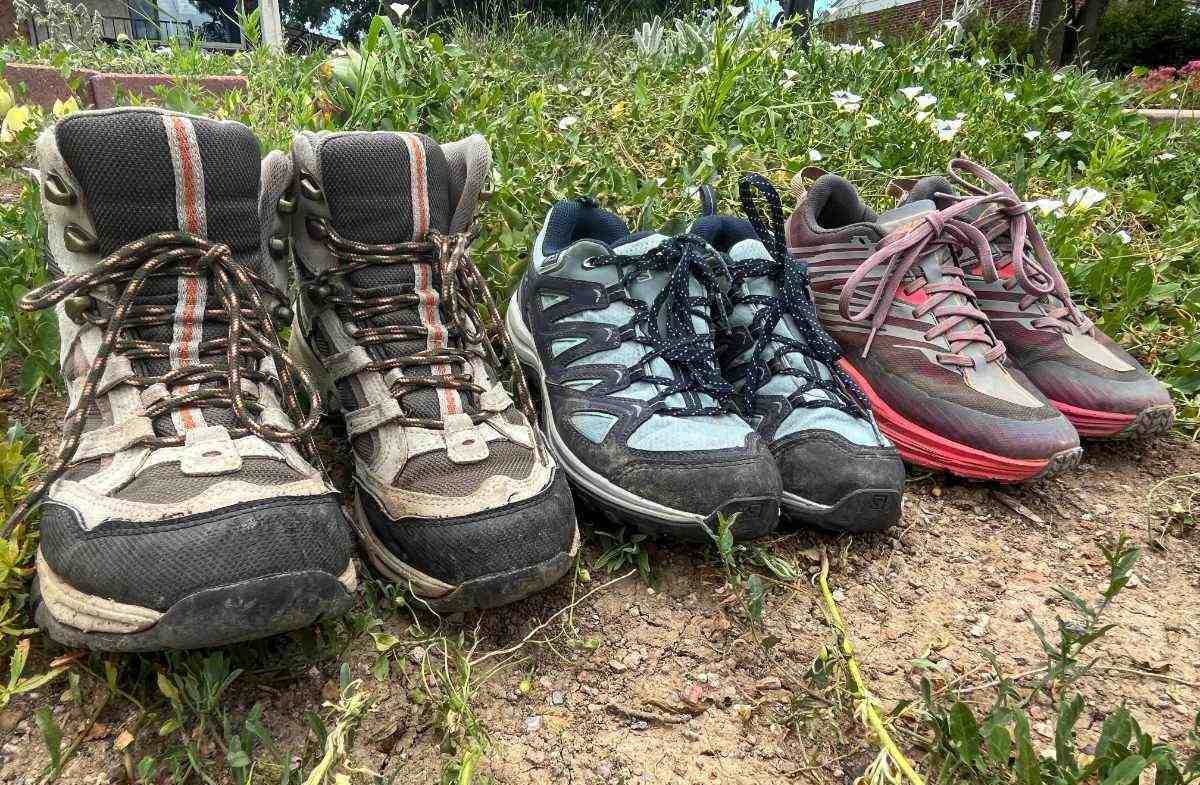
Credit: www.treelinereview.com
Traction And Stability
Traction and stability are key for safe hiking. They help you walk on rough paths without slipping or falling. Hiking shoes and hiking boots differ in these areas. Knowing these differences helps you pick the right gear for your adventure.
Sole Patterns
Hiking boots have deep, aggressive sole patterns. They grip loose rocks and mud well. Hiking shoes have lighter soles with less deep treads. They work fine on easy trails but struggle on tricky surfaces.
Ankle Support
Boots cover the ankle fully. This support stops your ankle from twisting. Hiking shoes are low-cut. They let your ankle move freely but offer less protection. Stability drops on uneven ground with shoes.
Slip Resistance
Boots often use special rubber for better slip resistance. This helps on wet or icy paths. Shoes have good grip but less slip resistance than boots. Boots keep you safer in slippery conditions.
Weight And Portability
Weight and portability are key factors when choosing hiking footwear. Hiking shoes usually weigh less than hiking boots. This difference affects how easy it is to carry and wear them during trips. Lightweight gear helps keep your energy up on long hikes. Portability means how easy the shoes or boots are to pack and move around with.
Impact On Endurance
Lighter shoes reduce the strain on your legs and feet. You can hike longer without feeling tired quickly. Hiking boots offer more support but add extra weight. That weight can slow you down and make your steps heavier. Shoes are better for fast, easy trails. Boots suit rough, tough paths that need ankle protection.
Packing Considerations
Shoes take up less space in your backpack. They are easier to slip in and out when needed. Boots are bulkier and harder to pack compactly. If you carry many items, lighter shoes free up room for other gear. Boots need more careful packing to avoid damage. Think about how much space your footwear will use before buying.

Credit: www.youtube.com
Durability And Maintenance
Durability and maintenance matter a lot for hiking shoes and boots. Both must handle rough trails and wet conditions. But they differ in how long they last and how to care for them. Knowing these differences helps you choose the right gear for your hikes. It also keeps your footwear in good shape for many adventures.
Material Longevity
Hiking boots often use thick leather or tough synthetic materials. These materials last longer against rocks and mud. Hiking shoes usually have lighter fabrics and mesh. They wear out faster but dry quickly. Boots resist damage better on sharp paths. Shoes can get holes or tears sooner.
Cleaning Tips
Clean boots with a soft brush to remove dirt. Use mild soap and water for tough stains. Let them air dry, away from heat. Hiking shoes need gentle cleaning too. Avoid soaking them for a long time. Quick drying helps keep shoes fresh and strong.
Repair Options
Boots can be resoled or patched easily. Repairs extend their life by years. Shoes have fewer repair choices because of thin soles. Small tears in shoes may need gluing. Boots give more value with fixable damage.
Price And Value
Price and value play a big role when choosing hiking shoes or boots. Understanding the cost and benefits helps you pick the best option for your needs. Both shoes and boots serve different purposes, and their prices reflect that. Spending wisely ensures you get good quality and comfort for your outdoor adventures.
Cost Differences
Hiking shoes usually cost less than hiking boots. Shoes are lighter and use less material, which lowers the price. Boots have more padding and support, making them pricier. The extra features in boots, like ankle protection, add to the cost. Prices vary by brand and materials, but boots often start higher.
Investment Benefits
Hiking boots often last longer than shoes. They protect your feet better in rough terrain. Boots can handle wet and rocky paths well. Shoes are good for easy trails and warm weather. Spending more on boots can save money later by avoiding injuries and replacements. A good pair of boots supports your feet on tough hikes.
Choosing Based On Budget
Set a clear budget before buying. If you hike occasionally on easy trails, shoes may be enough. For regular or challenging hikes, boots offer better value. Look for deals that match your needs without overspending. Remember, comfort and safety are more important than price alone.
Selecting The Right Footwear
Selecting the right footwear is key for a good hiking experience. Shoes and boots offer different benefits. Choosing the right type helps protect your feet and keeps you comfortable. It also prevents injuries on the trail. Understanding your needs and trail conditions makes this choice easier.
Assessing Your Hiking Needs
Think about how often you hike and where. Short, easy hikes need less support. Long or rough hikes require stronger footwear. Consider your foot shape and any past injuries. Comfort and fit matter most. The right fit reduces blisters and pain.
Matching Footwear To Trail Type
Flat, smooth trails work well with hiking shoes. Shoes are lighter and more breathable. Rocky or steep trails need hiking boots. Boots provide ankle support and better grip. Muddy or wet paths also call for boots. Boots protect your feet from water and dirt.
Seasonal Considerations
Warm weather suits lightweight hiking shoes. They allow air to flow and keep feet cool. Cold or wet seasons require waterproof boots. Boots keep feet dry and warm. Check the weather before choosing footwear. This helps you stay comfortable all day.
Frequently Asked Questions
What Are The Main Differences Between Hiking Shoes And Boots?
Hiking shoes are lighter and more flexible than boots. Boots offer better ankle support and durability for rough terrains. Shoes suit shorter hikes, while boots are ideal for long, challenging trails. Both provide traction but differ in protection and weight.
Which Is Better For Ankle Support: Shoes Or Boots?
Hiking boots provide superior ankle support due to their higher cut and sturdier design. Shoes have low or no ankle coverage, making them less protective. For uneven or rocky trails, boots reduce the risk of ankle injuries effectively.
Are Hiking Shoes Suitable For All Weather Conditions?
Hiking shoes are generally better for dry, warm weather. They offer breathability but less water resistance. Boots often feature waterproof materials and insulation, making them more suitable for wet or cold conditions. Choose based on climate and trail difficulty.
Can Hiking Shoes Replace Boots For Long Hikes?
Hiking shoes can work for moderate, well-maintained trails but lack support for long, tough hikes. Boots provide better protection, stability, and comfort over extended distances. For serious backpacking or rugged terrain, boots are the preferred choice.
Conclusion
Hiking shoes and hiking boots serve different needs on trails. Shoes offer light weight and flexibility for easy walks. Boots provide strong support and protection for rough paths. Choosing depends on trail type, weather, and personal comfort. Both can help you enjoy nature safely.
Think about your hike before picking gear. The right choice makes your outdoor adventure better. Stay safe and have fun exploring!
