
If you enjoy hiking or want to start, using hiking sticks can make a big difference—especially for seniors. They help you stay balanced, reduce strain on your joints, and boost your confidence on uneven trails.
But are you using them the right way? Using hiking sticks properly can keep you safer and make your walks more enjoyable. Keep reading to discover simple tips that will help you get the most out of your hiking sticks every time you head outdoors.
Your next hike could be easier and more fun than ever before!
Choosing The Right Hiking Sticks
Choosing the right hiking sticks is key for a safe and fun hike. The right sticks help with balance and reduce stress on joints. Seniors need sticks that fit well and feel comfortable. This makes walking easier and less tiring. Focus on three main things: material and weight, adjustable length, and grip comfort.
Material And Weight Considerations
Pick hiking sticks made from lightweight materials. Aluminum sticks are strong but a bit heavier. Carbon fiber sticks are lighter and absorb shock well. Lighter sticks reduce arm fatigue on long walks. Durable materials last longer and handle rough trails better. Avoid heavy sticks that tire your arms quickly.
Adjustable Length Features
Choose sticks with adjustable length. This feature lets you change stick height easily. Adjust stick length for flat paths or steep hills. Proper height helps keep good posture and balance. Look for simple locking mechanisms that don’t slip. Adjustable sticks fit different body sizes and hiking conditions.
Grip Types And Comfort
Grip comfort is very important for seniors. Soft grips reduce hand strain and prevent blisters. Cork grips absorb sweat and feel cooler. Foam grips are soft but may wear out faster. Make sure grips fit your hand size well. Comfortable grips help keep a steady hold on the sticks.

Credit: www.youtube.com
Preparing For Hike With Sticks
Preparing for a hike with sticks is important for a safe and comfortable walk. Proper preparation helps seniors avoid strain and stay balanced on trails. Simple steps before starting can make the hike more enjoyable.
Check your hiking sticks carefully and adjust them to fit your body. Practice using them a little before the hike begins. This preparation builds confidence and prevents injury.
Proper Height Adjustment
Set your hiking sticks to the right height. Hold the stick upside down with the grip on the ground. Your elbow should bend about 90 degrees when you hold the stick. This angle helps reduce pressure on your arms and shoulders. Adjust the length if your elbows are too straight or too bent.
Wrist Strap Usage
Slip your hand through the wrist strap from below. The strap supports your wrist when you push down on the stick. Hold the grip lightly, not too tight. This method saves your hands from getting tired and helps keep control of the stick.
Safety Checks Before Starting
Check that all locks on the sticks are tight. Loose parts can cause accidents on uneven paths. Test the sticks by pressing down and making sure they do not collapse. Look over the tips and replace worn ones to avoid slipping. These checks keep you safe throughout the hike.
Techniques For Effective Use
Using hiking sticks correctly helps seniors walk safely and comfortably. Proper techniques reduce strain on joints and improve balance. Learning how to use sticks on different paths is important. This section explains easy ways to use hiking sticks on flat ground, uphill, and downhill.
Walking On Flat Terrain
Hold the sticks lightly but firmly. Keep them close to your body. Move one stick forward as your opposite foot steps. This rhythm keeps your balance steady. Let the sticks support your weight just a little. Avoid pushing down too hard. This saves your arms from getting tired.
Navigating Uphill Trails
Shorten the sticks to match the slope. Plant both sticks ahead of you. Use them to pull your body up gently. Keep your steps small and steady. Lean slightly forward to stay balanced. Let the sticks take some weight off your knees. This makes climbing easier and safer.
Descending Safely
Lengthen the sticks for downhill walks. Place them firmly in front before stepping down. Use the sticks to slow your pace. Keep your body upright and relaxed. Let the sticks carry some weight from your legs. This prevents slipping and reduces knee pressure.
Benefits For Seniors
Hiking sticks offer many benefits for seniors. They make walking safer and more comfortable. Using sticks helps seniors enjoy nature without worry. These tools support physical health and boost confidence outdoors.
Improved Balance And Stability
Hiking sticks provide extra points of contact with the ground. This helps seniors keep their balance on uneven trails. They reduce the chance of slipping or falling. Sticks give steady support on rocks, roots, or slopes. Seniors feel more secure with this added stability.
Reduced Joint Impact
Walking can strain knees and hips. Hiking sticks share some body weight during each step. This lowers pressure on joints and muscles. Less pain means seniors can walk longer. Sticks help protect sensitive joints from damage.
Enhanced Endurance And Confidence
Using hiking sticks spreads effort across arms and legs. This reduces fatigue and boosts stamina. Seniors can hike farther without getting tired. Sticks also build confidence by offering steady support. Feeling safe encourages seniors to explore more trails.
Common Mistakes To Avoid
Using hiking sticks can make walking easier and safer for seniors. Yet, many make simple mistakes that reduce their benefits. Avoiding these errors helps you enjoy hikes more and stay steady on your feet.
Incorrect Stick Length
Choosing the wrong stick length causes discomfort and poor balance. Sticks too long make your arms tired fast. Too short sticks force you to bend forward. Adjust the length so your elbows form a 90-degree angle.
Overreliance On Sticks
Relying too much on sticks can weaken your legs. Use them to support, not carry your weight. Keep your legs active and strong by stepping confidently. Sticks are helpers, not crutches.
Ignoring Terrain Changes
Different grounds need different stick use. On flat paths, use sticks lightly. On steep or slippery trails, plant sticks firmly for grip. Adjust your stick use to match the trail’s difficulty. Stay alert and safe.

Credit: www.rei.com
Maintenance And Care Tips
Proper care keeps hiking sticks safe and lasting longer. Seniors benefit from regular maintenance. It helps avoid accidents and improves stick performance. Small steps in care make a big difference.
Cleaning After Use
Remove dirt and mud after every hike. Use a soft brush or cloth to clean the stick. Avoid harsh chemicals; water and mild soap work well. Dry the sticks completely to stop rust or damage. Clean sticks perform better on trails.
Inspecting For Wear And Tear
Check sticks before and after each hike. Look for cracks, loose parts, or worn tips. Replace damaged tips to keep good grip. Tighten loose screws or joints carefully. Regular checks prevent accidents and extend stick life.
Storage Recommendations
Store hiking sticks in a dry, cool place. Avoid direct sunlight to prevent material damage. Keep sticks away from heavy objects that can bend them. Use wall hooks or a stand for easy access. Proper storage keeps sticks ready for the next trip.
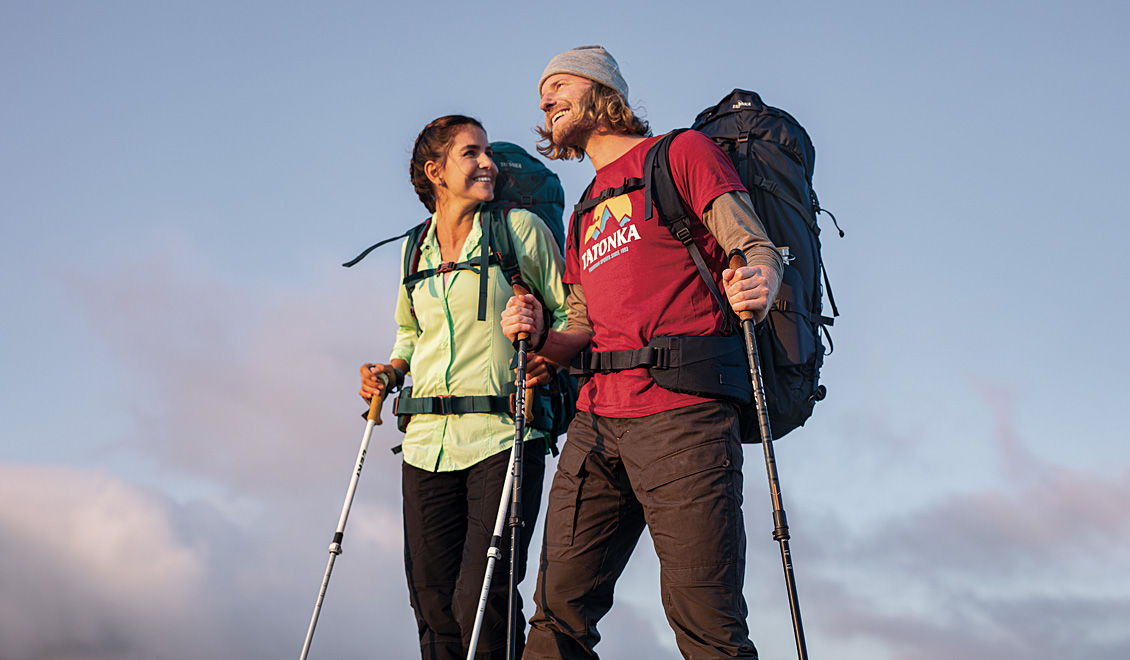
Credit: blog.tatonka.com
Frequently Asked Questions
How Do Hiking Sticks Benefit Seniors During Walks?
Hiking sticks improve balance and reduce joint stress for seniors. They enhance stability on uneven trails and lessen leg fatigue. Using sticks also promotes better posture and confidence while hiking, making outdoor activities safer and more enjoyable for older adults.
What Is The Correct Height For Hiking Sticks?
Adjust hiking sticks so your elbows form a 90-degree angle when holding the grips. This height ensures proper support and reduces strain. Properly adjusted sticks improve walking efficiency and prevent discomfort during long hikes.
How Should Seniors Hold Hiking Sticks Properly?
Grip hiking sticks firmly but not too tight. Wrap your fingers around the handle while keeping wrists relaxed. Use adjustable wrist straps to transfer weight and improve control, reducing hand fatigue during extended use.
When Should Seniors Use Hiking Sticks On Trails?
Use hiking sticks on uneven, steep, or slippery terrain to enhance stability. They are helpful during long hikes or when carrying a backpack. Sticks reduce impact on knees and help maintain a steady pace on challenging trails.
Conclusion
Using hiking sticks helps seniors stay steady and reduce joint stress. Hold them comfortably and adjust their length to fit your height. Place the sticks firmly before each step for better balance. Take breaks to avoid tired arms and enjoy your walk.
With practice, hiking sticks will feel natural and support your outdoor adventures. Stay safe, take it slow, and enjoy every step on the trail. Walking with sticks can make hiking easier and more fun for seniors.
