
Imagine you’re hiking through the woods, enjoying the fresh air and peaceful sounds of nature. Suddenly, you spot a black bear not far from your path.
Your heart races, and you freeze, unsure of what to do next. Facing a black bear can be scary, but knowing how to react can keep you safe and calm. You’ll discover simple, effective steps to take if you ever encounter a black bear while hiking.
Keep reading—your safety might depend on it.
Stay Calm And Assess
Encountering a black bear while hiking can be scary. Staying calm helps you think clearly. Assess the situation before acting. Quick, panicked moves can make things worse. Take a moment to breathe and observe the bear’s behavior. This helps you decide the best way to stay safe.
Avoid Sudden Movements
Sudden moves may startle the bear. Move slowly and smoothly. Keep your hands visible to the bear. Do not run or turn your back. Running can trigger a chase response. Stay still if the bear is calm. Slowly back away if it shows no signs of aggression.
Identify Bear Behavior
Watch the bear’s body language. A relaxed bear may look curious or indifferent. If it stands on its hind legs, it is likely curious, not aggressive. Growling, huffing, or jaw popping means the bear feels threatened. A bear that sways or slaps the ground is warning you. Recognize these signs to respond properly. Understanding behavior reduces panic and risk.
Make Yourself Known
Making yourself known to a black bear helps reduce surprise. Bears usually avoid humans. They may act aggressive if startled or feel threatened. Showing you are a person, not prey, can calm the bear. Stay calm and use clear body language. This helps the bear understand you are not a threat.
Speak Softly And Slowly
Talk in a calm, low voice. Do not shout or scream. Loud noises can scare or anger the bear. Use simple words or sounds to let the bear hear you. Speak slowly to avoid startling it. This shows you are aware of its presence. It helps the bear stay calm and decide to leave.
Wave Arms To Appear Larger
Raise your arms slowly above your head. This makes you look bigger and more powerful. Stand tall and face the bear directly. Do not make sudden moves. Slow waving signals you are not afraid. It can help the bear back away. Avoid turning your back or running.
Back Away Slowly
Backing away slowly is the safest way to leave a black bear encounter. It shows you are not a threat. Sudden moves can make the bear feel scared or angry. Keep calm and move carefully. This helps avoid a fight or chase. Stay aware of your steps and the bear’s reactions.
Maintain Eye Contact
Look at the bear’s eyes without staring hard. This tells the bear you see it clearly. Do not turn your back. Bears may think you want to run. Keep your face toward the bear as you back up. This helps you watch the bear’s behavior closely.
Do Not Run
Running can trigger a bear’s chase instinct. Bears run faster than humans. Stand your ground and move slowly. Running may make the bear feel threatened. Walk backward calmly and steadily. This lowers the chance of a sudden attack.
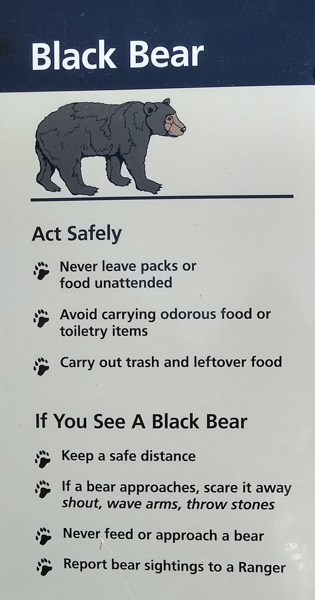
Credit: www.nps.gov
Use Bear Spray Effectively
Using bear spray is one of the best ways to protect yourself during a black bear encounter. Knowing how to use it correctly can stop an attack. Practice with an empty can before your hike. Keep the spray within easy reach. Stay calm and focus on your actions.
When To Deploy
Use bear spray only if the bear is very close. About 20 feet or less is the right range. Do not spray too early. The spray has limited reach. Spray when the bear shows signs of aggression. Signs include charging, growling, or standing on hind legs.
Do not waste spray on a bear that is far away or not paying attention. Use it as a last defense. Keep in mind, the spray needs time to work. It creates a cloud that irritates the bear’s eyes and nose.
How To Aim
Hold the can with both hands for steady aim. Point the nozzle slightly downward. Aim toward the bear’s face and eyes. The spray works best if it hits the bear’s nose and eyes directly.
Spray in short bursts of 1 to 2 seconds. Move the can side to side to cover a wider area. Back away slowly while spraying. Stay ready to spray again if the bear continues to approach.
If The Bear Approaches
Facing a black bear that moves toward you can feel scary. Staying calm helps keep the situation under control. Bears often bluff, but some may come closer. Knowing what to do helps protect yourself and others around.
Stand Your Ground
Do not run or turn your back. Running may trigger the bear’s chase instinct. Keep your eyes on the bear without staring aggressively. Make yourself look bigger by raising your arms or holding your jacket above your head. Speak loudly in a calm voice to show you are not prey. Slowly back away only if the bear stops approaching.
Prepare To Defend Yourself
Carry bear spray and get it ready. Aim for the bear’s face if it comes too close. Use any object nearby to protect yourself, such as a stick or backpack. Stay upright and protect your head and neck if the bear attacks. Fight back with strong, firm strikes. Black bears may stop if they meet strong resistance.
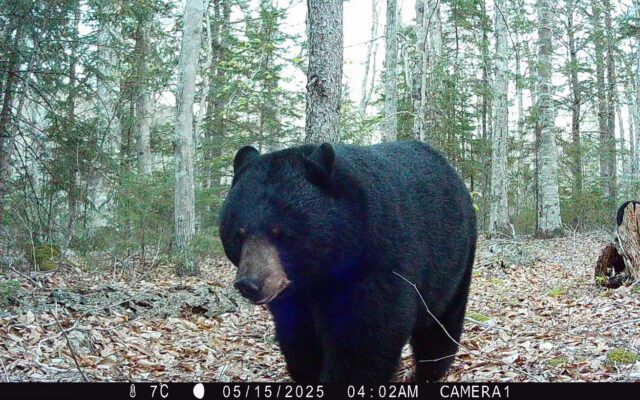
Credit: observer-me.com
After The Encounter
After seeing a black bear on a hike, staying calm is key. Your actions now can keep you safe and help others too. Knowing what to do next matters a lot.
Leave The Area Safely
Move away slowly without turning your back on the bear. Avoid running or sudden moves that might scare it. Keep your eyes on the bear but do not stare hard. Walk in the same direction you came from. Stay quiet and do not shout or wave your arms. Leave the place as calmly as you can. This lowers the chance of the bear feeling threatened.
Report The Sighting
Tell park rangers or local authorities about the bear. Share the exact location and what the bear was doing. This helps keep other hikers safe. Reporting can also aid wildlife teams in tracking bear activity. Use your phone or find a ranger station to report. Your quick report can prevent future surprises on the trail.
Preventing Bear Encounters
Preventing bear encounters is the best way to stay safe while hiking. Bears usually avoid humans if they sense them early. Making noise and managing food are two key steps to reduce chances of meeting a bear.
Make Noise While Hiking
Talk, sing, or clap your hands as you walk. Noise helps bears hear you coming from far away. Bears will move away to avoid people. Stay alert and keep noise steady, especially near thick bushes or streams. Quiet hiking increases the chance of surprising a bear.
Secure Food And Trash
Store food in sealed containers or bear-proof bags. Do not leave food or wrappers on the trail. Dispose of trash in proper bins or carry it out. Strong smells attract bears from a distance. Keep cooking and eating areas clean. This reduces the risk of bears coming close.

Credit: bearwise.org
Frequently Asked Questions
What Should I Do If A Black Bear Approaches Me?
Stay calm and avoid sudden movements. Speak softly and slowly back away. Do not run or turn your back. Make yourself appear larger by raising your arms. Carry bear spray and be ready to use it if the bear charges.
How Can I Prevent Black Bear Encounters While Hiking?
Make noise by talking or clapping to alert bears of your presence. Hike in groups and avoid hiking at dawn or dusk. Keep food sealed and stored away from your campsite. Follow local guidelines and stay on designated trails.
Is It Safe To Climb A Tree If A Black Bear Attacks?
Climbing a tree is not recommended during a black bear encounter. Black bears are excellent climbers and can follow you. Instead, stand your ground, use bear spray, and try to appear intimidating to discourage the bear.
What Is The Best Way To Use Bear Spray Effectively?
Aim bear spray at the bear’s face when it is within 20 feet. Spray in short bursts, creating a cloud between you and the bear. Practice using the spray beforehand to ensure quick and confident deployment during an encounter.
Conclusion
Seeing a black bear on a hike can feel scary. Stay calm and do not run. Speak softly and slowly back away. Keep your eyes on the bear but avoid direct staring. Make yourself look bigger by raising your arms.
Carry bear spray and know how to use it. Respect the bear’s space to stay safe. Remember, bears usually want to avoid people. Follow these steps to protect yourself and enjoy hiking. Safety first—always be ready and aware in bear country.
