
Hiking in bear country can be an amazing adventure, but it also comes with risks you need to know about. You want to enjoy the beauty around you without worrying about unexpected encounters.
What if you come face-to-face with a bear? Knowing what to do can keep you safe and confident on the trail. You’ll discover simple, proven steps to protect yourself and handle bear encounters the right way. Keep reading—your safety and peace of mind depend on it.
Preparing For Bear Country
Preparing for bear country is key to a safe hiking trip. Knowing the risks helps you avoid dangerous encounters. Taking the right steps builds your confidence and safety. Planning ahead protects both you and the bears.
Researching The Area
Start by learning about the bears in the area. Check recent bear sightings and activity reports. Understand the type of bears you might meet. Read local park rules about bear safety. This knowledge helps you stay alert and cautious.
Packing Bear Safety Gear
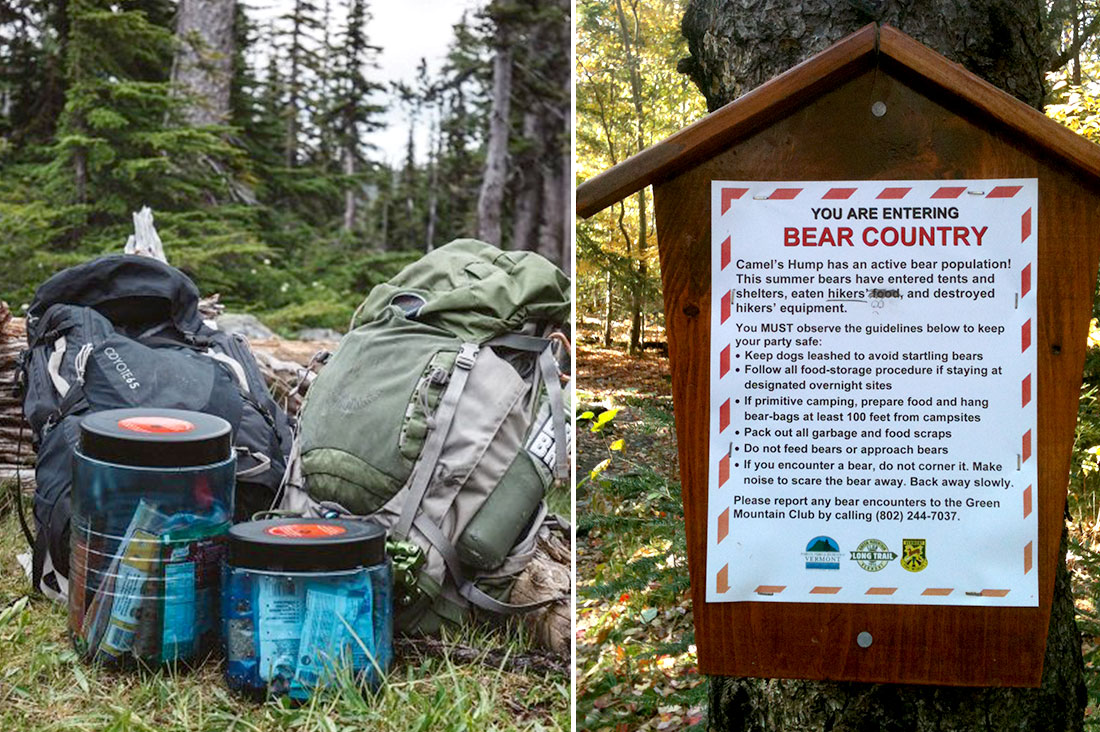
Carry essential gear to protect yourself and others. Bring bear spray and keep it easy to reach. Pack noise makers like bells or whistles to alert bears. Avoid strong-smelling food in your bag. Store food in bear-proof containers or hang it away from your campsite.
Informing Others Of Your Plans
Tell a friend or family member about your hiking route. Share your expected return time and check-in plan. This helps rescuers find you if needed. Leave a copy of your plan with a trusted person. It adds a layer of safety during your adventure.
Credit: www.greenmountainclub.org
Recognizing Bear Signs
Recognizing bear signs is key to staying safe while hiking in bear country. Bears leave clear marks that tell their story. Knowing these signs helps you avoid surprise encounters. Stay alert and use your senses to spot these clues on the trail.
Identifying Tracks And Scat
Bears leave tracks that show their size and direction. Look for large paw prints with five toes and sharp claw marks. Bear scat varies in shape and size. It often contains berries, seeds, or fur. Fresh scat means a bear was nearby recently. Avoid these areas to keep your distance.
Noticing Bear Habitats
Bears prefer thick forests, berry patches, and rivers. These spots offer food and shelter. Look for broken branches or torn tree bark. Bears scratch trees to mark territory. Hollow logs or dense bushes may hide a bear’s den. Give these places plenty of space.
Listening For Bear Sounds
Bears make grunts, growls, and huffing noises. These sounds warn of their presence or stress. Rustling leaves or snapping twigs can also signal a bear nearby. Stay calm and make your presence known by talking or clapping softly. Avoid startling a bear with sudden noises.
Preventing Bear Encounters
Hiking in bear country calls for smart actions to avoid close encounters. Bears usually avoid humans but can get curious or defensive. Taking steps to prevent surprise meetings keeps both hikers and bears safe. Simple habits make a big difference in staying clear of bears on the trail.
Making Noise While Hiking
Bears hear better than humans. Making noise alerts bears to your presence. Talk, sing, or clap your hands regularly. Avoid sudden quiet moments in thick brush or near streams. Use a bear bell if you have one. Noise helps bears move away before you get too close.
Traveling In Groups
Bears are less likely to approach groups. Walk with others whenever possible. Groups are louder and look bigger, which scares bears. Stay close together and avoid spreading out. Group hiking boosts safety and lowers chances of surprise bear encounters.
Managing Food And Trash
Bears smell food from far away. Keep all food sealed in airtight containers. Never leave food or trash on the trail or campsite. Use bear-proof trash cans if available. Clean up cooking areas thoroughly. Proper food storage stops bears from coming near humans.

Credit: www.youtube.com
Responding To Bear Encounters
Encounters with bears can happen on any hike in bear country. Knowing how to respond can keep you safe and calm. Bears usually avoid humans but may act curious or defensive. Acting wisely during an encounter lowers risks and helps you stay safe.
Staying Calm And Avoiding Sudden Movements
Stay calm and breathe slowly. Sudden moves can startle a bear. Keep your hands visible and do not run. Speak softly in a low voice to show you are not a threat. Avoid direct eye contact, which may seem like a challenge.
Using Bear Spray Effectively
Carry bear spray where you can reach it fast. Hold the can with both hands. Aim slightly downward and spray when the bear is within 20 feet. Create a cloud between you and the bear. The spray irritates the bear’s eyes and nose, stopping an attack.
Knowing When To Back Away
Back away slowly without turning your back. Move sideways to avoid tripping. Stop if the bear follows or acts aggressive. Do not run or climb trees. If the bear charges, stand your ground and use your bear spray.
Handling Bear Attacks
Handling bear attacks requires calm and quick action. Knowing what to do can save your life. Bear behavior varies by type. Your response must match the situation. Stay focused and use the right defense. Learn basic steps before hiking in bear country.
Defensive Strategies For Different Bear Types
Black bears often bluff charge. Stand your ground and make loud noises. Use bear spray if available. Do not run away. Brown bears are more aggressive. Play dead if attacked by a brown bear. Protect your neck and head with your hands. Avoid eye contact but stay alert. Polar bears are rare but very dangerous. Fight back with everything you have. Use sticks or rocks to defend yourself.
Protecting Yourself On The Ground
If knocked down, curl into a ball. Cover your neck with your arms. Keep your hands over your head. Stay as still as possible. Do not scream or fight unless it is a polar bear. Try to appear smaller and less threatening. Use your backpack to shield your body. Protect vital areas to reduce injury.
Seeking Immediate Medical Help
Get help right after the attack. Call emergency services or alert nearby hikers. Treat wounds quickly to avoid infection. Apply pressure to stop bleeding. Clean cuts with clean water if possible. Keep the injured person calm and warm. Follow medical advice for further treatment. Prompt care improves recovery chances.
Credit: www.nps.gov
Post-hike Safety Measures
After hiking in bear country, safety does not end at the trailhead. Taking the right steps post-hike helps protect you and others. It also keeps bears safe by reducing unwanted encounters.
Handling bear sightings, cleaning your gear properly, and reviewing your safety actions matter a lot. These steps make future hikes safer and more enjoyable.
Reporting Bear Sightings
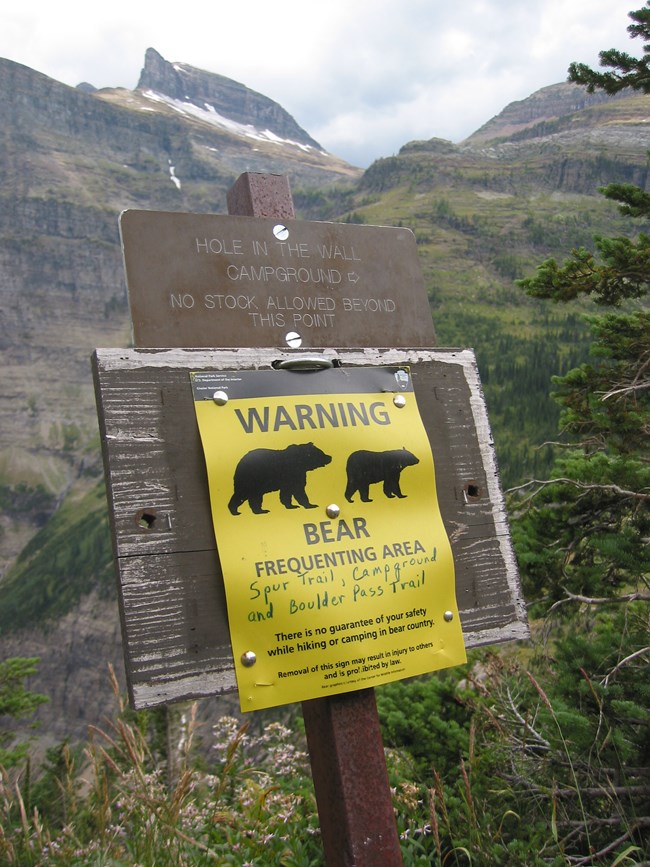
Tell park rangers or local authorities about any bear sightings. Share the location, time, and behavior of the bear. This helps officials warn other hikers and track bear movements. Timely reports can prevent accidents and keep everyone safe.
Cleaning Gear To Avoid Attractants
Wash all your hiking gear thoroughly after each trip. Remove food crumbs and strong smells that can attract bears. Use hot water and soap for best results. Store your gear in sealed containers or bags to keep scents contained. Clean gear reduces the risk of drawing bears near campsites or homes.
Reviewing And Improving Safety Practices
Think about what worked well and what didn’t on your hike. Discuss your experience with fellow hikers or park staff. Learn from any close calls or mistakes. Update your safety plan based on new information. Preparing better helps prevent future bear encounters and keeps you safer outdoors.
Frequently Asked Questions
How To Stay Safe From Bears While Hiking?
Stay alert and make noise to avoid surprising bears. Carry bear spray and know how to use it. Hike in groups and keep food secured. Avoid hiking at dawn or dusk when bears are most active.
What Should I Do If I Encounter A Bear?
Stay calm and do not run. Speak softly and slowly back away. Avoid direct eye contact and make yourself look bigger. Use bear spray only if the bear approaches aggressively.
Is It Safe To Hike Alone In Bear Country?
Hiking alone increases risk; it’s safer to hike in groups. Bears are less likely to approach groups. If hiking alone, be extra cautious and carry bear spray at all times.
How To Store Food Safely During A Hike?
Use bear-proof containers or hang food 10 feet off the ground. Keep cooking and eating areas separate from sleeping spots. Proper storage reduces bear attraction and protects you and wildlife.
Conclusion
Hiking in bear country calls for careful steps and clear plans. Stay alert and make noise to avoid surprising bears. Carry bear spray and know how to use it quickly. Keep food sealed and away from your tent. Respect wildlife and give bears plenty of space.
These simple actions help keep you safe and calm. Enjoy nature without fear. Stay smart, stay safe, and have a great hike.
