
Imagine you’re hiking through the woods, enjoying the fresh air and peaceful surroundings. Suddenly, you spot a cougar nearby.
Your heart races, and you wonder what to do next. Encountering a cougar can be scary, but knowing how to react can keep you safe. You’ll learn simple, effective steps to protect yourself if you ever come face-to-face with one of these powerful animals.
Keep reading—your safety might depend on it.
Recognize Cougar Behavior
Recognizing cougar behavior is key to staying safe while hiking. Cougars are shy animals but can be dangerous if surprised or threatened. Understanding their signs and typical actions helps you react calmly and avoid harm.
Signs Of Cougar Presence
Look for fresh tracks or paw prints on soft ground. You may see scratch marks on trees or bushes. Scat or droppings are another sign. Listen for unusual sounds like growls or hisses. Notice if birds or small animals suddenly become quiet or fly away. These clues mean a cougar might be nearby.
Typical Cougar Actions
Cougars usually avoid humans and run away. They may watch from a distance without moving. If a cougar stays and stares, it might feel threatened. Sometimes they crouch low to the ground, ready to move fast. A cougar may also make short, low growls or hisses. These behaviors show it is alert and cautious.

Credit: www.latimes.com
Stay Calm And Assess
Encountering a cougar while hiking can be scary. Staying calm helps you think clearly. Assess the situation carefully before acting. Quick reactions often make things worse. Keep your mind steady. Observe the cougar’s behavior. This gives clues about what to do next.
Avoid Sudden Movements
Sudden moves may startle the cougar. It might see fast actions as a threat. Stand still or move slowly. Do not run or turn your back. Slow, calm steps show you are not prey. This lowers the chance of an attack.
Keep Eye Contact
Look the cougar in the eyes. This shows confidence and strength. Do not stare aggressively. Maintain steady, calm eye contact. Avoid looking away or down. Cougars may see this as weakness. Holding your gaze can make the cougar think twice.
Make Yourself Appear Larger
Making yourself look bigger can stop a cougar from attacking. Big animals often avoid fights with creatures that seem large and strong. Standing tall and wide can show the cougar you are not easy prey.
Raise Your Arms
Lift your arms above your head slowly. Stretch out your jacket or shirt to look wider. Move your arms up and down to catch the cougar’s attention. This makes you look taller and more threatening. Stay calm and avoid sudden moves.
Use Clothing Or Gear
Open your jacket or backpack wide to add size. Hold your hiking poles or sticks out to the sides. This creates a bigger shape around your body. Bright colors or shiny objects can also scare the cougar. Use what you have to appear large and strong.
Back Away Slowly
Backing away slowly is key when you see a cougar on a trail. Quick moves can startle the animal. Stay calm and move gently. Keep your eyes on the cougar but do not stare aggressively. This shows you are not a threat. Backing away creates space and lowers tension. Follow these tips to stay safe.
Maintain Distance
Keep as much distance as you can from the cougar. Step back slowly and carefully. Do not rush or run. Running may trigger the cougar’s chase instinct. Give the animal room to feel less cornered. The more space, the safer you are. Stay alert to the cougar’s actions as you move.
Avoid Turning Your Back
Never turn your back on a cougar while stepping back. Turning can make you look like prey. Face the animal without staring too hard. Watch its movements closely. Back away with small, steady steps. Keep your body facing the cougar to protect yourself. This shows confidence and control.
Use Noise And Deterrents
Making loud noises and using deterrents can stop a cougar from coming closer. Cougars usually avoid loud sounds and sudden actions. This can keep you safe. Stay calm and act fast.
Shout And Clap
Raise your voice and shout firmly. Use strong words or loud noises. Clap your hands hard and fast. This shows you are big and not easy to scare. It can make the cougar back away. Keep your eyes on the animal. Do not turn your back.
Employ Bear Spray
Carry bear spray while hiking in cougar areas. Bear spray is a strong, safe spray that stops wild animals. If the cougar comes too close, use it quickly. Aim for the cougar’s face. The spray creates a cloud that causes pain and confusion. This gives you time to move away safely.
Prepare For Defense
Preparing for defense is key if a cougar approaches. Stay calm and focus on protecting yourself. Quick thinking and strong actions can save your life. Knowing how to respond shows confidence and may stop an attack.
Fight Back If Attacked
Never play dead with a cougar. Fight back with all your strength. Use anything you have, like sticks or rocks, to hit the animal. Aim to scare it away by being loud and aggressive. Show the cougar you are not easy prey.
Target Sensitive Areas
Hit the cougar’s eyes and nose if it attacks. These spots cause pain and confusion. Use your hands, feet, or any object nearby. Striking these areas may force the cougar to stop and run away. Stay strong and keep fighting until you are safe.
Prevent Future Encounters
Preventing future encounters with cougars is key for safe hiking. Taking simple steps can lower the chance of meeting one. Being aware and prepared helps protect you and the wildlife.
Hiking In Groups
Cougars avoid groups of people. Hiking with others makes you look bigger and louder. Stay close together and talk often. Groups are less likely to surprise a cougar. Always let someone know your hiking plan.
Avoiding Peak Cougar Activity Times
Cougars hunt mostly at dawn and dusk. Plan hikes during the day for safety. Bright daylight lowers the chance of an encounter. Be extra careful near dawn or dusk. Watch for signs of wildlife during these times.
Keep Pets Leashed
Pets can attract cougars and increase risk. Keep dogs on a short leash at all times. Small animals can trigger a cougar’s hunting instinct. Do not let pets roam freely near trails. Protect your pets and yourself by staying close.
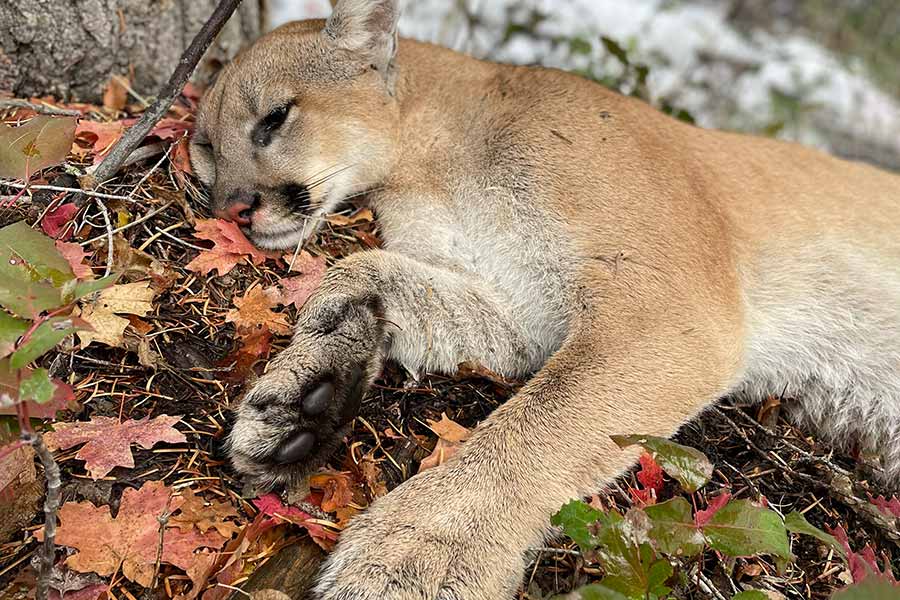
Credit: wildlife.utah.gov
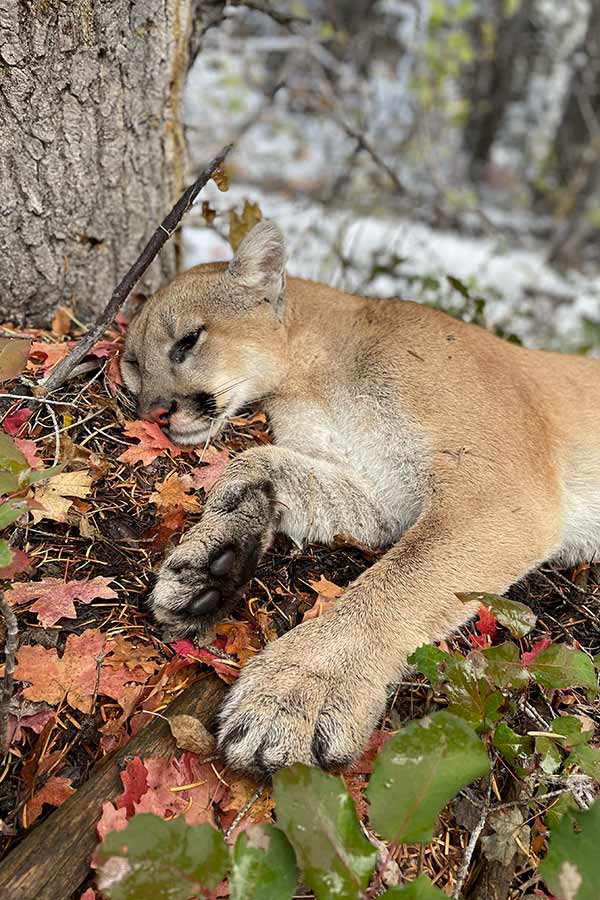
Credit: wildlife.utah.gov
Frequently Asked Questions
What Should I Do If I See A Cougar While Hiking?
Stay calm and avoid sudden movements. Make yourself look bigger by raising your arms. Slowly back away without turning your back on the cougar.
How Can I Protect Myself From A Cougar Attack?
Carry bear spray or a loud whistle. Make noise while hiking to alert cougars. Avoid hiking alone, especially at dawn or dusk.
Is It Safe To Run From A Cougar?
No, never run from a cougar. Running may trigger its chase instinct. Instead, maintain eye contact and stand your ground.
When Is Cougar Activity Highest While Hiking?
Couars are most active during dawn, dusk, and nighttime. Be extra cautious during these times. Stay on well-traveled trails and avoid dense brush.
Conclusion
Stay calm and keep your eyes on the cougar. Do not run or turn your back. Make yourself look bigger by raising your arms. Speak firmly and slowly back away. Carry bear spray or noise makers on hikes. Know the signs of cougar territory before going.
Respect wildlife and keep a safe distance. Being prepared can help you stay safe outdoors. Remember, cougars usually avoid people. Stay alert and enjoy nature responsibly.
