
Imagine you’re hiking through your favorite trail, surrounded by nature’s beauty, when suddenly you spot a bobcat nearby. Your heart races, and questions flood your mind: What should you do?
How do you stay safe? Encountering a wild animal like a bobcat can be both thrilling and nerve-wracking. But knowing the right steps to take can protect you and help you keep calm. Keep reading to discover simple, effective actions that will keep you safe if you ever come face-to-face with a bobcat on your hike.
Recognize Bobcat Behavior
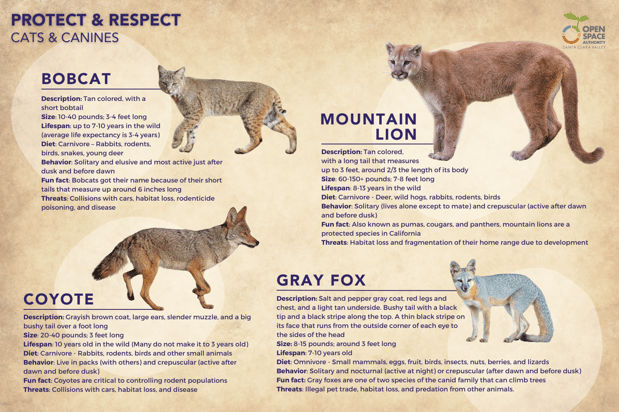
Recognizing bobcat behavior helps keep you safe while hiking. Bobcats are shy animals. They avoid humans but can become curious or defensive. Understanding their signs and reactions allows you to respond calmly. Knowing what to watch for reduces fear and helps you stay alert in their habitat.
Signs Of A Nearby Bobcat
Listen for unusual sounds like growls or hisses. Look for tracks with four toes and sharp claw marks. Watch for scat with fur or bones inside. You might see bobcat scratches on trees. Spotting movement in bushes or low branches can also mean a bobcat is near.
Typical Bobcat Reactions
Bobcats often freeze or hide when they notice people. They may stare silently from a distance. Some bobcats growl or hiss to warn you. They rarely attack unless cornered or threatened. Most will run away if given space. Staying calm and backing away slowly avoids conflict.
Stay Calm And Assess
Seeing a bobcat while hiking can be scary. Staying calm helps you think clearly. Quick actions might make the situation worse. Take a moment to understand what the bobcat is doing. This helps you react in the safest way.
Avoid Sudden Movements
Sudden moves can startle the bobcat. It may feel threatened and act aggressively. Move slowly and carefully. Keep your body relaxed. Avoid running or making fast gestures. Calm actions show you are not a threat.
Maintain Eye Contact
Look the bobcat in the eyes. This shows confidence and strength. Do not turn your back or look away. Bobcats may see that as weakness. Steady eye contact can make the bobcat think twice about approaching.
Make Yourself Appear Larger
Making yourself look bigger can help you stay safe around a bobcat. Bobcats usually avoid large animals. Showing you are bigger may stop the bobcat from coming closer. Stay calm and use your body and gear to look bigger and stronger.
Raise Your Arms
Lift your arms above your head slowly. This makes you look taller and more threatening. Spread your arms wide to increase your width. Keep your hands open, not clenched. Moving slowly helps avoid sudden scares for the bobcat. Stand tall and steady while doing this.
Use Clothing Or Gear
Hold your jacket or backpack above your head. Open your jacket wide to add size. Wave your gear slowly to look bigger. Bright colors or large shapes catch the bobcat’s eye. Use what you have to appear as large as possible. This can make the bobcat think twice about coming closer.
Slowly Back Away
Encountering a bobcat on a trail can be scary. Staying calm is important. Slowly backing away helps reduce threat and avoids sudden moves. This shows you are not a danger and gives space to the bobcat. Moving carefully is key to keeping safe in this moment.
Keep Facing The Bobcat
Do not turn your back on the bobcat. Look at it while stepping back. This shows you are aware and not easy prey. Avoid sudden movements that might startle it. Staying calm and steady helps keep the bobcat relaxed. Keep your hands visible and avoid bending down.
Choose A Safe Retreat Path
Pick a clear path to move away slowly. Avoid dense bushes or areas where the bobcat can hide. Move toward open spaces or trails you came from. Watch your steps to avoid tripping or falling. This helps you leave safely without causing alarm. Take your time and move quietly but steadily.
Use Noise And Deterrents
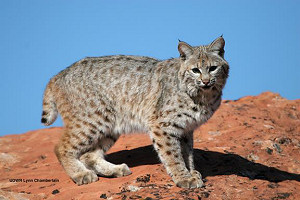
Making noise and using deterrents can stop a bobcat from coming closer. Loud sounds scare many wild animals. Bobcats usually avoid people who seem big and loud. Carrying simple tools can help you feel safer on the trail.
Shout Or Clap
Shout loudly to show you are not prey. Clap your hands hard to make a sharp noise. These sounds can surprise the bobcat and make it run away. Keep your voice firm and steady. Do not scream or sound scared. Stand tall to look bigger. Noise often makes bobcats leave quickly.
Employ Bear Spray Or Whistles
Carry bear spray for extra protection. It can stop a bobcat if it comes too close. Spray in short bursts toward the animal’s face. A loud whistle also helps to scare animals away. Blow the whistle strongly and often. These tools give you control and confidence. They can prevent a dangerous encounter on the hike.
Credit: www.wildawareutah.org
Avoid Running Or Turning Your Back
Encountering a bobcat on a trail can be frightening. Staying calm is the first step to staying safe. Avoid running or turning your back. These actions may trigger the bobcat’s hunting instinct.
Bobcats see quick movement as prey behavior. Running may cause the bobcat to chase. Turning your back removes your ability to see the animal. This can make you vulnerable to surprise attacks.
Maintain Eye Contact
Keep looking at the bobcat without staring aggressively. Eye contact shows you are aware and not prey. It may discourage the animal from approaching.
Move backward in a calm and steady way. Do not turn around or run. Slowly increasing distance helps avoid startling the bobcat.
Make Yourself Look Bigger
Raise your arms or open your jacket wide. This makes you appear larger and more threatening. Bobcats may think twice about attacking bigger opponents.
Speak Firmly And Loudly
Use a strong voice to talk to the bobcat. Loud noises can scare the animal away. Stay confident but do not yell aggressively.
Protect Yourself If Attacked
Facing a bobcat attack during a hike can be frightening. Staying calm and knowing how to react can save your life. Protect yourself quickly and firmly. Show the bobcat you are not easy prey. Act with strength and confidence to stop the attack.
Fight Back Aggressively
Do not run or turn your back. Stand your ground and make loud noises. Use sticks, rocks, or any object nearby. Hit the bobcat hard to scare it away. Use your fists if nothing else is available. Fight with all your strength and energy.
Target Sensitive Areas
Aim for the bobcat’s eyes, nose, and throat. These spots are very sensitive and can stop an attack. Scratching or hitting these areas may make the bobcat retreat. Protect your face and neck at all times. Keep fighting until the bobcat leaves or help arrives.
Credit: www.reddit.com
Prevent Future Encounters
Preventing future bobcat encounters helps keep you safe and protects the animals. Taking simple steps can lower your chances of crossing paths with bobcats. Being prepared and cautious during hikes is key. Learn how to reduce your risk with practical habits.
Keep Hiking In Groups
Hiking with others makes you less of a target for bobcats. They usually avoid groups and noisy areas. Stay close to your group and talk quietly. Avoid hiking alone, especially at dawn or dusk. Groups create more noise and movement. This helps scare bobcats away before they get close.
Store Food Properly
Food smells attract bobcats and other wild animals. Use sealed containers or bags to keep food smells inside. Never leave food scraps or wrappers on the trail. Pack out all trash and leftovers carefully. Store food away from your campsite or car. Proper food storage reduces the chance of bobcats coming near. It keeps you and wildlife safe.
Report Sightings To Authorities
Reporting bobcat sightings helps keep hikers and wildlife safe. Authorities use reports to track animal movements. This information guides safety measures and habitat protection. Sharing details about your encounter supports local efforts.
Local Wildlife Agencies
Contact local wildlife agencies after seeing a bobcat. They gather data on animal behavior and population. Your report helps experts monitor bobcat activity in the area. This can prevent future close encounters and manage risks. Provide exact location and time of the sighting.
Trail Management
Inform trail management teams about bobcat sightings. They maintain hiking paths and ensure visitor safety. Managers may post warnings or close trails temporarily. Your report assists them in making quick, informed decisions. Keep trails safe for everyone by sharing your experience.
Credit: www.outerspatial.com
Frequently Asked Questions
What Should I Do If I See A Bobcat While Hiking?
Stay calm and do not run. Make yourself look bigger by raising your arms. Slowly back away while maintaining eye contact. Avoid turning your back or crouching. This shows confidence and reduces the chance of an attack.
Are Bobcats Dangerous To Hikers?
Bobcats are generally shy and avoid humans. Attacks on hikers are extremely rare. They may become defensive if cornered or threatened. Always respect their space and observe from a distance to stay safe.
How Can I Prevent A Bobcat Encounter On Trails?
Make noise while hiking to alert wildlife of your presence. Avoid hiking alone during dawn or dusk when bobcats are more active. Keep pets on a leash and stay on marked trails to reduce surprise encounters.
What Signs Indicate A Bobcat Is Nearby?
Look for tracks with four toes and visible claws. You may see scratch marks on trees or scat nearby. Hearing high-pitched screams or yowls can also indicate bobcat presence. Stay alert and cautious if you notice these signs.
Conclusion
Encountering a bobcat on a hike can feel scary. Stay calm and do not run. Make yourself look big and loud. Slowly back away while watching the animal. Keep pets and children close for safety. Remember, bobcats usually avoid people.
Respect their space and stay alert. Knowing what to do helps you stay safe. Enjoy hiking with confidence and care. Stay prepared for nature’s surprises every time.
