
Have you ever wondered if you can hike the Grand Canyon? If you’re dreaming of standing at the edge of one of the world’s most breathtaking natural wonders, this question is probably on your mind.
Hiking the Grand Canyon is not just about walking down a trail—it’s about testing your limits, experiencing stunning views, and creating unforgettable memories. But is it something you can realistically do? Keep reading to discover what it takes, how to prepare, and whether this adventure is right for you.
Your Grand Canyon hike could be closer than you think.

Credit: www.oars.com
Hiking Routes
The Grand Canyon offers many hiking routes for all skill levels. Trails vary from short walks to long, challenging treks. Each route shows a different view of the canyon’s beauty. Planning your hike depends on how much time you have and your experience.
Explore the main hiking areas below. Choose a trail that fits your pace and interests.
South Rim Trails
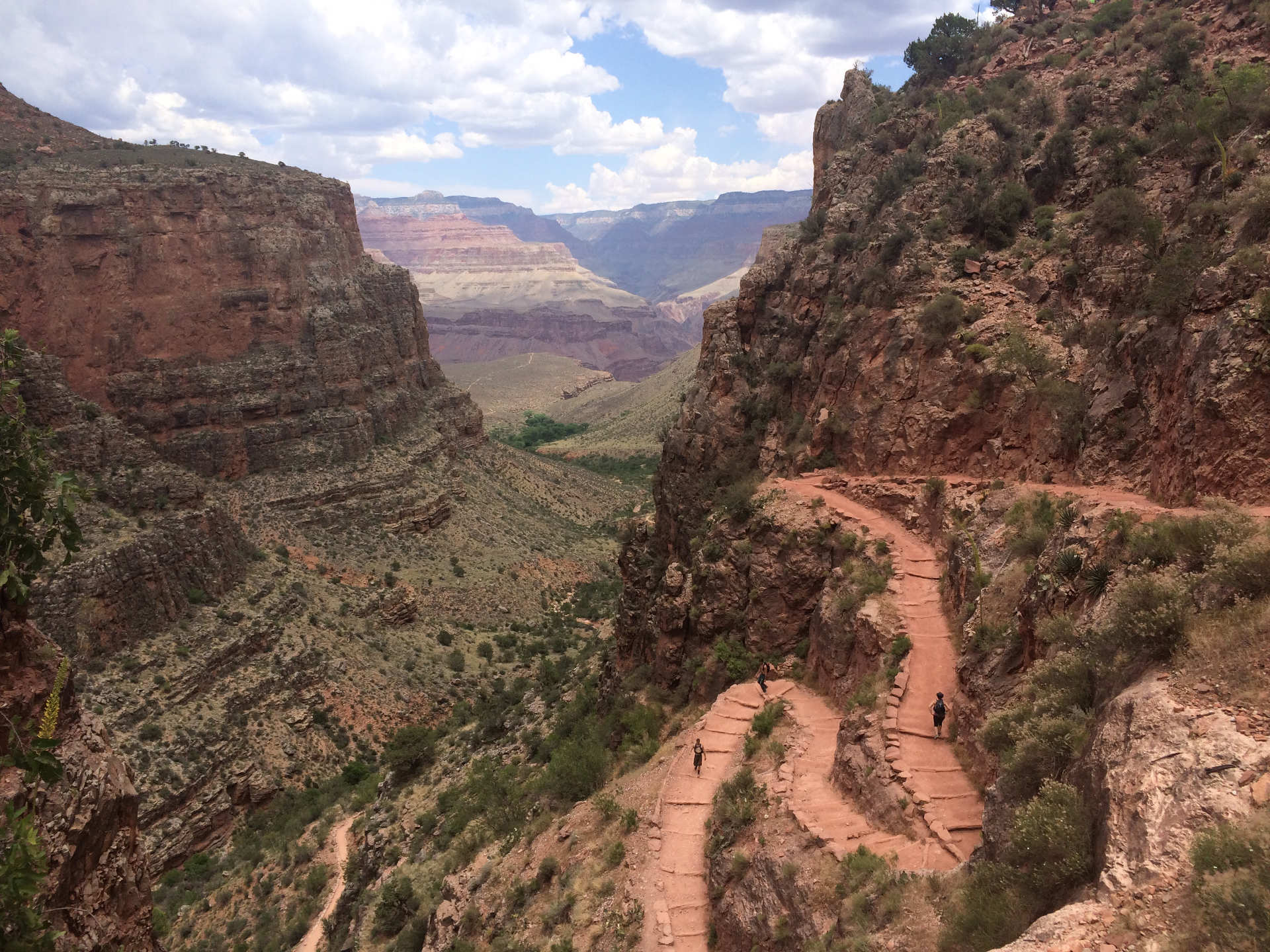
The South Rim is the most popular area for hikers. Trails here are well-marked and have many facilities. Bright Angel Trail and South Kaibab Trail are famous routes. Both lead down into the canyon with stunning views. The South Rim trails offer options for short or long hikes.
North Rim Trails
The North Rim is quieter and less crowded. Trails here are steeper and more rugged. Widforss Trail and North Kaibab Trail are top choices. The North Rim is open seasonally, usually from mid-May to mid-October. It gives a different perspective of the canyon’s vastness.
Popular Day Hikes
Day hikes are great for those with limited time. Bright Angel Trail to the 1.5 Mile Resthouse is a common choice. South Kaibab Trail to Ooh Aah Point offers quick, amazing views. These hikes are challenging but doable for most visitors. Always carry water and wear good shoes.
Multi-day Backpacking
Backpacking lets you explore deep into the canyon. The Rim-to-Rim hike crosses from South Rim to North Rim. It takes about 3 to 4 days to complete. Phantom Ranch is a popular stop for overnight stays. Multi-day trips need careful planning and permits. Be ready for steep climbs and changing weather.
Preparation Tips
Hiking the Grand Canyon requires careful preparation. This helps ensure safety and enjoyment during your adventure. The right gear, fitness, permits, and weather knowledge all play key roles. Here are some important tips to get ready for your hike.
Essential Gear
Bring sturdy hiking boots with good grip. Carry enough water to stay hydrated throughout the hike. Pack lightweight, high-energy snacks for quick fuel. Use a hat and sunglasses to protect from the sun. A map and compass help with navigation. A first-aid kit is a must for emergencies. Dress in layers to adjust to changing temperatures.
Physical Fitness
Hiking the Grand Canyon is very demanding. Build your endurance with regular walking or jogging. Strengthen your legs and core with exercises like squats. Practice hiking with a loaded backpack. Start with short hikes and increase distance gradually. Being fit reduces injury risk and fatigue during the hike.
Permits And Regulations
Some Grand Canyon hikes require permits. Check the National Park Service website before planning. Apply early as permits can sell out fast. Follow all rules to protect the park’s natural beauty. Stay on marked trails to avoid damage. Dispose of waste properly and pack out all trash.
Weather Considerations
The Grand Canyon weather changes quickly. Summer days can be extremely hot. Winter brings cold and snow at higher elevations. Check the weather forecast before your trip. Start hikes early to avoid midday heat. Bring rain gear in case of storms. Adjust plans if weather conditions become dangerous.
Safety Measures
Hiking the Grand Canyon is exciting but demands careful safety steps. The vast trails and changing weather can challenge any hiker. Staying safe means planning well and knowing what to expect on the path.
Understanding key safety tips helps you enjoy the hike without trouble. Focus on hydration, food, wildlife, trail risks, and emergency actions. These points keep you prepared for the adventure ahead.
Hydration And Nutrition
Drink water often. The dry air and heat cause quick dehydration. Carry enough water for the whole hike. Eat small, healthy snacks during breaks. Foods with protein and carbs give energy and keep you strong. Avoid sugary drinks that can drain energy fast.
Wildlife Awareness
Stay alert for animals on the trail. Do not feed or approach wildlife. Some animals can be dangerous if disturbed. Keep a safe distance and respect their space. Know which animals live in the area and how to react if seen.
Trail Hazards
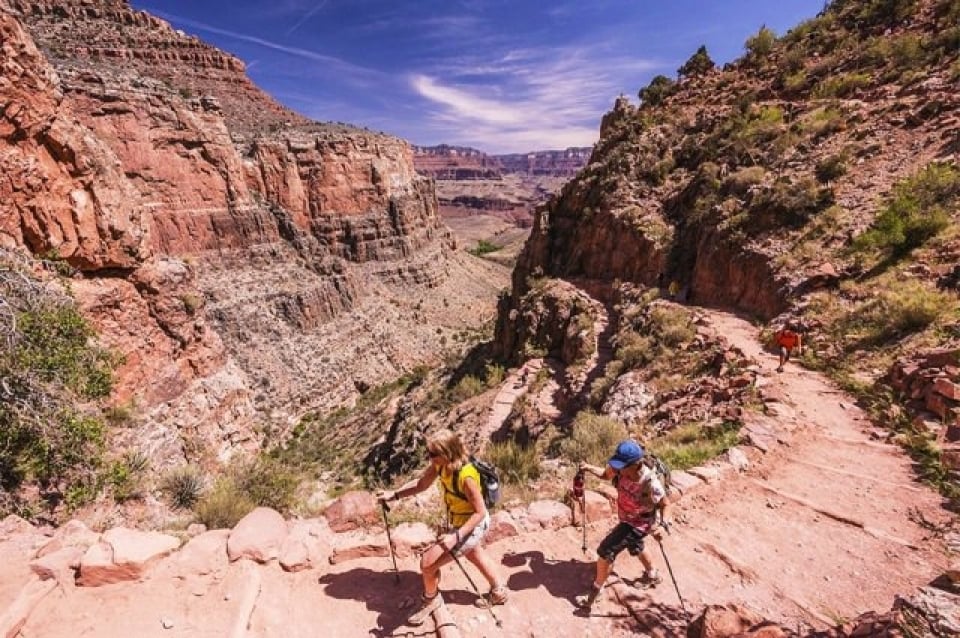
Watch your step on rocky and uneven paths. Loose stones and steep drops are common. Wear sturdy shoes with good grip. Use walking sticks for balance on tricky parts. Stay on marked trails to avoid getting lost or injured.
Emergency Procedures
Carry a map and a whistle for help signals. Know the nearest ranger station locations. In case of injury, stay calm and call for help. Keep a basic first aid kit with you. Share your hiking plan with someone before starting out.
Credit: www.nationalparks.org
Camping Options
Camping at the Grand Canyon offers a unique way to experience its beauty. The park has different camping options. Each suits a different type of hiker and adventurer. Whether you want to camp close to the rim or deep inside the canyon, there is a spot for you.
Backcountry Sites
Backcountry camping means staying away from crowded areas. You camp deep inside the canyon. These sites are basic with no facilities. You must carry all your gear and water. A permit is required to camp here. It allows you to enjoy solitude and nature fully.
Developed Campgrounds
Developed campgrounds have more facilities. These include toilets, water, and picnic tables. They are near the rim or easy trails. Popular campgrounds are Mather Campground and Desert View. These spots fill up quickly during busy seasons.
Reservations And Fees
Reservations are needed for many campgrounds. The park uses an online system for bookings. Fees vary depending on the site and season. Backcountry permits have a small cost. Planning ahead is important to secure your spot.
Seasonal Insights
The Grand Canyon offers a unique hiking experience throughout the year. Each season brings different weather, challenges, and crowd sizes. Knowing these seasonal insights helps you plan a safer and more enjoyable hike.
Understanding the best time to hike, seasonal challenges, and crowd patterns can make a big difference. It helps you pick the right gear and avoid risks.
Best Time To Hike
Spring and fall are the most popular seasons for hiking the Grand Canyon. The weather is mild, and the temperatures are comfortable. Summer can be very hot, especially at the bottom of the canyon. Winter brings cold temperatures and possible snow at the rim. Early mornings and late afternoons offer cooler temperatures and better views.
Seasonal Challenges
Summer heat can cause dehydration and heat exhaustion. Carry plenty of water and wear sun protection. Winter trails may be icy or snowy, making hiking slippery and dangerous. Spring and fall can bring sudden storms and strong winds. Proper clothing and checking weather forecasts is important before starting your hike.
Crowd Patterns
Spring and fall attract the most visitors due to pleasant weather. Trails and campsites can be busy during these months. Summer sees fewer hikers at the rim but more at the bottom. Winter is the least crowded season, offering solitude but harsher conditions. Early weekdays are less crowded than weekends year-round.
Local Culture And History
The Grand Canyon is not just a natural wonder. It holds deep stories of people and time. Hiking here means walking through history and culture. You will see signs of ancient life and natural changes. These stories add meaning to every step you take on the trails.
Understanding the local culture and history makes your hike richer. It connects you to the land and the people who lived here long ago. This part of your journey shows the Grand Canyon as more than just rocks and paths.
Native American Heritage
The Grand Canyon is sacred to several Native American tribes. The Havasupai, Hopi, Navajo, and others have lived here for centuries. Their stories and traditions are part of the land. You may see ancient dwellings, pottery, and rock art. These sites show how they survived and respected the canyon.
Many tribes still visit the canyon for ceremonies and prayers. They believe the canyon is a living spirit. Learning about their heritage gives a deeper respect for the area.
Geological Highlights
The rocks of the Grand Canyon tell a story of millions of years. Layers of stone show different times in Earth’s history. You can spot red sandstone, limestone, and shale on your hike. Each layer holds clues about ancient seas, deserts, and forests.
The canyon’s shape was carved by the Colorado River. Its power cut deep through the rock. This process created the steep walls and vast views you see today. The geology explains why the canyon looks so grand and unique.
Historic Landmarks
Several historic sites mark the Grand Canyon’s human past. Old mining cabins and railroads remind of early settlers. The Grand Canyon Village has buildings from the early 1900s. These show how tourism and conservation began here.
Look for the Kolb Studio and the Bright Angel Trail. Both have stories of explorers and pioneers. These landmarks add another layer to your hiking experience.
Credit: www.allroadsnorth.com
Frequently Asked Questions
Can You Hike The Grand Canyon In One Day?
Yes, hiking the Grand Canyon in one day is possible on certain trails. The Rim-to-Rim hike is challenging but doable for experienced hikers. Most people choose shorter trails for day hikes to enjoy stunning views without overexertion.
What Is The Best Season To Hike The Grand Canyon?
Spring and fall are the best seasons for hiking the Grand Canyon. Temperatures are moderate, avoiding extreme heat or cold. These seasons offer pleasant weather and fewer crowds, enhancing your hiking experience.
Do You Need A Permit To Hike The Grand Canyon?
Permits are required for overnight backcountry hikes in the Grand Canyon. Day hikes typically don’t need permits but check specific trail regulations. Always secure permits well in advance to ensure access.
How Long Does It Take To Hike The Grand Canyon?
Hiking time varies by trail and pace. Rim-to-Rim hikes usually take 2 to 4 days. Shorter day hikes can last a few hours to a full day, depending on the route.
Conclusion
Hiking the Grand Canyon offers an unforgettable adventure for many. Trails vary from easy walks to tough climbs. Prepare well with water, food, and proper gear. Take your time and enjoy the stunning views. Safety matters most; know your limits and rest often.
Many hikers find the experience both challenging and rewarding. The Grand Canyon’s beauty makes every step worthwhile. Ready to explore? The canyon awaits your journey.
