
Have you ever wondered what the real difference is between hiking and trekking? You might think they are the same, but each offers a unique experience that can change how you connect with nature and challenge yourself.
Understanding what hiking and trekking truly mean can help you choose the perfect adventure that matches your fitness, goals, and spirit. Keep reading, and you’ll discover the key details that make these outdoor activities exciting and rewarding for you.
Credit: www.youtube.com
Hiking Basics
Hiking is a popular outdoor activity that involves walking on trails or paths in nature. It is a great way to enjoy fresh air, exercise, and beautiful scenery. Hiking can be easy or challenging depending on the trail and your fitness level. Understanding the basics helps you prepare and enjoy your hike safely.
Knowing what to expect and what to bring makes hiking more fun. It also helps prevent problems like getting lost or tired. Let’s explore some key points about hiking to get you ready for your next adventure.
Key Characteristics
Hiking usually takes place on marked trails. These paths guide you through forests, hills, or mountains. It can last from a few minutes to several hours. Most hikes are done in a day without camping. The pace is steady but relaxed to enjoy the surroundings. Safety and respect for nature are very important.
Popular Trails
Some trails are famous worldwide for their beauty and challenge. The Appalachian Trail in the USA stretches over 2,000 miles. The Inca Trail in Peru leads to Machu Picchu. In Europe, the Camino de Santiago attracts many hikers. Many local parks and forests also offer great hikes close to home. Choose a trail that fits your skill and interest.
Essential Gear
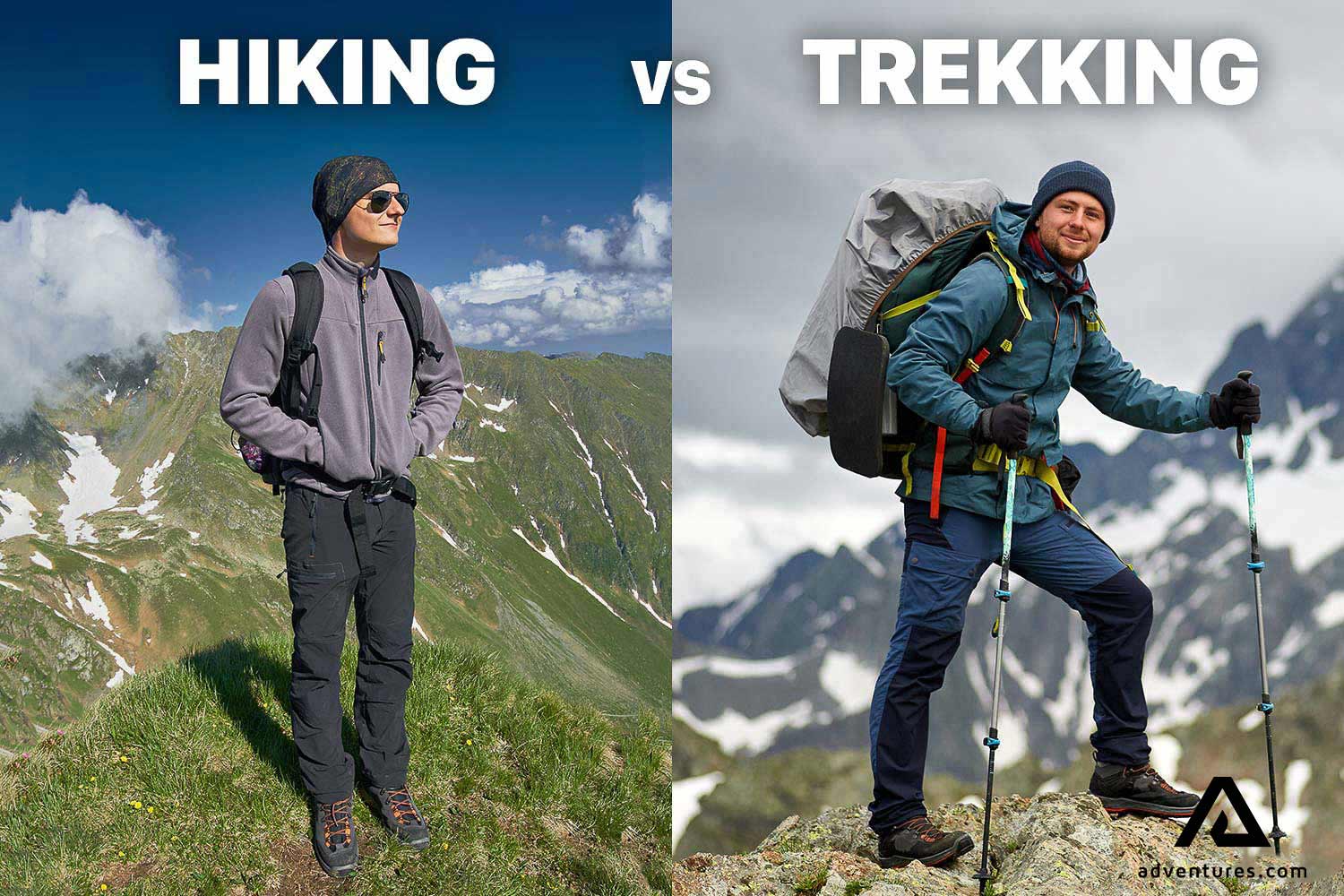
Good shoes are the most important gear for hiking. They protect your feet and provide support on rough paths. Carry a backpack with water, snacks, and a map. Dress in layers to adjust to weather changes. A hat and sunscreen help protect from sunburn. A small first-aid kit can be useful for minor injuries.
Credit: adventures.com
Trekking Essentials
Trekking is a type of walking that takes you through nature. It is more challenging than regular hiking. You travel for many days on rough paths. You need some basics to make your trek safe and fun.
Knowing what to bring and where to go helps you enjoy trekking more. This section explains the main parts of trekking essentials.
Defining Features
Trekking involves long journeys on natural trails. These trails often go through mountains, forests, or hills. It is different from hiking because it lasts several days. You carry your gear and sometimes camp outdoors. The pace is slower to enjoy the scenery and stay safe.
Famous Routes
Many places worldwide offer popular trekking paths. The Inca Trail in Peru is a top choice. The Everest Base Camp trek in Nepal attracts many adventurers. The Appalachian Trail in the USA is famous too. These routes have different difficulty levels and stunning views.
Required Equipment
Good shoes that protect your feet are a must. Bring a backpack with enough space for clothes and food. A map or GPS device helps you find your way. Carry water bottles and a first aid kit. Dress in layers to stay warm or cool. A tent and sleeping bag are needed for overnight stays.
Differences Between Hiking And Trekking
Hiking and trekking are popular outdoor activities. Both involve walking in nature but differ in many ways. Understanding their differences helps you choose the right activity. This section explains the key differences between hiking and trekking.
Duration And Distance
Hiking usually lasts a few hours or a day. Trails are shorter and easier to complete in one go. Trekking takes longer, often several days or weeks. Trekkers cover longer distances and stay overnight outdoors.
Terrain Challenges
Hiking trails are well-marked and maintained. Paths are mostly smooth with gentle slopes. Trekking routes are rougher and less marked. Trekkers face steep climbs, rocky paths, and varying weather.
Physical Demands
Hiking requires moderate fitness and energy. It suits most beginners and casual walkers. Trekking demands higher fitness and endurance. Trekkers carry heavy backpacks and face tougher conditions.

Credit: www.callingforthewild.com
Benefits Of Hiking And Trekking
Hiking and trekking offer many benefits beyond just walking outdoors. These activities improve body strength and help clear the mind. Spending time in nature also builds strong social bonds. Exploring trails brings both fun and health advantages. Below are key benefits of hiking and trekking.
Physical Health
Hiking and trekking strengthen muscles and bones. They improve heart health and boost stamina. Walking on uneven paths helps balance and coordination. These activities burn calories and support weight control. Fresh air and sunlight increase vitamin D levels.
Mental Well-being
Nature reduces stress and lifts mood quickly. Hiking clears the mind and improves focus. Trekking helps fight anxiety and depression symptoms. Quiet time outdoors promotes calm and relaxation. Being away from screens refreshes the brain.
Social Connections
Hiking with friends creates strong bonds. Group treks encourage teamwork and trust. Sharing nature experiences builds lasting memories. Meeting new people on trails expands social circles. Outdoor activities bring people closer together.
Preparation Tips
Preparation is key for a safe and enjoyable hiking or trekking trip. It helps you avoid problems and enjoy nature fully. Proper preparation makes your journey easier and more fun. Below are essential tips to get ready for your adventure.
Fitness Training
Start with light exercises like walking or jogging. Build strength in your legs and core. Practice carrying a backpack to get used to the weight. Train for at least a few weeks before your trip. This reduces tiredness and muscle pain during hiking or trekking.
Packing Essentials
Pack light but smart. Bring comfortable shoes made for rough paths. Carry enough water to stay hydrated. Include snacks for energy, like nuts or dried fruit. Don’t forget a map and a compass or GPS device. Dress in layers to handle changing weather.
Safety Measures
Tell someone your plan and expected return time. Carry a first aid kit for small injuries. Learn basic first aid skills. Check weather forecasts before starting your trip. Avoid risky paths and stay on marked trails for safety.
Popular Destinations Worldwide
Hiking and trekking offer exciting ways to explore nature. Many places around the world attract hikers and trekkers every year. These popular destinations feature beautiful landscapes and unique experiences. People choose spots that match their skill levels and interests. From mountains to forests, each location tells a special story.
Some destinations are famous for their well-marked paths and stunning views. Others challenge adventurers with tough terrains and long routes. Both hiking and trekking let you connect with nature and enjoy fresh air. Exploring these places can refresh your mind and body.
Top Hiking Spots
The Appalachian Trail in the USA is a favorite among hikers. It stretches over 2,000 miles through forests and mountains. The Inca Trail in Peru leads to the ancient city of Machu Picchu. It offers a mix of history and nature on a scenic route. Japan’s Kumano Kodo trails provide peaceful walks through temples and forests. New Zealand’s Tongariro Alpine Crossing features volcanic landscapes and clear lakes. Each hiking spot offers unique views and memorable adventures.
Famous Trekking Trails
The Everest Base Camp trek in Nepal is world-renowned. It offers close views of the tallest mountain on Earth. The Tour du Mont Blanc crosses France, Italy, and Switzerland. It shows stunning alpine scenery and charming villages. The Camino de Santiago in Spain is a historic pilgrimage route. It attracts trekkers seeking culture and spirituality. The Drakensberg Mountains in South Africa offer rugged trails and dramatic cliffs. These trekking trails test endurance and reward with breathtaking sights.
Frequently Asked Questions
What Is The Main Difference Between Hiking And Trekking?
Hiking is a short, easy walk on well-marked trails. Trekking involves longer, more challenging journeys in remote areas. Hiking is often a day activity, while trekking can last several days or weeks. Both offer great outdoor experiences but differ in intensity and duration.
Is Trekking Harder Than Hiking?
Yes, trekking is generally harder than hiking. It involves rougher terrain, higher altitudes, and longer distances. Hiking is usually easier with well-maintained paths and less physical demand. Trekking requires better fitness and preparation due to its challenging nature and unpredictable weather conditions.
Can Beginners Do Both Hiking And Trekking?
Beginners can start with hiking as it is less demanding. Trekking requires more experience, fitness, and proper gear. Starting with easy hikes builds stamina and confidence. Gradually, beginners can progress to short treks before attempting longer, difficult routes.
What Gear Is Essential For Hiking And Trekking?
For hiking, basic gear includes comfortable shoes, a backpack, water, and snacks. Trekking needs more specialized equipment like sturdy boots, trekking poles, weatherproof clothing, and camping gear. Proper gear ensures safety, comfort, and enjoyment during both activities.
Conclusion
Hiking and trekking both offer great ways to explore nature and stay active. Hiking usually means shorter, easier walks on marked trails. Trekking involves longer, harder journeys through wild places. Both help you enjoy fresh air and beautiful views. They also boost your health and clear your mind.
Choosing between them depends on your time and energy. Either way, walking outdoors brings peace and adventure. Try both to see which fits you best. Nature awaits, ready to welcome every step you take.
