
Are you curious about the difference between hiking and climbing? You might think they’re quite similar since both involve being outdoors and moving over rocks and trails.
But there’s more to it than just walking or scrambling up a mountain. Knowing the key differences can help you choose the right activity for your next adventure and keep you safe while having fun. Keep reading to discover what sets hiking and climbing apart—and find out which one fits your style best!
Hiking Basics
Hiking is a popular outdoor activity that many people enjoy. It involves walking on trails or paths in nature. Hiking helps improve fitness and lets you explore beautiful places. Understanding the basics of hiking can make your experience safe and fun.
Typical Terrain
Hiking trails vary from flat paths to steep hills. Most trails go through forests, mountains, or parks. The ground is usually dirt, rocks, or grass. Trails may have roots, stones, or small streams. The terrain is easier to navigate than climbing surfaces.
Equipment Needed
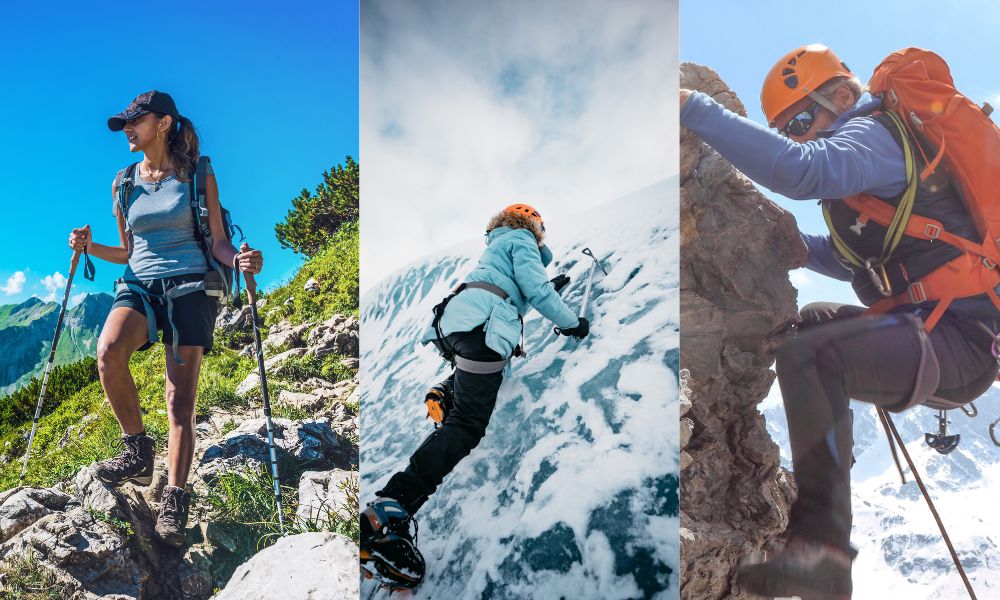
Hiking gear is simple and light. Good shoes or boots with grip are important. A backpack with water, snacks, and a map helps. Weather clothes like jackets and hats protect you. Trekking poles can support balance on rough ground.
Skill Levels
Hiking suits all skill levels. Beginners can start with easy, short trails. More experienced hikers try long or steep routes. Basic navigation and fitness help enjoy hiking safely. No special training is needed for most hikes.
Climbing Essentials
Climbing demands careful preparation and the right tools. It is a physical activity that needs specific skills and equipment. Understanding the essentials helps beginners stay safe and enjoy the experience. This section covers important aspects of climbing essentials to know before starting.
Types Of Climbing
Climbing has many styles. Rock climbing is the most common type. It can be done indoors or outdoors. Bouldering involves short climbs without ropes. Sport climbing uses fixed anchors for safety. Traditional climbing requires placing your own protection. Each type needs different skills and gear.
Specialized Gear
Climbing gear keeps you safe and comfortable. A climbing harness holds you during climbs. Climbing shoes provide grip and support. Helmets protect your head from falling debris. Ropes and carabiners help with safety and movement. Chalk bags keep your hands dry for better grip.
Physical Demands
Climbing requires strength and endurance. It works your arms, legs, and core muscles. Flexibility helps with reaching holds and balance. Mental focus is crucial to plan your moves. Climbing can be tiring, so good fitness improves performance. Practice builds strength and confidence over time.
Safety Considerations
Safety is very important in both hiking and climbing. Both activities have different dangers. Knowing these dangers helps you stay safe. You should always prepare well before starting either activity. Proper gear, knowledge, and caution reduce risks.
Common Risks In Hiking
Hiking risks include slipping on wet rocks and uneven paths. Getting lost is common without a map or GPS. Wildlife encounters can be dangerous if you are unprepared. Sudden weather changes can cause hypothermia or heat exhaustion. Dehydration is a big risk without enough water.
Hazards In Climbing
Climbing risks are more intense than hiking. Falling is the most serious danger. Loose rocks or equipment failure can cause accidents. Overexertion and muscle strain happen often. Weather changes can make climbing surfaces slippery or unsafe. Lack of proper training increases the chance of injury.
Preventive Measures
Always wear the right shoes and protective gear. Carry a map, compass, or GPS device. Inform someone about your route and expected return time. Check weather forecasts before heading out. Take enough food and water to stay energized. Learn basic first aid and emergency skills. Use ropes and safety equipment in climbing. Train your body and mind before challenging climbs.

Credit: www.broamer.com
Physical And Mental Benefits
Hiking and climbing offer strong physical and mental benefits. Both activities improve fitness and reduce stress. They help clear the mind and build focus. Each has unique challenges that shape the body and mind in different ways.
Health Gains From Hiking
Hiking strengthens the heart and lungs. It improves balance and muscle tone. Walking on trails burns calories and builds endurance. Fresh air and nature reduce anxiety and boost mood. Hiking lowers blood pressure and improves sleep quality. It also helps the brain by increasing oxygen flow. Time spent outdoors can improve overall happiness.
Challenges And Rewards Of Climbing
Climbing builds strong muscles, especially in arms and core. It requires problem-solving to find the best path up. Mental focus and quick thinking improve with practice. Overcoming fear builds confidence and mental toughness. Climbing also improves coordination and flexibility. The sense of achievement after reaching the top is powerful. It pushes both body and mind beyond limits.
Choosing Between Hiking And Climbing
Choosing between hiking and climbing depends on what you want from your outdoor adventure. Both activities offer fresh air and exercise but differ in style and challenge. Understanding your preferences, fitness level, and where you want to go helps make the right choice.
Personal Preferences
Some enjoy walking on trails and soaking in nature’s calm. Hiking fits well for those who want a peaceful day outdoors. Others seek a thrill and love to test their strength. Climbing is perfect for people who enjoy physical challenges and heights.
Fitness Requirements
Hiking needs good stamina and basic fitness. It can be gentle or tough, depending on the trail. Climbing demands more strength, especially in your arms and legs. It also requires balance and focus to stay safe.
Time And Location Factors
Hiking can be done almost anywhere and often takes less time. Trails in parks or forests are easy to find. Climbing needs special spots with rocks or walls. It usually takes longer and may require planning for gear and safety.
Credit: kahluradventures.com

Credit: www.broamer.com
Frequently Asked Questions
What Is The Main Difference Between Hiking And Climbing?
Hiking involves walking on trails or paths, usually on moderate terrain. Climbing requires scaling steep rocks or walls using hands and specialized gear. Hiking is less technical, while climbing demands more skill and equipment for safety.
Is Climbing More Dangerous Than Hiking?
Yes, climbing is generally riskier due to heights and technical challenges. It needs proper training and safety gear. Hiking poses fewer risks but still requires caution, especially on difficult trails or in bad weather conditions.
What Equipment Is Needed For Hiking Versus Climbing?
Hiking gear includes sturdy shoes, comfortable clothes, and a backpack. Climbing gear involves ropes, harnesses, helmets, and climbing shoes. Climbing equipment ensures safety on vertical surfaces, while hiking gear focuses on comfort and endurance.
Can Beginners Start With Climbing Or Hiking More Easily?
Beginners usually start with hiking as it requires less skill and equipment. Climbing demands training, strength, and safety knowledge. Starting with hiking builds endurance and confidence before progressing to climbing activities.
Conclusion
Hiking and climbing both bring joy outdoors but differ clearly. Hiking means walking on trails, usually easy or medium paths. Climbing involves hands, ropes, and steep rocks or walls. Both need good fitness and careful planning. Choose hiking for calm nature walks and fresh air.
Pick climbing to challenge strength and skill. Enjoy the outdoors in your own way. Try both to see which you like best. Nature welcomes everyone, whether on foot or with ropes.
