
Are you planning a trip but feeling confused about which visa to apply for? Understanding the difference between a tourist visa and a business visa is key to avoiding delays and extra costs.
Whether you want to explore new places or attend important meetings abroad, choosing the right visa makes all the difference. You’ll discover exactly what sets these two visas apart and how to pick the one that fits your travel purpose perfectly.
Keep reading to make your next trip smooth and hassle-free!
Tourist Visa Basics
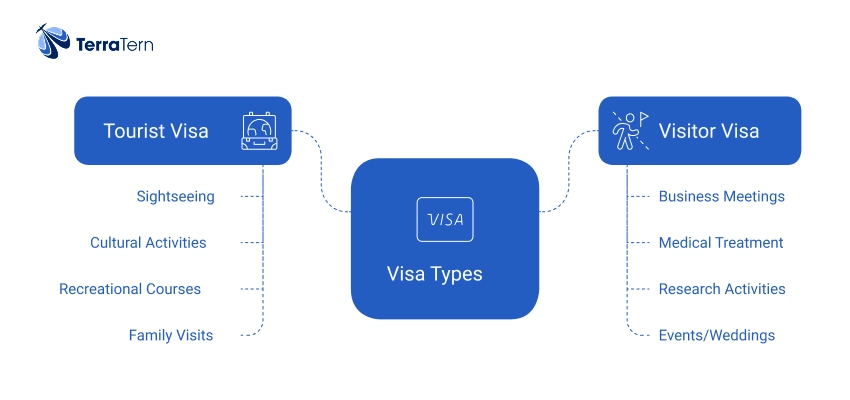
A tourist visa allows people to visit a country for leisure and sightseeing. It is for travelers who want to explore new places, meet friends or family, or enjoy a vacation. This visa helps control how long visitors stay and what they can do during their trip.
Tourist visas are different from business visas. They focus only on travel and enjoyment, not work or business activities. Understanding the basics of a tourist visa helps travelers plan their trips better.
Purpose And Usage
A tourist visa is for visiting a country as a guest. People use it to see famous sites, relax, and experience culture. It does not allow working or running a business. The main goal is leisure and tourism only.
Typical Duration
Tourist visas usually allow stays from a few days to six months. Most countries give between 30 and 90 days per visit. Some visas allow multiple visits within a year. The exact length depends on the country’s rules.
Common Restrictions
Tourist visas often do not let travelers work or study. Visitors cannot earn money or join local jobs. They must not stay longer than allowed. Overstaying can cause fines or future visa problems.
Business Visa Essentials
A business visa allows travelers to enter a country for work-related reasons. It is different from a tourist visa, which is for leisure and sightseeing. Understanding the essentials of a business visa helps in preparing the right documents. It also ensures the traveler follows the rules set by the host country.
Primary Intent
The main purpose of a business visa is to conduct business activities. This includes meetings, negotiations, and attending conferences. It does not allow the visa holder to work for a local company. The focus is on short-term business tasks only.
Validity Period
Business visas usually have a shorter validity than work visas. They can last from a few days to several months. The exact period depends on the country and the nature of the business trip. Travelers must leave before the visa expires to avoid penalties.
Allowed Activities
Allowed activities include attending meetings, signing contracts, and exploring partnerships. Business visas do not permit employment or running a business locally. Engaging only in approved activities keeps the visa holder compliant with laws. Always check the specific rules of the destination country.
Application Process Comparison
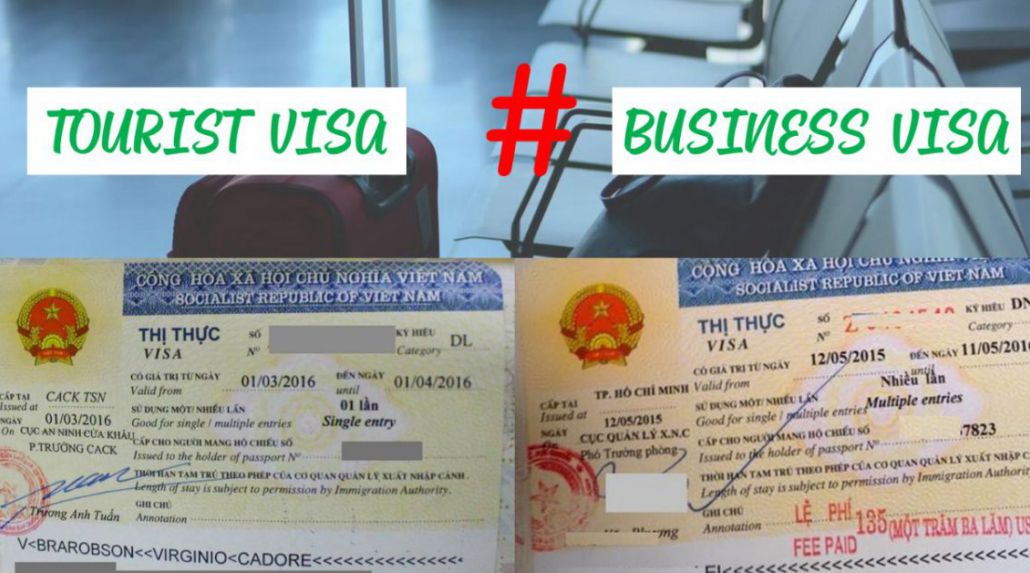
The application process for tourist and business visas differs in several ways. Each visa type requires specific documents and follows unique steps. Understanding these differences helps applicants prepare better and avoid delays.
Required Documents
Tourist visa applications need a valid passport, photos, travel itinerary, and proof of funds. Business visa applicants must also submit an invitation letter from the company they will visit. Sometimes, a business registration or contract is necessary. These extra documents prove the purpose of the trip.
Processing Time
Tourist visas usually take less time to process. The average wait is about one to two weeks. Business visas can take longer because of additional checks. Processing might extend to three or four weeks depending on the country and workload.
Approval Criteria
Tourist visa approval focuses on travel plans and financial stability. Officials want to ensure the applicant will return home after the visit. Business visa approval looks at the legitimacy of the business purpose. Authorities check if the applicant has a genuine meeting or project to attend.
Credit: www.uniglobemkov.com
Cost Differences
Cost differences between tourist visas and business visas can vary widely. These differences depend on the country issuing the visa and the purpose of the visit. Understanding these costs helps travelers budget better for their trips. Some countries charge more for business visas due to extra processing or documentation.
Tourist visas usually cost less because they are simpler to process. Business visas often require more paperwork, such as invitation letters or proof of business activities. This complexity can increase the visa fee. Budget travelers often prefer tourist visas for shorter, leisure trips.
Tourist Visa Fees
Tourist visa fees are generally lower than business visa fees. Many countries set a fixed price for short-term tourist visas. These fees cover basic processing and security checks. Some countries offer multiple-entry tourist visas at a slightly higher price.
Business Visa Fees
Business visa fees are often higher due to additional checks. These visas need confirmation of the business purpose and sometimes sponsorship. Extra documents can lead to longer processing times and higher costs. Business travelers should prepare for these fees to avoid surprises.
Additional Costs To Consider
Both visa types may have extra costs like service charges or courier fees. Some countries charge for biometric data collection. Travel insurance may be required for business visas. Applicants should check all possible fees before applying to avoid delays.
Entry And Stay Conditions
Entry and stay conditions vary between tourist and business visas. These rules set how long travelers can stay and how many times they can enter a country. Understanding these details helps avoid visa issues during travel.
Multiple Entry Options
Tourist visas often allow single or multiple entries. Single entry means one visit only. You must leave before returning again.
Business visas usually offer more flexibility. Multiple entries are common to support frequent trips. This suits professionals attending meetings or conferences.
Multiple entry visas reduce the need for repeated applications. Travelers save time and money. They can move freely without extra paperwork.
Extension Possibilities
Tourist visas have limited extension options. Most countries allow short extensions for emergencies. Extensions are not guaranteed and need approval.
Business visas often provide longer or easier extensions. This supports ongoing projects or contracts. Extensions depend on the visa type and local laws.
Both visa holders should apply before their visa expires. Overstaying may cause fines or bans. Knowing extension rules helps plan stays safely.
Common Misconceptions
Many people confuse tourist visas with business visas. This causes mistakes in travel planning. Understanding common myths helps avoid problems at borders. Below are some common misconceptions about these visas.
Misconception: Tourist Visa Allows Business Activities
Some think tourist visas let you work or attend meetings. Tourist visas only allow sightseeing and visiting friends or family. Business activities need a business visa. Using a tourist visa for work can lead to visa denial.
Misconception: Business Visa Is Only For Long Trips
People believe business visas are for long stays only. Business visas can be for short or long visits. The main purpose is to attend meetings, conferences, or negotiations. Length depends on the country and specific visa rules.
Misconception: Both Visas Have The Same Application Process
Many assume the application steps are the same. Tourist visas usually need proof of travel plans and funds. Business visas often require an invitation from a company or host. Documents and fees differ based on visa type.
Misconception: Tourist Visa Holders Can Change To Business Visa Easily
Some believe changing visa type is simple after arrival. Changing from tourist to business visa is often difficult. Many countries require applicants to apply before traveling. Planning ahead saves time and avoids legal issues.
Choosing The Right Visa
Choosing the right visa is important for a smooth travel experience. Picking the correct visa type helps avoid legal troubles. It also matches your travel needs well. Understanding the differences guides you to the right choice.
Purpose Alignment
A tourist visa is for visiting places and enjoying leisure time. It does not allow work or business meetings. A business visa is for attending meetings, conferences, or making deals. It suits those who have work-related plans abroad. Align your visa with your trip’s main reason.
Legal Implications
Using the wrong visa can cause serious legal issues. Authorities may deny entry or cancel your visa. You might face fines or bans from future travel. Always declare your visit purpose clearly. Follow visa rules to stay safe and legal.
Credit: terratern.com

Credit: esseindia.com
Frequently Asked Questions
What Is A Tourist Visa Used For?
A tourist visa allows travel for leisure, sightseeing, or visiting friends and family. It prohibits work or business activities. This visa is typically short-term and focuses on personal enjoyment or vacation purposes.
How Does A Business Visa Differ From A Tourist Visa?
A business visa permits attending meetings, conferences, or business negotiations. It does not allow employment or long-term residency. Unlike tourist visas, it supports professional activities and networking during your stay.
Can I Work On A Tourist Visa?
No, working on a tourist visa is prohibited. Tourist visas are strictly for leisure and non-commercial activities. Engaging in employment may lead to visa cancellation or legal penalties.
How Long Can I Stay On Each Visa Type?
Tourist visas usually allow stays from 30 to 90 days. Business visas can permit similar or slightly longer durations depending on the country. Duration varies by visa policy and purpose of visit.
Conclusion
A tourist visa lets you visit places and enjoy your trip. A business visa allows work-related activities like meetings or conferences. Both visas have different rules and time limits. Choose the right visa to avoid problems at the border. Knowing the differences saves time and stress.
Always check the visa requirements before you travel. This helps make your trip smooth and safe. Understanding these basics helps you plan better. Safe travels, whether for fun or work!
