
Are you planning to visit another country but feel confused about which visa you need? Understanding the difference between a Tourist Visa and a Family Sponsored Visa can save you time, money, and stress.
Choosing the right visa affects how long you can stay, what you can do while there, and even your chances of returning in the future. You’ll discover clear, simple answers to help you make the best choice for your travel or family plans.
Keep reading to avoid common visa mistakes and get your trip or reunion off to the right start!
Tourist Visa Basics
A tourist visa lets people visit a country for a short time. It is for travel, fun, or seeing family. It does not allow work or study. Understanding the basics helps in choosing the right visa.
This section explains the main points about tourist visas. It covers purpose, time allowed, who can apply, and how to apply.
Purpose And Duration
A tourist visa is for visiting a country temporarily. It allows sightseeing, vacation, or meeting friends. The visa usually lasts from a few days to six months. The exact time depends on the country’s rules.
Eligibility Criteria
Anyone who plans a short visit can apply. Applicants must prove they will leave after the trip. Proof of funds and a return ticket may be needed. Some countries require a clean criminal record.
Application Process
Applicants fill out an online or paper form. They provide documents like passport and photos. Some countries ask for travel plans or hotel bookings. A fee is paid before submission. Processing time varies by country.

Credit: www.immi-usa.com
Family Sponsored Visa Essentials
The Family Sponsored Visa is a pathway for family members to live together in a new country. It supports family unity and long-term residence. This visa differs from a Tourist Visa, which is only for short visits.
Understanding the essentials of a Family Sponsored Visa helps clarify its purpose and process. It involves specific rules and steps to bring family members legally.
Purpose And Benefits
The main purpose is to unite family members in one country. It allows spouses, children, or parents to join their relatives. Benefits include the right to live, work, and study legally. It often leads to permanent residency or citizenship. This visa supports strong family ties and stability.
Eligibility Requirements
Eligibility depends on the relationship between the sponsor and the applicant. The sponsor must be a citizen or permanent resident. The applicant must prove the family link with documents. Some countries require financial proof to support the family member. Health and character checks are also common.
Sponsorship Process
The sponsor files an application with immigration authorities. The process includes submitting forms, proof of relationship, and fees. Authorities review the application and may request interviews or extra documents. Approval times vary by country and case. Once approved, the applicant can apply for the visa and travel.
Comparing Eligibility And Requirements
Understanding the differences in eligibility and requirements helps choose the right visa. Tourist visas and family-sponsored visas serve different purposes. Each has specific rules about who can apply and what documents are needed. Processing times also vary, affecting travel plans. This section breaks down these key points clearly.
Who Can Apply
A tourist visa is for people visiting a country for a short time. Visitors must prove they will leave after their trip. Family-sponsored visas are for close relatives of citizens or permanent residents. The sponsor must meet income and legal status rules. Only certain family members qualify, like spouses or children.
Documentation Needed
Tourist visa applicants must show proof of travel plans and funds. A return ticket and hotel bookings help. Family-sponsored visa applicants need proof of family relationship. The sponsor must provide financial documents and legal papers. Both visas require a valid passport and application forms.
Processing Times
Tourist visas usually have shorter processing times, often a few weeks. Family-sponsored visas take longer due to more checks. Processing can take several months or more. Times vary by country and case complexity. Early application is important to avoid delays.
Rights And Limitations
Understanding the rights and limitations of a tourist visa versus a family-sponsored visa is important. Each visa type offers different privileges and restrictions. These affect what you can do while in the country. Knowing these details helps plan your stay better.
Work And Study Permissions
A tourist visa does not allow work or study. Visitors must not take jobs or enroll in school. This visa is for short visits only, like sightseeing or meeting friends.
Family-sponsored visa holders often have permission to work. They can also attend school or college. This visa supports living and integrating into the community.
Duration Of Stay
Tourist visas usually allow stays from a few weeks to six months. The exact time depends on the country’s rules.
Family-sponsored visas often allow longer stays. Some offer permanent residence rights. This lets families live together without frequent renewals.
Renewal And Extensions
Tourist visas can be hard to renew. Extensions depend on strict rules and good reasons.
Family-sponsored visas typically allow easier renewals. Some may lead to permanent residency or citizenship over time.
Common Challenges And Solutions
Applying for a Tourist Visa or a Family Sponsored Visa often brings challenges. Many applicants face similar problems during the process. Knowing these common issues can help you prepare better. Solutions exist to handle these challenges and improve your chances.
Application Denials
Visa applications can be denied for many reasons. Missing documents or incorrect information are common causes. Sometimes, the officer doubts your intention to return home. Family Sponsored Visas may be denied if the sponsor does not meet requirements. Tourist Visas often get denied if you lack proof of financial support.
Double-check all documents before submission. Provide clear evidence of ties to your home country. Follow guidelines carefully to avoid mistakes. This reduces the chance of denial and saves time.
Delays And Appeals
Visa processing can take longer than expected. Delays happen due to extra document checks or background reviews. Waiting can cause stress and affect travel plans. If your visa is denied, you can appeal the decision. Appeals need strong reasons and new evidence.
Track your application status regularly. Prepare all documents early to avoid last-minute delays. Learn the appeal process to respond quickly if needed.
Legal Support Options
Legal help can guide you through complex visa rules. Immigration lawyers know what documents and proofs work best. They can spot errors and fix them before submission. Legal advice is useful after denial or for complicated cases. Costs vary, but the help can increase your success chances.
Consult a qualified immigration expert to understand your options. This support often makes the application process smoother and less stressful.
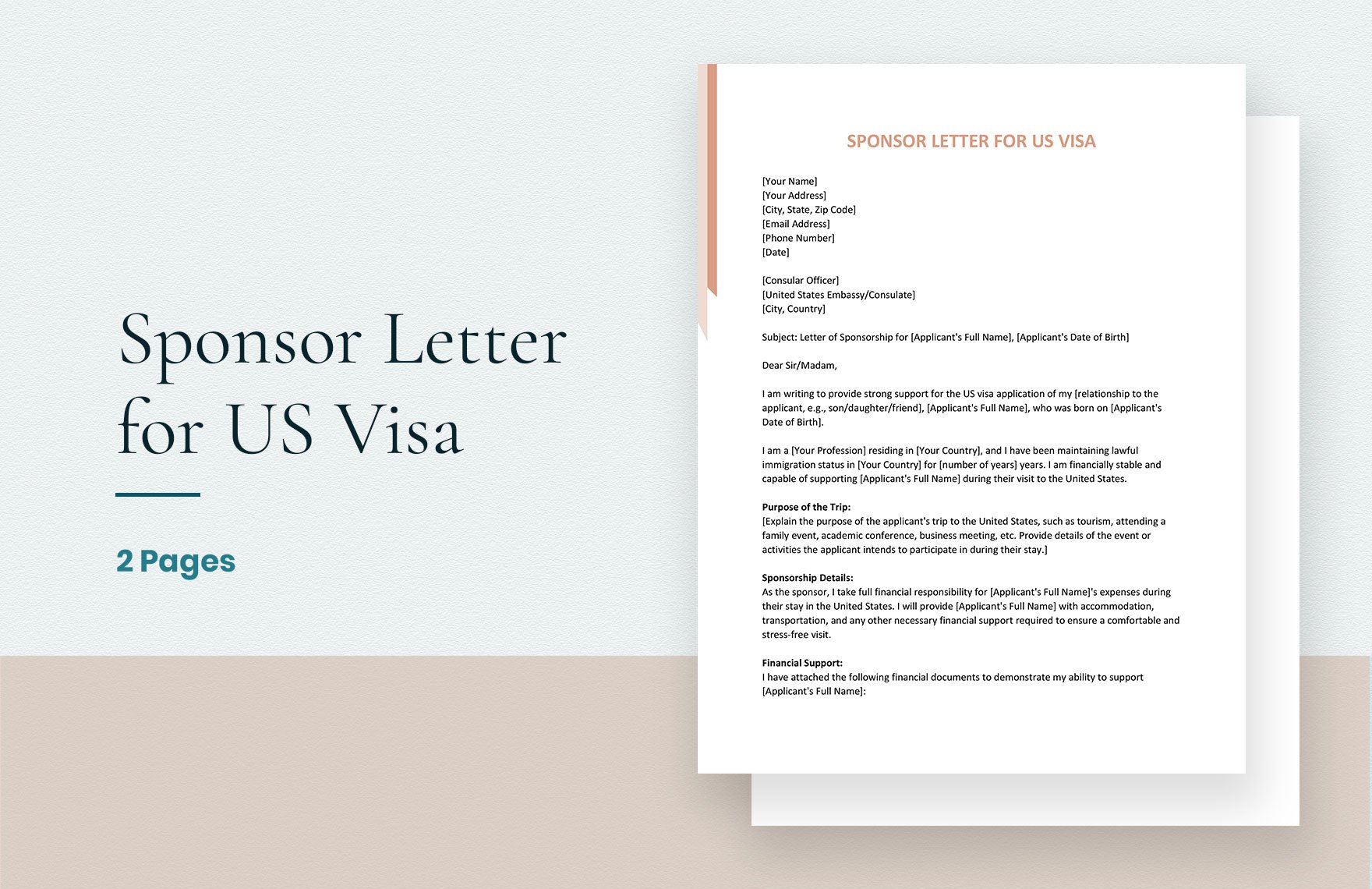
Credit: www.template.net
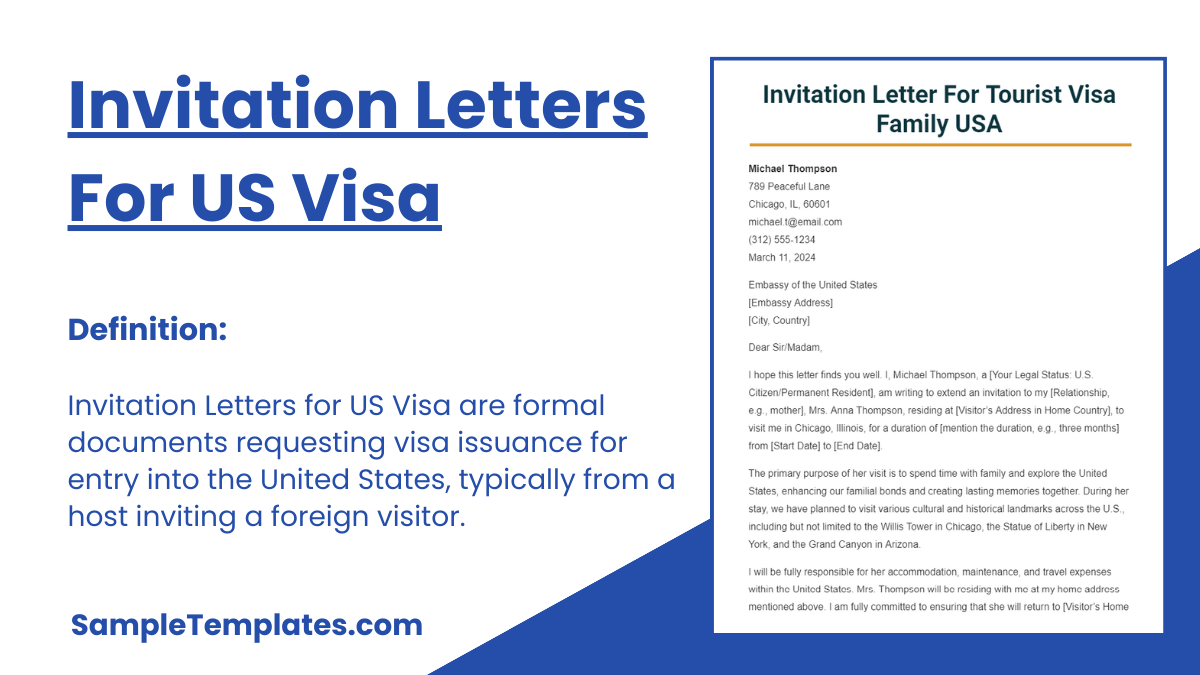
Credit: www.sampletemplates.com
Frequently Asked Questions
What Is A Tourist Visa?
A tourist visa allows short-term visits for leisure or sightseeing. It is usually valid for a few months and does not permit work or long stays.
How Does A Family Sponsored Visa Work?
A family sponsored visa lets relatives of citizens or residents apply to live together. It requires sponsorship and proof of relationship, often with longer processing times.
Can You Work On A Tourist Visa?
No, working on a tourist visa is prohibited. It is strictly for tourism and short visits, and violating this can lead to visa cancellation.
What Are The Main Differences In Eligibility?
Tourist visas have minimal eligibility focused on travel intent. Family sponsored visas require proof of family ties and financial sponsorship by a resident or citizen.
Conclusion
Tourist visas allow short visits for travel and sightseeing. Family-sponsored visas help relatives live or stay longer. Each visa serves a different purpose and has unique rules. Choosing the right visa depends on your plans and needs. Understanding these differences makes the application easier.
Always check official sources before applying. This way, you avoid mistakes and delays. Clear knowledge leads to smoother travel or stay. Remember, proper visa choice saves time and stress.
