
Nestled along the banks of the Ohio River in Indiana, George Rogers Clark National Historical Park stands as a tribute to one of America’s early frontier heroes. This park isn’t just a memorial—it’s a vibrant destination where history, nature, and local culture come together. Many visitors are surprised by the variety of activities and attractions available. Whether you love history, enjoy scenic walks, or want family-friendly fun, this park offers something for everyone.
Exploring The George Rogers Clark Memorial
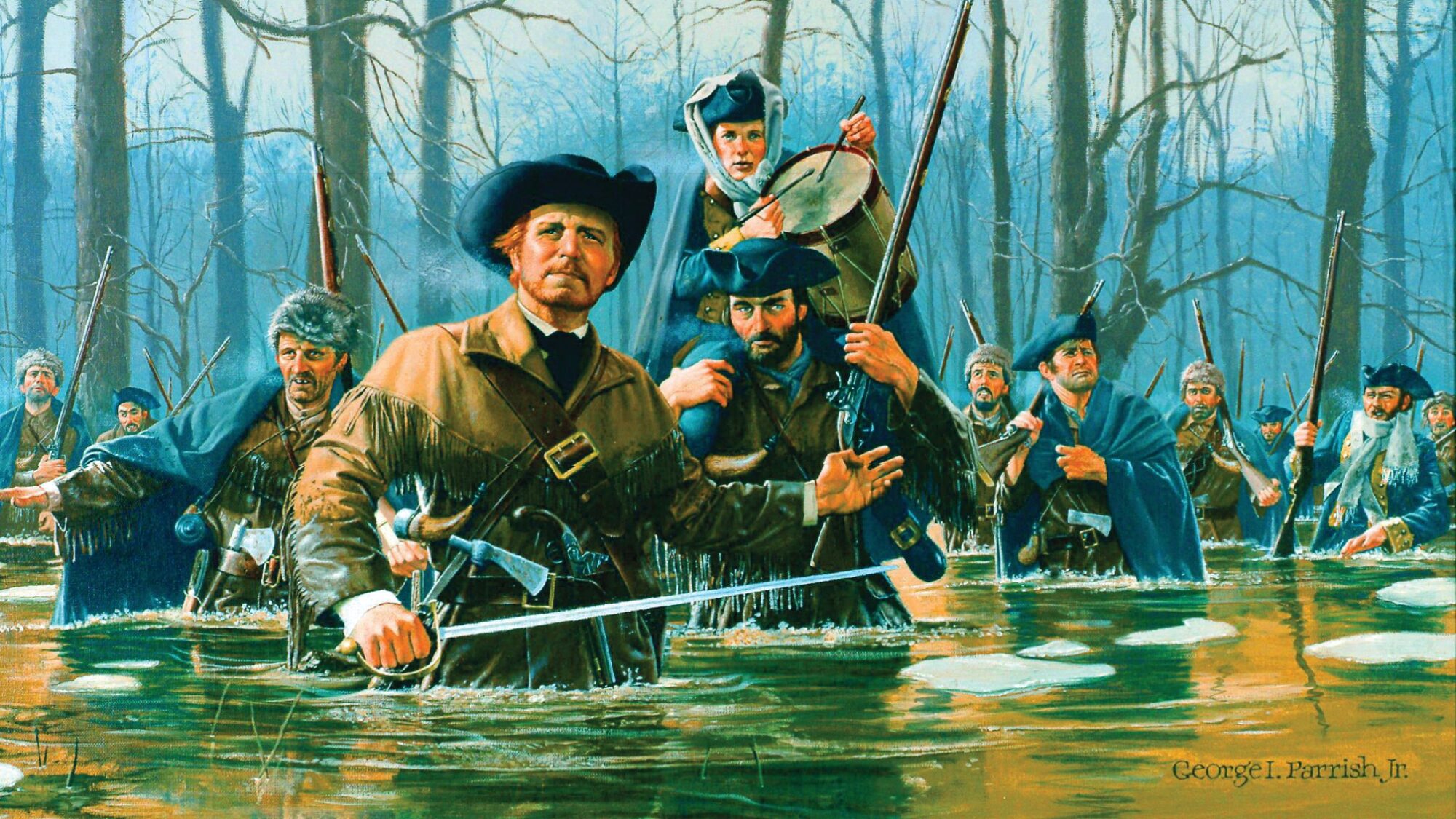
The heart of the park is the George Rogers Clark Memorial, a grand monument dedicated to Clark’s victory at the Battle of Vincennes in 1779. The memorial’s circular design and columns are impressive, drawing photographers and history buffs alike.
Inside, you’ll find:
- Murals depicting Clark’s campaign and the American Revolution
- A large bronze statue of George Rogers Clark
- Educational plaques explaining the historical significance
Guided tours are available for visitors who want deeper insights. These tours often share lesser-known stories about Clark’s life and the role Vincennes played in American history.
Walking Trails And River Views
The park features several walking paths that wind through green spaces and along the river. These are perfect for a relaxing stroll or a brisk walk.
| Trail Name | Distance | Highlights |
|---|---|---|
| Riverside Path | 0.5 miles | Ohio River views, benches |
| Heritage Loop | 1 mile | Historic markers, gardens |
| Memorial Circle | 0.25 miles | Monument, flower beds |
Many visitors don’t realize that the riverside paths offer quiet spots for bird watching. Bring binoculars—locals often spot eagles and herons in the area.
Credit: locustgrove.org
Visitor Center And Museum
The Visitor Center is a must-see for first-timers. Staff here offer maps, brochures, and helpful advice. The museum inside the center presents artifacts from the 1700s, uniforms, and weapons used during the American Revolution.
There’s a small theater showing a short film about George Rogers Clark and the battle that made him famous. This film is easy to understand and helps younger visitors connect with the park’s history.
Family-friendly Activities
Families find plenty to do at George Rogers Clark National Historical Park. The open lawns and shaded picnic areas make it easy to relax and play.
- Junior Ranger Program: Kids can pick up a booklet at the Visitor Center. By completing fun activities, they earn a badge and certificate.
- Picnic spots: Several tables are available. Many families bring lunch and enjoy the view.
- Seasonal events: In summer, the park hosts reenactments and educational workshops. These include colonial crafts, games, and storytelling.
Parents will appreciate the clean restrooms and easy access to parking. Also, the park is stroller-friendly, making it a good choice for families with young children.
Historic Sites Nearby
While the park itself is a highlight, nearby attractions add extra value to your visit. Within walking distance, you’ll find:
- Old Cathedral: One of Indiana’s oldest churches, with beautiful stained glass.
- Vincennes State Historic Site: Offers guided tours and exhibits about early Indiana history.
These sites are often overlooked by tourists, but they give a richer understanding of Vincennes’ role in American history.
| Attraction | Distance from Park | Special Feature |
|---|---|---|
| Old Cathedral | 0.3 miles | Historic architecture |
| Vincennes State Historic Site | 0.4 miles | Guided history tours |
| French Commons Park | 0.7 miles | Children’s playground |
Planning Your Visit
The park is open year-round, though hours may change in winter. Admission is free, but special events may require tickets. Most guests spend 1–2 hours exploring the memorial and walking trails, but history fans often stay longer.
Parking is available near the Visitor Center. If you’re visiting during a festival or reenactment, arrive early, as spaces fill quickly.
Best Times To Visit
- Spring: Flowers bloom, weather is mild
- Summer: Events and reenactments
- Autumn: Colorful leaves, fewer crowds
Avoid visiting during midday in summer, as it can get hot and crowded.
Practical Tips
- Bring water and sunscreen
- Wear comfortable shoes
- Check event schedules online
- Keep an eye out for local wildlife
Many visitors forget to check for seasonal events, missing out on unique experiences. Also, the riverside paths are cooler in the morning, making them ideal for a walk before noon.
Credit: locustgrove.org
Non-obvious Insights For Visitors
- The memorial’s acoustics make it a favorite spot for musicians. On weekends, you may catch local performers practicing inside.
- The park offers photography permits for special occasions, such as weddings or graduation photos. Ask at the Visitor Center for details.
These small perks often surprise first-time guests and can make your visit even more memorable.
Frequently Asked Questions
Is George Rogers Clark National Historical Park Open Every Day?
Yes, the park is open daily, but hours for the Visitor Center and museum may vary. Check the official website before your visit.
Can I Bring Pets Into The Park?
Pets are welcome in outdoor areas, but must be kept on a leash. They are not allowed inside the memorial or museum.
Are There Guided Tours Available?
Guided tours are offered, especially during weekends and special events. You can sign up at the Visitor Center.
What Should I Bring For My Visit?
Bring water, sunscreen, and comfortable shoes. If you plan to picnic, pack snacks or lunch. Binoculars are useful for bird watching.
Where Can I Find More Information About George Rogers Clark?
For detailed history and visitor details, see the official National Park Service page: National Park Service.
A trip to George Rogers Clark National Historical Park is more than a history lesson—it’s a chance to experience Indiana’s natural beauty, connect with local heritage, and enjoy activities for all ages. With easy access, friendly staff, and unique attractions, the park stands out as one of Indiana’s best tourist spots. Plan your visit and discover the stories waiting along the Ohio River.
Credit: warfarehistorynetwork.com
