
Nestled along the banks of the Cane River in northwestern Louisiana, Cane River Creole National Historical Park offers a window into the past. This unique park preserves the stories, landscapes, and architecture of Creole culture, reflecting centuries of history. Visitors come not only for its tranquil beauty but also to experience its diverse attractions, from historic plantations to nature trails. If you’re planning a trip, knowing what to do and see can make your visit truly memorable.
Exploring Cane River Creole National Historical Park
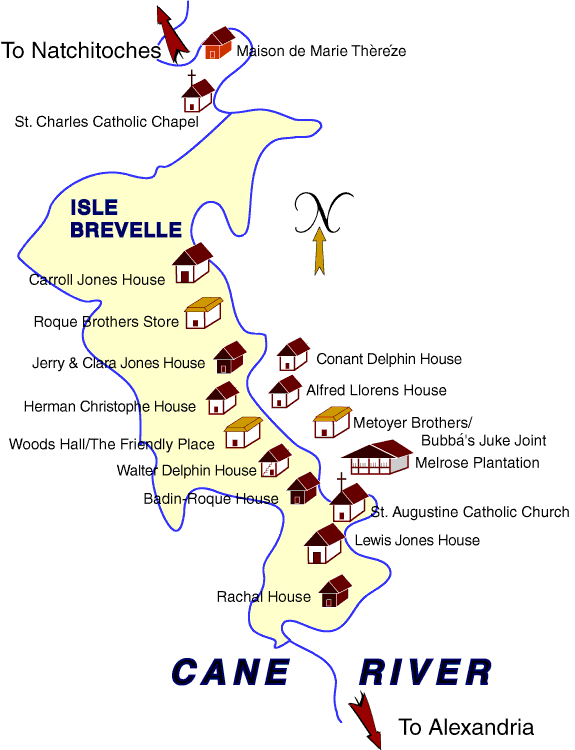
The park spans over 200 acres, split into two main sites: Oakland Plantation and Magnolia Plantation. Each site is a treasure trove of history and culture, offering different experiences for tourists.
| Site | Main Attractions | Visitor Facilities |
|---|---|---|
| Oakland Plantation | Historic house, gardens, original outbuildings | Visitor center, guided tours, picnic spots |
| Magnolia Plantation | Slave quarters, gin barn, blacksmith shop | Interpretive panels, walking trails |
Oakland Plantation
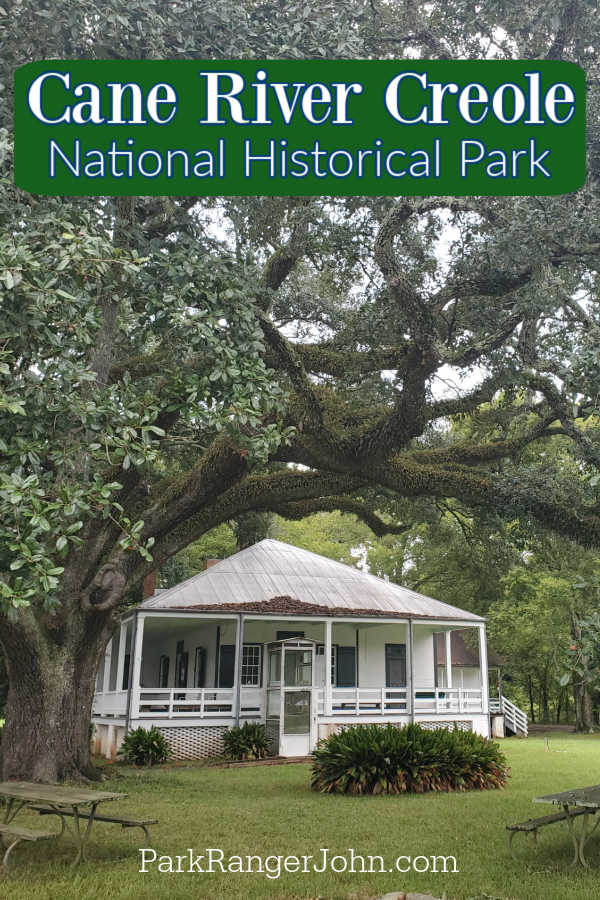
Oakland Plantation is one of the best-preserved Creole plantations in the United States. The main house, dating back to 1821, sits surrounded by flower gardens and historic outbuildings like the overseer’s house, pigeon house, and store. Guided tours help you understand how Creole families lived and worked here for generations. The plantation store, open since the 1860s, still displays original items and tells the story of rural life.
Magnolia Plantation
Magnolia Plantation highlights the African American experience. The slave quarters, gin barn, and blacksmith shop show daily life for enslaved people and share their stories through interpretive signs and exhibits. The gin barn is especially impressive, featuring original machinery and tools.
Top Things To Do In Cane River Creole National Historical Park
There’s more to Cane River Creole than historic buildings. The park offers a range of activities for all ages and interests. Here are the top things to do:
1. Take A Guided Tour
Park rangers lead free tours of both plantations, sharing facts about Creole culture, architecture, and farming. Tours last about 45–60 minutes and are available daily.
2. Explore The Grounds On Foot
Walking the grounds lets you discover hidden gems, like century-old trees and small gardens. Paths are easy to follow, and signs explain what you see.
3. Picnic By The River
The park has several shaded picnic areas. Bring lunch and enjoy the peaceful views of the Cane River.
4. Visit Historic Outbuildings
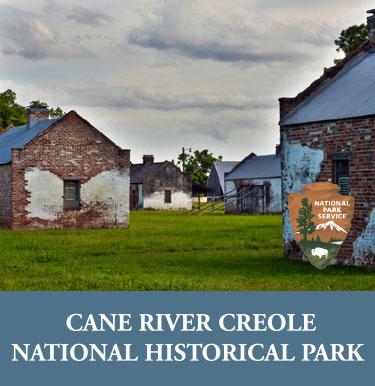
Many original outbuildings remain, such as the pigeon house, store, and slave cabins. Each tells a unique story, often overlooked by casual visitors.
5. Attend Special Events
The park hosts seasonal events like living history days, where actors dress in period costumes and demonstrate historic crafts. These events are popular with families and offer a hands-on experience.
6. Birdwatching And Nature Walks
The park’s rural setting attracts birds like cardinals, blue jays, and woodpeckers. Early morning is the best time for spotting wildlife.
7. Photography
The mix of historic architecture and natural scenery makes Cane River Creole a photographer’s dream. The best light is just after sunrise or before sunset.
Credit: www.nsula.edu
Unique Features And Hidden Gems
Many tourists miss the smaller details that make Cane River Creole special. For example, Oakland Plantation’s original cotton scale is still onsite, showing how cotton was weighed and traded. Magnolia’s gin barn has rare tools and machinery from the 1800s, giving insight into old farming methods.
Another overlooked feature is the family cemetery at Oakland. Here, generations of Creole families are buried, marked by hand-carved stones. This spot is peaceful and offers a quiet place for reflection.
If you visit in spring, the wildflowers around the park bloom, creating a colorful backdrop for the historic buildings. The park’s staff sometimes offer “behind the scenes” tours, which take you into parts of the plantations not usually open to the public.
| Activity | Best Time | Tip |
|---|---|---|
| Guided Tour | Morning | Arrive early for smaller groups |
| Photography | Late afternoon | Bring a wide-angle lens |
| Picnic | Spring | Check for wildflower bloom |
Visitor Information
Cane River Creole National Historical Park is open year-round, except for major holidays. Entry is free, making it accessible for everyone. The visitor center at Oakland Plantation offers maps, brochures, and souvenirs. Parking is available at both sites.
Most buildings are wheelchair accessible, and ramps are provided. Restrooms are clean and well-maintained. Pets are allowed on leashes, but not inside historic buildings.
The nearest town is Natchitoches, about 10 miles away. Natchitoches is famous for its meat pies and charming downtown. Many visitors combine a trip to Cane River Creole with a stop in Natchitoches for lunch or shopping.
Credit: www.canerivernha.org
Comparing Cane River Creole With Other Louisiana Parks
Cane River Creole stands out among Louisiana’s historic sites because of its focus on Creole culture and preserved rural landscapes. Here’s how it compares to two other popular sites:
| Park | Focus | Main Attractions |
|---|---|---|
| Cane River Creole | Creole culture, plantations | Oakland & Magnolia, guided tours |
| Jean Lafitte National Historical Park | French history, wetlands | Swamp tours, French Quarter visitor center |
| St. Bernard State Park | Outdoor recreation | Camping, fishing, hiking |
Cane River Creole is ideal for history lovers and those interested in African American heritage. If you prefer outdoor activities like camping or fishing, other parks may be better. But for a deep dive into Louisiana’s cultural roots, Cane River Creole is hard to beat.
Practical Tips For Your Visit
- Wear comfortable shoes for walking on uneven ground.
- Bring water, especially in summer. Louisiana can be humid.
- Check the park’s website for event schedules and closures.
- Take a camera or phone for photos, but respect signs about restricted areas.
- If you’re visiting with kids, plan for short walks and hands-on activities.
Many visitors make the mistake of only touring the main house and missing the outbuildings. Spend time exploring the grounds to get a full picture of plantation life. Another common error is not asking questions during guided tours—park rangers are experts and happy to share unique stories.
For more details, visit the official National Park Service page.
Credit: www.parkrangerjohn.com
Frequently Asked Questions
What Is Cane River Creole National Historical Park Known For?
It’s famous for preserving Creole plantations and showcasing African American history. The park includes original buildings, gardens, and exhibits that tell the story of Louisiana’s Creole heritage.
Are There Guided Tours Available?
Yes, guided tours are offered daily at both Oakland and Magnolia Plantations. Tours cover history, culture, and architecture, and are led by knowledgeable rangers.
Is The Park Family-friendly?
Absolutely. The park has picnic areas, easy walking trails, and hands-on activities during special events. It’s a popular spot for families and school groups.
What Should I Bring When Visiting?
Bring comfortable shoes, water, sunscreen, and a camera. If you plan to picnic, pack lunch and check for available spots.
Is The Park Accessible For People With Disabilities?
Yes, most areas are wheelchair accessible. Ramps and accessible restrooms are provided, but some historic buildings may have limited access.
Cane River Creole National Historical Park is a must-see for anyone interested in history, culture, or nature. With its wide range of attractions and activities, it offers something for every visitor. Whether you spend an hour or a whole day, the park’s rich stories and beautiful scenery will stay with you long after you leave.
