
Cape Krusenstern: Discovering Alaska’s Remote National Monument
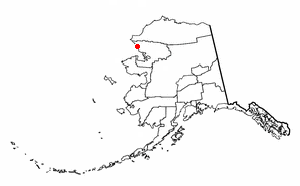
Alaska’s wild beauty draws explorers from around the world, but few places remain as untouched and mysterious as Cape Krusenstern. Located on the northwestern coast of Alaska, this national monument offers visitors a rare chance to experience the Arctic’s vast landscapes, ancient history, and unique wildlife. If you crave adventure far from crowded tourist spots, Cape Krusenstern promises an unforgettable journey.
Why Visit Cape Krusenstern?
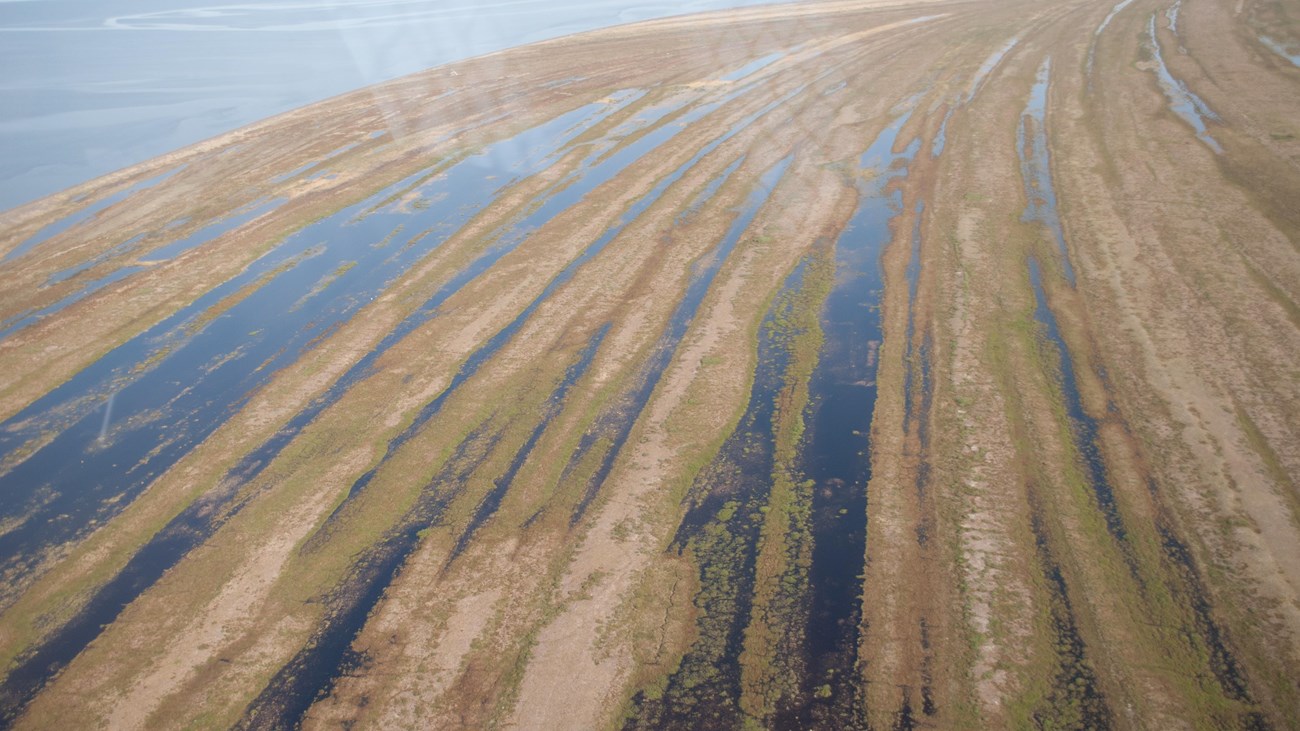
Cape Krusenstern National Monument covers over 650,000 acres of coastal plain, lagoons, and rolling tundra along the Chukchi Sea. The park is known for its rich archaeological sites, dramatic scenery, and remote wilderness. Unlike many other parks, there are no roads, visitor centers, or marked trails here. This means every trip is a true adventure, shaped by nature and your own curiosity.
Two insights set Cape Krusenstern apart for travelers:
- Layered History: The area contains over 114 ancient beach ridges, each representing a different era of human activity, from 5,000 years ago to the present. It’s one of the world’s best records of Arctic life.
- Unspoiled Wilderness: The park’s isolation keeps crowds away, so you can explore in peace, surrounded by endless tundra and the sound of the wind.
Top Things To Do In Cape Krusenstern
Most visitors come for the chance to immerse themselves in true wilderness. Here are the best ways to enjoy the park:
1. Hiking And Backpacking
Cape Krusenstern’s landscape is perfect for those who love off-trail hiking. Since there are no marked paths, you can choose your own route across the tundra, along the beach ridges, or beside quiet lagoons.
- Popular routes: Hike the ancient beach ridges to see centuries of history under your feet.
- Preparation needed: Bring a map, GPS, and supplies. The weather can change quickly, and there are no services.
- Tip: Waterproof boots help with marshy ground and sudden streams.
2. Wildlife Watching
The park is home to a surprising variety of animals. You might see:
- Caribou from the Western Arctic herd migrating across the plains.
- Muskoxen, with their shaggy coats, grazing in the distance.
- Birds like loons, swans, and sandpipers, especially during spring and fall migrations.
- Marine mammals—watch for seals and even the occasional whale offshore.
Bring binoculars, and remember to keep a safe distance from all wildlife.
3. Kayaking And Boating
Exploring the coastal lagoons and rivers by kayak or canoe is an incredible way to see the park. The waters are calm in summer, and you can paddle along the shore to spot birds and marine life.
- Best season: June to August, when ice has melted.
- Safety tip: Always check the weather and carry emergency gear; conditions can change fast in the Arctic.
4. Fishing
Cape Krusenstern’s rivers and lakes offer excellent fishing for grayling, Dolly Varden, and Arctic char. Local regulations require you to have a fishing license, and it’s important to practice catch-and-release to protect fish populations.
5. Archaeological Exploration
The beach ridges are a living museum. While you can’t dig or collect artifacts, you can walk along the ridges and imagine the lives of ancient Inuit and Inupiat peoples. Guided tours by local experts sometimes operate from nearby Kotzebue, offering deeper insights.
6. Camping
Set up camp almost anywhere in the park’s backcountry. The lack of facilities means you’ll need to follow Leave No Trace principles carefully. The endless daylight in summer lets you enjoy long evenings by the sea.
7. Winter Adventures
From October to May, Cape Krusenstern transforms into a snowy wonderland. Experienced visitors come for cross-country skiing, snowshoeing, and even dog mushing on traditional routes. Only attempt these in groups, and with full Arctic gear.
Credit: www.nps.gov
Tourist Attractions Near The Park
While Cape Krusenstern itself is remote, the surrounding region offers more to explore:
- Kotzebue: The main gateway town, located about 20 miles southeast of the monument. Visit the Northwest Arctic Heritage Center for exhibits about Inupiat culture and park history.
- Noatak National Preserve: Just east of Cape Krusenstern, this preserve offers river trips and stunning mountain scenery.
- Bering Land Bridge National Preserve: A short flight south, this park preserves Ice Age landscapes and hot springs.
Here’s a quick comparison of what you can find in these nearby areas:
| Attraction | Main Activity | Distance from Cape Krusenstern |
|---|---|---|
| Kotzebue | Cultural tours | 20 miles |
| Noatak National Preserve | River trips | Adjacent (east) |
| Bering Land Bridge | Hot springs | ~100 miles |
Best Time To Visit
Cape Krusenstern’s climate is Arctic, with long, cold winters and short, mild summers. The best time for most travelers is late June to early September, when temperatures range from 40–60°F (4–16°C) and the sun barely sets.
- Summer: Ideal for hiking, boating, and wildlife.
- Spring and Fall: Great for bird watching.
- Winter: Only for prepared adventurers.
A quick look at the seasonal differences:
| Season | Temperature Range (°F) | Daylight Hours | Popular Activities |
|---|---|---|---|
| Summer | 40–60 | 20–24 | Hiking, kayaking |
| Winter | -20–10 | 0–4 | Skiing, snowshoeing |

Credit: www.travelalaska.com
How To Get There
There are no roads to Cape Krusenstern. Most visitors fly to Kotzebue, then charter a small plane, boat, or snowmobile to reach the monument. This extra effort means you’ll likely have the landscape to yourself.
- Flights: Alaska Airlines serves Kotzebue from Anchorage.
- Local transport: Charters can be arranged in Kotzebue.
- Permits: No entry fee or special permit is needed, but check local rules, especially for group trips or scientific research.
Practical Travel Tips
- Pack for all conditions. Weather can be unpredictable, even in summer.
- Bring navigation tools. GPS, maps, and a satellite phone are essential.
- Travel with a group if possible, for safety.
- Respect wildlife and culture. Observe animals from a distance and ask permission before visiting local villages.
- Leave No Trace. Carry out all trash and avoid damaging fragile tundra.
A common mistake is underestimating the remoteness—always overprepare rather than risk an emergency.
Credit: en.wikipedia.org
Frequently Asked Questions
How Do I Get To Cape Krusenstern?
You must fly into Kotzebue, then arrange a charter flight, boat, or snowmobile into the park. There are no roads or public transport directly to the monument.
Is It Safe To Visit Cape Krusenstern Alone?
Traveling alone is possible but not recommended due to the remote location and lack of emergency services. Go with a guide or group for safety.
Can I See The Northern Lights In Cape Krusenstern?
Yes, the Northern Lights are visible from late September to early April, especially on clear, dark nights.
Are There Any Guided Tours?
Some guided trips are offered from Kotzebue, focusing on archaeology and wildlife. These must be booked in advance due to limited availability.
Where Can I Learn More Before Visiting?
The National Park Service website for Cape Krusenstern offers detailed visitor information, maps, and safety advice. Check it before your trip: NPS Cape Krusenstern.
Exploring Cape Krusenstern is a chance to step back in time and experience the Arctic as few ever will. Prepare well, travel responsibly, and you’ll discover a wild, beautiful world unlike any other.
