
Are you tired of waking up sore and uncomfortable after a night of camping? Your sleeping setup can make or break your outdoor experience.
You might be wondering if a mattress topper, something usually used at home, can help you sleep better on your camping trips. Imagine having the comfort of your bed while surrounded by nature. This article will reveal whether a mattress topper can be your secret weapon for a cozy night under the stars.
Keep reading to discover how to upgrade your camping comfort easily!
Benefits Of Mattress Toppers For Camping
Mattress toppers are not just for home use. They offer many benefits for camping too. These extra layers can make a big difference in your outdoor sleep. They improve comfort, keep you warmer, and are easy to carry. Using a mattress topper can make camping nights more restful and pleasant.
Enhanced Comfort On Rough Terrain
Camping grounds can be hard and uneven. Mattress toppers add a soft layer between you and the ground. They reduce pressure on your body. This helps you sleep better and wake up refreshed. No more waking up sore or stiff after a night outside.
Improved Insulation From Cold Ground
The ground can get very cold at night. Mattress toppers create a barrier that keeps cold away. They trap heat close to your body. This means you stay warmer without heavy sleeping bags. Warmth is important for a good night’s rest outdoors.
Lightweight And Portable Options
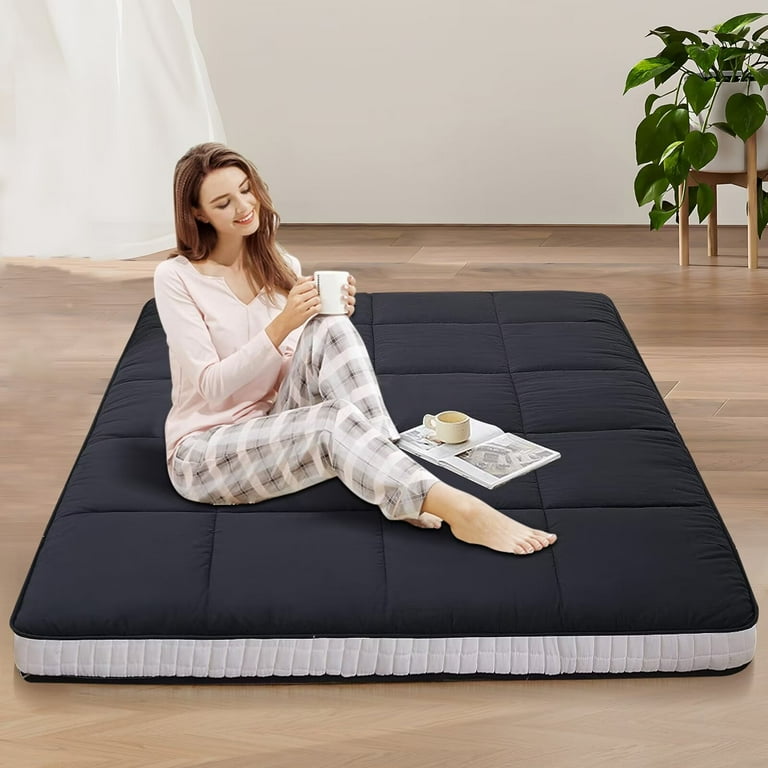
Many mattress toppers are light and easy to pack. They can fold or roll into small sizes. This makes them great for carrying on hikes or trips. You get comfort and warmth without extra weight. Perfect for campers who want to travel light.
Credit: www.walmart.com
Types Of Mattress Toppers Suitable For Camping
Choosing the right mattress topper can improve your camping sleep a lot. It adds comfort and warmth on hard or cold ground. Some toppers work better outdoors because they are light, easy to carry, and dry quickly. This section covers three types of mattress toppers that suit camping well.
Memory Foam Toppers
Memory foam toppers mold to your body shape. They give good support and reduce pressure points. These toppers are soft and cozy, making camping nights warmer. They are heavier and bulkier than other types, so pack carefully. Memory foam keeps heat well, ideal for cool weather camping.
Inflatable Toppers
Inflatable toppers are light and easy to pack. You can adjust their firmness by adding or letting out air. They provide good cushioning and lift you off the hard ground. Many models come with built-in pumps for quick inflation. These toppers dry fast and resist moisture well.
Egg Crate Foam Toppers
Egg crate foam has a bumpy surface that helps air flow. It is light and compresses small for easy transport. This foam type offers basic comfort and some insulation from cold ground. It is less durable than other toppers but very affordable. Egg crate foam is good for short trips or warm weather.
Comparing Mattress Toppers With Traditional Camping Pads
Choosing the right sleeping surface is key for a good night’s rest outdoors. Mattress toppers and traditional camping pads serve similar purposes but differ in design and use. Understanding their strengths helps campers pick the best option for comfort and convenience.
Durability And Protection
Camping pads are made for rough outdoor use. They resist tears, moisture, and dirt better than mattress toppers. Toppers often use softer materials that wear out quickly on rough ground. Pads provide a firm layer between you and rocks or roots. They also help keep you dry by resisting water and mud. Mattress toppers may absorb moisture and get damaged faster outdoors.
Ease Of Setup And Transport
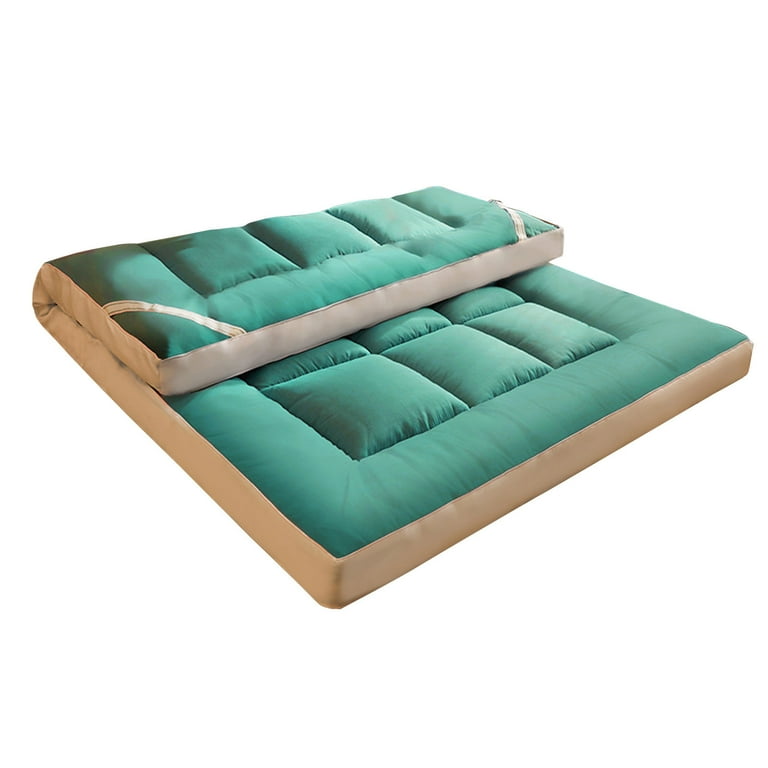
Camping pads are lightweight and easy to carry. Many roll or fold into small sizes for backpacks. Inflatable pads save space and inflate quickly with a pump or by mouth. Mattress toppers are bulkier and heavier. They do not compress well, making them harder to pack. Setting up a topper means placing it flat, with no need for inflation. Still, carrying a topper on a hike can be tiring.
Cost Considerations
Camping pads come in a wide price range depending on material and features. Basic foam pads are affordable and durable. Inflatable pads cost more but offer better comfort and compactness. Mattress toppers vary in price based on thickness and brand. They often cost more than simple foam pads but less than high-end inflatables. Using a topper for camping may not provide the best value for the money spent.
Credit: www.walmart.com
Tips For Using Mattress Toppers Outdoors
Using a mattress topper outdoors can make camping more comfortable. It adds softness and warmth under your sleeping bag. To keep it in good shape, follow some simple tips. These help protect the topper and make your camping experience better.
Careful preparation is key. Protecting the topper from water and dirt is important. Cleaning it properly after use keeps it fresh. Packing it well saves space and prevents damage. Each step helps your mattress topper last longer outdoors.
Waterproofing And Weatherproofing
Choose a waterproof cover for your mattress topper. This stops moisture from soaking in. Use a tarp or groundsheet under the topper to block damp ground. Avoid placing it directly on wet grass or dirt. Store the topper in a dry place during rain. Weatherproofing keeps it dry and comfortable for sleeping.
Cleaning And Maintenance
Clean the mattress topper after every trip. Shake off dirt and leaves outside. Spot clean stains with mild soap and water. Let it dry completely before packing away. Avoid harsh detergents that can damage the material. Proper care keeps the topper fresh and ready to use.
Packing And Storage
Roll the mattress topper tightly to save space. Use a breathable bag or strap to hold it. Avoid folding it to prevent creases and damage. Store it in a cool, dry place at home. Keep it away from direct sunlight or heat. Good packing protects the topper and makes it easy to carry.
Potential Drawbacks Of Using Mattress Toppers For Camping
Using a mattress topper for camping has some drawbacks. These can affect your comfort and convenience outdoors. Knowing these issues helps you decide if a mattress topper fits your camping needs.
Weight And Bulkiness
Mattress toppers can be heavy and bulky. Carrying them on a hike adds extra load. This can tire you quickly and slow your pace. Packing space also becomes limited with larger toppers.
Susceptibility To Moisture
Most mattress toppers absorb water easily. Outdoor dampness or rain can soak them. Wet toppers lose their comfort and take time to dry. Dampness can also cause mold and bad smells.
Limited Durability On Rough Surfaces
Camping grounds are often rough and uneven. Mattress toppers can tear or wear out fast. Sharp rocks or sticks may damage the material. This reduces the topper’s lifespan and comfort.

Credit: www.amazon.com
Frequently Asked Questions
Can A Mattress Topper Improve Camping Comfort?
Yes, a mattress topper adds cushioning and insulation on uneven ground. It enhances sleep quality by providing extra softness and warmth during camping trips.
What Types Of Mattress Toppers Suit Camping?
Memory foam and inflatable toppers work best. They offer comfort, lightweight portability, and easy packing, making them ideal for outdoor camping use.
Will A Mattress Topper Fit In A Tent?
Most mattress toppers are compact and flexible, fitting inside standard tents easily. Choose a size matching your sleeping pad or mattress for best results.
Can Mattress Toppers Protect Against Cold Ground?
Yes, toppers provide an insulating layer that blocks cold from the ground. This helps maintain body heat and increases warmth during chilly camping nights.
Conclusion
A mattress topper can add comfort to your camping sleep. It helps soften hard ground and keeps you warmer. Choose a lightweight and easy-to-carry topper for trips. Not all toppers work well outdoors, so check materials first. Using one can improve rest and energy on your adventure.
Try it out to see if it suits your camping style. Comfort matters, even when you sleep outside.
