Are you planning a trip to a Spanish-speaking country and want to talk about your love for camping? Knowing how to say “camping” in Spanish can make your conversations smoother and more fun.
Whether you’re chatting with locals or reading signs, this small piece of language can open up new adventures for you. Keep reading to discover the exact word, useful phrases, and tips that will help you feel confident and ready for your next outdoor escape in Spanish!
Camping In Spanish
Camping is a popular outdoor activity enjoyed worldwide. Speaking about camping in Spanish helps travelers and learners connect better. It also makes the experience more fun and local. Knowing the right words can improve communication and understanding.
In Spanish, the word for camping changes based on context. It can mean the act of camping or the place where you camp. This section explains these terms clearly for easy learning.
How To Say Camping As An Activity
The most common word for camping as an activity is acampar. This is a verb that means “to camp.” For example, “Me gusta acampar” means “I like to camp.”
Camping As A Noun
When talking about camping as a noun, Spanish speakers often say camping. It is borrowed from English and widely understood. Another word is campamento, which means “camp” or “campsite.”
Common Phrases Related To Camping
Some useful phrases include ir de camping (to go camping), lugar de camping (camping spot), and equipo de camping (camping gear). These help describe trips and gear easily.
Common Camping Terms
Camping has its own special words in Spanish. Knowing these common terms helps you enjoy your trip more. You can talk about gear, activities, and rules easily. This guide covers essential camping words in Spanish.
Tent And Equipment
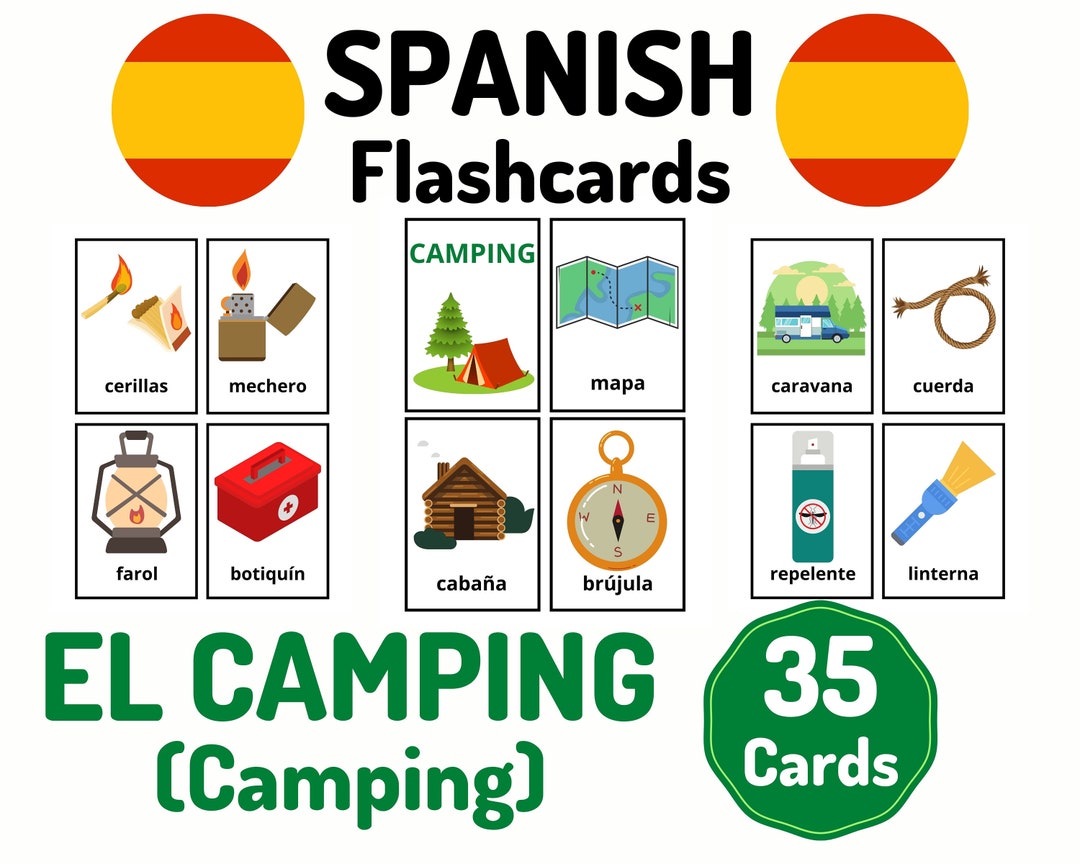
The word for “tent” in Spanish is tienda de campaña. You also need a saco de dormir (sleeping bag) to stay warm. A linterna means flashlight. For cooking, use a estufa portátil (portable stove). Don’t forget mochila, which means backpack. These words help you pack and set up camp.
Activities And Nature
Camping involves fun activities. Senderismo means hiking. You can explore the bosque (forest) or montañas (mountains). Watching animales (animals) is common. Fishing translates to pescar. These words describe what you do outside and the nature you see.
Safety And Camping Rules
Safety is important in camping. Reglas means rules. You must respect la naturaleza (nature). Keep your camp clean: no dejar basura (don’t leave trash). Fuego means fire; use it carefully. Knowing these terms helps you stay safe and protect the environment.
Regional Variations
Camping is a popular activity across Spanish-speaking countries. The word “camping” changes depending on the region. These differences reflect culture and local language use. Understanding regional variations helps travelers communicate better.
Spain Vs Latin America
In Spain, the word for camping is “camping” or “acampar.” People also use “hacer camping” to say “to go camping.”
In Latin America, “acampar” is the most common verb for camping. Some countries use “campamento” to mean a campsite or camping area.
In Mexico and Central America, “acampar” is widely understood. In South America, words like “campamento” or “camping” work too.
Local Slang And Phrases
Local slang for camping varies across regions. In some places, people say “irse de campamento” for going camping.
In Argentina, “acampar” is common but locals might say “ir de campi” in casual talk.
In Chile, people often use “acampar” but sometimes add phrases like “pasar la noche al aire libre” to describe camping.
Learning local slang helps understand conversations and local culture better.

Credit: www.youtube.com
Useful Phrases For Campers
Camping in Spanish can be fun and easy with key phrases. These phrases help you communicate clearly outdoors. You can set up camp, ask for directions, and handle emergencies smoothly. Learning simple words makes the experience better and safer.
Setting Up Camp
To start camping, use these phrases:
- ¿Dónde puedo armar la tienda? — Where can I set up the tent?
- Necesito una cuerda. — I need a rope.
- ¿Tienes un martillo? — Do you have a hammer?
- Estoy buscando un lugar plano. — I am looking for a flat spot.
- ¿Dónde está el agua potable? — Where is the drinking water?
Asking For Directions
Find your way with these phrases:
- ¿Cómo llego al campamento? — How do I get to the campsite?
- ¿Está lejos el sendero? — Is the trail far?
- ¿Hay un mapa del parque? — Is there a park map?
- ¿Dónde está la salida? — Where is the exit?
- ¿Me puede mostrar en el mapa? — Can you show me on the map?
Emergency Situations
Stay safe with these essential phrases:
- ¡Ayuda, por favor! — Help, please!
- He tenido un accidente. — I have had an accident.
- ¿Dónde está el hospital más cercano? — Where is the nearest hospital?
- Necesito un médico. — I need a doctor.
- He perdido a mi grupo. — I have lost my group.
Practice Tips
Practicing Spanish helps you say camping and many other words clearly. Regular practice builds your confidence. It also improves your speaking and listening skills. Try different ways to practice every day. This keeps learning fun and effective.
Language Apps
Language apps offer easy access to Spanish lessons. Use apps to learn camping vocabulary and phrases. Many apps include games and quizzes. These tools help you remember new words fast. Practice a little each day for steady progress.
Conversation Practice
Talking with others strengthens your Spanish skills. Find a friend or tutor to practice speaking. Use simple sentences about camping and outdoor activities. Speaking out loud improves your pronunciation and flow. Don’t worry about mistakes; they help you learn.
Cultural Immersion
Experience Spanish culture to deepen your learning. Watch shows or listen to music about camping in Spanish. Read articles or stories about camping in Spanish-speaking countries. This helps you understand how people use the word “camping.” It makes your learning more real and fun.
Credit: www.etsy.com
Credit: www.teacherspayteachers.com
Frequently Asked Questions
What Is The Spanish Word For Camping?
The Spanish word for camping is “acampar. ” It means to stay outdoors overnight, usually in a tent or camper. You can also use “campamento” to refer to a campsite or camping area.
How Do You Say Camping Trip In Spanish?
A camping trip in Spanish is called “viaje de campamento. ” It refers to a planned outdoor stay, often involving tents and nature activities.
What Is The Verb Form Of Camping In Spanish?
The verb form for camping in Spanish is “acampar. ” It means the act of setting up camp and staying overnight outdoors.
How Do You Pronounce Camping In Spanish?
Camping in Spanish, “acampar,” is pronounced ah-kahm-PAR. The emphasis is on the last syllable, making it easy to say.
Conclusion
Camping in Spanish is “acampar. ” This word is easy to remember and use. Now you can talk about camping trips in Spanish. Practice saying it aloud for better memory. Try using it in simple sentences. This helps you learn faster and speak more confidently.
Knowing this word opens new chances to explore nature with friends. Enjoy your camping adventures and share your stories in Spanish! Keep learning small words like this every day. It makes your Spanish better and more fun.
