
Have you ever wondered what really sets camping apart from a picnic? Both are great ways to enjoy the outdoors, but they offer very different experiences.
Knowing the difference can help you choose the perfect activity for your next day out. Whether you want a quick escape or an overnight adventure, understanding these key distinctions will make your plans easier and more enjoyable. Keep reading, and you’ll discover exactly what makes camping and picnics unique—and which one fits your style best.
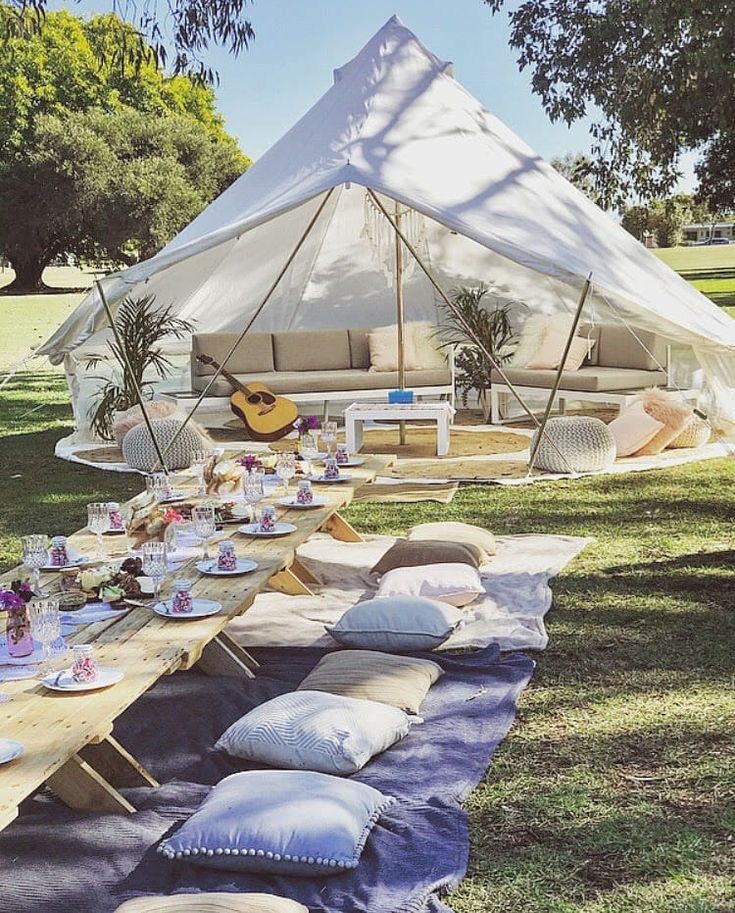
Credit: www.pomoly.com
Camping Basics
Camping is a popular outdoor activity that lets people enjoy nature. It involves staying outside overnight, usually in a tent or camper. Camping offers a chance to relax, explore, and connect with the environment. It requires some preparation and the right equipment to stay safe and comfortable.
Understanding the basics helps beginners enjoy their trips more. Knowing different camping styles and essential gear is important. These basics also show how camping differs from a simple picnic.
Types Of Camping
There are many types of camping to try. Tent camping is the most common and involves setting up a tent in a campground. Car camping means parking your car near your tent for easy access to supplies.
Backpacking camping is for those who carry all gear in a backpack. It is done in remote areas and needs careful planning. RV camping uses a camper or motorhome for a more comfortable stay. Each type offers a unique experience.
Essential Gear
Good gear makes camping safe and fun. A tent is the most important item to sleep and stay dry. Sleeping bags keep you warm at night. A camping stove or portable grill helps cook meals outdoors.
Other essentials include a flashlight, first aid kit, and water containers. Proper clothing is necessary for changing weather. Packing the right gear prepares you for most situations on a camping trip.
Picnic Fundamentals
A picnic is a simple outdoor meal shared with friends or family. It usually lasts a few hours, not overnight. People gather in parks, near lakes, or open fields to enjoy fresh air and food. The main idea is to relax, eat, and spend time together.
Picnics do not need much gear. Most supplies are easy to carry in a bag or basket. The focus stays on comfort and convenience rather than camping equipment. It’s a quick way to enjoy nature without much planning.
Popular Picnic Spots
Parks are the top choice for picnics. They have open spaces and often picnic tables. Beaches offer a fun spot with sand and water nearby. Lakesides provide calm views and a cool breeze. Gardens and nature reserves are peaceful and green. These places make picnics easy and enjoyable.
Typical Picnic Supplies
Picnic supplies include a blanket or mat to sit on. Food items are usually sandwiches, fruits, and snacks. Drinks like water, juice, or soda keep everyone refreshed. Plates, cups, and napkins are needed for eating. A small cooler or basket helps carry all items. Simple tools like a knife or bottle opener may help too.
Activity Duration
Activity duration plays a key role in differentiating camping and picnics. Both activities involve spending time outdoors, but the length and planning vary a lot. Understanding these differences helps you choose the right activity for your mood and schedule.
Overnight Vs Daytime
Camping usually means staying overnight outdoors. You sleep in tents or cabins. This makes camping a longer event, often lasting several days. Picnics happen during the daytime only. People enjoy food and games in one spot for a few hours. No sleeping outside in picnics. This makes picnics shorter and easier to fit into a busy day.
Planning Time
Camping needs more planning. You pack clothes, food, and sleeping gear. You must check weather and campsite rules. Picnics need less preparation. Just bring simple food, a blanket, and some games. Less gear, less time spent packing. This difference in planning also reflects how long each activity lasts.

Credit: www.amazon.com
Location Choices
Choosing the right location shapes the whole camping or picnic experience. The places for camping and picnics differ a lot. Each has unique features to fit the activity’s needs.
Campsite Features
Campsites often lie deep in nature. Trees, hills, and water bodies are common nearby. They offer space for tents and campfires. Many campsites have basic facilities like toilets and water taps. Some may also have picnic tables and fire rings. Campers need spots that allow overnight stays. Privacy and safety are important here. The environment is usually quiet and peaceful. This helps people relax and enjoy nature fully.
Picnic-friendly Areas
Picnic spots are easier to reach than campsites. Parks, gardens, and open fields work well. These places usually have flat grass or benches. Shade from trees or pavilions helps on sunny days. Picnic areas often have trash bins nearby. They may include playgrounds or BBQ grills. Picnics are short trips, so no need for overnight space. These spots are busy with families and friends. The setting is casual and lively, perfect for quick outdoor meals.
Food And Cooking
Food and cooking play a key role in both camping and picnics. They shape the whole experience and mood. Each activity has different needs and styles for meals. Understanding these helps you plan better and enjoy more.
Meal Preparation For Camping
Camping requires careful meal planning. Campers often cook over a fire or portable stove. Meals need ingredients that last long and cook fast. Think of canned beans, dried pasta, and instant soup.
Simple meals work best. You might grill meat or toast bread on the fire. Cooking tools should be light and easy to carry. Clean-up also matters since you are outdoors.
Picnic Food Ideas
Picnic food is usually cold or room temperature. No need for cooking gear. Sandwiches, salads, and fruits are popular choices. They are easy to pack and eat outside.
Picnic snacks can be fresh and colorful. Cheese, crackers, and cut veggies are great. Drinks like juice or water keep everyone refreshed. Pack foods that stay good without refrigeration.
Social Experience
The social experience shapes how people enjoy camping and picnics. Both activities bring friends and family together. They create moments for talking, laughing, and sharing stories. Yet, the way people interact differs. The setting and length of the event change group behavior.
Social bonds grow stronger in both settings but in unique ways. Understanding these differences helps choose the best activity for your group.
Group Dynamics In Camping
Camping usually lasts longer than a picnic. Groups spend hours or days together outdoors. This creates a chance to build deeper connections. People share tasks like setting tents and cooking meals. Teamwork and cooperation become important. Group members learn about each other’s habits and skills.
Evenings around the campfire bring stories and songs. Quiet moments in nature help people relax and open up. Camping often strengthens friendships and family ties. It offers a shared experience that stays in memory.
Picnic As A Social Event
Picnics are shorter and more casual. Groups meet for a few hours in parks or gardens. The focus is on food and easy conversation. People sit close, sharing snacks and drinks. It’s a chance to catch up without much planning.
Picnics encourage light, fun interaction. Kids run and play nearby while adults chat. The relaxed setting makes socializing easy. Picnics are perfect for quick gatherings and meeting new people. They refresh social bonds in a simple way.
Cost Considerations
Cost plays a big role in choosing between camping and having a picnic. Both activities need money, but the amount can vary a lot. Knowing the costs helps you plan better and enjoy your time without stress.
Camping Expenses
Camping usually costs more than a picnic. You need gear like tents, sleeping bags, and cooking tools. Some campsites charge fees for staying overnight. Travel costs to remote areas add up too.
Food for camping can cost more because you need meals for several days. You may also buy extra items like lanterns or insect spray. These costs build up but can last for many trips.
Picnic Budgeting
Picnics are simpler and usually cheaper. You only need food, drinks, and a blanket. Most picnic spots are free or have a small entry fee. No special gear is required.
Food for a picnic is often easy to prepare and costs less. You can pack sandwiches, fruit, and snacks. Transportation costs are lower too, as picnic spots are often close to home.
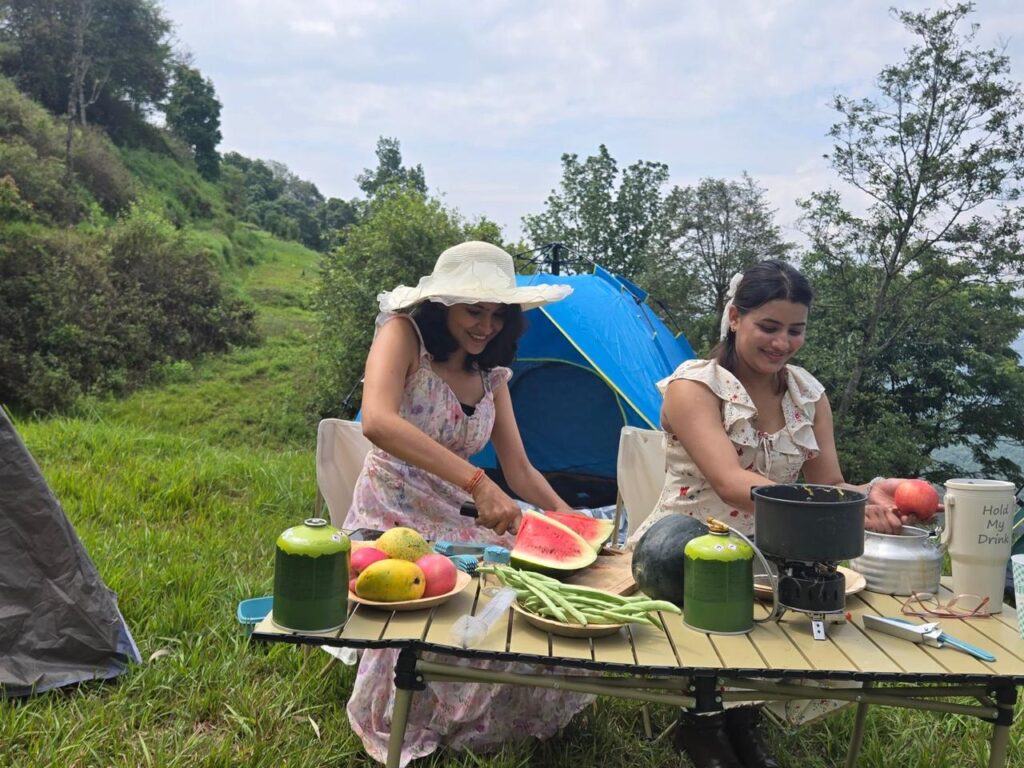
Credit: archidvilla.com
Environmental Impact
Outdoor activities like camping and picnics affect nature differently. Understanding their environmental impact helps protect green spaces. Both activities can leave marks on the environment. Small actions can reduce harm and keep nature clean.
Leave No Trace In Camping
Camping often involves staying overnight in natural areas. This can disturb plants and animals if not done carefully. The Leave No Trace principle guides campers to protect the environment. Campers should pack out all trash and waste. Using existing campsites reduces damage to new areas. Avoiding campfires or using small, controlled fires helps prevent forest fires. Respect wildlife by not feeding or disturbing animals. Keeping noise low helps preserve the natural setting.
Picnic Waste Management
Picnics usually last a few hours and generate waste like food scraps and packaging. Proper waste management is crucial to avoid littering. Bringing reusable containers reduces plastic waste. Carrying a trash bag helps collect all garbage. Sorting recyclables keeps the area clean and supports recycling. Leaving no trash behind protects animals from harmful materials. Avoiding single-use plastics lowers pollution and helps the environment.
Frequently Asked Questions
What Is The Main Difference Between Camping And Picnic?
Camping involves overnight stays outdoors, often with tents. Picnics are short outdoor meals without staying overnight. Camping requires more gear and preparation, while picnics are simpler and usually last a few hours. Both activities offer outdoor enjoyment but differ in duration and setup.
How Long Does A Typical Camping Trip Last?
A camping trip usually lasts one or more nights. It can range from a weekend to several days. Campers stay overnight in tents or cabins. This contrasts with picnics, which typically last a few hours during the day.
What Gear Is Essential For Camping Compared To Picnics?
Camping requires tents, sleeping bags, cooking equipment, and lighting. Picnics need only a blanket, food, and basic utensils. Camping gear supports overnight stays and comfort, while picnic items focus on casual outdoor dining and convenience.
Can Picnics Be Part Of A Camping Trip?
Yes, picnics often complement camping trips. Campers may enjoy picnics during daytime hikes or breaks. Picnics add variety to camping experiences but don’t replace the overnight aspect of camping.
Conclusion
Camping and picnics both offer fun ways to enjoy nature. Camping means staying overnight and bringing more gear. Picnics are short trips with easy-to-carry food. Each has its own charm and purpose. Choose camping for adventure and rest under the stars.
Pick picnics for quick outdoor meals and fresh air. Both help you relax and connect with friends or family. Try both to find what suits your style best. Nature awaits your visit, whether for a night or a day.
