
Camping during a thunderstorm can turn your peaceful outdoor adventure into a dangerous situation fast. You might feel scared or unsure about what to do when lightning flashes and thunder roars around you.
But don’t worry—knowing the right steps can keep you and your group safe. You’ll discover simple, effective actions to take the moment a storm hits. Stay with us, and you’ll be ready to protect yourself, your gear, and your camping trip no matter what the weather throws at you.
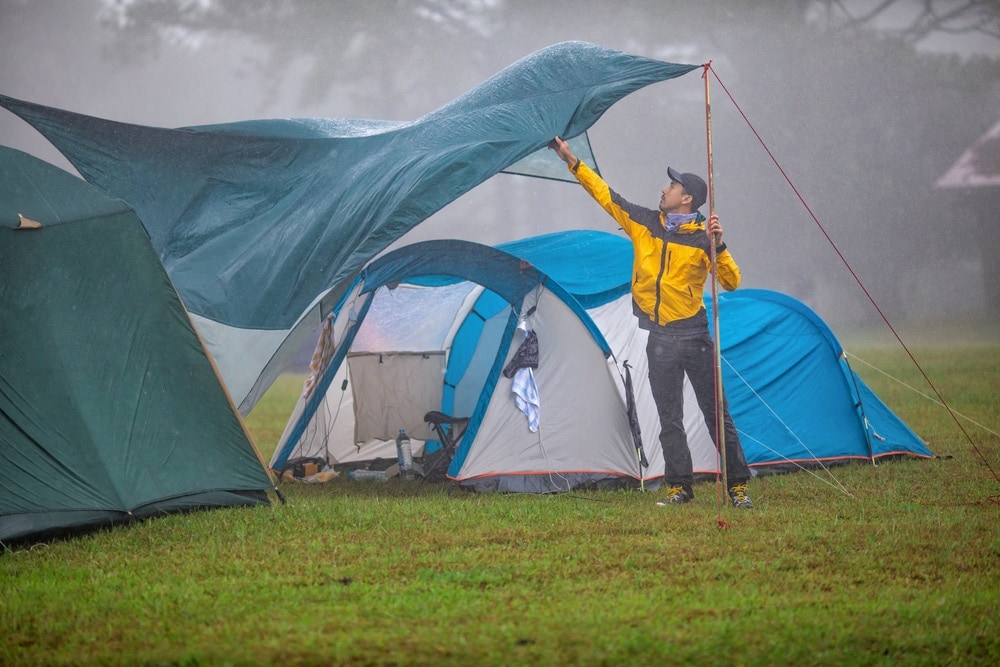
Credit: www.eurocampings.co.uk
Preparing For A Storm
Preparing for a storm while camping is very important for safety. Storms can come suddenly and bring strong winds, heavy rain, and lightning. Being ready helps you stay safe and protect your gear. Follow these steps to prepare well before your trip.
Checking Weather Forecasts
Check the weather forecast every day before your trip. Use trusted sources like weather apps or websites. Watch for storm warnings or sudden changes in weather. Stay updated even during the camping trip. This helps you know if a storm is coming early.
Choosing A Safe Campsite
Pick a campsite away from tall trees or open fields. Avoid places near rivers or low areas that can flood. Look for higher ground to stay dry and safe. Find spots with natural windbreaks like hills or rocks. Safe campsites reduce the risk of injury during storms.
Packing Essential Gear
Bring a sturdy tent that can handle strong wind and rain. Carry waterproof bags to protect your clothes and electronics. Pack extra blankets and warm clothes in case it gets cold. Always have a flashlight and extra batteries ready. This gear keeps you comfortable and secure during storms.
Recognizing Thunderstorm Signs
Recognizing thunderstorm signs is key to staying safe while camping. Thunderstorms can form quickly and bring dangerous weather. Knowing the early signs helps you act fast. Watch the sky and listen closely. Nature gives clues before the storm arrives.
Darkening Skies And Wind Changes
Look up. The sky may turn dark gray or greenish. Clouds gather and move fast. Winds often shift direction and become stronger. Trees may start to sway more than usual. These changes mean a storm is near. Prepare to find shelter right away.
Sound Of Distant Thunder
Listen carefully. Thunder sounds far away at first. It may be soft rumbles or sharp cracks. Thunder grows louder as the storm approaches. Count the seconds between lightning and thunder. Less time means the storm is closer. Take action before it reaches you.
Sudden Temperature Drops
Feel the air around you. Temperatures often drop quickly before a storm. The cool wind can feel chilly on your skin. This change happens because cold air moves down from the storm. A sudden temperature drop signals danger nearby. Find a safe place to wait it out.
Staying Safe During A Storm
Storms can strike fast while camping. Staying safe during a thunderstorm is very important. Knowing what to do helps protect you and your group. Follow simple steps to reduce risk and stay calm.
Seeking Shelter
Find a safe place as soon as you hear thunder. A sturdy building is best. If none are nearby, use a car. Avoid tents and open shelters. Stay inside until the storm passes. Keep away from windows and doors.
Avoiding Tall Objects
Lightning often hits tall objects first. Stay away from tall trees, poles, and towers. Do not stand under isolated trees. Find a low spot on the ground. Crouch down with feet together. Keep your head low but do not lie flat.
Staying Away From Water
Water conducts electricity. Avoid lakes, rivers, and streams during a storm. Do not swim or touch water. Move to higher ground if near water. Wet clothes increase risk. Stay dry and wait safely for the storm to end.

Credit: www.alpinetrek.co.uk
Handling Tent And Equipment
Handling your tent and equipment during a thunderstorm is vital for safety and comfort. Storms can bring strong winds and heavy rain. Your gear must stay secure and dry. Protecting your electronics and keeping the inside dry helps avoid damage and discomfort. Follow these simple steps to manage your campsite equipment effectively.
Securing Tent Anchors
Strong winds can lift or move your tent easily. Drive stakes deep into the ground. Use extra guy lines for added support. Tie them to sturdy trees or heavy rocks. Check all anchors often during the storm. Tighten loose ropes to keep the tent stable. A well-secured tent protects you from harsh weather.
Protecting Electronics
Electronics can fail if they get wet or hit by lightning. Store devices in waterproof bags or cases. Keep them inside the tent, away from wet spots. Avoid using electronics during lightning strikes. Unplug chargers and power banks. This reduces the risk of electrical damage or shocks.
Keeping Dry Inside
Water inside the tent makes camping uncomfortable. Use a groundsheet to block moisture from below. Keep wet clothes outside or in a sealed bag. Close all tent zippers and vents properly. Wipe off water from shoes before entering. These steps help maintain a dry, warm shelter during storms.
Emergency Actions And First Aid
Camping during a thunderstorm can become dangerous fast. Knowing emergency actions and first aid can save lives. Staying calm and acting quickly helps protect you and others. This section covers key steps for lightning strikes, hypothermia, and reaching help.
Dealing With Lightning Strikes
Lightning strikes cause serious injuries or death. Move the person to a safe place away from trees or metal. Check if they are breathing and have a pulse. If not, start CPR immediately. Avoid touching the person if they are still in contact with the lightning source. Call for help right away. Keep the person warm and still until help arrives.
Treating Hypothermia
Thunderstorms bring cold rain and wind that cause hypothermia. Shivering, confusion, and slurred speech are signs. Move the person to a dry, warm area. Remove wet clothes and cover them with blankets. Offer warm drinks if they are conscious. Avoid direct heat like hot water or heating pads. Keep monitoring their breathing and consciousness. Call emergency services if symptoms worsen.
Contacting Emergency Services
Have a phone or radio ready to call for help. Know the local emergency number before camping. Give clear information about your location and the injury. Stay on the line until the operator says you can hang up. Use a whistle or signal mirror if phone signals fail. Stay calm and follow instructions carefully. Help may take time to reach remote camping spots.
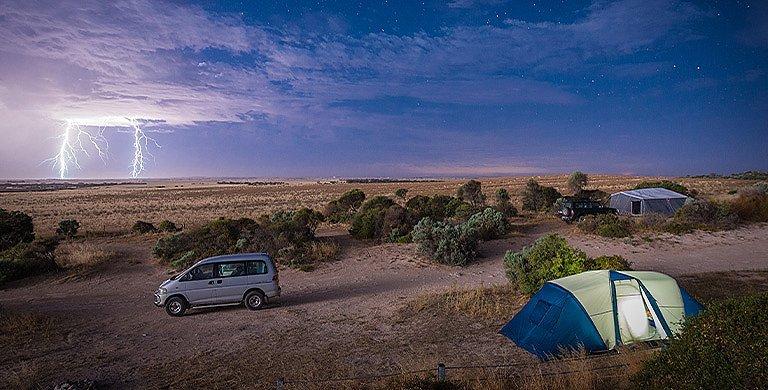
Credit: www.columbia.com
Post-storm Safety Measures
After a thunderstorm passes, staying safe is very important. The weather can leave hidden dangers around your campsite. Taking the right steps helps protect you and your group. Follow these safety measures carefully to avoid accidents and stay secure.
Inspecting Campsite For Damage
Check your tent and gear for holes or tears. Look for broken branches or fallen trees nearby. Clear away any sharp objects that could cause injury. Make sure your fire pit is safe and not spread by the storm. This quick check prevents injuries and keeps your site safe.
Avoiding Flooded Areas
Stay away from low spots where water collects. Avoid walking or driving through flooded paths. Water can hide deep holes or strong currents. Choose higher ground for your camp and activities. This reduces the risk of getting stuck or hurt by floodwaters.
Planning Safe Exit Routes
Identify clear paths to leave the campsite quickly. Mark these routes with visible signs or landmarks. Avoid routes near unstable trees or slippery slopes. Share the exit plan with everyone in your group. A safe exit route helps you leave calmly in case of emergency.
Frequently Asked Questions
What Safety Measures Should I Take During A Camping Thunderstorm?
Seek shelter in a sturdy building or vehicle. Avoid tall trees and open fields. Stay away from water and metal objects to reduce lightning risk.
How Can I Protect My Camping Gear From Rain?
Use waterproof tents and rain flies. Store gear in sealed waterproof bags. Elevate your belongings off the ground to avoid water damage.
Is It Safe To Stay Inside A Tent During Lightning?
Tents offer minimal protection from lightning. If lightning occurs, move to a car or shelter with a solid roof and walls.
What Should I Do If Caught Outside In A Thunderstorm?
Avoid open areas and tall objects. Crouch low with feet together, minimizing contact with the ground. Stay away from water and metal.
Conclusion
Camping during a thunderstorm can feel scary and risky. Stay calm and find safe shelter quickly. Avoid tall trees, open fields, and water. Keep away from metal objects that attract lightning. Wait patiently for the storm to pass before moving.
Always carry a weather radio or phone for updates. Planning and caution keep you safe and enjoy camping. Remember, safety first makes your outdoor trips better. Stay alert and respect nature’s power. Your smart choices protect you and your camping friends.
