
Planning a camping trip can be exciting, but making it truly unforgettable takes a little know-how. Imagine waking up to fresh air, enjoying a cozy campfire, and feeling completely relaxed in nature.
You want your trip to be fun, safe, and stress-free. This guide will help you discover simple tips and tricks to plan the best camping experience. Whether you’re a beginner or have some trips behind you, you’ll find easy steps to make your time outdoors amazing.
Keep reading to unlock the secrets to your perfect camping adventure!
Choosing The Perfect Campsite
Choosing the perfect campsite sets the tone for your entire camping trip. A good site offers comfort, safety, and access to nature’s beauty. Picking the right spot helps you enjoy your stay and avoid common problems. It is important to consider different types of campsites, where to camp, and how to book your place. These points make your trip smooth and fun.
Types Of Campsites
There are several types of campsites to choose from. Some are developed with facilities like toilets, showers, and fire pits. Others are more natural and simple, offering a quiet experience. Backcountry sites are for those who want to hike far and camp in wild areas. Each type suits a different style of camping and comfort level. Choose what fits your needs and adventure plans.
Location Considerations
Pick a campsite near water for easy access to drinking and washing. Flat ground helps with setting up tents and sleeping well. Avoid low areas that can flood after rain. Think about sun exposure. Morning sun can warm your tent, and shade can keep you cool. Also, check for nearby wildlife and plants that might cause trouble. Safety and comfort depend on location.
Booking Tips
Reserve your campsite early, especially in popular areas or peak seasons. Many parks allow online booking, which saves time and stress. Read reviews to find good spots and avoid problems. Note cancellation policies in case plans change. Some sites require permits, so check rules before booking. Plan ahead to secure the best spot for your trip.

Credit: piratescovefunzone.com
Essential Camping Gear
Packing the right gear makes your camping trip safe and fun. Essential camping gear helps you stay comfortable outdoors. Choosing the right items saves time and avoids stress. Prepare well to enjoy nature fully and stay protected.
Shelter And Sleeping Equipment
A sturdy tent keeps you dry and safe from bugs. Choose a tent that fits your group size. Bring a sleeping bag suited for the weather. A sleeping pad adds comfort and insulation from the cold ground. A good pillow helps you rest well after a long day.
Cooking Supplies
Carry a portable stove or camping grill for easy cooking. Pack lightweight pots and pans for meals and boiling water. Bring reusable utensils, plates, and cups for eating. Don’t forget a lighter or waterproof matches. Store food in sealed containers to keep animals away.
Clothing And Footwear
Wear layers to adjust to changing weather. Include a waterproof jacket for rain and wind. Choose quick-dry shirts and pants for comfort. Sturdy hiking boots protect your feet on rough trails. Bring extra socks to keep feet dry and warm.
Planning Your Meals
Planning your meals is key for a great camping trip. Good food keeps energy up and spirits high. Simple, tasty meals make camping more fun. Think about what you want to eat each day. Choose meals that are easy to cook outdoors. Pack enough food but avoid heavy loads. Plan snacks for quick energy between meals. Keep food safe to avoid sickness. Drink plenty of water to stay hydrated. Here are some tips to help with your meal planning.
Easy Campfire Recipes
Cook simple meals over the campfire to save time. Try foil packet meals with meat and vegetables. They cook fast and clean up is easy. Make classic campfire hot dogs or sausages. Toast marshmallows for a sweet treat. Prepare instant oatmeal or soup for quick breakfasts. Keep meals tasty with basic seasonings. Use a grill grate to cook burgers or fish. Easy recipes let you enjoy nature, not cooking stress.
Packing Food Safely
Store food in airtight containers to avoid spills. Use coolers with ice packs to keep food fresh. Separate raw meat from ready-to-eat foods. Pack perishable items last to keep them cold longer. Avoid foods that spoil quickly in heat. Bring extra bags for trash and leftovers. Keep your campsite clean to prevent animals. Check food regularly and throw out anything spoiled. Safe food means a healthy, happy trip.
Hydration Strategies
Carry enough water for drinking and cooking. Drink water often, even if you don’t feel thirsty. Use reusable water bottles to save space. Bring water purification tablets or filters for safety. Avoid sugary drinks that dehydrate your body. Include hydrating fruits like watermelon or oranges. Plan water refills near your camping spot. Staying hydrated helps you feel good and active.
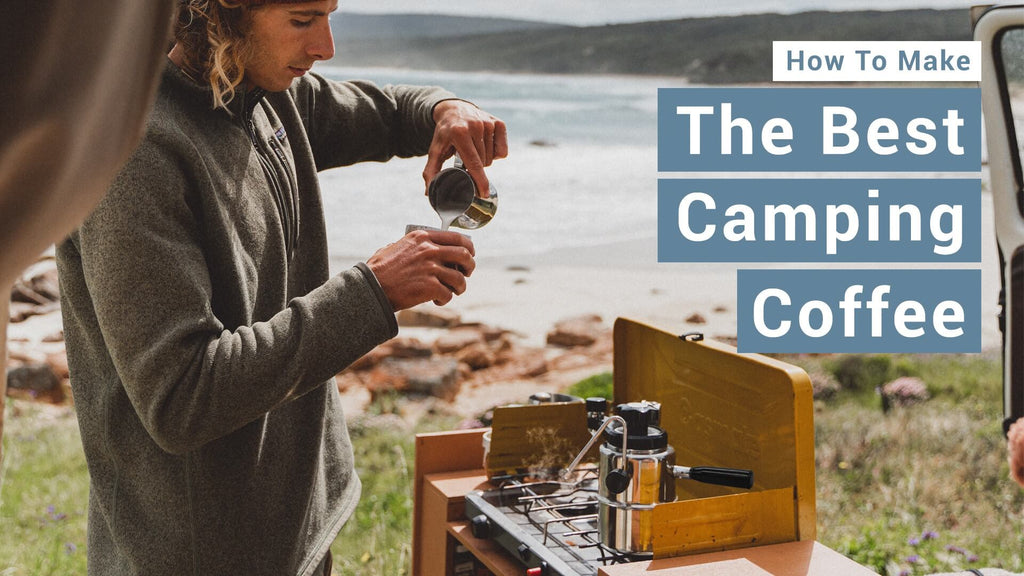
Credit: bellmanespresso.com
Outdoor Activities And Entertainment
Outdoor activities and entertainment make camping trips fun and memorable. They bring everyone closer to nature and each other. Choosing the right activities keeps the group happy and engaged. Simple adventures and games create great stories to tell later.
Try different activities to find what suits your group best. Balance excitement with relaxation for a perfect trip.
Hiking And Nature Walks
Hiking lets you explore the natural beauty around your campsite. Walk easy trails to enjoy fresh air and quiet moments. Spot birds, plants, and animals along the way. Nature walks teach kids about wildlife and the environment. Carry water and wear good shoes for safety.
Fishing And Water Sports
Fishing is a peaceful way to spend time by the water. Bring simple gear and bait for a fun experience. Water sports like kayaking or swimming add excitement. These activities cool you down and offer gentle exercise. Always follow safety rules and use life jackets.
Campfire Games And Stories
Campfire time is perfect for games and sharing stories. Play word games, sing songs, or tell jokes. Share spooky or funny stories to entertain everyone. These moments build strong bonds and create happy memories. Keep a flashlight handy for night fun.
Safety And First Aid
Safety is the top priority on any camping trip. Being prepared helps avoid accidents and injuries. Knowing basic first aid skills can save lives.
Campers should respect nature and stay alert. Understanding risks ensures a fun and safe outdoor experience.
Wildlife Precautions
Keep a safe distance from all animals. Do not feed or touch wildlife. Store food in sealed containers to avoid attracting animals. Make noise while hiking to avoid surprising animals. Know the local wildlife and which animals can be dangerous. Carry bear spray in areas with bears. Keep pets on a leash to protect them and wildlife.
Weather Preparedness
Check the weather forecast before leaving. Pack clothes for hot and cold weather. Bring rain gear to stay dry. Set up your tent in a safe, flat area. Avoid camping near rivers during heavy rain. Stay alert for sudden weather changes. Have a plan for shelter in case of storms.
Basic First Aid Kit
Carry a first aid kit with bandages, antiseptic wipes, and pain relievers. Include tweezers, scissors, and adhesive tape. Pack allergy medicine and insect bite treatment. Know how to use each item. Learn basic first aid skills like treating cuts and burns. Keep the kit easily accessible in your backpack or tent.
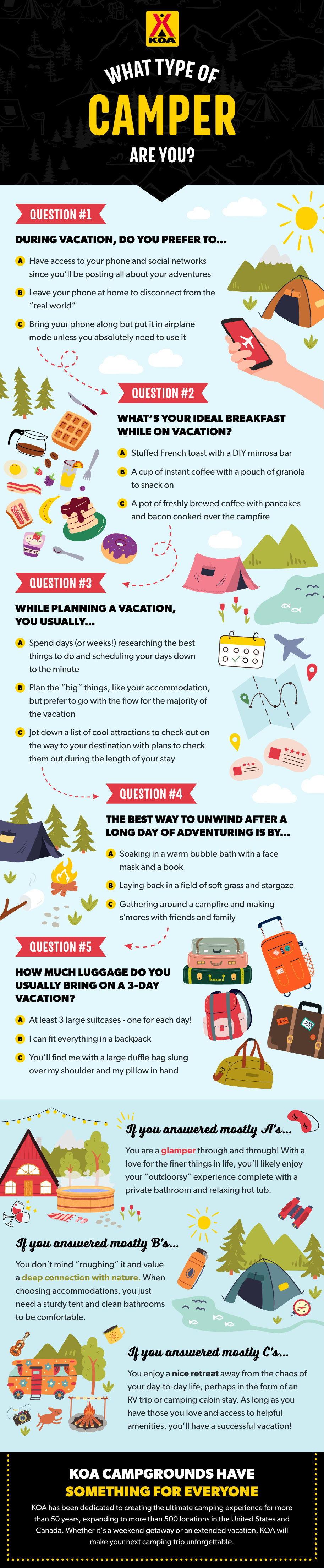
Credit: koa.com
Environmental Responsibility
Camping is a great way to enjoy nature. It is important to protect the environment during your trip. Taking care of the outdoors helps keep it clean and beautiful for everyone.
Being responsible means leaving the place as you found it. Small actions can make a big difference in nature’s health. Respecting the environment ensures future campers will enjoy it too.
Leave No Trace Principles
Follow the Leave No Trace rules to protect nature. Pack out everything you bring in. Avoid damaging plants and trees. Stay on marked trails to keep the land safe. Camp only in designated areas. These steps reduce your impact on the environment.
Waste Management
Carry trash bags to collect all your waste. Separate recyclables from trash when possible. Do not burn plastic or harmful materials. Dispose of waste at proper bins or take it with you. Keeping the campsite clean prevents pollution and harm to wildlife.
Respecting Wildlife
Observe animals from a distance. Do not feed or touch wildlife. Store food securely to avoid attracting animals. Loud noises can scare animals, so keep noise low. Respecting wildlife keeps both you and animals safe.
Frequently Asked Questions
What Essential Gear Should I Pack For A Camping Trip?
Pack a tent, sleeping bag, cooking supplies, flashlight, and weather-appropriate clothing. Don’t forget a first aid kit and water container. These items ensure safety and comfort during your camping adventure.
How Can I Choose The Best Camping Spot?
Look for flat, dry ground near water but away from hazards. Check local regulations and accessibility. A good spot offers shade, privacy, and protection from wind and wildlife.
What Meals Are Best For Camping Trips?
Opt for easy-to-cook, non-perishable foods like canned beans, instant oatmeal, and trail mix. Pre-packaged meals save time. Include fresh fruits and vegetables for nutrition.
How Do I Stay Safe From Wildlife While Camping?
Store food securely in sealed containers or bear-proof lockers. Avoid leaving scraps around. Keep a safe distance from animals and follow local wildlife guidelines to prevent encounters.
Conclusion
Camping trips bring joy and great memories. Plan well and pack smart to enjoy nature fully. Choose a good spot and stay safe. Bring food, water, and warm clothes for comfort. Respect the environment and leave no trace behind. Share laughs and stories around the campfire.
Each trip teaches something new. Get outside, breathe fresh air, and relax. Ready for your next adventure?
