
Have you ever wondered what exactly a camping site is and why it’s become so popular? Whether you’re planning your first outdoor adventure or just curious about what makes a camping site special, understanding its meaning can change the way you experience nature.
A camping site isn’t just a spot to pitch a tent—it’s a place that connects you with the outdoors, offers comfort, and creates memories. Keep reading to discover what a camping site truly means and how it can transform your next getaway.
Credit: www.reserveamerica.com
Camping Site Basics
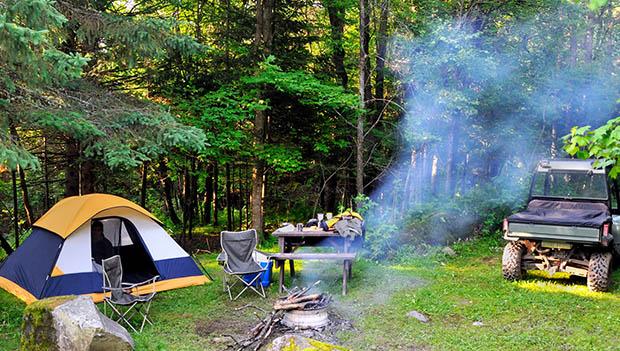
Camping sites are special places for outdoor stays. They provide a safe spot to set up tents or park RVs. People visit these sites to enjoy nature and relax. Knowing the basics helps you pick the right camping site for your trip.
Each camping site offers different experiences. Some are simple, while others have many facilities. Understanding the types and common features helps you prepare better.
Types Of Camping Sites
There are several types of camping sites. Tent sites are the most common. They offer space to pitch a tent on flat ground. RV sites provide hookups for water and electricity. Backcountry sites are remote and need hiking to reach. They have no facilities but offer a true wilderness feel. Group sites are larger and fit many campers. These are great for family or friend gatherings.
Common Features
Most camping sites share some features. A fire ring or pit is common for cooking and warmth. Many have picnic tables to eat or prepare food. Access to clean water is often available. Some sites include restrooms or showers nearby. Clear paths and marked spots help campers find their place. Trash bins encourage keeping the area clean. These features make camping safer and more enjoyable.

Credit: en.wikipedia.org
Choosing A Location
Choosing the right location is key to a great camping experience. The spot affects your comfort, safety, and fun. It also shapes how close you are to nature and facilities. Picking a good place makes your trip smooth and memorable.
Natural Settings
Natural settings add beauty and peace to your camping site. Look for places near trees, lakes, or hills. These spots offer shade, fresh air, and scenic views. Quiet surroundings help you relax and enjoy the outdoors fully.
Check for flat ground to set up your tent easily. Avoid areas with too many rocks or roots. Also, stay clear of places prone to flooding or strong winds. Nature’s calm can make your stay safe and pleasant.
Accessibility Factors
Accessibility means how easy it is to reach the camping site. Choose locations close to roads or trails. This helps carry your gear without trouble. It also makes it faster to get help if needed.
Consider the distance from your home or city. Shorter travel time means more time for fun. Also, check if the site has nearby parking or public transport options. Easy access improves your overall camping experience.
Amenities And Facilities
A camping site offers a variety of amenities and facilities. These features help campers enjoy their stay comfortably. They range from basic needs to extra comforts. Understanding these can help you choose the right spot for your adventure.
Essential Services
Basic amenities keep campers safe and comfortable. Clean restrooms and showers are common in most sites. Fresh water access is crucial for drinking and cooking. Many sites offer fire pits or grills for cooking food. Trash disposal points help keep the area clean. Some sites provide picnic tables and benches. These essentials make camping easier and more enjoyable.
Luxury Add-ons
Some camping sites offer extra features for more comfort. Electricity hookups allow you to power devices easily. Wi-Fi access keeps you connected to the internet. Swimming pools and playgrounds provide fun activities. Some sites have on-site stores for supplies and snacks. Rental cabins or glamping tents offer cozy shelter. These add-ons give a touch of luxury to outdoor stays.

Credit: en.wikipedia.org
Camping Site Rules
Camping site rules help keep everyone safe and protect nature. These rules guide campers on how to act and use the space respectfully. Following rules creates a fun and secure experience for all visitors. Understanding these rules before camping is very important.
Safety Guidelines
Stay alert to your surroundings at all times. Keep fires small and never leave them unattended. Store food properly to avoid attracting wild animals. Use tents and gear that suit the weather. Follow park signs and stay on marked paths. Inform someone about your camping plans before you go.
Environmental Considerations
Respect plants and animals by not disturbing them. Carry out all trash and leave no waste behind. Avoid using soap or chemicals near water sources. Use established fire rings to reduce damage to soil. Keep noise levels low to protect wildlife. Camp only in designated areas to preserve nature.
Camping Site Activities
Camping site activities bring life to outdoor stays. They offer fun and ways to connect with nature and others. These activities make each visit unique and exciting.
Outdoor Recreation
Outdoor recreation includes hiking, fishing, and biking. Many campsites have trails for exploring nearby woods or hills. Fishing in lakes or rivers gives calm and joy. Biking lets you see more of the area fast. Swimming in natural water is refreshing and safe in many sites. Campers also enjoy bird watching and photography. These activities help campers feel close to nature.
Community Events
Community events are common at camping sites. Campfires bring groups together to share stories or songs. Some campsites host guided tours or nature talks. Group games and contests create fun memories. Evening movies or stargazing nights are popular too. These events help campers meet others and enjoy shared moments. They make camping more social and lively.
Frequently Asked Questions
What Is A Camping Site?
A camping site is a designated area for setting up tents or parking campers. It offers basic facilities like restrooms and fire pits. These sites provide a safe and organized environment for outdoor camping experiences.
How Do Camping Sites Differ From Campgrounds?
Camping sites are specific spots within campgrounds. Campgrounds are larger areas that may include multiple camping sites, trails, and recreational facilities. The terms are often used interchangeably but camping sites refer to the exact location for pitching a tent.
What Amenities Are Usually Available At Camping Sites?
Common amenities include restrooms, fire rings, picnic tables, and potable water. Some sites offer electricity and Wi-Fi. Amenities vary depending on the location and type of camping site, enhancing comfort and convenience for campers.
Can Camping Sites Be Reserved In Advance?
Yes, many camping sites allow reservations online or by phone. Reserving in advance ensures availability, especially during peak seasons. Some sites operate on a first-come, first-served basis, so checking policies is important before planning.
Conclusion
A camping site means a place to stay outdoors and enjoy nature. It offers space for tents, trailers, or cabins. People go there to relax, explore, and spend time with friends or family. Camping sites help us connect with the environment and take a break from daily life.
Choosing the right camping site makes the experience better and safer. Now you know what a camping site means and why it matters. Time to plan your next outdoor adventure!
