
Imagine you’re enjoying the great outdoors, surrounded by nature’s beauty, when suddenly the sky darkens and the wind starts to howl. You realize a tornado might be heading your way.
What do you do next? Knowing how to stay safe if you’re camping during a tornado can make all the difference between danger and survival. You’ll discover clear, easy steps to protect yourself and your loved ones when every second counts.
Keep reading—your safety depends on it.
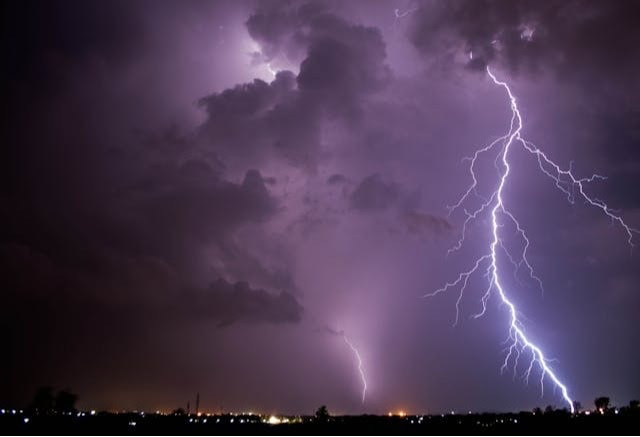
Credit: outrig.com
Recognizing Tornado Signs
Recognizing tornado signs while camping is vital for safety. Tornadoes can form quickly, leaving little time to react. Knowing the signs helps campers stay alert and take action fast. Learn to spot natural warnings and official alerts. Awareness can save lives and reduce panic in storms.
Weather Alerts And Warnings
Weather alerts come from trusted sources like the National Weather Service. These alerts warn about tornado watches and warnings in your area. A tornado watch means conditions are right for a tornado. A tornado warning means a tornado has been spotted or detected.
Use a weather radio or smartphone app to get alerts. These tools provide real-time updates even in remote camping spots. Always check the forecast before setting up camp. Keep your devices charged and within reach.
Visual And Auditory Indicators
Look for dark, greenish skies that often signal a tornado. Large, low-lying clouds that spin or rotate are a red flag. A sudden, calm silence can also mean a tornado is near. Listen for a loud, continuous roar like a freight train.
Hail or heavy rain followed by a sudden drop in temperature can be a sign. Watch for debris or dust swirling at ground level. Trust your senses and act quickly if these signs appear around you.
Credit: koa.com
Immediate Safety Actions
Facing a tornado while camping is dangerous. Immediate safety actions can save your life. Knowing what to do right away helps you stay safe until the storm passes. Stay calm and act fast.
Seeking Shelter Quickly
Find a safe place without delay. Look for a sturdy building nearby. Avoid tents or open spaces. A low-lying area like a ditch can work if no buildings exist. Lie flat and cover your head. Protect yourself from flying debris.
Avoiding Vulnerable Areas
Steer clear of hills and open fields. Do not stay near trees or vehicles. These can fall or be tossed by strong winds. Avoid bridges and overpasses. They are unsafe during tornadoes. Choose the lowest and safest spot you can find.
Best Shelter Options While Camping
Finding the best shelter during a tornado while camping can save your life. Tornadoes move fast and are very dangerous. Knowing where to go quickly is important. Some shelters offer better protection than others. Plan ahead and know your options before the storm arrives.
Using Vehicles As Shelter
Cars and trucks can protect you from flying debris. Stay inside the vehicle with the seatbelt fastened. Keep your head low and away from windows. Avoid parking under trees or power lines. If possible, park in a low area, but not in a flood zone.
Finding Natural Shelters
Look for low ground like ditches or ravines. Lie flat and cover your head with your hands. Avoid hills or open fields that offer no protection. Stay away from tall trees that can fall. Natural shelters are better than staying exposed in the open.
Utilizing Storm Shelters Or Buildings Nearby
Locate any nearby storm shelters or sturdy buildings. Small sheds or restrooms can offer some protection. Enter the building and stay away from windows. Use blankets or sleeping bags to cover yourself. Buildings made of concrete or brick work best.
Preparing Your Campsite In Advance
Preparing your campsite before a tornado can save lives and reduce damage. Taking steps early helps keep you safe and your gear secure. Planning and organizing your site is key to facing sudden strong winds and storms. Focus on choosing a safe spot and making sure everything is tied down well.
Selecting Safe Camping Locations
Pick a campsite away from tall trees and power lines. Avoid low spots that can flood quickly. Look for natural windbreaks like hills or thick bushes. Keep distance from rivers or streams that may rise fast. A flat, open area without loose debris works best. This reduces the chance of falling branches or flying objects.
Securing Loose Items
Tie down tents with strong ropes and stakes. Store gear inside or in heavy containers. Use bungee cords or straps on chairs and tables. Remove small items that the wind can pick up easily. Check everything again before the storm arrives. Secure items lower to the ground to avoid damage or loss.
Emergency Supplies To Carry
Camping during a tornado is risky. Carrying the right emergency supplies can save lives. These supplies help you stay safe and ready. Pack items that support health, safety, and communication. Prepare for quick action and changing conditions.
First Aid And Survival Gear
First aid kits are essential. Include bandages, antiseptic wipes, and pain relievers. Add scissors, tweezers, and medical tape. Carry a whistle to signal for help. Pack a flashlight with extra batteries. A multi-tool or pocket knife helps in many tasks. Bring waterproof matches or a lighter. Include emergency blankets to keep warm. Carry bottled water and non-perishable snacks. A sturdy tarp or poncho protects from rain. These items keep you safe and healthy during a tornado.
Communication Devices
Stay connected for updates and help. Carry a fully charged mobile phone with a power bank. A hand-crank or battery-powered weather radio is vital. It provides tornado alerts without needing cell service. Two-way radios help if camping in a group. Keep extra batteries for all devices. Write down important phone numbers on paper. These devices help you get help fast and stay informed.
Post-tornado Actions
After a tornado passes, staying calm is very important. The danger might not be over. You need to act carefully to keep yourself and others safe. Knowing what to do helps reduce risks and get help quickly.
Start by checking everyone’s condition. Look around for any injuries. Next, see how much damage the campsite has. Finally, reach out to emergency services for support.
Checking For Injuries
Look at yourself and people near you. Find any cuts, bruises, or broken bones. Help anyone who is hurt. Stop bleeding by pressing a cloth on wounds. Move injured people only if they are in danger. Stay calm and speak softly to them.
Assessing Damage
Look around the campsite carefully. Watch for broken trees, fallen branches, or torn tents. Avoid touching downed power lines or sharp objects. Check if the fire is safe or put it out. Find a safe place if your spot is unsafe.
Contacting Emergency Services
Use a phone or radio to call for help. Tell them your location and what happened. Share if anyone is hurt or trapped. Follow instructions from emergency workers. Stay near your phone in case they call back.

Credit: www.ktsm.com
Frequently Asked Questions
What Is The Safest Shelter When Camping During A Tornado?
The safest shelter is a sturdy building or storm shelter. Avoid tents, vehicles, and open areas. If unavailable, seek a low-lying ditch and cover your head with your hands.
How Can I Prepare My Campsite For Tornado Safety?
Check weather forecasts regularly and have an emergency plan. Identify nearby shelters and clear debris. Keep a portable weather radio and emergency supplies handy.
What Should I Do If A Tornado Warning Is Issued While Camping?
Immediately seek shelter in a sturdy structure or low ground. Avoid staying in tents or vehicles. Cover your head and stay away from trees and windows.
How Can I Protect My Family During A Tornado While Camping?
Stay calm and communicate clearly. Move everyone to the safest shelter promptly. Use blankets or sleeping bags for protection against flying debris.
Conclusion
Camping during a tornado needs quick and smart action. Stay calm and find a low spot away from trees. Keep your emergency kit close and listen for weather updates. Avoid tents or open areas during strong winds. Safety comes first, so always have a plan before camping.
Preparing well can protect you and others. Remember, staying alert saves lives. Don’t wait for the storm to get worse. Act fast and stay safe in any weather.
