
Planning a camping trip and wondering if you can bring camping gas on a plane? It’s a common question that can save you from last-minute hassles or even fines at the airport.
You want to pack smart and stay safe, but the rules about flying with camping gas can be confusing. Keep reading to find out exactly what you can and cannot bring, so your trip starts smoothly and stress-free.
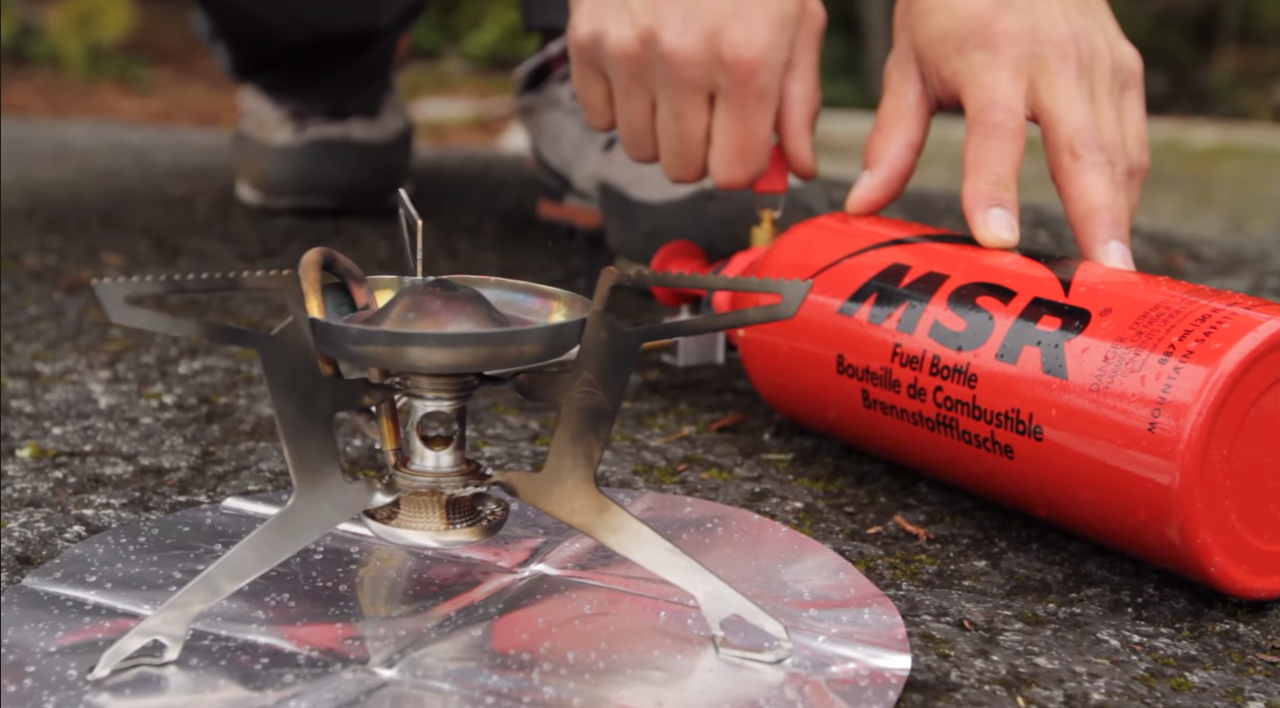
Credit: cascadedesigns.com
Airline Rules For Camping Gas
Camping gas is essential for many outdoor trips. Bringing it on a plane needs care. Airlines have strict rules about carrying camping gas. These rules keep passengers safe and prevent accidents. Understanding these rules helps avoid problems at the airport.
Regulations By Major Airlines
Most airlines do not allow camping gas in checked or carry-on bags. The gas is flammable and poses risks during flights. Some airlines may allow empty canisters if completely free of gas. Always check the airline’s website before packing. Rules can differ slightly between airlines. Some may accept small, sealed containers under strict conditions. Never assume camping gas is allowed without confirmation.
International Variations
Each country has its own rules for camping gas on planes. Airports may follow local government safety laws. For example, European airlines often have tighter restrictions than others. Asian airlines might allow small amounts with special permits. Travelers should check rules for both departure and arrival airports. Ignoring international rules can cause confiscation or fines. Researching before travel keeps your trip smooth and safe.
Types Of Camping Gas
Camping gas is a common fuel source for outdoor cooking and heating. Different types of camping gas have unique features. Knowing these types helps you choose the right one for your trip. It also matters when you travel by plane, as some gases have strict rules.
Butane Canisters
Butane canisters are small and easy to carry. They work well in mild weather. Butane burns clean and produces good heat. These canisters fit many portable stoves. They are popular for short camping trips. But they do not perform well in cold temperatures.
Propane Cylinders
Propane cylinders hold more fuel than butane. They work in cold and windy conditions. Propane has a high energy output. It is often used for larger camping stoves. These cylinders are heavier and bulkier. Some airlines restrict propane on planes due to safety.
Isobutane Mixes
Isobutane mixes combine butane and isobutane gases. They burn hotter than pure butane. These mixes perform better in cold weather. Many backpackers prefer isobutane for its balance. Canisters with isobutane are lightweight and compact. They suit long trips and varied climates.
Safety Concerns
Camping gas can be dangerous on planes. Airlines and security agencies worry about safety. The main issues are fire risks and gas leaks. These dangers can harm passengers and crew. Understanding these safety concerns helps travelers avoid problems.
Flammability Risks
Camping gas is highly flammable. A small spark can cause a fire. Planes have many safety rules to stop fires. Carrying gas on a plane can break these rules. Fire on a plane can spread fast. It is hard to control in the air. This risk makes many airlines ban camping gas.
Pressure And Leakage Issues
Camping gas containers hold gas under pressure. Changes in air pressure during flights can cause leaks. Leaking gas can fill the cabin with flammable fumes. This creates a dangerous environment for everyone. Containers may also burst if not handled well. Airlines avoid these risks by not allowing camping gas onboard.

Credit: www.reddit.com
Alternative Options For Travelers
Travelers often face restrictions on carrying camping gas on planes. This can cause trouble when planning outdoor cooking. Luckily, there are simple alternatives to manage your cooking needs safely and legally. These options help you avoid carrying gas canisters through airports while still enjoying warm meals on your trips.
Purchasing Gas At Destination
Many travel spots have shops selling camping gas. Buying gas at your destination removes the need to carry it on the plane. This option saves space in your luggage and follows airline rules. Make sure to check availability before you travel. Some remote areas may have limited supplies. Planning ahead helps avoid last-minute problems.
Portable Stove Alternatives
Portable stoves that use solid fuel tablets offer a great solution. These tablets are small, lightweight, and allowed on planes. They burn clean and are easy to carry. Another choice is electric stoves powered by batteries. These stoves do not need gas and work well for small meals. Both options provide safe cooking without gas canisters.
Packing Tips For Camping Gear
Packing camping gear for air travel requires careful planning. Some items have rules for safety. Gas canisters and fuel are often restricted. Knowing how to pack can save time and avoid problems at the airport. Follow these tips to prepare your camping gear properly.
Checked Vs Carry-on Luggage
Camping gas is not allowed in carry-on bags. Airlines ban flammable items in the cabin. You must pack gas canisters in checked luggage. Check airline rules before packing. Use hard cases to protect your gear. Make sure containers are tightly sealed. Avoid packing empty canisters in carry-on bags too.
Labeling And Declaration
Label all camping gas containers clearly. Write the type of gas and amount inside. Declare your camping gas at the check-in counter. Inform airline staff about your fuel canisters. This helps avoid delays or confiscation. Always follow airport security guidelines strictly. Proper labeling and declaration keep everyone safe.
Legal Consequences Of Non-compliance
Carrying camping gas on a plane is risky if rules are ignored. Airlines and airports have strict safety laws. These laws protect passengers and crew from dangers. Not following these laws leads to serious consequences. Understanding these consequences helps travelers avoid trouble and fines.
Fines And Penalties
Breaking rules about camping gas can cause heavy fines. Authorities set fines to keep flights safe. Travelers caught with illegal gas face penalties. These fines vary by country and airline. Some fines reach hundreds or thousands of dollars. Paying fines does not remove other legal problems.
Confiscation Of Items
Security checks often find banned camping gas. Airport staff remove and destroy these items. Travelers lose money on confiscated gas canisters. Confiscation happens without warning or refund. Carrying illegal gas can cause delays and stress. Safe packing means avoiding loss and inconvenience.

Credit: explorenborgen.com
Frequently Asked Questions
Can You Bring Camping Gas On A Plane?
No, camping gas is generally prohibited in both carry-on and checked luggage due to its flammability. Airlines and TSA restrict gas canisters to prevent fire hazards during flights.
Are There Exceptions For Small Camping Gas Canisters?
Most airlines do not allow any size of camping gas canisters. However, some may permit empty, completely depressurized canisters with prior approval. Always check airline policies before traveling.
How Can You Safely Transport Camping Gas For Travel?
To transport camping gas safely, ship it via ground freight services specialized in hazardous materials. Avoid carrying gas canisters on passenger flights to comply with safety regulations.
What Alternatives Exist For Carrying Fuel On Planes?
Consider fuel alternatives like solid fuel tablets or battery-powered camping stoves. These options are usually allowed on planes and comply with airline safety rules.
Conclusion
Camping gas cannot go in checked or carry-on bags on planes. Airlines and airports ban it for safety reasons. You can buy camping gas at your destination instead. Always check airline rules before you pack. Carrying gas can cause delays or fines.
Planning ahead helps avoid problems at the airport. Stick to allowed items for smooth travel. Safe trips start with smart choices about what you bring. Keep your camping gear simple and airline-friendly.
