
When you go camping, food is more than just a way to fill your stomach. It fuels your body, keeps your energy up, and even boosts your mood.
Imagine feeling tired and hungry while trying to enjoy the great outdoors—it’s not fun, right? That’s why what you eat on your trip can make a huge difference in how much you enjoy every moment. You’ll discover why food is so important when camping and how the right meals can turn your adventure from good to unforgettable.
Keep reading to learn how to make your camping experience better with the power of food.
Credit: www.artofmanliness.com
Role Of Food In Camping
Food plays a key role in camping trips. It provides energy and helps campers stay strong. Without good food, the body feels tired and weak. Eating well supports all outdoor activities and keeps the mind alert.
Food also brings comfort and joy. Sharing meals creates a warm, friendly atmosphere. It helps campers relax after a long day of hiking or exploring. The right food boosts mood and makes the trip more enjoyable.
Energy Supply For Outdoor Activities
Camping needs a lot of energy. Hiking, setting up tents, and exploring use many calories. Food gives fuel to keep moving and stay active. Carbohydrates and proteins are great for lasting energy. Without enough food, the body feels tired fast.
Maintaining Body Warmth And Health
Cold nights demand more energy from the body. Eating warm meals helps keep the body temperature stable. Proper nutrition supports the immune system. It protects campers from illness and fatigue. Drinking enough fluids also keeps the body healthy.
Social Connection Through Shared Meals
Meals bring people together around the campfire. Sharing food builds friendships and bonds. Talking while eating makes the experience fun and memorable. It creates a sense of belonging in nature. Food is more than fuel; it is a way to connect.

Credit: www.shutterstock.com
Energy Needs Outdoors
Spending time outdoors needs more energy than usual. Your body uses more fuel to keep up with hiking, setting tents, and exploring. Eating the right food helps you stay strong and enjoy the adventure. The body needs enough calories and good nutrients to work well outside.
Caloric Requirements
Camping burns many calories fast. Walking on rough trails and carrying gear uses energy quickly. You may need 500 to 1,000 extra calories each day. Foods like nuts, dried fruits, and energy bars give quick fuel. Eating enough calories stops tiredness and keeps muscles working.
Nutrient Balance
Your body needs more than calories. Protein helps repair muscles after hard work. Carbohydrates give fast energy for hiking and tasks. Fats provide long-lasting power for long days. Vitamins and minerals keep your body healthy and strong. A mix of these nutrients keeps energy steady and prevents fatigue.
Food Storage Tips
Proper food storage is key for a safe and enjoyable camping trip. It keeps food fresh and protects it from animals. Good storage helps avoid waste and saves money. Knowing how to store food correctly makes camping easier and safer for everyone.
Preventing Spoilage
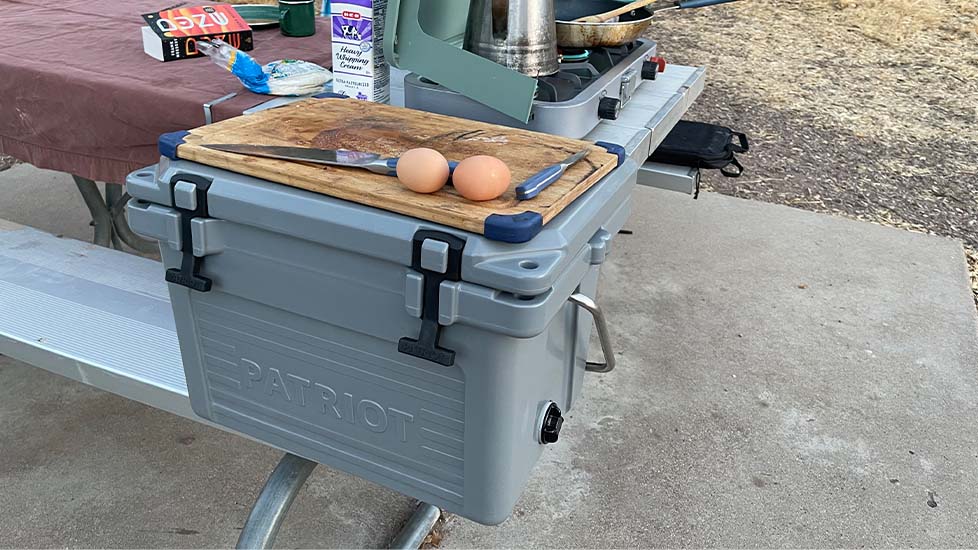
Keep perishable food cold by using coolers with ice packs. Check the temperature regularly to stay below 40°F (4°C). Store dry foods in airtight containers to stop moisture and bugs. Use resealable bags for snacks and leftovers. Plan meals to use fresh food first and avoid waste.
Bear Safety Measures
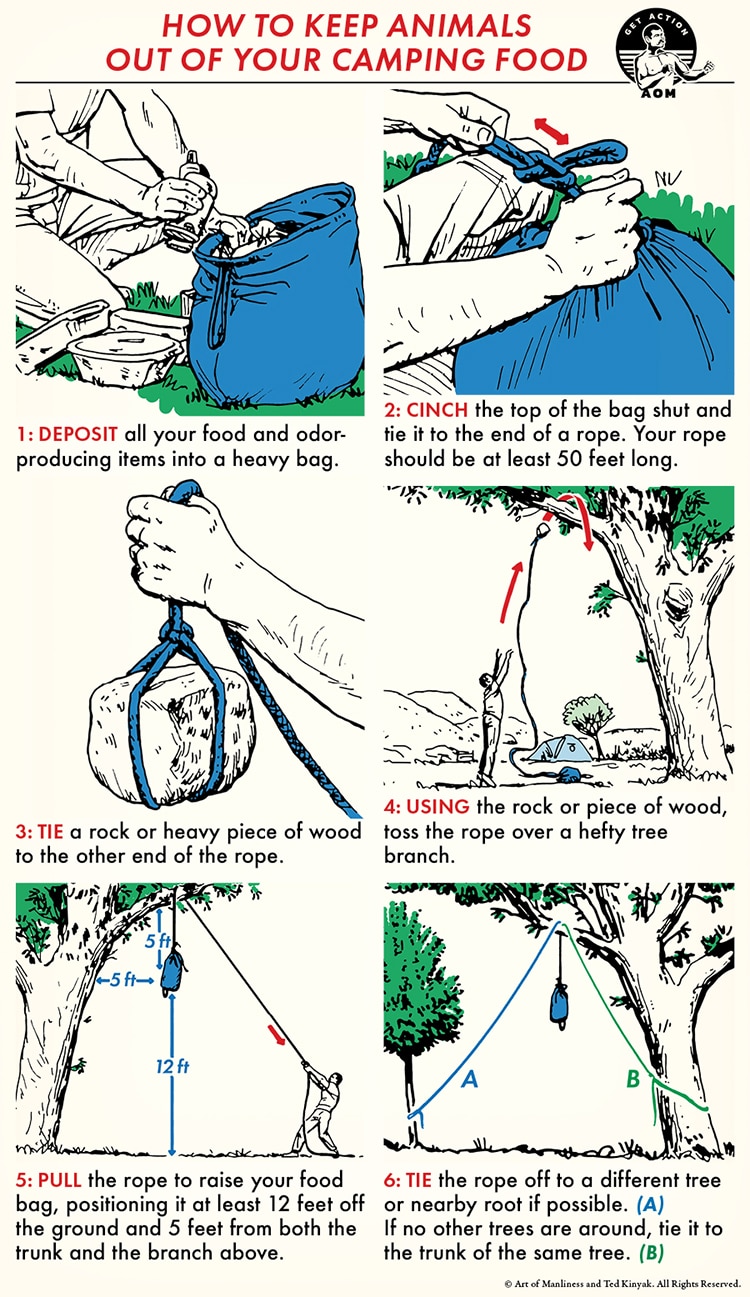
Store all food away from your sleeping area. Use bear-proof containers or hang food bags high in trees. Never leave food or trash unattended at your campsite. Clean up cooking areas after meals to remove food smells. Use scented items like toothpaste or soap inside your food storage to avoid attracting bears.
Easy Camping Meals
Easy camping meals save time and energy during outdoor trips. They let you enjoy nature without stress. Simple food keeps you fueled for hiking and exploring. Preparing meals quickly means more time for fun. Easy meals also reduce the need for heavy cooking gear. They help keep your backpack light and your campsite tidy.
No-cook Options
No-cook meals are perfect for quick, simple eating. They need no fire, stove, or heat source. Think sandwiches, wraps, and ready-to-eat snacks. Nuts, dried fruits, and energy bars provide good nutrition. Pre-cut veggies and cheese slices work well too. These foods keep fresh and taste great without cooking.
Lightweight Recipes
Lightweight recipes use minimal ingredients and weigh less. Instant oatmeal, dehydrated soups, and pasta are common choices. They cook fast with just hot water. Freeze-dried meals save space and last long. Lightweight meals reduce your pack’s weight and bulk. Easy to carry, they help you move freely on trails.
Hydration And Food
Hydration and food are key parts of any camping trip. They keep energy levels high and bodies strong. Without enough water and good food, campers feel tired and weak.
Proper hydration helps the body work well. It stops headaches, dizziness, and tiredness. Food gives fuel to explore, hike, and enjoy nature. Both must work together to keep campers healthy.
Water’s Role In Staying Active
Water controls body temperature and keeps skin healthy. When hiking or doing tough activities, water loss is fast. Drinking water often stops dehydration and heat problems.
Carry enough water or use water filters. Drinking small amounts regularly works better than drinking a lot at once.
Choosing Foods That Boost Energy
Pick foods with carbs and proteins for lasting energy. Nuts, dried fruits, and granola bars work well. They are easy to carry and eat anywhere.
Fresh fruits and vegetables add vitamins and help keep the body strong. Avoid heavy meals that slow you down.
Balancing Food And Water Intake
Eat small meals with water breaks throughout the day. This keeps energy steady and stops hunger pangs. Drinking water after eating helps digestion and absorption.
Monitor body signals like thirst and hunger. Adjust food and water intake to feel your best.
Impact On Camping Experience
Food plays a key role in shaping the camping experience. It does more than just fill the stomach. The right meals can lift spirits and create lasting memories. Sharing food around the campfire brings people closer. The taste of a well-cooked meal feels rewarding after a day outdoors.
Boosting Morale
Good food raises energy and keeps campers happy. It helps fight tiredness and cold weather. Warm meals comfort the body and mind. Eating favorite foods can lift moods quickly. Feeling full and nourished makes adventures more fun. Food gives strength for hiking and exploring.
Enhancing Social Bonding
Sharing meals creates a sense of community. Cooking together teaches teamwork and patience. Stories and laughter flow easily around the fire. Food becomes a way to connect and share. Everyone enjoys the simple joy of eating as one. These moments build friendships that last beyond camping.
Credit: patriotcoolers.com
Frequently Asked Questions
Why Is Food Essential For Camping Trips?
Food provides energy and nutrients needed for outdoor activities. It helps maintain stamina, focus, and warmth during camping. Proper meals prevent fatigue and keep campers healthy and energized throughout the trip.
How Does Food Impact Camping Experience?
Good food enhances enjoyment and comfort while camping. It boosts morale and creates bonding moments around the campfire. Tasty meals make the trip memorable and support overall well-being in the outdoors.
What Types Of Food Are Best For Camping?
Non-perishable, lightweight, and easy-to-cook foods work best. Examples include dried fruits, nuts, canned goods, and instant meals. These options save space, reduce spoilage, and simplify meal preparation while camping.
Can Camping Food Affect Safety And Health?
Yes, safe food choices prevent illness and dehydration. Proper storage and hygiene reduce contamination risks. Nutritious meals support immune function, helping campers avoid health issues during outdoor adventures.
Conclusion
Food keeps energy high during camping trips. It helps the body stay strong and warm. Sharing meals brings friends and family closer. Good food makes the outdoor experience fun and memorable. Planning meals well saves time and stress. Simple, tasty food means more time to enjoy nature.
Never forget: food matters as much as gear. It fuels adventure and creates happy moments. Camping tastes better with the right food.
