
Have you ever run out of propane while camping and wondered if you could just refill your tank instead of buying a new one? If you’re like many campers, saving money and staying prepared is important to you.
Knowing whether you can safely and legally refill your camping propane tanks can make a big difference on your next trip. Keep reading to find out what you need to know before you try to refill your tank—and how to avoid common mistakes that could cost you time, money, or even your safety.
Safety Concerns
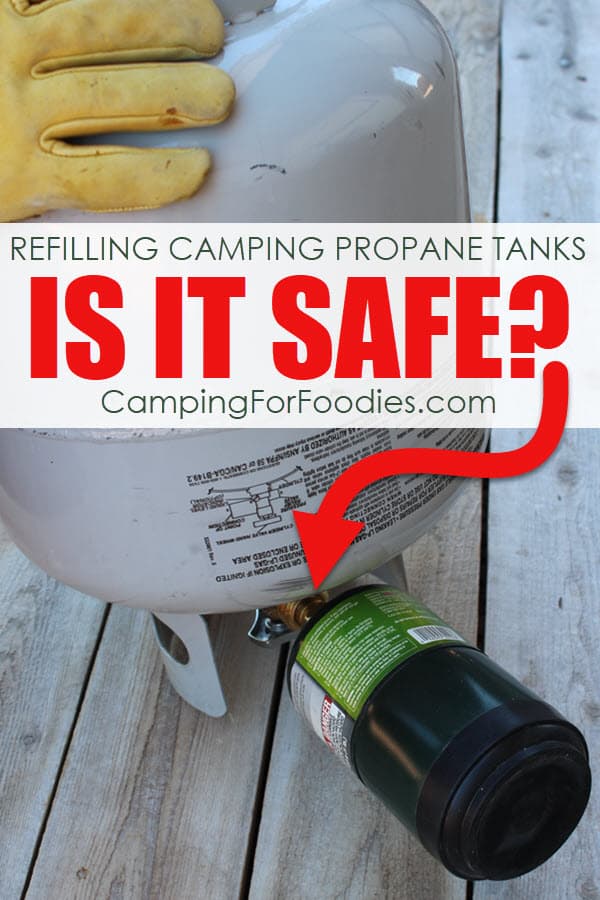
Refilling camping propane tanks can save money but carries safety risks. Handling propane needs care and knowledge. Unsafe refilling can cause leaks, fires, or explosions. Understanding these dangers helps protect you and others during camping.
Risks Of Improper Refilling
Filling a tank incorrectly can lead to gas leaks. Leaks can cause fires or explosions near flames or sparks. Overfilling increases pressure inside the tank, making it unsafe. Using the wrong equipment may damage the tank or valve. Always follow safety rules and use proper tools.
Signs Of Tank Damage
Check your tank before refilling. Look for dents, rust, or cracks on the surface. Damaged tanks can fail under pressure and leak gas. Inspect the valve for corrosion or broken parts. If you see damage, do not refill the tank. Replace it with a new, safe one instead.
Credit: www.campingforfoodies.com
Types Of Propane Tanks
Camping propane tanks come in different types. Each type serves a certain purpose. Knowing the types helps you choose the best tank for your needs.
Some tanks you use once and throw away. Others you can refill many times. Size also matters. Tanks come in small to large sizes for different uses.
Disposable Vs Refillable Tanks
Disposable tanks are small and light. They are easy to carry and use. Once empty, you throw them away. These tanks cost less upfront. But they are not eco-friendly.
Refillable tanks last longer. You can fill them up again and again. They are heavier but save money over time. Refillable tanks need special valves and tools for safety. Many campers prefer refillable tanks for regular use.
Standard Sizes For Camping
Propane tanks come in many sizes. The 1-pound tank is common for small stoves. It is very light and easy to carry.
The 5-pound tank is a popular mid-size option. It holds more fuel and lasts longer. Good for longer trips or bigger stoves.
Larger tanks, like 20-pound cylinders, suit big grills or RVs. These are heavy and less easy to carry. Usually refillable and used for extended camping.
Refilling Options
Refilling your camping propane tank saves money and reduces waste. There are two main ways to refill these tanks. Each method has its own steps and safety tips. Choose the best option based on your needs and skills.
Professional Refilling Services
Many stores and gas stations offer propane refilling. Trained staff handle the process safely. They check the tank for leaks or damage before refilling. This method is quick and reliable. It ensures your tank is filled to the right level. Always use certified locations for refills. This protects your safety and the tank’s condition.
Diy Refilling Methods
You can refill tanks at home with the right tools. This needs a larger propane tank to transfer gas from. Use a propane transfer hose and follow safety rules closely. Work outdoors in a well-ventilated area only. Wear gloves and eye protection. Check for leaks after refilling to avoid accidents. This method saves trips to the store but requires care and knowledge.
Step-by-step Refilling Process
Refilling camping propane tanks is a handy skill for outdoor lovers. It saves money and reduces waste. Follow these steps to refill your tank safely and correctly. Each step helps protect you and your equipment.
Preparing The Tank
First, check the propane tank for damage or rust. Make sure the valve is closed tightly. Remove any dirt or debris from the tank’s surface. Place the tank on a flat, stable surface outside. Keep it away from open flames and sparks.
Connecting Equipment
Use the correct refill adapter for your tank. Attach the adapter securely to the tank valve. Connect the other end to the larger propane source. Tighten connections by hand only. Do not use tools that might damage the fittings.
Filling And Safety Checks
Open the source valve slowly to start filling. Watch the tank to avoid overfilling. Stop filling when liquid propane appears at the vent. Close the source valve and disconnect the adapter carefully. Check the tank valve and connections for leaks using soapy water. Bubbles mean a leak. Fix leaks before use.
Legal And Warranty Considerations
Refilling camping propane tanks can save money and reduce waste. Still, legal rules and warranty terms matter. Ignoring these can cause problems or even danger. Understanding these points helps you stay safe and avoid fines or voided warranties.
Regulations For Refilling
Refilling propane tanks is controlled by law in many places. Some areas allow refilling only at certified stations. Others ban refilling small camping tanks altogether. These rules keep users safe from leaks or explosions. Always check local laws before refilling a tank. Using unauthorized refill methods can lead to fines or accidents.
Impact On Warranty
Manufacturers often set strict rules about refilling propane tanks. Refilling at unauthorized places can void the tank’s warranty. This means no help if the tank breaks or leaks. The warranty may cover only tanks refilled by approved professionals. Read your tank’s warranty terms carefully. Protect your investment by following the official guidelines.
Credit: www.reddit.com
Alternative Solutions
Refilling camping propane tanks can be tricky or unsafe for many people. There are safer, easier ways to keep your propane ready for your camping trips. These alternative solutions help you avoid risks and save time.
Tank Exchange Programs
Tank exchange programs offer a quick propane refill option. You bring your empty tank and swap it for a full one. Many stores and gas stations provide this service. It saves time and effort compared to refilling your tank yourself. The tanks are checked for safety before you get them. This method ensures you always have a full, safe tank for camping.
Using Larger Tanks
Larger propane tanks last longer on camping trips. You fill these tanks at certified stations. They are safer to refill than small camping tanks. Larger tanks also reduce the number of refills you need. They work well for longer trips or bigger cooking devices. Using a bigger tank means less hassle and more cooking time.

Credit: www.reddit.com
Frequently Asked Questions
Can You Legally Refill Camping Propane Tanks?
Refilling camping propane tanks is often illegal due to safety regulations. Many places require tanks to be professionally inspected and refilled by certified vendors to avoid leaks and accidents.
Where Can I Safely Refill My Camping Propane Tank?
You can refill camping propane tanks at authorized propane dealers, hardware stores, or gas stations with certified refilling services. Always check local regulations before refilling.
Is It Safe To Refill Disposable Propane Tanks?
Refilling disposable propane tanks is unsafe and not recommended. These tanks are designed for single use and may rupture or leak if refilled.
How Much Does It Cost To Refill A Propane Camping Tank?
Refilling a camping propane tank typically costs between $3 and $10 depending on tank size and location. Prices vary by vendor and regional propane rates.
Conclusion
Refilling camping propane tanks can save money and reduce waste. Always check local rules before refilling to stay safe and legal. Use trusted refill stations or proper equipment for the best results. Remember, not all tanks are refillable, so know your tank type.
Handle propane carefully to avoid accidents. Keeping your tank full helps your camping gear work well. Simple steps can make your outdoor trips easier and more fun. Safe refilling means more time enjoying nature, not worrying about fuel.
