
Long distance hiking can change your life. For beginners, it’s more than just walking in nature—it’s a challenge, an adventure, and a journey of self-discovery. Whether you dream of crossing mountains, forests, or deserts, the idea of hiking for days or weeks may feel exciting and scary.
But you don’t need to be a super athlete or a survival expert to get started. With the right approach, anyone can enjoy long distance hiking.
This guide will help you understand what long distance hiking really means, how to prepare, and what to expect. You’ll learn how to pick the best trail, pack smart, stay safe, and avoid common mistakes. There’s advice for both mental and physical preparation, plus real examples and practical tips.
If you want to walk further than ever before, start here.
What Is Long Distance Hiking?
Long distance hiking is walking many miles—often over several days, weeks, or even months. Most experts say a long distance hike covers at least 30–50 miles. Famous trails like the Appalachian Trail (2,200 miles), Pacific Crest Trail (2,650 miles), or Camino de Santiago (500 miles) are classic examples.
These hikes are not short trips. You often carry your own food, water, and gear. You sleep in tents or shelters. Some hikes are “thru-hikes,” meaning you walk the whole trail from start to finish. Others are “section hikes,” where you do one part at a time.
Long distance hiking is different from day hiking because:
- You need to plan ahead for food, water, and shelter.
- You must build physical stamina for walking many miles every day.
- You face changing weather, terrain, and challenges.
Even a beginner can try a long distance hike. Start with a three-day hike or a 50-mile trail. As you gain experience, you can dream bigger.
Choosing The Right Trail
Picking your first long distance trail is a big decision. It shapes your experience, safety, and enjoyment. As a beginner, look for a trail that matches your fitness, skills, and interests.
Key Factors To Consider
1. Distance And Duration
Shorter trails (30–100 miles) are best for beginners. They take 2–7 days. This helps you learn without feeling overwhelmed.
2. Elevation Gain
Flat or gentle trails are easier. Steep mountains require more energy and skill.
3. Accessibility
Choose trails near your home or with easy transport. This saves time and money.
4. Trail Conditions
Research if the path is well-marked, maintained, and safe.
5. Water Sources And Resupply Points
Find trails with reliable water and places to restock food.
Popular Beginner-friendly Trails
- John Muir Trail (California, 211 miles): Beautiful scenery, but challenging elevation.
- Camino de Santiago (Spain, 500 miles): Good infrastructure, many towns and hostels.
- West Highland Way (Scotland, 96 miles): Moderate difficulty, stunning landscapes.
- Long Trail (Vermont, 273 miles): Classic American hike, offers shorter sections.
Example: Trail Comparison
Here’s a quick look at three beginner-friendly trails:
| Trail Name | Distance | Elevation Gain | Resupply Points | Best Season |
|---|---|---|---|---|
| Camino de Santiago | 500 miles | Low | Frequent | Spring/Fall |
| West Highland Way | 96 miles | Moderate | Every 10-20 miles | Summer |
| Long Trail | 273 miles | High | Limited | Late Spring/Early Fall |
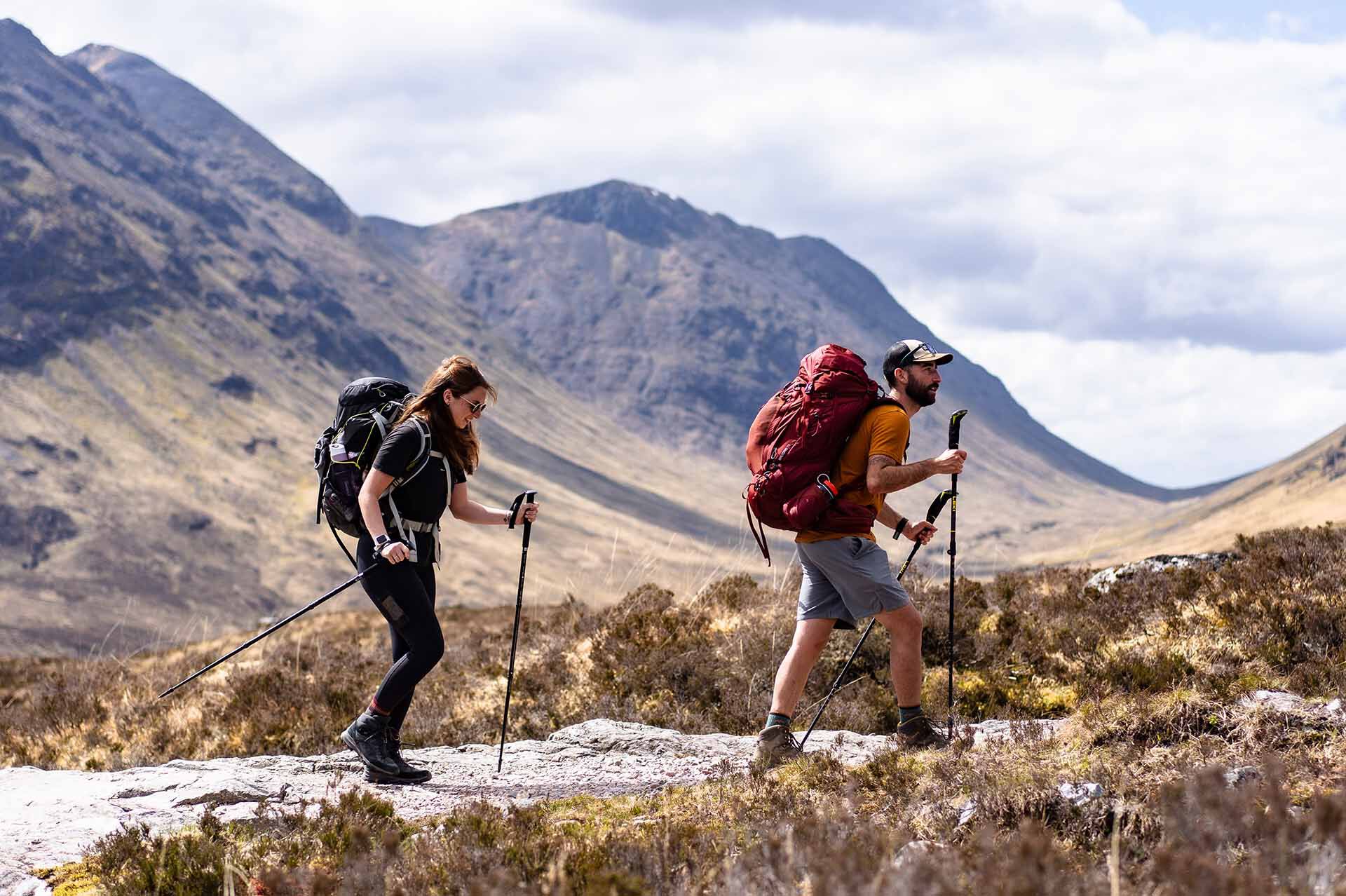
Credit: eu.gregorypacks.com
Physical Preparation
Long distance hiking demands more than casual walking. It’s about building endurance, strength, and flexibility. Preparation is key.
Start Training Early
Begin training 2–3 months before your hike. Focus on:
- Walking: Increase your distance each week.
- Hiking: Practice on real trails with a backpack.
- Strength Exercises: Squats, lunges, and core workouts help.
- Flexibility: Stretch daily to avoid injuries.
Training Plan Example
Week 1: Walk 2 Miles, Twice A Week
Week 4: Hike 5 Miles With A Light Pack
Week 8: Hike 10 Miles With Full Gear
Week 12: Do A Weekend Backpacking Trip
Common Mistakes
- Training only on flat ground.
- Ignoring strength and flexibility.
- Not using your real backpack and shoes during practice.
Non-obvious Insight
Many beginners forget to train for downhill. Descending is tough on knees and muscles. Practice going down steep paths to prepare.
Essential Gear And Packing
Packing for a long distance hike is a balance. You want enough gear to stay safe and comfortable, but not so much that your pack is heavy.
The Big Three
1. Backpack
Choose a pack with 40–65 liters capacity. Try different models and adjust for your body.
2. Shelter
Options: tent, hammock, or tarp. For beginners, a lightweight tent is easiest.
3. Sleeping System
A sleeping bag rated for the lowest expected temperature, plus a light pad.
Clothing
- Wear layers: Base layer, insulating layer, waterproof layer.
- Avoid cotton. Choose synthetic or wool.
- Bring a hat and gloves, even in summer.
Food And Water
- High-energy foods: Nuts, bars, dried fruits, instant meals.
- Plan for 2,500–4,000 calories per day, depending on activity.
- Use a water filter or purification tablets.
Navigation
Carry a map, compass, and GPS. Don’t rely only on your phone.
Safety Items
- First aid kit
- Whistle
- Emergency blanket
- Headlamp with extra batteries
Example: Basic Packing List
| Item | Purpose | Average Weight |
|---|---|---|
| Backpack | Carry gear | 2–3 lbs |
| Tent | Shelter | 2–4 lbs |
| Sleeping Bag | Warmth | 1–3 lbs |
| Water Filter | Purify water | 0.5 lbs |
| Food | Energy | 2 lbs/day |
| First Aid Kit | Safety | 0.5 lbs |
Packing Tips
- Keep your pack under 25–30 lbs total.
- Test everything before your hike.
- Pack heavy items close to your back and low in the pack.
Non-obvious Insight
Don’t forget blister care: bring moleskin, tape, and extra socks. Blisters can ruin your hike.
Planning Food, Water, And Resupply
Long distance hikes require careful planning for nutrition and hydration. You can’t carry everything, so you need to resupply.
Food Strategy
- Plan meals for each day.
- Pack lightweight, calorie-dense foods.
- Mix sweet and salty snacks for balance.
Example daily menu:
- Breakfast: Oatmeal and dried fruit
- Snack: Trail mix
- Lunch: Tortillas with nut butter
- Snack: Energy bar
- Dinner: Instant rice and beans
Water Management
- Identify water sources on your route.
- Carry 1–2 liters at all times.
- Purify water from streams, lakes, or springs.
Resupply Points
Many trails have towns or shops every 3–7 days. Check locations and hours before you start.
Table: Food And Water Planning
| Item | Amount Needed | How to Get/Carry |
|---|---|---|
| Food | 2,500–4,000 calories/day | Carry, resupply in towns |
| Water | 2–4 liters/day | Filter from natural sources |
| Snacks | 3–4 per day | Carry in accessible pockets |
Mental Preparation
Long distance hiking is a mental challenge. You may face loneliness, tough weather, and doubts. Preparing your mind is as important as training your body.
How To Build Mental Strength
- Set clear goals: Know why you want to hike. Write them down.
- Visualize success: Imagine finishing your hike, overcoming obstacles.
- Break the hike into sections: Focus on each day, not the whole trail.
- Embrace discomfort: It’s normal to feel tired or frustrated.
Practical Tips
- Talk to experienced hikers for advice.
- Keep a journal during your hike.
- Celebrate small wins, like reaching a campsite or finishing a tough climb.
Common Mistakes
- Expecting every day to be easy.
- Ignoring mental fatigue.
- Not asking for help when needed.
Non-obvious Insight
Many beginners struggle with post-hike blues—feeling sad after finishing. Plan something fun for after your hike, like a meal with friends or another adventure.
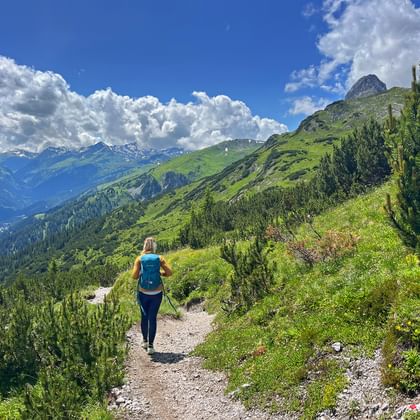
Credit: www.eurohike.at
Safety And Health
Staying safe is critical. Even well-prepared hikers face risks from weather, animals, and injuries.
Weather Awareness
Check forecasts often. Be ready for rain, heat, or cold. Carry extra layers and a rain jacket.
Wildlife Safety
- Learn about animals in your area.
- Store food properly to avoid bears or rodents.
- Make noise when hiking to avoid surprising animals.
Injury Prevention
- Stretch before and after hiking.
- Treat blisters early.
- Rest if you feel pain.
First Aid
Learn basic first aid skills. Know how to treat cuts, sprains, and dehydration.
Emergencies
Carry a personal locator beacon if possible. Tell someone your route and expected finish date.
Trail Etiquette And Leave No Trace
Long distance hiking is about enjoying nature responsibly. Follow the Leave No Trace principles:
- Plan ahead and prepare
- Travel and camp on durable surfaces
- Dispose of waste properly
- Leave what you find
- Minimize campfire impact
- Respect wildlife
- Be considerate of other visitors
Etiquette Tips
- Yield to uphill hikers.
- Don’t block the trail.
- Keep noise low.
- Pack out all trash.
Cost And Budgeting
Long distance hiking can be affordable or expensive. It depends on the gear, trail, and length.
Typical Costs
- Gear: $500–$1,500 (one-time)
- Food: $10–$20 per day
- Permits: $10–$50 (some trails require permits)
- Transport: $20–$200 (to/from trailhead)
- Emergency funds: $100–$300
Money-saving Tips
- Borrow or rent gear.
- Buy used equipment.
- Choose trails close to home.
Example: Cost Comparison
| Trail | Gear Cost | Food Cost | Permit Cost | Total (7 days) |
|---|---|---|---|---|
| Local Trail | $500 | $70 | $0 | $570 |
| National Park Trail | $700 | $140 | $30 | $870 |
| International Trail | $1,200 | $140 | $50 | $1,390 |
Real-life Examples And Stories
Hiking a long trail is a big achievement. Here are two stories that show what beginners can do.
Anna’s First Thru-hike
Anna, age 27, had never hiked more than 10 miles. She chose the West Highland Way, trained for three months, and finished the 96-mile trail in seven days. Anna said the hardest part was hiking in heavy rain, but finishing felt incredible. Her tip: “Don’t wait for perfect conditions. Just start.”
Miguel’s Camino Journey
Miguel, a 55-year-old teacher, walked the Camino de Santiago over 30 days. He learned to pack lighter and made friends from around the world. Miguel’s insight: “Go slow. Listen to your body. The trail is not a race.”
Common Mistakes Beginners Make
- Overpacking: Carrying too much weight causes pain and fatigue.
- Ignoring training: Skipping physical prep leads to injuries.
- Underestimating weather: Not packing for rain or cold can be dangerous.
- Poor navigation: Not learning to read maps increases risk of getting lost.
- Skipping breaks: Walking too long without rest hurts performance.
Expert Tips For Success
- Start small: Choose a shorter trail for your first hike.
- Test gear: Use everything on local hikes before the big trip.
- Learn from others: Read blogs, watch videos, and join hiking forums.
- Stay flexible: Adjust your plan if weather or health changes.
- Enjoy the journey: Focus on experiences, not just miles.

Credit: www.youtube.com
Frequently Asked Questions
How Do I Choose The Right Long Distance Trail As A Beginner?
Pick a trail that matches your fitness, skills, and interests. Look for shorter distances, gentle terrain, and easy access. Check for water sources and resupply points. Research reviews and ask local hikers for advice.
What Is The Best Way To Train For Long Distance Hiking?
Start with regular walking, then add hiking with a backpack. Include strength and flexibility exercises. Practice on similar terrain and wear your hiking shoes. Gradually increase distance and difficulty.
How Much Weight Should My Backpack Be?
Aim for 25–30 lbs total, including food and water. Beginners often carry too much. Choose lightweight gear and pack only essentials.
What Should I Do If I Get Lost On The Trail?
Stay calm. Use your map and compass to find your location. If you’re unsure, retrace your steps. If needed, use a whistle or phone for help. Tell someone your plans before you hike.
How Can I Prevent Blisters And Injuries?
Wear proper shoes, break them in before the hike, and keep your feet dry. Use socks made for hiking. Treat hot spots early with tape or moleskin. Stretch before and after hiking.
Final Thoughts
Long distance hiking is open to everyone. With smart planning, training, and packing, beginners can enjoy this adventure safely. Remember, you don’t need to hike thousands of miles to feel the magic. Each step teaches you something new. Start small, learn as you go, and soon you’ll be ready for bigger trails. For more inspiration and detailed trail info, visit the Wikipedia page on long-distance trails. Lace up your boots, pack your bag, and discover what’s possible.
