
Hiking with friends is more than just a day spent outdoors. It’s an adventure that combines nature, exercise, and social bonding. People from all walks of life find hiking with friends to be a rewarding experience, whether it’s conquering mountain trails or walking through a city park.
This activity offers benefits that go beyond physical health, helping you grow closer to others while exploring new places.
Many hikers say their best memories come from group treks. You share moments like reaching the summit together, laughing at silly mistakes, and encouraging each other when the path gets tough. Hiking with friends also makes the journey safer and more enjoyable.
If you’re thinking about planning your first group hike or looking to improve your next outing, this guide will show you everything you need to know. From preparation and safety tips to group dynamics and practical advice, you’ll learn how to turn any hike into a memorable experience.
Why Hiking With Friends Is Special
Hiking alone has its own charm, but hiking with friends brings unique advantages. Some people believe hiking is only about exercise, but social benefits are equally important.
Building Stronger Relationships
Nature creates a relaxed setting for conversation. Without distractions like phones or noisy streets, you talk more deeply and honestly. Shared challenges, such as steep climbs or sudden rain, help build trust and teamwork. Studies show outdoor activities can improve group cohesion by up to 40% compared to indoor events.
Motivation And Support
When you hike with others, motivation comes naturally. If someone feels tired, friends encourage them. On difficult trails, group members help each other, from sharing snacks to adjusting pace. You’re less likely to give up when you know your friends are counting on you.
Safety In Numbers
Hiking with friends reduces risks. Groups can handle emergencies better—someone can fetch help while others assist the injured. Wildlife and other hazards are less threatening when you’re not alone. According to the American Hiking Society, group hiking lowers the chance of accidents by 30%.
Making Memories
Group hikes create stories you’ll remember for years. You celebrate achievements together, take photos, and sometimes face unexpected surprises. These shared moments strengthen friendships and give you new reasons to keep hiking.
Planning Your Group Hike
Successful group hikes require thoughtful planning. Choosing the right trail, organizing gear, and setting expectations will make your adventure smoother.
Picking The Right Trail
The trail choice should match everyone’s experience and fitness level. Beginners may prefer flat, short paths, while experienced hikers might enjoy challenging routes.
| Trail Type | Distance | Difficulty | Best For |
|---|---|---|---|
| City Park Loop | 2 miles | Easy | Beginners |
| Forest Trail | 6 miles | Moderate | Mixed Groups |
| Mountain Ridge | 10 miles | Hard | Experienced Hikers |
Ask your group about their preferences and physical limits. If unsure, start with an easy trail and slowly increase difficulty in future hikes.
Setting A Date And Time
Coordinate schedules early. Weekends work for most, but some prefer weekday hikes for quieter trails. Start early if the hike is long or weather is hot. Confirm everyone’s commitment to avoid last-minute changes.
Group Size
Smaller groups (3-6 people) are easier to manage and allow more interaction. Larger groups require more organization and may split into subgroups based on pace.
Dividing Responsibilities
Assign roles to streamline planning. Common roles include:
- Trail researcher
- Gear coordinator
- Food planner
- Safety lead
This prevents confusion and makes each member feel involved.

Credit: monkeysandmountains.com
Essential Gear And Packing Tips
What you bring can make or break your hike. Packing for a group outing is slightly different than solo hiking.
Must-have Items
Every hiker should carry:
- Comfortable shoes (hiking boots or sturdy sneakers)
- Weather-appropriate clothing
- Water bottle (at least 1.5 liters per person)
- Snacks (energy bars, fruit, nuts)
- Personal ID
- First aid kit
- Map or GPS
Group Gear
Some items can be shared among friends:
- Larger first aid kit
- Extra water filter or purifier
- Emergency blanket
- Portable phone charger
- Trash bags
Packing Smart
Distribute heavy items among the group. For example, if one person carries the first aid kit, another can carry extra water. This makes the load lighter for everyone.
Clothing Choices
Dress in layers. Weather can change quickly, especially in mountains. Avoid cotton; it stays wet and cold. Choose synthetic or wool materials.
Non-obvious Insight
Beginners often overlook blister prevention. Bring bandages or specialized tape. A small blister can ruin a hike, but proper preparation lets you walk comfortably.
Food And Hydration Strategies
Eating and drinking well are key to enjoying your hike. Poor nutrition or dehydration will sap your energy and mood.
Smart Snacks
Choose foods that boost energy without weighing you down. Examples include:
- Trail mix
- Jerky
- Granola bars
- Dried fruit
Bring enough for the hike plus some extra. Sharing snacks is a great way to bond, but don’t rely on others for your food.
Hydration Plans
Drink water regularly, even if you’re not thirsty. Group hikes often slow down, so you may forget to hydrate. Carry a reusable bottle and refill at reliable sources.
| Activity | Recommended Water Intake (per person) | Notes |
|---|---|---|
| Short hike (<3 hours) | 1-1.5 liters | Carry extra for hot days |
| Long hike (3-6 hours) | 2-3 liters | Bring water filter if possible |
| Mountain hike (>6 hours) | 3-4 liters | Plan for refills or purification |
Meal Planning
If your hike includes a meal break, plan simple foods that are easy to carry and prepare. Sandwiches, wraps, or pasta salad work well. Avoid foods that spoil quickly.
Pro Tip
To avoid dehydration, set a group reminder every hour to drink water, especially if hiking in hot weather. Many beginners forget to drink until they feel thirsty, which is already too late.
Group Dynamics And Communication
Traveling with friends means balancing personalities, paces, and expectations. Good communication keeps the hike enjoyable for everyone.
Setting Group Expectations
Before the hike, talk about:
- Trail difficulty
- Estimated time
- Rest stops
- Pace
Make sure everyone agrees. Groups with mixed abilities should plan to regroup often.
Staying Together
Hiking as a group doesn’t mean walking in a straight line. Faster hikers can lead, but it’s important to wait at forks or landmarks. If someone falls behind, the group should pause and check in.
Handling Conflicts
Sometimes disagreements happen. Maybe someone wants to go faster, or another needs more breaks. The best solution is to listen and compromise. For example, set fixed rest points so everyone knows when they can relax.
Non-obvious Insight
Bring a whistle for quick communication. If someone gets separated, three short blasts signal distress. Most hikers rely only on phones, but a whistle works without signal.
Safety And Emergency Preparedness
Being prepared reduces risks and ensures everyone stays safe. Group hikes have unique safety needs compared to solo treks.
Common Hazards
- Slips and falls
- Sudden weather changes
- Wildlife encounters
- Getting lost
Emergency Plan
Discuss what to do if someone is injured or lost. Agree on a meeting spot and how to contact authorities. Share emergency contact numbers among the group.
First Aid Tips
Learn basic first aid before the hike. Knowing how to treat sprains, cuts, or heat exhaustion can save time and prevent bigger problems.
Weather Awareness
Check forecasts before leaving. If bad weather is expected, postpone the hike or choose a safer route. Always pack a rain jacket, even if skies are clear.
Navigational Tools
Carry a map, compass, or GPS. Don’t rely only on phones—batteries can die or signal can drop.
| Navigation Tool | Reliability | Best Use |
|---|---|---|
| Smartphone GPS | Medium | Short hikes, good signal |
| Paper map | High | Long hikes, backup |
| Compass | High | Navigation without electronics |
Pro Tip
Assign a safety lead to carry extra supplies and monitor group well-being. This person checks for signs of exhaustion or dehydration and reminds everyone to stay alert.
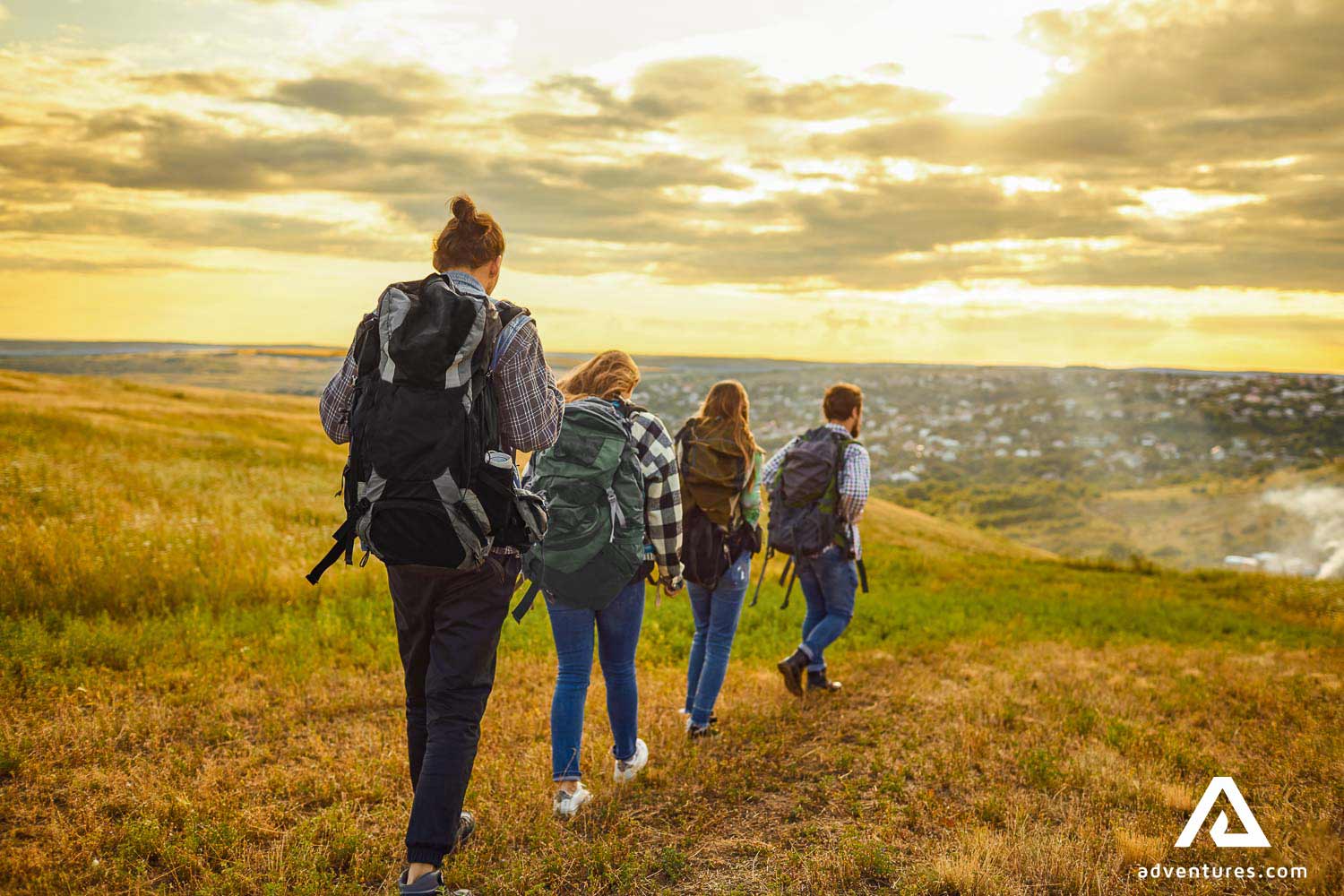
Credit: adventures.com
Making The Most Of Your Group Hike
Enjoying a group hike is about more than reaching the destination. The journey itself is full of opportunities for fun and learning.
Activities Along The Trail
- Take photos at scenic spots
- Identify plants or wildlife
- Play hiking games (like “I Spy”)
- Share stories or jokes
These activities keep spirits high and help everyone stay engaged.
Encouraging Each Other
Celebrate milestones, such as reaching halfway or the summit. Positive words go a long way, especially for beginners. If someone feels discouraged, remind them of how far they’ve come.
Adapting To Surprises
Nature is unpredictable. Rain, mud, or unexpected detours can change plans. Instead of seeing these as problems, treat them as adventures. Some of the best memories come from overcoming challenges together.
Keeping It Inclusive
Watch for group members who are quiet or tired. Make sure everyone feels included and supported. Avoid inside jokes or conversations that leave people out.
Pro Tip
Bring a small notebook to record funny moments or lessons learned. After the hike, share these notes with the group as a reminder of your adventure.
Post-hike Rituals And Recovery
Finishing the hike doesn’t mean the experience ends. Good post-hike habits help you recover and deepen your friendships.
Cooling Down
Stretch after the hike to prevent soreness. Encourage your group to spend a few minutes cooling down together. If possible, find a comfortable spot to relax and enjoy a snack.
Sharing Photos And Memories
Create a group album online or print photos to share. This keeps the memory alive and motivates everyone for future hikes.
Reviewing The Hike
Talk about what went well and what could be improved. Maybe the pace was too fast, or the trail was more challenging than expected. Honest feedback helps your group plan better next time.
Planning Future Adventures
Discuss your next hike while the excitement is fresh. Set goals, such as trying a longer trail or visiting a new park. This keeps everyone motivated and builds anticipation.
Pro Tip
If your hike was tough, take a rest day before planning another outing. Your body needs time to recover, and your group will appreciate the thoughtful pace.
Popular Group Hiking Destinations
If you’re looking for inspiration, here are some well-known places that are great for group hikes:
- Appalachian Trail (Eastern US): Long and varied, perfect for groups.
- Yosemite National Park (California): Stunning views, many trails.
- Rocky Mountain National Park (Colorado): Diverse routes for all levels.
- Grand Canyon (Arizona): Iconic, challenging hikes.
- Banff National Park (Canada): Beautiful scenery, well-marked paths.
Each location offers something unique, but all are suitable for friends hiking together.
Common Mistakes When Hiking With Friends
Even experienced hikers can make errors. Here are some mistakes to watch for:
- Underestimating trail difficulty: Always check trail reviews and maps.
- Poor communication: Discuss plans and expectations before the hike.
- Not packing enough water or food: Better to bring extra.
- Ignoring weather forecasts: Conditions can change fast.
- Leaving someone behind: Stay together, especially on unfamiliar trails.
- Skipping first aid kit: Small injuries can become big problems.
- Forgetting navigation tools: Don’t rely only on phones.
- Wearing the wrong shoes: Comfort is key for everyone.
- Not planning rest breaks: Tired hikers need regular stops.
- Overloading one person: Share group gear evenly.

Credit: zpacks.com
Frequently Asked Questions
What Is The Best Group Size For Hiking?
The ideal group size is 3 to 6 people. This allows good communication and flexibility. Larger groups can split into smaller units if needed. Small groups are easier to manage and safer in emergencies.
How Do We Handle Different Fitness Levels In A Group?
Choose a trail that matches the lowest fitness level in the group. Plan regular breaks and allow faster hikers to explore ahead, but regroup often. Communication before the hike helps set expectations so everyone enjoys the experience.
What Should We Do If Someone Gets Injured?
Stop hiking and assess the injury. Use your first aid kit for basic treatment. If the injury is serious, call for help using a phone or whistle. Send two people for assistance while others stay with the injured person. Know the nearest emergency contacts and exits.
How Can We Prevent Conflicts Among Friends During A Hike?
Discuss plans openly before the hike. Set clear expectations for pace, breaks, and route. Listen to everyone’s concerns and compromise. If disagreements happen, pause and talk it through instead of pushing ahead.
Are There Any Apps Or Websites For Planning Group Hikes?
Yes. Websites like AllTrails and Hiking Project offer trail maps and reviews. You can organize group events and share routes. For more tips, visit American Hiking Society.
Hiking with friends is one of the best ways to enjoy nature and strengthen bonds. With careful planning, good communication, and a spirit of adventure, your group can create lasting memories and overcome any challenge. Whether you’re walking through a local park or exploring wild mountains, each hike brings new experiences.
Try a group hike soon—you’ll discover just how rewarding it can be.
