
Buying a hiking backpack can feel overwhelming. With so many options, sizes, and features, it’s easy to make mistakes—especially if you’re new to hiking. But choosing the right backpack is one of the most important decisions for any hiker. The right pack can make your adventure safe, comfortable, and enjoyable.
The wrong one can lead to sore shoulders, back pain, and even ruined trips. This guide helps you understand what truly matters when buying a hiking backpack. You’ll learn about size, fit, features, materials, and more. Whether you’re preparing for a short day hike or a long trek, you’ll find clear answers and practical tips.
Let’s dive in and make sure your next hiking backpack is the perfect match for you.
Understanding Hiking Backpack Types
Backpacks come in different shapes and sizes. The type you need depends on your hiking plans. Here’s a quick overview:
Daypacks
Daypacks are small, light backpacks for short hikes or daily use. They usually hold 15–30 liters. Perfect for carrying water, snacks, a light jacket, and personal items. Daypacks often have simple features and are easy to carry.
Overnight Backpacks
For one or two nights, overnight backpacks are best. These packs hold 30–50 liters. You can fit a sleeping bag, extra clothes, food, and basic camping gear. They usually have more pockets and straps for organizing your items.
Multi-day Backpacks
Multi-day backpacks are for longer trips. They hold 50–80 liters. These packs are larger and designed to carry more weight. If you’re hiking for several days, you’ll need space for a tent, cooking gear, food, and extra layers.
Specialized Packs
There are also specialized packs for activities like climbing, skiing, or ultra-light hiking. These packs may have unique features, such as reinforced straps or compartments for gear.
| Type | Capacity (Liters) | Best For |
|---|---|---|
| Daypack | 15–30 | Short hikes, daily use |
| Overnight | 30–50 | 1-2 nights |
| Multi-Day | 50–80 | Several days |
| Specialized | Varies | Climbing, skiing, ultra-light |
How To Choose The Right Backpack Size
Backpack size is about more than just how much you can fit inside. You need to match the capacity to your trip length and gear needs.
Trip Length Vs. Capacity
- Day hikes: 15–30 liters
- Overnight trips: 30–50 liters
- Multi-day hikes: 50–80 liters
Don’t buy a bigger pack “just in case. ” Carrying extra weight is tiring and uncomfortable. If you pack light, a smaller backpack is easier to manage.
Volume And Weight
Some packs look big but are not comfortable for carrying heavy loads. Always check the maximum recommended weight for the backpack. For example, most daypacks can safely carry up to 10–15 lbs. Multi-day packs often support 30–40 lbs.
Practical Example
Imagine you’re hiking for two days. You need a sleeping bag, food, water, extra clothes, and a small tent. A 40-liter pack is usually enough. If you pack too much, your bag gets heavy and hard to carry.
Non-obvious Insight
Many beginners forget to check how much space they need for water bottles or a hydration bladder. Make sure your pack has enough room for water storage—hydration is critical on any hike.
Fit And Comfort: What Really Matters
A backpack that doesn’t fit can cause pain, blisters, and frustration. Fit is more important than brand or style. Here’s what you need to know:
Torso Length
Backpacks are sized by torso length, not height. Measure from the base of your neck (C7 vertebra) to the top of your hip bones. This is your torso length. Most brands offer packs in sizes like Small, Medium, and Large.
Hip Belt
The hip belt supports most of the pack’s weight. It should fit snugly around your hips—not your waist. When worn correctly, about 80% of the weight is carried by your hips.
Shoulder Straps
Shoulder straps should be padded and adjustable. They help stabilize the pack but should not carry most of the weight.
Sternum Strap
The sternum strap connects the shoulder straps across your chest. It helps keep the pack steady and reduces shoulder strain.
Trying The Pack
Always try on backpacks with weight inside. Adjust all straps and walk around. If possible, test several packs before buying.
| Fit Feature | Purpose | Common Mistake |
|---|---|---|
| Torso Length | Aligns pack with spine | Using height instead of torso measurement |
| Hip Belt | Supports main weight | Wearing belt on waist |
| Shoulder Straps | Stabilizes pack | Too loose or too tight |
| Sternum Strap | Keeps pack steady | Ignoring strap adjustment |
Extra Tip
Some packs offer adjustable back panels. This feature lets you fine-tune the fit for different body shapes. Beginners often overlook this, but it can make a big difference in comfort.
Essential Backpack Features
Modern hiking backpacks come with many features. Some are helpful, others are just extra weight. Here are the most important features to look for:
Pockets And Organization
Multiple pockets help organize gear. Look for:
- Front pocket: For quick access items (maps, snacks)
- Side pockets: For water bottles or small items
- Hip belt pockets: For phone, keys, or energy bars
Hydration System Compatibility
Many packs have a sleeve for a hydration bladder. This lets you drink water easily while hiking. Make sure the pack supports the system you want.
Ventilation
Ventilated back panels reduce sweating and keep you cooler. Mesh and airflow channels are common in modern packs.
Compression Straps
Compression straps help tighten the pack and keep gear stable. They’re important for balancing the load.
Rain Cover
Some packs include a rain cover. If not, buy one separately. It protects your gear from rain and mud.
Attachment Points
You may need loops or straps for hiking poles, ice axes, or sleeping mats. Check if these are included or can be added.
Non-obvious Insight
Many hikers miss the value of removable features. For example, some packs have detachable lids or hip belts. Removing them reduces weight for shorter trips.
Material, Durability, And Weight
The material of a backpack affects its weight, strength, and water resistance.
Common Materials
- Nylon: Light and strong, common in most packs
- Ripstop nylon: Has extra fibers to prevent tearing
- Polyester: Slightly heavier, less expensive
- Cordura: Very tough, used in heavy-duty packs
Weight Vs. Durability
Light packs are easier to carry but can be less durable. Heavy-duty packs last longer but add extra ounces.
Water Resistance
Most packs are water-resistant, not waterproof. A rain cover is essential for heavy rain.
Example
If you hike in rocky areas, choose a pack with thicker fabric and reinforced bottom. If you prefer light hikes, a thinner, lighter pack is fine.
| Material | Strength | Weight | Water Resistance |
|---|---|---|---|
| Nylon | High | Light | Moderate |
| Ripstop Nylon | Very High | Light | Good |
| Polyester | Medium | Medium | Moderate |
| Cordura | Excellent | Heavy | Good |
Extra Tip
Check for reinforced stitching and YKK zippers. These small details increase durability and are often missed by beginners.
How Much Should You Spend?
Backpacks range from $40 to $400 or more. Price depends on size, features, brand, and materials.
Budget Options
- $40–$100: Basic packs, good for day hikes or beginners
- $100–$200: Better features, more comfort, good for regular hikers
- $200–$400: Advanced packs, lighter materials, specialized features
Value Vs. Cost
Don’t pay extra for features you don’t need. For example, expensive packs often have advanced suspension systems and ultra-light fabrics. If you’re hiking once a month, a mid-range pack is fine.
Example
A $120 backpack with a padded hip belt, hydration sleeve, and rain cover is usually enough for most hikers.
Non-obvious Insight
Sales and older models can save money. Last year’s packs often have similar features but cost less.
Mistakes To Avoid When Buying A Hiking Backpack
Many hikers—especially beginners—make mistakes that lead to discomfort or wasted money. Here are some to watch for:
- Buying too big or too small: Choose the right capacity for your needs. Bigger is not always better.
- Ignoring fit: Comfort is key. Measure your torso and try on packs before buying.
- Choosing based on color or style: Function matters more than appearance.
- Overlooking weight: Light packs are easier to carry, but must still be durable.
- Not checking features: Make sure the pack has what you need—like a hydration sleeve or rain cover.
- Buying without testing: Always test the pack with weight inside.
- Skipping research: Read reviews and ask experienced hikers for advice.
- Missing warranty and return policy: Good brands offer warranties in case of defects.
How To Try And Test A Backpack Before Buying
Testing a backpack is essential. Here’s how to do it right:
Visit A Store
Go to a store where you can try different packs. Ask staff for help with measuring your torso and adjusting straps.
Fill The Pack
Put weight inside the pack—about what you plan to carry on hikes. Walk around, bend, and move as you would during a hike.
Adjust Straps
Tighten the hip belt, shoulder straps, and sternum strap. The pack should feel stable and comfortable.
Check For Pressure Points
Notice if any areas feel painful or tight. A good pack should not pinch or rub.
Try Multiple Packs
Compare different brands and models. Sometimes a pack that looks good online feels uncomfortable in person.
Ask About Returns
Make sure you can return or exchange the pack if it doesn’t fit well after testing at home.
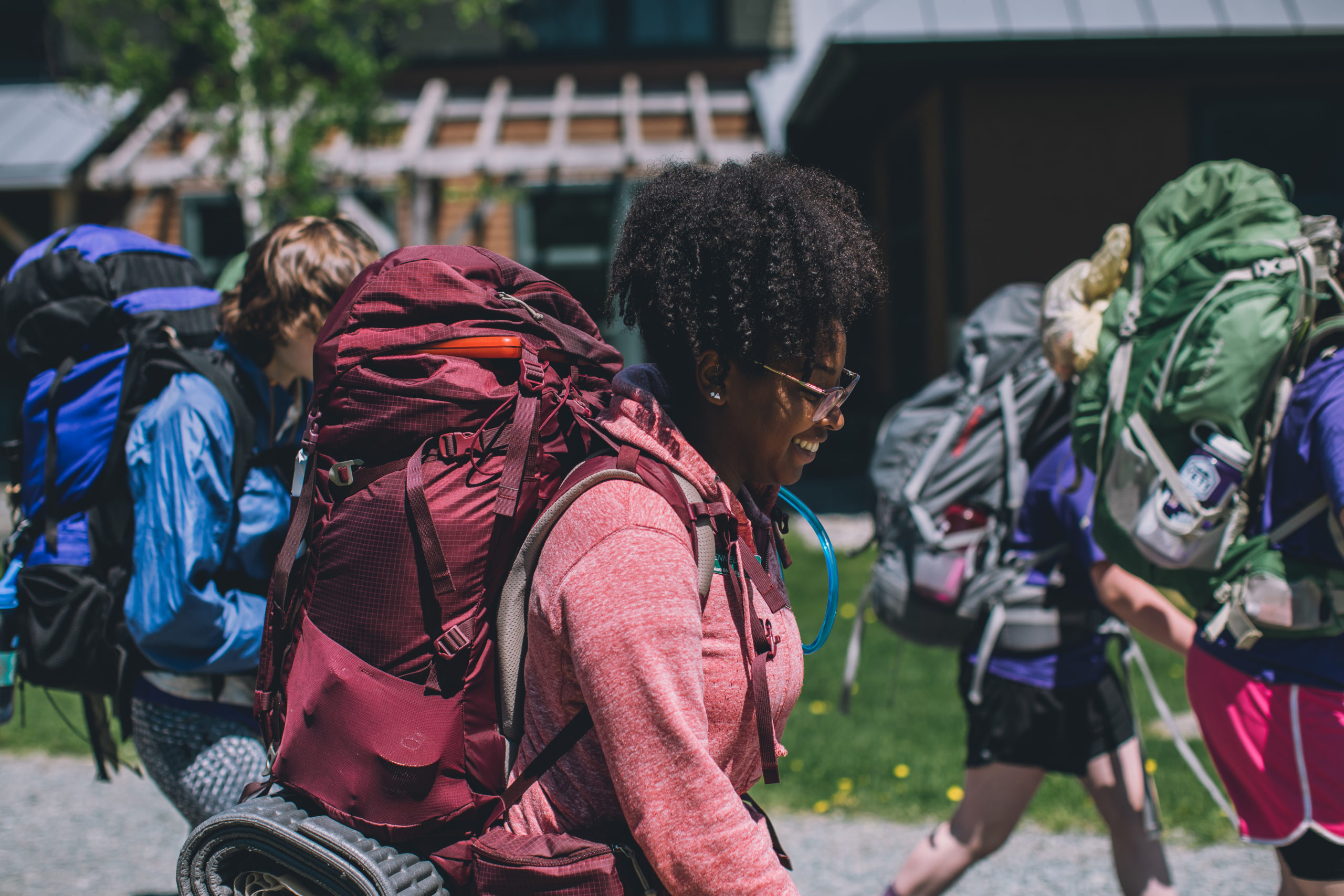
Credit: www.outdoors.org
Gender And Body-specific Packs
Some brands offer women’s or men’s backpacks. These packs have different shapes, strap positions, and hip belts.
Women’s Packs
- Narrower shoulder straps
- Shorter torso length
- Shaped hip belts for wider hips
Men’s Packs
- Wider straps
- Longer torso length
- Straight hip belts
Unisex Packs
Some packs are unisex and work for any body type. Always try on the pack to see which style fits you best.
Extra Tip
People with unique body shapes (broad shoulders, tall torso, etc. ) May need special sizing. Custom packs are available from some brands.
Comparing Popular Hiking Backpack Brands
Choosing a brand can help with quality and fit. Here are some well-known brands and their strengths:
| Brand | Best Known For | Price Range | Special Features |
|---|---|---|---|
| Osprey | Comfort, fit | $80–$350 | Adjustable back panels |
| Deuter | Durability | $70–$300 | Ventilated back |
| Gregory | Custom fit | $90–$400 | Ergonomic hip belts |
| REI | Value | $60–$250 | Good for beginners |
| Granite Gear | Lightweight | $100–$300 | Ultra-light designs |
Non-obvious Insight
Warranty and repair services differ by brand. Osprey, for example, offers a lifetime repair policy, which is valuable if you hike often.
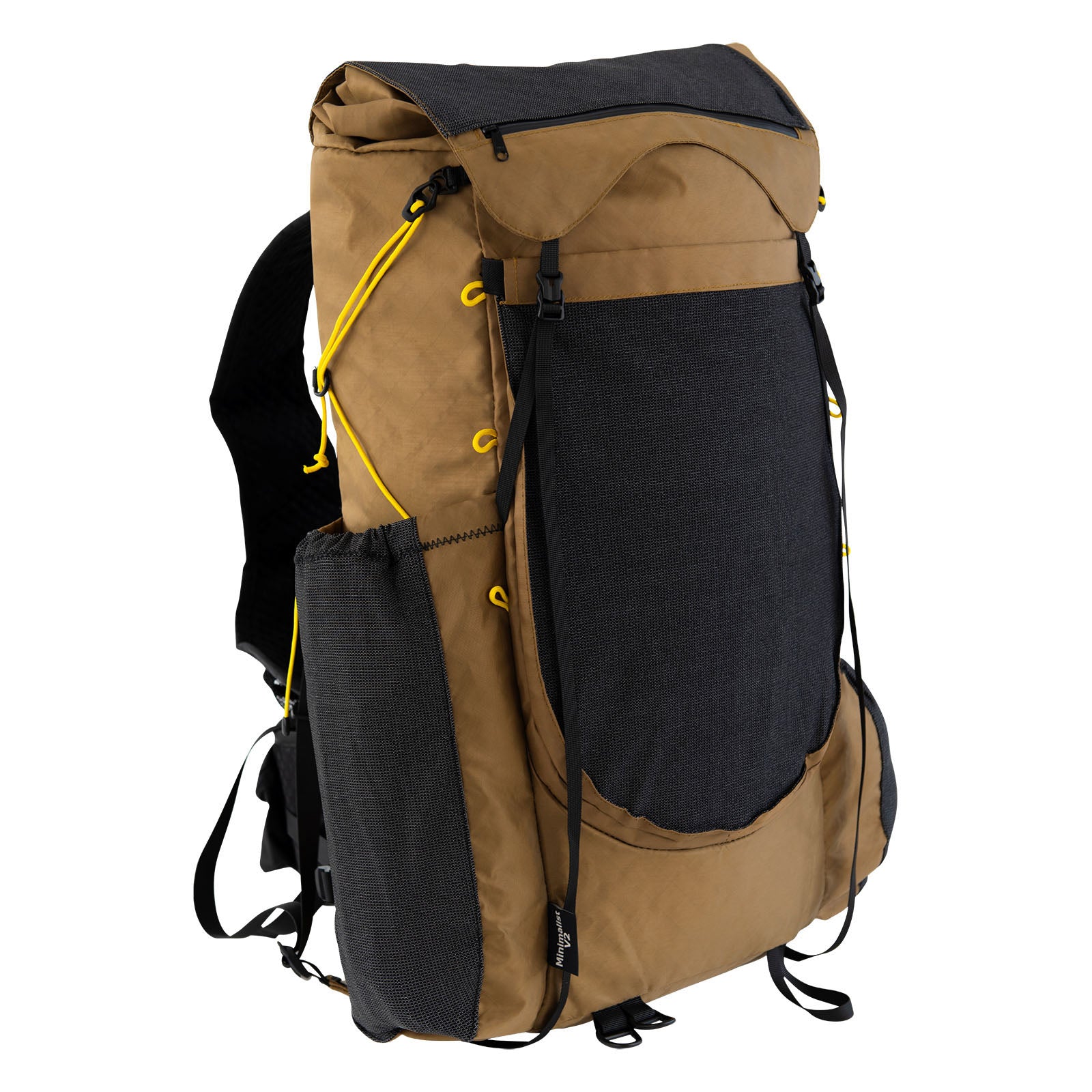
Credit: www.sixmoondesigns.com
Tips For Buying Online
Buying online can save money but has risks. Here’s how to do it safely:
- Read detailed reviews and check user photos.
- Find stores with free returns or exchanges.
- Measure your torso and double-check size charts.
- Look for clear product descriptions and warranty info.
- Ask questions before buying—most online shops have chat support.
If you’re unsure, buy from trusted outdoor retailers. For more info on backpack types and fit, visit Wikipedia.
Packing Your Backpack: Practical Example
After buying the right backpack, packing it properly matters. Here’s a simple way to pack:
- Heavy items (like tent or food): Place close to your back and centered.
- Medium items (clothes, sleeping bag): Fill bottom and sides.
- Light items (jacket, snacks, map): Put on top and in pockets.
- Use compression straps to tighten the load.
- Keep water easy to reach (side pocket or hydration sleeve).
Packing smart makes the backpack feel lighter and helps you hike longer.

Credit: www.youtube.com
Frequently Asked Questions
What Size Hiking Backpack Should I Buy For A Day Hike?
For a day hike, a 15–30 liter backpack is usually enough. It holds water, snacks, a light jacket, and personal items. If you carry extra gear (camera, first aid kit), choose a pack closer to 30 liters.
How Do I Measure My Torso For A Backpack?
Find the bone at the base of your neck (C7). Measure from there down to the top of your hip bones. This is your torso length. Use this measurement to pick the right pack size—most brands have size charts.
Are Expensive Backpacks Worth The Price?
Expensive backpacks often have better materials, lighter weight, and more comfort features. If you hike often or need special features (like adjustable panels), they are worth it. For casual hikers, mid-range packs are usually fine.
Can I Use A Regular Backpack For Hiking?
You can use a regular backpack for short, easy hikes. For longer or tougher trips, a hiking backpack is better. Hiking packs have hip belts, ventilation, and features designed for carrying weight and staying comfortable.
What Is The Most Important Feature In A Hiking Backpack?
The most important feature is a good fit. Comfort matters most. After that, look for a hip belt, hydration sleeve, and rain cover. These features make hiking easier and safer.
Finding the right hiking backpack takes time, but it’s worth the effort. A well-chosen pack makes your hikes enjoyable and safe. Remember to focus on fit, capacity, and key features. Test different packs, ask questions, and don’t rush your decision.
With the right backpack, you’ll be ready for adventure—no matter where the trail takes you.
